Best Books With a Strong Sense of Place
Some novels have settings. A few have places -- worlds so fully rendered that leaving them at the end requires adjustment, the way returning home from somewhere you loved requires adjustment. These six build places that the reader inhabits rather than visits.
July 2026 · 6 min read · The Pagesmith
A setting is described. A place is built. The difference is the same as the difference between a map and a territory: a setting tells you where things are; a place tells you what it smells like, what the light does in the afternoon, what the people who live there believe about themselves and each other. The novels here build places. Their settings are not backdrops for stories that could have happened anywhere — the story is inseparable from where it happens, shaped by the specific history and atmosphere and rules of the world that contains it. Finishing these books produces a specific kind of loss: the place is gone, and you were living in it.
The Books
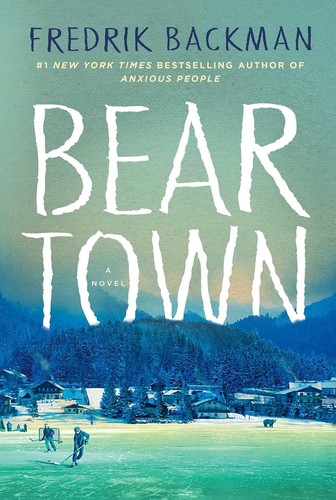
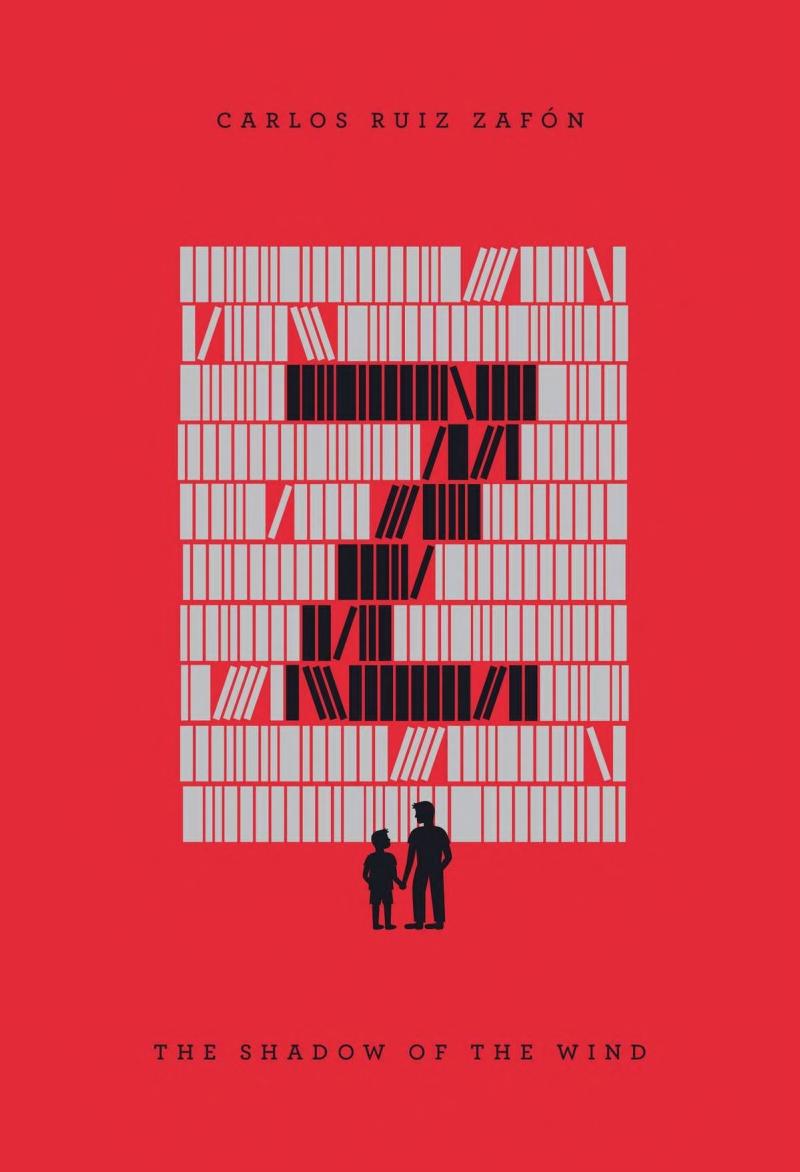
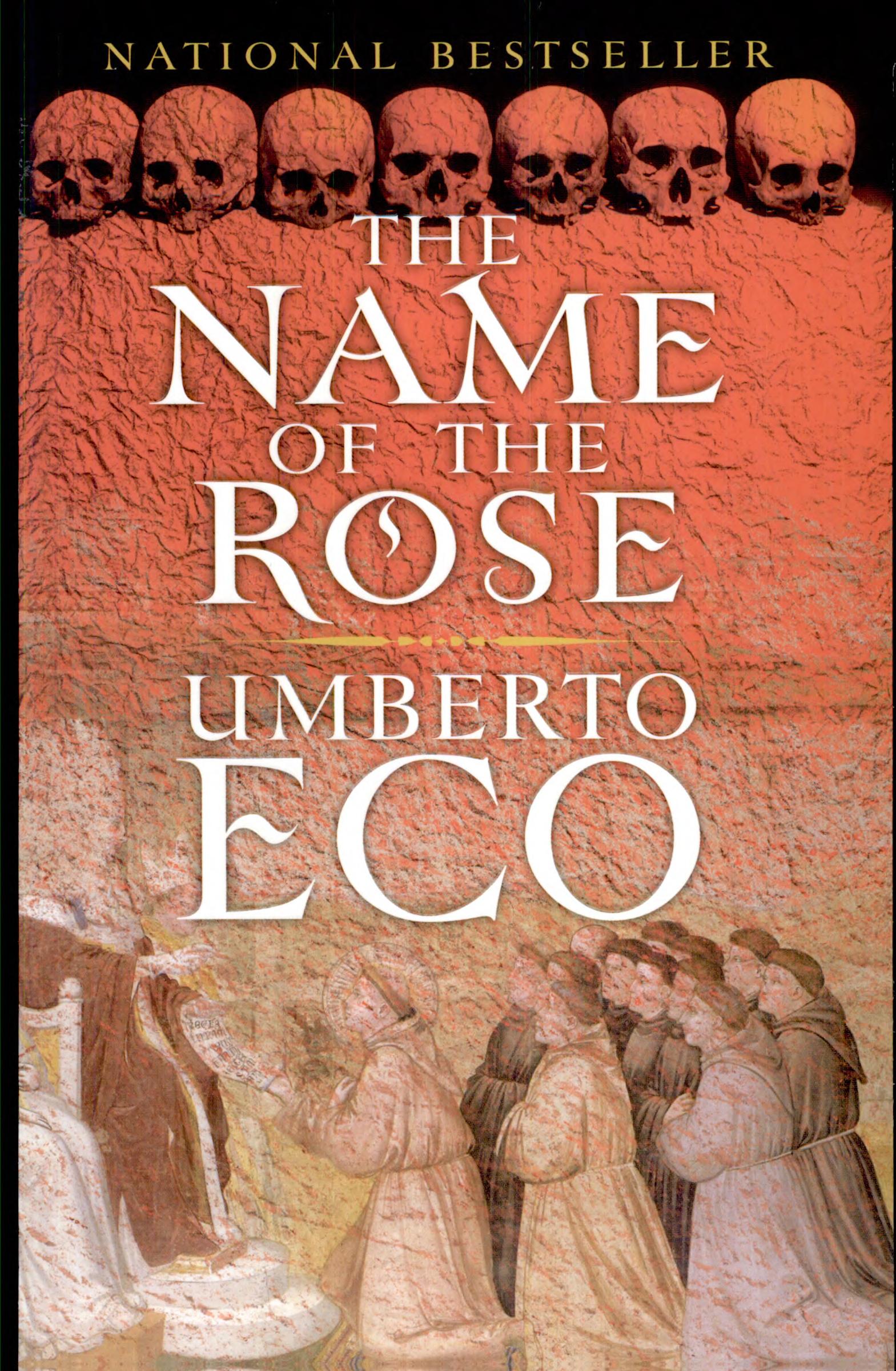
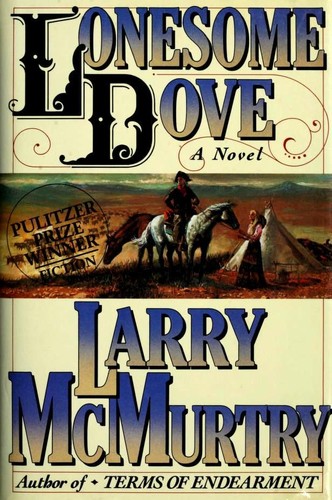
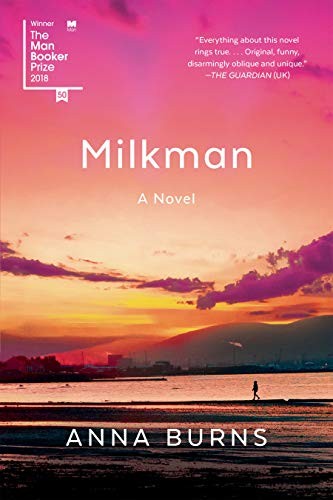
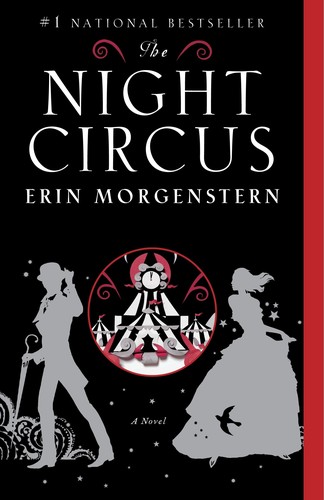
BeartownFredrik BackmanBackman’s fictional Swedish hockey town is the most sociologically complete place on this list: a community whose identity is organized entirely around its junior hockey team, where the team’s success is the town’s belief in its own future, and where everything follows from that central fact — the loyalties, the silences, the specific way the community decides who matters and who doesn’t. When the novel’s central event occurs, the community’s response is determined entirely by what Beartown is: a place where the team comes first, where belonging requires silence, and where the price of speaking is exile from everything that gives life its meaning. You cannot understand the novel without understanding the place. The Shadow of the WindCarlos Ruiz ZafonZafon’s post-Civil War Barcelona is the most atmospherically complete urban place in contemporary fiction: the Raval neighborhood, the Ramblas, the Gothic quarter, each rendered with the specific texture of a city that is still living under the shadow of what happened to it. The Cemetery of Forgotten Books — an impossible place described with complete specificity — is the formal expression of what the whole novel does: builds a world so thoroughly that the impossible feels natural inside it. Readers consistently report missing Barcelona after finishing the novel even if they have never been there, which is the correct response. The Name of the RoseUmberto EcoEco’s medieval Italian abbey is the most architecturally precise place on this list: the library, the scriptorium, the refectory, the church, the kitchen, each built with such specific detail — what it looks like, what it functions as, what the rules are for who can enter and when — that the reader can move through it as a space. The labyrinthine library, organized around a mystery that is also a description of the building’s logic, is the formal achievement: a place that has its own rules and its own secrets, rendered so completely that the mystery cannot be separated from the architecture that contains it. Lonesome DoveLarry McMurtryMcMurtry builds the American West not as a setting but as a physical reality: the specific quality of the Texas heat, the sound of a cattle drive, the way the landscape changes as the drive moves north through Oklahoma and into Montana. Each location along the route is rendered with the specificity of someone who has walked the ground, and the cumulative effect is a sense of vast physical space inhabited by people who are fully inside it rather than moving through it as backdrop. The most geographically ambitious place-building on this list, achieved through the slow accumulation of 950 pages of specific physical detail. MilkmanAnna BurnsBurns’s unnamed Northern Irish community is the most claustrophobic place on this list: a world where every movement is observed, where what you read and where you walk and who you speak to are all legible as political statements, and where the community’s enforcement of its own norms produces a specific kind of suffocating intimacy. The place shapes every sentence: Burns’s prose style — the long, circling sentences that monitor themselves as they go — is the formal expression of living somewhere that watches you constantly. You cannot separate the writing from the world it comes from. The Night CircusErin MorgensternMorgenstern’s circus is the most purely invented place on this list and the most completely realized: a black-and-white tent that arrives without warning, open only at night, with its own specific sensory world — the smell of caramel apples and sawdust and something cold, the specific quality of the light from the bonfire, the ice garden, the tent full of bottled scents from everywhere on earth. Morgenstern describes each tent with the patience of someone who has actually been inside it, which produces the specific effect of genuine immersion: readers finish the novel wanting to return to the circus, which they cannot do, which is the appropriate emotion. Who This Is For
Readers who read for immersion — who want to be fully inside a world rather than observing events from outside it, and who feel the loss of a well-built place when the novel ends. The literary fiction and historical fiction catalogues have more.
Frequently asked questions
Q: Which of these builds its place most quickly for readers who don’t want a slow start?
A: The Night Circus establishes its world within the first chapter and maintains its atmosphere throughout. Beartown builds quickly through its community dynamics. The Shadow of the Wind takes slightly longer but rewards the investment.
Q: Is Milkman’s Northern Ireland accurately rendered?
A: Burns grew up in Belfast during the Troubles and the novel is widely regarded as an accurate rendering of the specific psychological conditions of that time and place. She deliberately avoids naming the location or the period, which is itself a formal choice about how the community experiences its own situation.
Q: Does The Name of the Rose require knowledge of medieval theology to enjoy?
A: No — Eco provides context and the mystery mechanics work independently. More background adds texture; the novel functions fully without specialist knowledge.
Not sure which of these is right for you? The Pagesmith quiz matches you to books based on your mood, pacing preference, and reading goals. Takes two minutes.