Books for Readers Who Loved It Ends With Us
It Ends With Us works because Hoover takes its subject seriously -- domestic abuse as a cycle, not a villain story -- and because Lily's love for Ryle is rendered as real rather than as a mistake she should have seen coming. These five novels share that specific quality: difficult relationships rendered without easy answers.
July 2026 · 5 min read · The Pagesmith
What makes It Ends With Us more than a romance novel is Hoover’s refusal of the easy version: Ryle is not a straightforward villain, Lily’s love for him is not a failure of judgment, and the novel understands the specific difficulty of leaving a situation that is harmful but also real. The books here share that refusal of simplification. They are organized around relationships and situations that are genuinely complicated — where love and harm coexist, where the right decision is clear in retrospect and almost impossible in the moment, and where the reader is given enough of all sides to understand why the characters make the choices they make.
The Books
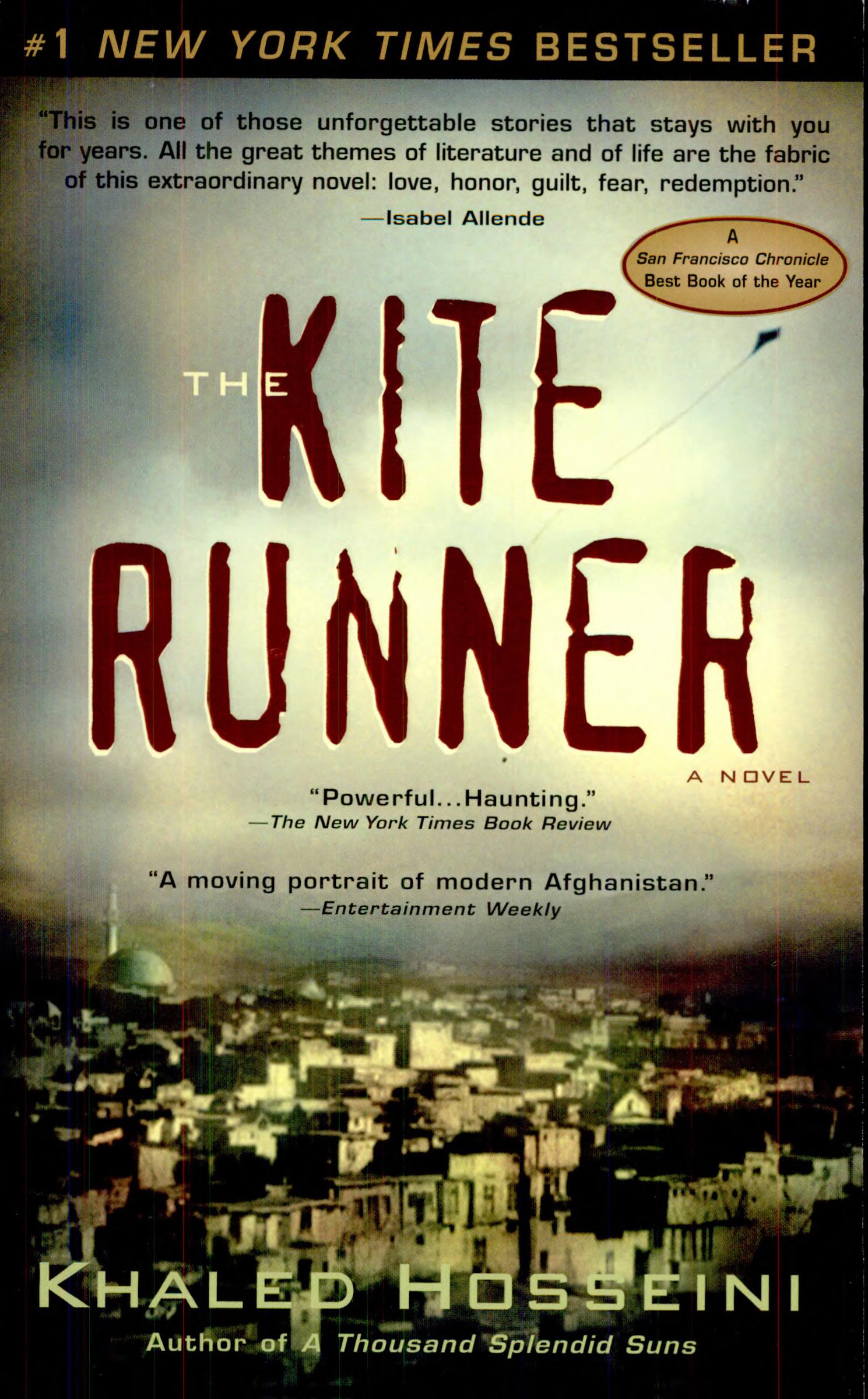
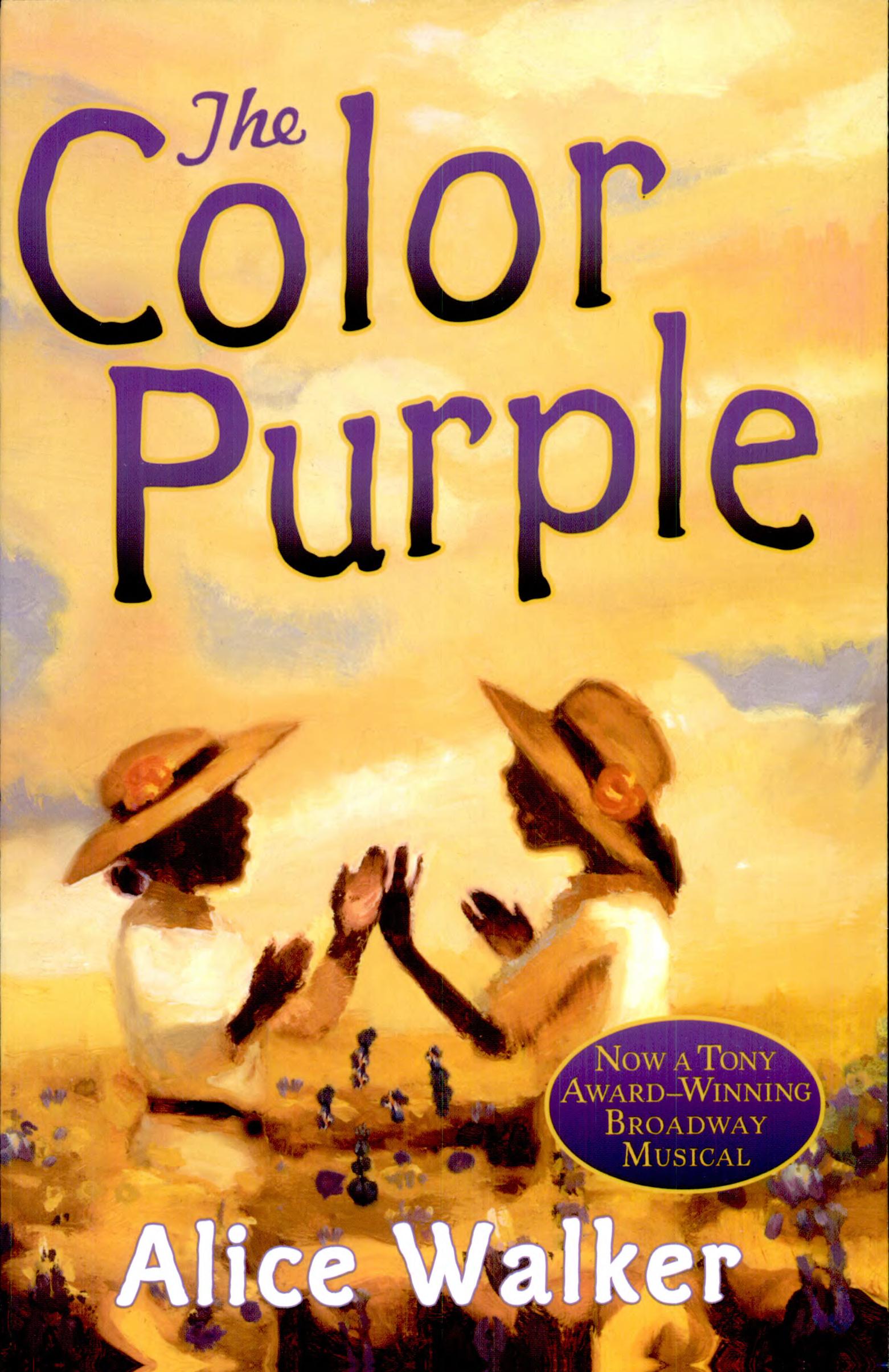
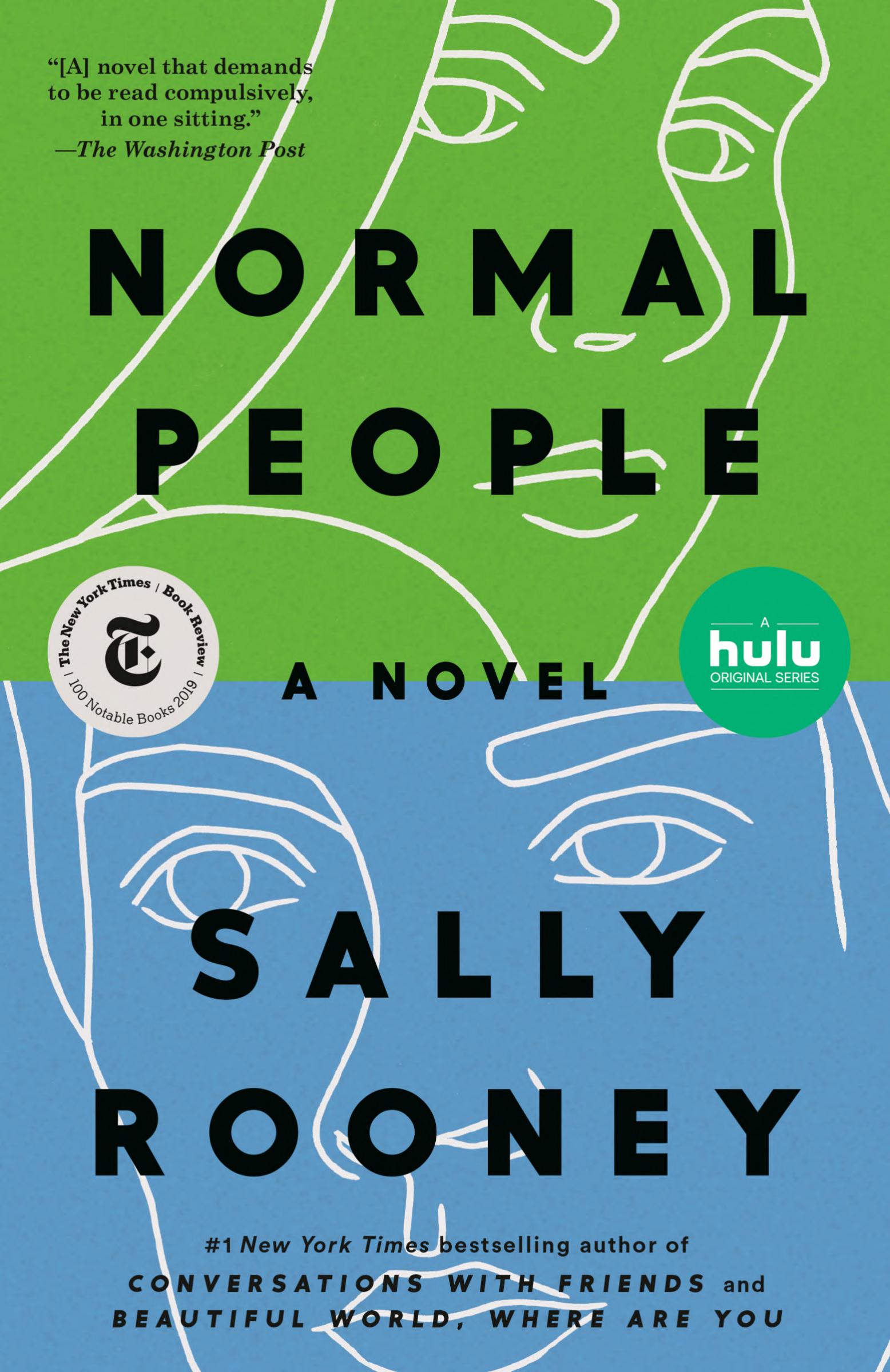
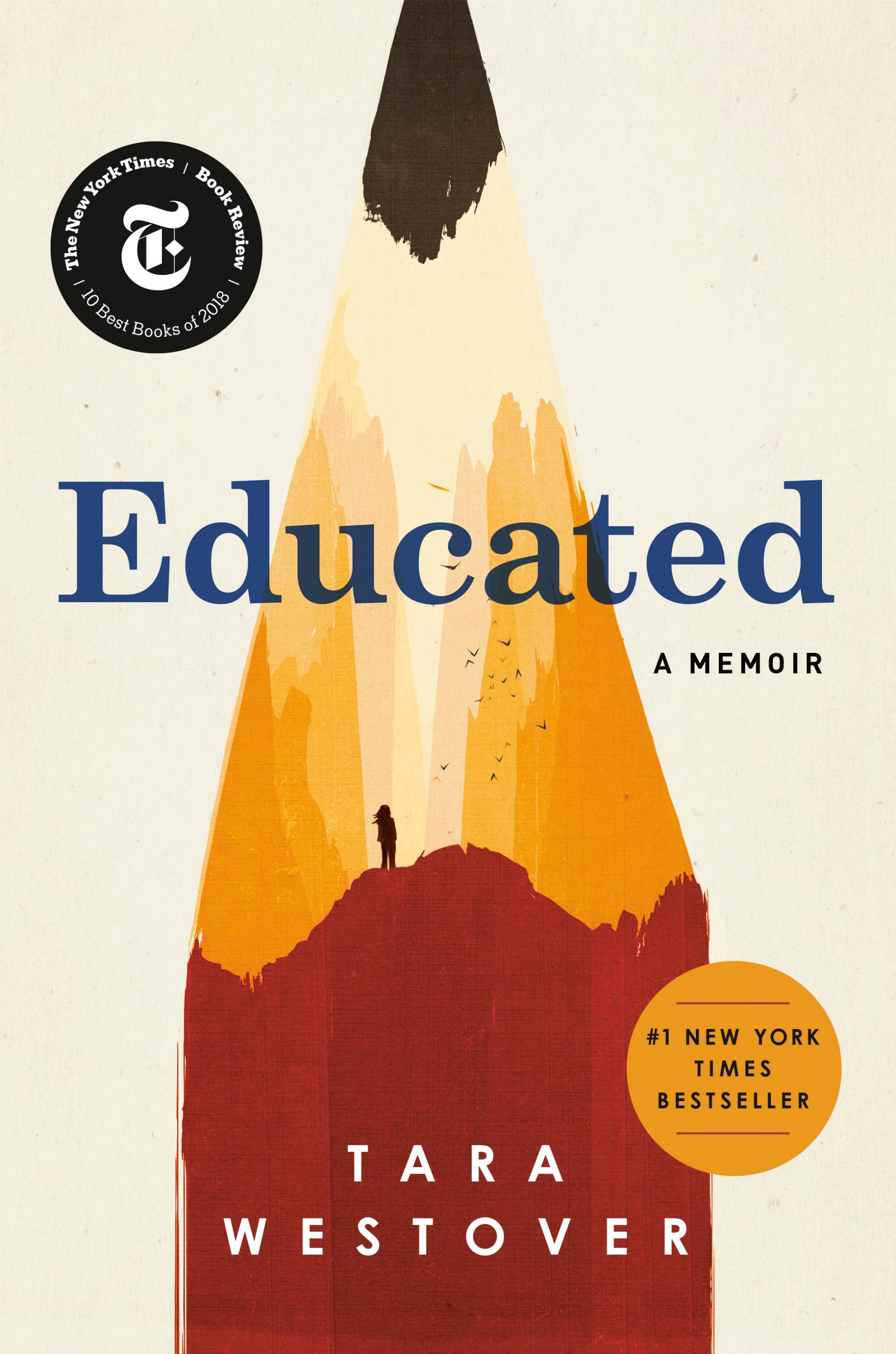
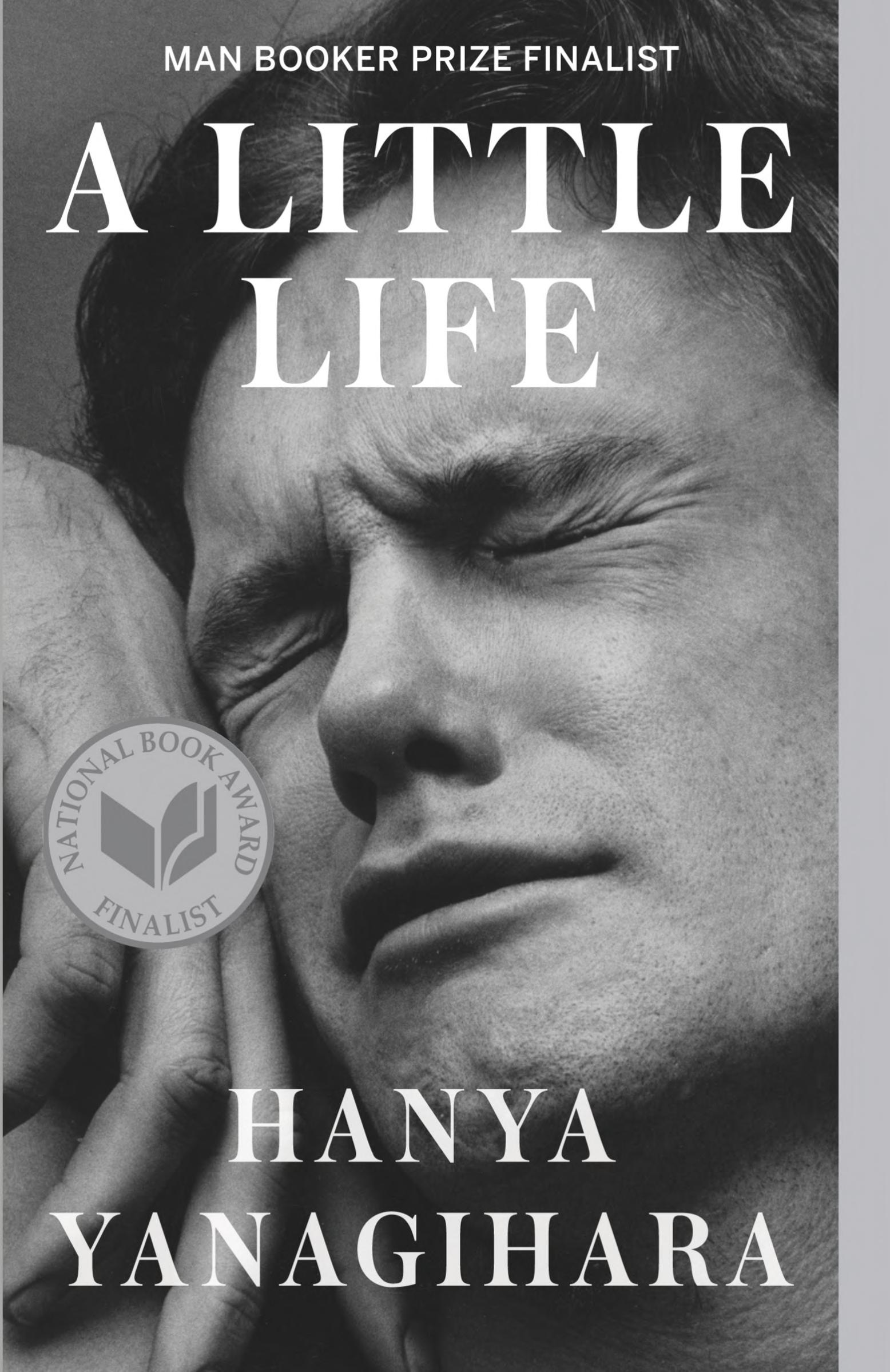
The Kite RunnerKhaled HosseiniHosseini’s novel shares It Ends With Us’s core structure: a relationship defined by love and failure, a wrong thing done by someone the reader understands, and the long arc of what follows. Amir’s failure of Hassan is not rendered as simple cowardice but as the comprehensible choice of a frightened twelve-year-old who loved his friend and could not make himself risk what helping him would have cost. The novel is organized around what Amir does with that failure across decades, which is the same question It Ends With Us asks: what do you do after the thing that cannot be undone? The Color PurpleAlice WalkerWalker’s novel is the most direct companion to It Ends With Us in terms of subject matter: Celie’s survival of sustained abuse, the specific psychology of a woman who has been taught to accept her diminishment, and the process of reclaiming a self that was systematically taken. Walker is as honest as Hoover about the complexity of these situations — the love that coexists with harm, the difficulty of leaving, the specific forms of support that make leaving possible — and the novel’s trajectory from silence to voice is the most fully realized version of the journey Hoover is charting. More demanding than It Ends With Us but organized around the same essential truth. Normal PeopleSally RooneyRooney’s novel shares It Ends With Us’s interest in the specific difficulty of loving someone when the relationship’s power dynamics are unstable. Connell and Marianne’s relationship is not abusive in the way Ryle and Lily’s is, but it is organized around the same pattern of connection and damage and return, and Rooney renders both the love and the difficulty with equal honesty. The novel understands that the people who matter most to you are precisely the people with the most capacity to hurt you, and that this is not a reason not to love them — which is the same difficult truth Hoover is working with. EducatedTara WestoverWestover’s memoir is the real-life version of It Ends With Us’s central question: what does it cost to leave a family that is also the source of harm, and how do you reconcile the love for the people who hurt you with the knowledge of what they did? Westover is as honest as Hoover about the specific difficulty of this reckoning — the pull of family loyalty, the way abuse is normalized within the system that produced it, the enormous personal cost of choosing yourself over the people you love. The most emotionally difficult book on this list and the one that most directly extends Hoover’s subject into real life. A Little LifeHanya YanagiharaThe most demanding book on this list by a significant margin — longer, darker, and more unrelenting than anything Hoover has written — but the right recommendation for It Ends With Us readers who want to understand what serious literary fiction does with the same subject. Yanagihara renders the long-term consequences of childhood abuse with a depth and specificity that no shorter or lighter novel can match, and her portrait of Jude’s relationships — the people who love him, his inability to fully receive that love, the specific way damage shapes how he experiences everything — is the fullest available treatment in fiction of what It Ends With Us is beginning to address. Approach with care; this is a significant undertaking. Who This Is For
Readers who finished It Ends With Us wanting more fiction that takes difficult relationships seriously — that renders complicated love honestly and understands that the hardest situations are never the ones with obvious answers. The contemporary catalogue has more.
Frequently asked questions
Q: Is A Little Life appropriate for all It Ends With Us readers?
A: No. It contains sustained, explicit depictions of childhood sexual abuse and self-harm, and is considerably darker than anything Hoover has written. Readers who found It Ends With Us difficult should start with Normal People or The Color Purple before considering A Little Life.
Q: Is It Ends With Us based on a true story?
A: Hoover has said the novel draws on personal experience in her family, though it is fiction. The emotional accuracy of its portrayal of domestic abuse cycles has been widely noted by readers who have experienced similar situations.
Q: Which of these is closest in tone to Hoover’s writing style?
A: Normal People — contemporary, emotionally direct, organized around a central relationship rendered with full seriousness. Big Little Lies (from the Gone Girl list) is also worth reading after It Ends With Us for its treatment of similar subject matter with more humor.
Not sure which of these is right for you? The Pagesmith quiz matches you to books based on your mood, pacing preference, and reading goals. Takes two minutes.