Books Like A Visit From the Goon Squad
A Visit From the Goon Squad works by treating time as the subject rather than the container: the PowerPoint chapter, the reversals of chronology, the characters encountered at different ages without warning -- all of it is organized around what time actually does to people, which is not what we expect it to do. These five novels share that structural restlessness.
July 2026 · 5 min read · The Pagesmith
A Visit From the Goon Squad is organized around a discovery that most linear fiction avoids: that time is not a neutral container for human stories but an active force that changes people in ways they don’t anticipate and often don’t notice. Egan’s non-linear structure — the fragments, the reversals, the chapter that is a PowerPoint presentation — makes that discovery legible as form rather than just as theme. The novels here share some version of that structural ambition: books that use time, perspective, or narrative structure not as vessels but as arguments about what human experience actually consists of.
The Books
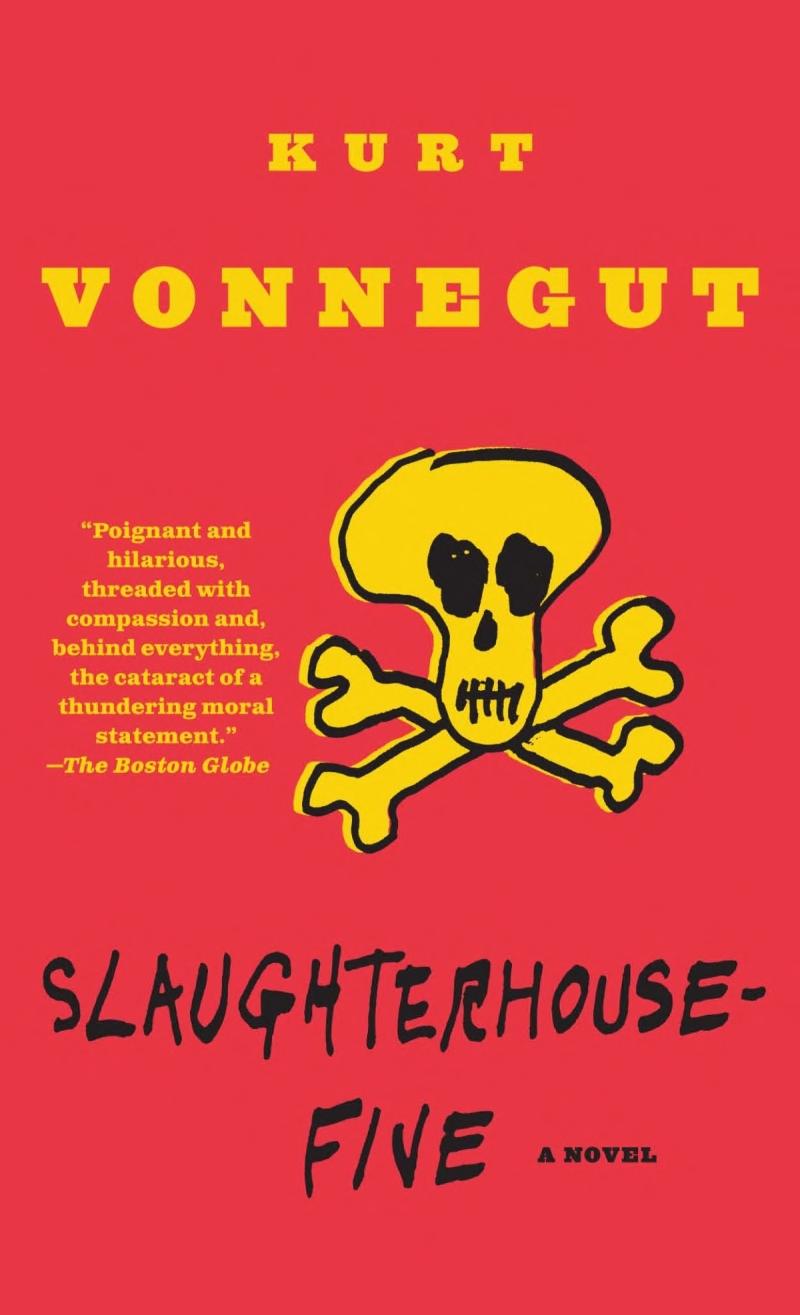
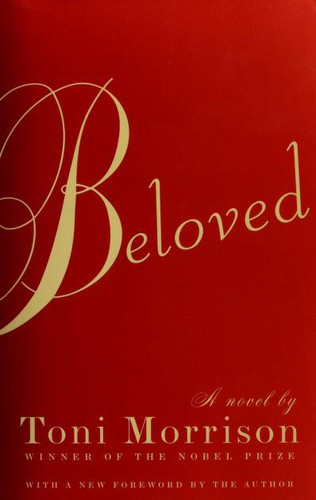
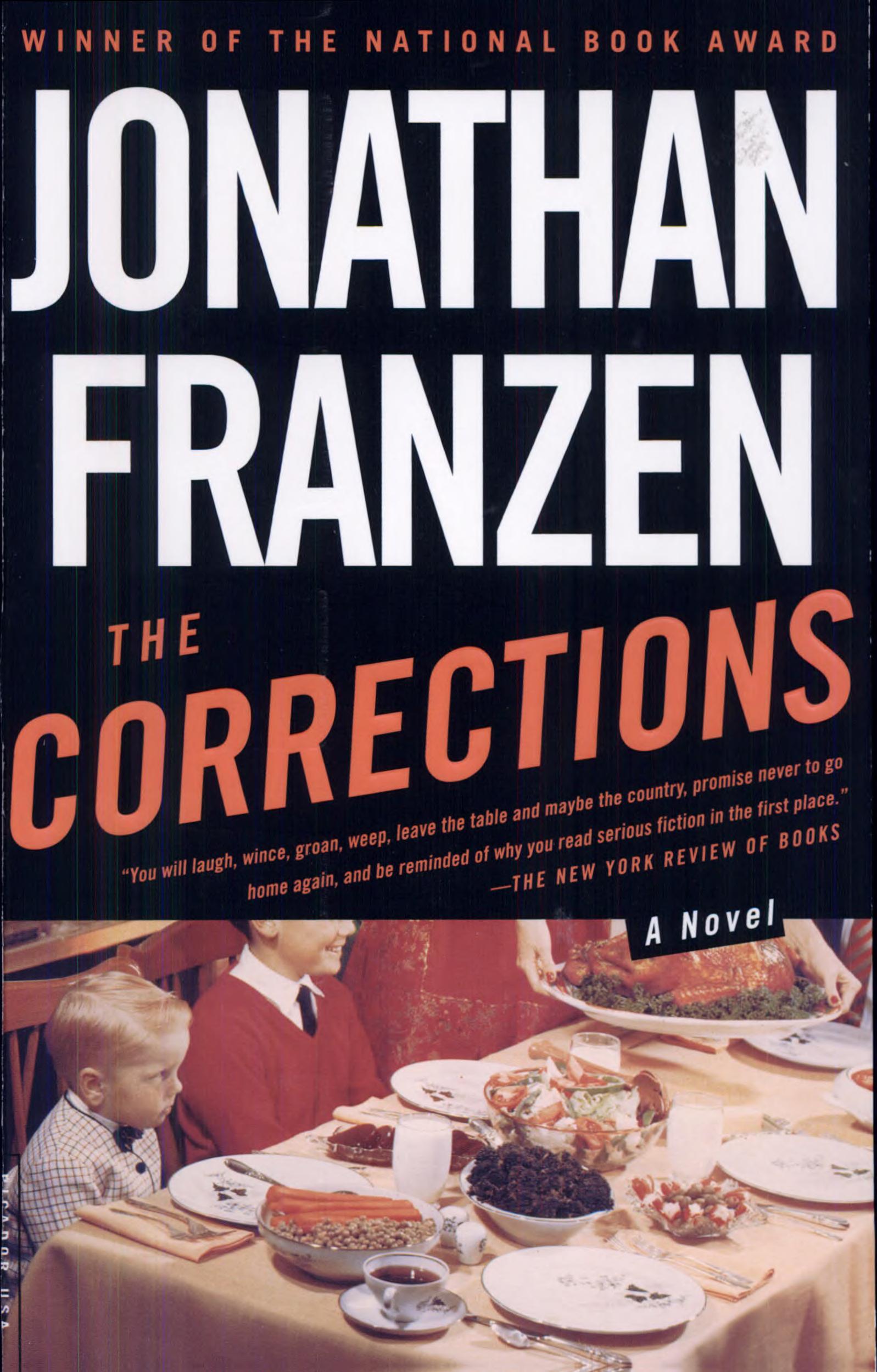
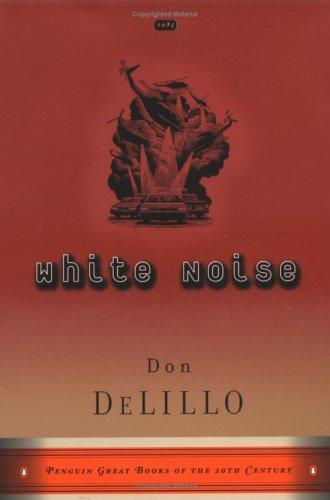
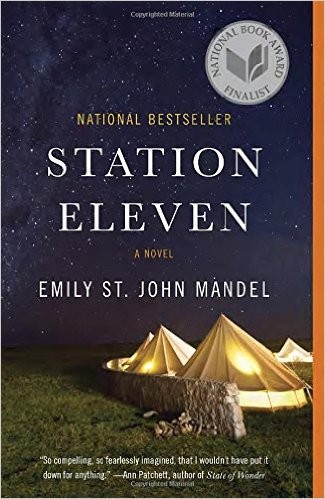
Slaughterhouse-FiveKurt VonnegutVonnegut’s Billy Pilgrim is “unstuck in time” — experiencing the moments of his life in non-chronological order — and the formal device is the same argument Egan makes: that lived time is not sequential, that trauma in particular refuses chronology, and that fiction which renders this honestly will not look like conventional narrative. The Dresden firebombing and Billy’s alien captivity and his suburban optometrist’s life in Ilium occur simultaneously in his experience, which is Vonnegut’s way of saying that the past is never actually past. The funniest novel on this list and the one that uses its formal restlessness most directly as anti-war argument. BelovedToni MorrisonMorrison’s non-linear structure is the most formally justified on this list: Sethe’s past refuses to stay in the past not as a narrative device but as the literal subject of the novel. The haunting is the past’s insistence on the present; the structure enacts what the novel is arguing. Morrison moves between timelines with the same deliberate non-chronology that Egan uses, and for the same reason — the past and present are not separate, and fiction that pretends otherwise is lying about how trauma and memory actually work. The most important novel on this list and the one that takes the structural restlessness most seriously as a formal argument. The CorrectionsJonathan FranzenFranzen’s novel shares Goon Squad’s interest in the ensemble and the passage of time, organized around five members of a family whose chapters reveal different versions of the same past and the same people. The family gathering that anchors the novel is approached from five different temporal and psychological angles, which means each chapter changes what the reader understands about all the others — the same structural game Egan plays with her interconnected characters. The corrections the title refers to are economic and psychological but also narratological: the reader’s understanding keeps being corrected by new information about what has already been described. White NoiseDon DeLilloDeLillo shares Egan’s interest in the texture of American life as it is actually experienced rather than as it is conventionally represented — the brand names, the television, the specific quality of contemporary anxiety as background noise. Where Goon Squad uses music industry as its frame, White Noise uses suburban consumer culture, and both novelists use that frame to make larger arguments about what contemporary American life does to the experience of time, meaning, and death. DeLillo’s fragmented, discursive prose is doing something structurally similar to Egan’s chapter-by-chapter formal experiments: both refuse the convention of smooth, transparent narration in favor of prose that draws attention to itself as a form of argument. Station ElevenEmily St. John MandelMandel’s post-pandemic novel shares Goon Squad’s ensemble structure and non-linear chronology: characters encountered at different points in their lives before and after the collapse, connected through the same web of relationships that Egan traces through the music industry. The famous epigraph — “survival is insufficient” — is the Goon Squad-adjacent argument: that what matters is not simply continuing but what is carried forward, what is preserved, what is allowed to persist through the catastrophe. Both novels are organized around the question of what survives time and what doesn’t, and both use structural fragmentation to enact that question at the level of form. Who This Is For
Readers who finished A Visit From the Goon Squad wanting more fiction that uses structure as argument — where the form is not a neutral container but part of what the novel is saying. The literary fiction catalogue has more.
Frequently asked questions
Q: Is A Visit From the Goon Squad a novel or a short story collection?
A: Technically a linked short story collection, though Egan calls it a novel and it functions as one: the same characters appear across multiple chapters at different points in their lives, and the full picture only emerges across all thirteen chapters. The distinction matters less than recognizing that the non-linear, multi-perspective structure is the point.
Q: Which of these is most accessible for readers new to formally experimental fiction?
A: Station Eleven — it is non-linear but not disorienting, and Mandel provides enough context at each temporal shift that the reader can orient themselves quickly. Slaughterhouse-Five is the funniest and shortest entry point. The Corrections is the most conventionally novelistic.
Q: Is the PowerPoint chapter in Goon Squad really as good as people say?
A: Yes. It is a genuine formal achievement: a chapter written entirely in PowerPoint slides that is simultaneously a twelve-year-old’s way of processing her family’s emotional dynamics and a structural argument about how data visualization changes what we can say about human experience. It reads in about fifteen minutes and is unlike anything else in contemporary fiction.
Not sure which of these is right for you? The Pagesmith quiz matches you to books based on your mood, pacing preference, and reading goals. Takes two minutes.