What to Read in Your Forties
The forties are when the longer view becomes available. You can see far enough back to understand the shape of what you've built, and far enough forward to understand what is actually coming. The books for this decade are not about discovery -- they are about reckoning, revision, and the specific quality of attention that comes with having enough life behind you to read with.
July 2026 · 5 min read · The Pagesmith
The forties produce a specific kind of reader: someone who has lived enough to recognize what fiction is describing, and who is old enough to read about mortality and legacy and the long-term consequences of choices without those subjects feeling abstract. The books for this decade are not about figuring out who you are — that work continues but is no longer the primary project. They are about understanding what you have built, what you have inherited, what you owe, and what is actually important given the time that remains.
The Books
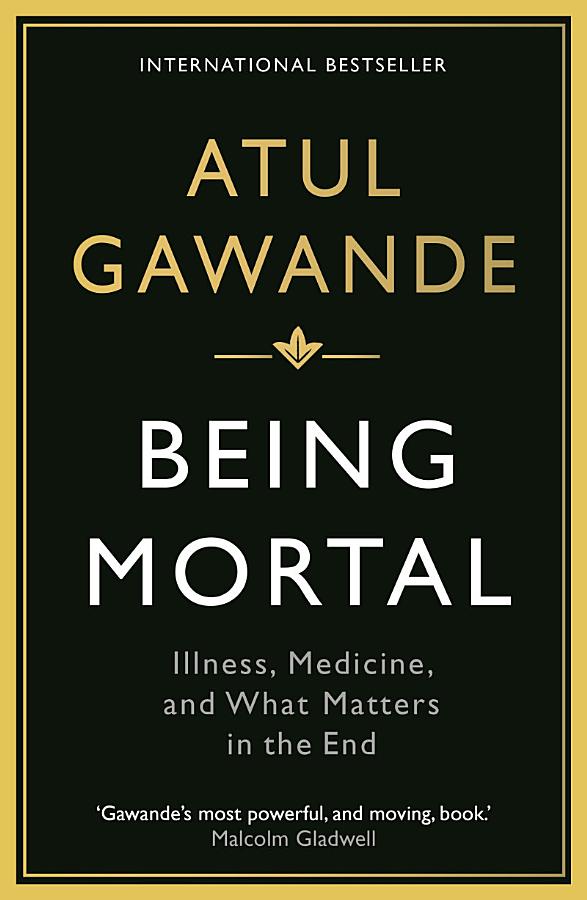
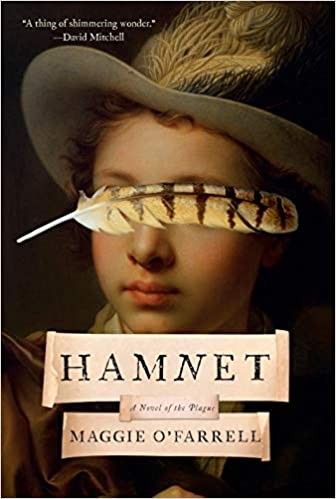
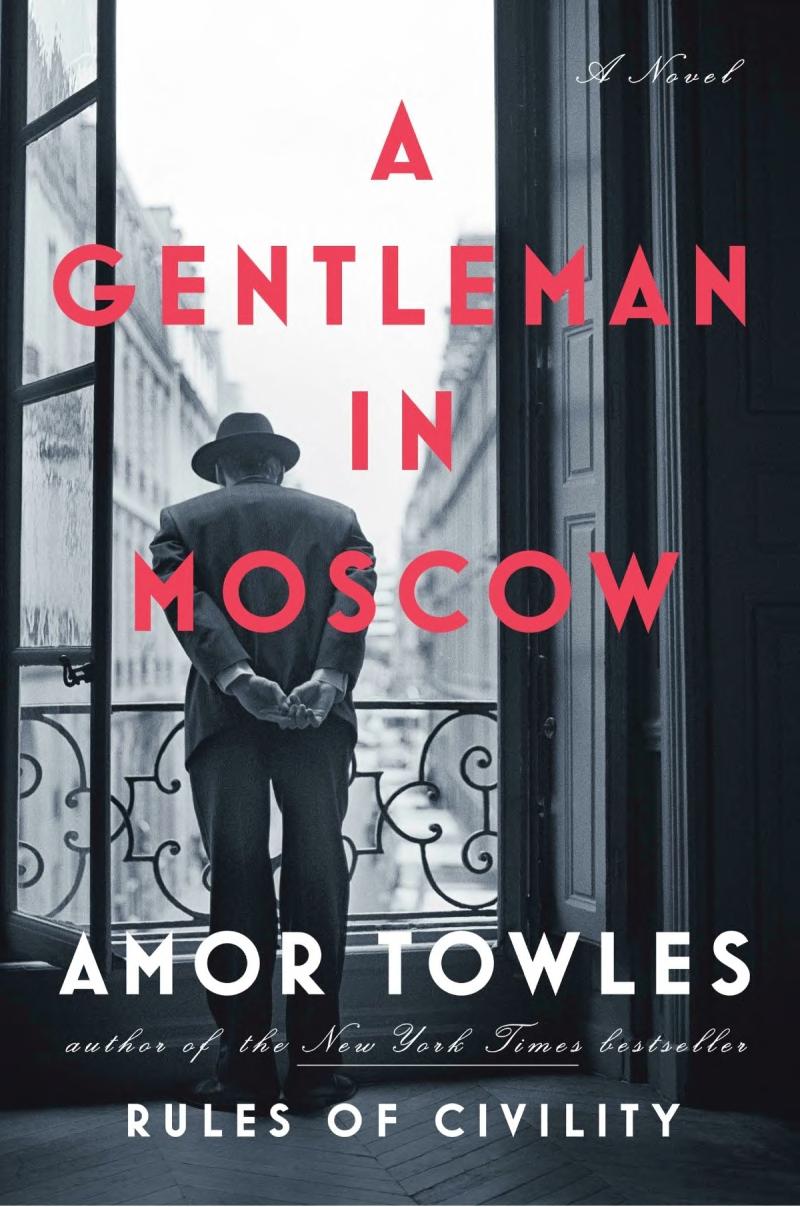
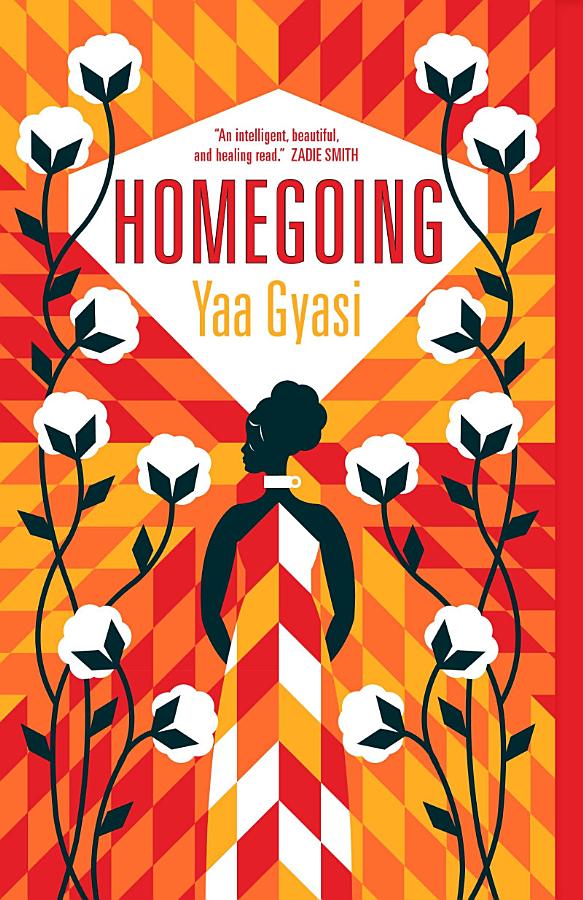
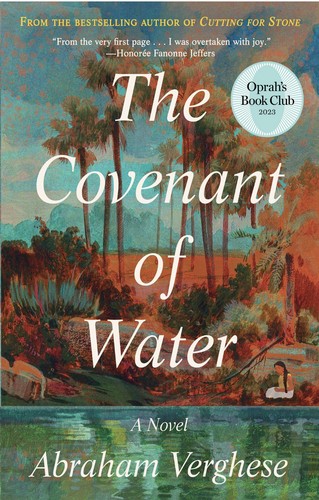
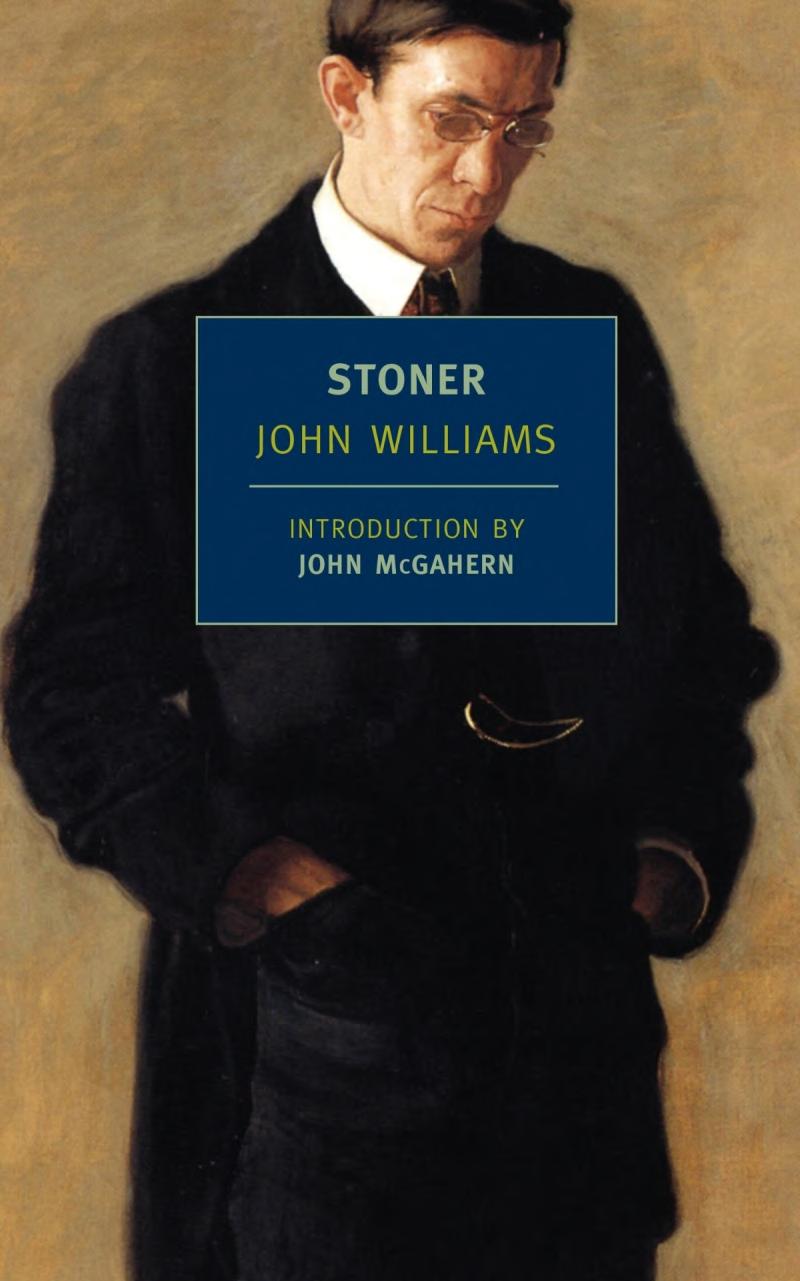
Being MortalAtul GawandeThe forties are when mortality stops being theoretical: parents begin to age seriously, and the question of what a good end of life looks like becomes practical rather than abstract. Gawande’s book is the most useful available preparation for the conversations and decisions that the next decades will require — about what your parents want, about what you want for yourself, about what the medical system offers and what it actually produces. Reading it at forty rather than at sixty is an act of genuine foresight. The most practically important book on this list. HamnetMaggie O’FarrellO’Farrell’s novel about the death of Shakespeare’s son belongs to the forties because it is specifically about parental grief — the loss of a child, which requires having had a child, and the specific way a marriage absorbs or fails to absorb that loss. Agnes’s grief and her husband’s sublimation of his grief into the plays are rendered with the kind of precision that can only be fully felt by readers who understand from the inside what a child means to a parent. Not inaccessible to younger readers, but experienced differently — and more completely — by readers who have become parents themselves. A Gentleman in MoscowAmor TowlesTowles’s novel is about the specific wisdom available inside constraints — a man under house arrest in a hotel who finds that the limits imposed on him do not diminish the quality of his life but redirect it toward what actually matters. This is a specifically middle-aged insight: the forties are often when the constraints of the life you’ve built become fully visible, and the question of what to do with them (fight, accept, redirect) becomes urgent. Rostov’s answer — to find abundance inside the available frame — is more useful than it sounds, and more difficult to achieve than Towles makes it look. HomegoingYaa GyasiThe forties are when inheritance becomes fully visible in both directions: you can see clearly what you received from the generation before you and you are beginning to understand what you are passing on to the generation after. Gyasi’s eight-generation saga makes that transmission legible at historical scale, which allows the reader to see their own position in the chain with unusual clarity. Reading Homegoing in your forties is reading it at the moment when you are inside the middle of the transmission — receiving and passing on simultaneously — which is exactly when the novel’s argument lands most completely. The Covenant of WaterAbraham VergheseVerghese’s three-generation Kerala saga is specifically organized around the questions the forties force: what do we owe to the people who came before us, what have we inherited that we did not choose, and what does it mean to live a life that will be one link in a longer chain? The novel spans from 1900 to 1977 and renders the transitions of that period through the specific experiences of three generations of a family, which means it is available to the forties reader as both history and mirror: the middle generation in the novel is doing what the forties reader is doing. StonerJohn WilliamsRead Stoner in your forties and it reads completely differently than it does at twenty-five. Williams renders a life from inside with the full knowledge of its end already present, which means the reader at forty is old enough to feel the weight of each period of Stoner’s life as something more than narrative — to feel time passing in the novel as something that resembles time passing in their own life. The question the novel asks — was this enough, was this the right way to live, and does the answer change anything — is most pressing when the reader is old enough that some version of the same question has become their own. Who This Is For
Readers in their forties who want fiction that understands the decade’s specific perspective, and readers past their forties who want to revisit it. The literary fiction catalogue has more.
Frequently asked questions
Q: Is Being Mortal appropriate for readers whose parents are still healthy?
A: This is precisely when to read it. Gawande’s argument is that these conversations need to happen before the crisis, not during it — that knowing what your parents want for their end-of-life care before they need it produces completely different outcomes than trying to figure it out under pressure. Reading it at forty, with healthy parents, is the ideal moment.
Q: Does Stoner work as well for readers who are not academic or literary?
A: Yes — the academic setting is incidental to the novel’s subject, which is a life organized around something you love in the face of everything that makes that difficult. The specific thing Stoner loves is literature, but the experience Williams is rendering is not specific to academics.
Q: What comes after the forties list?
A: The books that most readers in their fifties and sixties return to repeatedly tend to be the great long novels — Middlemarch, War and Peace, East of Eden — read with the patience and perspective that earlier decades didn’t always permit.
Not sure which of these is right for you? The Pagesmith quiz matches you to books based on your mood, pacing preference, and reading goals. Takes two minutes.