Best Books for Reluctant Readers
The best book for a reluctant reader is not the easiest one. It is the one that makes the person forget they were reluctant -- that pulls them in quickly enough and rewards them consistently enough that reading stops feeling like effort. These six do exactly that.
July 2026 · 5 min read · The Pagesmith
The mistake most people make when recommending books to reluctant readers is recommending something they think the person should read rather than something that will actually pull them in. A book for a reluctant reader needs to do two things quickly: establish a character the reader genuinely wants to spend time with, and create enough forward momentum that putting the book down feels like a loss rather than a relief. These six novels do both. They are not shallow — several of them are among the most emotionally substantial books on this site — but they are generous with their pleasures, which is what a reluctant reader needs before they are convinced that reading is worth the investment.
The Books
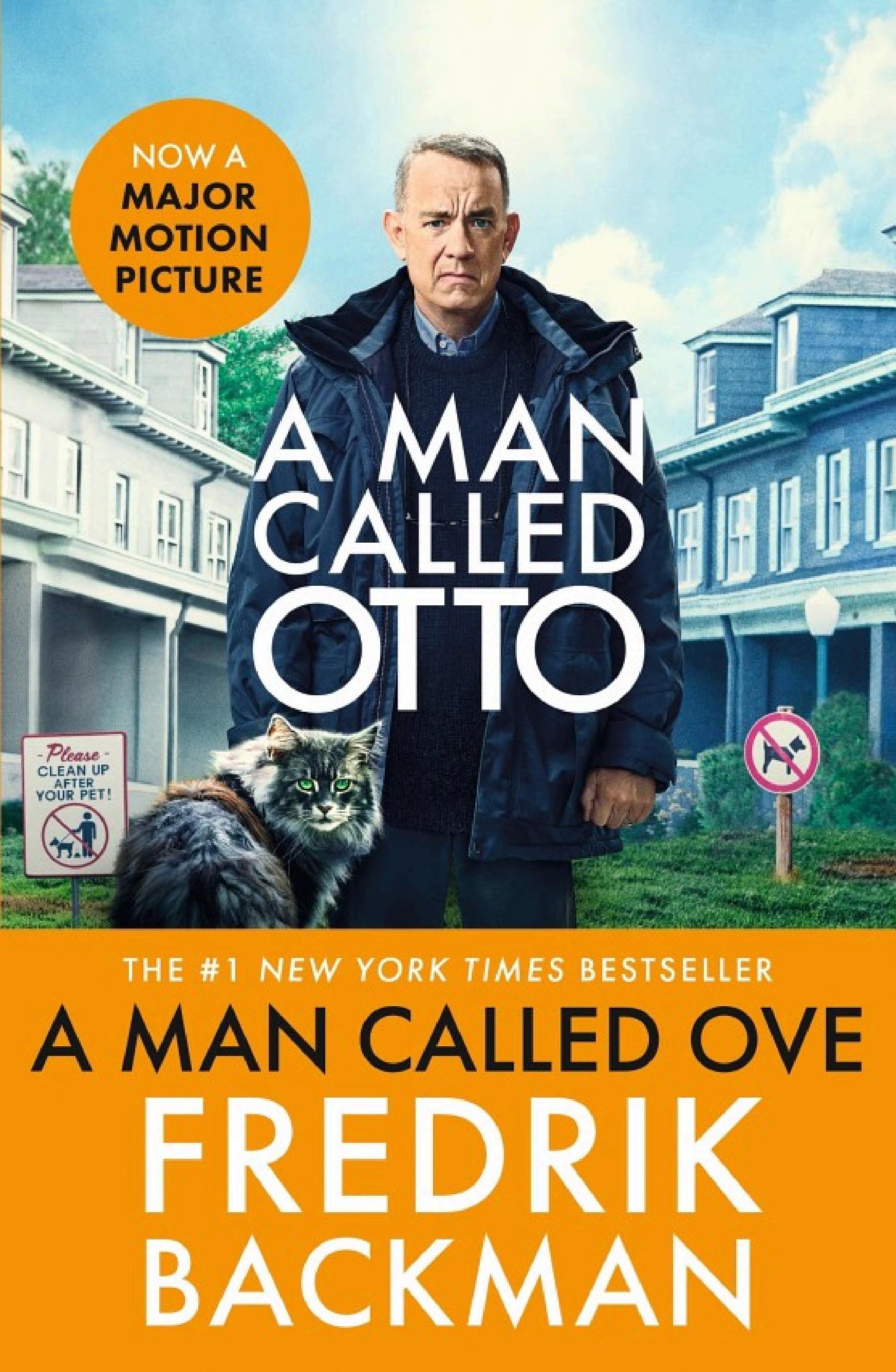
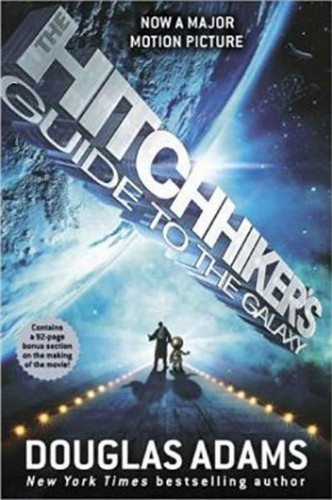
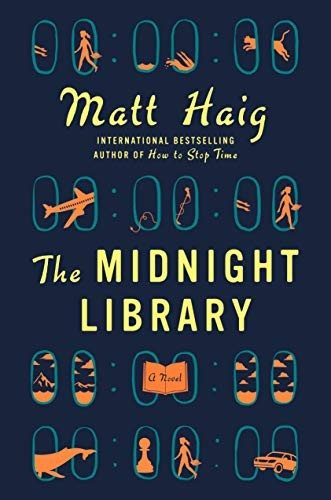
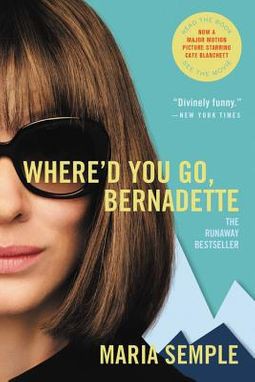
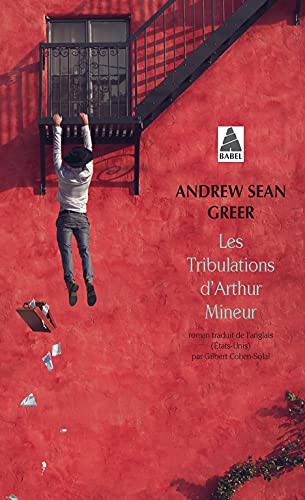
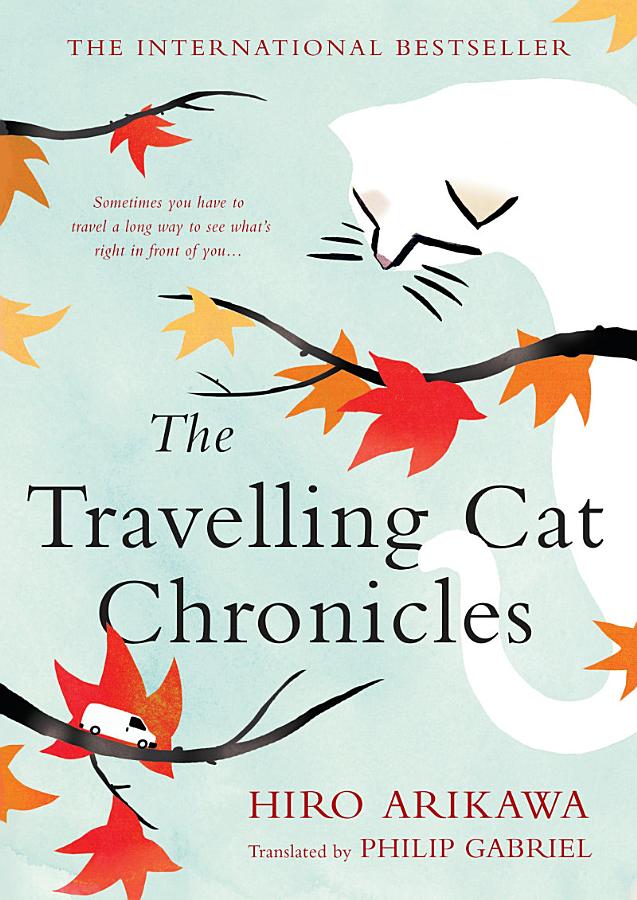
A Man Called OveFredrik BackmanThe single best recommendation for a reluctant reader on this list: Backman establishes Ove within three pages (grumpy, precise, impossible, hilarious) and makes the reader want to spend time with him immediately. The novel is short, the chapters are brief, and the emotional payoff is earned without manipulation. Most reluctant readers who start it finish it in a weekend and immediately ask for the next Backman. It is the gateway novel that converts more non-readers into readers than almost any other book on the market. The Hitchhiker’s Guide to the GalaxyDouglas AdamsAdams’s novel is the solution for reluctant readers who specifically resist fiction because they find it serious and slow. Nothing about The Hitchhiker’s Guide is serious or slow: the Earth is demolished in the first chapter to make way for a hyperspace bypass, and Adams maintains that pace of absurdist invention for the entire novel. It is also, beneath the comedy, a precise satirical argument about technology and the questions we ask of it — which means it respects the reader’s intelligence while making absolutely no demands on their patience. The Midnight LibraryMatt HaigHaig’s premise — a library between life and death containing every book representing a life you could have lived — is the ideal reluctant reader hook because it is immediately comprehensible, immediately compelling, and organized around a universal human question: what if I had made different choices? The novel moves quickly through its different possible lives and never asks the reader to sit in difficulty for very long before moving to the next possibility. It is also genuinely hopeful in a way that feels earned, which is the emotional experience that turns reluctant readers into people who want more. Where’d You Go, BernadetteMaria SempleSemple’s epistolary novel — assembled from emails, school documents, and TED Talks by Bernadette’s teenage daughter trying to understand what happened to her mother — is the right choice for reluctant readers who consume a lot of digital content but resist books. The format mimics the fragmented reading experience they’re already used to; each document is short and self-contained; and the mystery of Bernadette’s disappearance creates enough forward momentum that the reader is compelled to keep going. Funnier than it has any right to be and more moving than it initially appears. LessAndrew Sean GreerGreer’s Pulitzer winner works for reluctant readers because it is relentlessly funny in the early chapters — Arthur Less blundering through a global journey of literary events while avoiding his ex-boyfriend’s wedding — and earns its emotional depth gradually enough that the reader is already invested before the more serious material arrives. It is also short and quick-paced for a Pulitzer winner, which matters for readers who are not yet confident in their staying power. The right recommendation for reluctant readers who are not interested in comedy as a genre but would respond to a very funny book. The Travelling Cat ChroniclesHiro ArikawaArikawa’s novel narrated partly from a cat’s perspective is the right choice for reluctant readers who specifically avoid books because they find them emotionally demanding. The cat’s deadpan observations about human behavior are consistently funny; the episodic structure (each chapter a visit to a different friend) means the novel can be read in sections without losing coherence; and the emotional weight arrives gradually enough that the reader is never ambushed. It is also short. Most reluctant readers who try it finish it and then need to sit quietly for a few minutes, which is the experience that converts them. Who This Is For
People who want to read more but keep bouncing off books, and readers who want to give a book to someone who claims not to enjoy reading. The contemporary catalogue has more in this direction.
Frequently asked questions
Q: Which of these is best as a gift for someone who really doesn’t read?
A: A Man Called Ove has the highest conversion rate — it works across the widest range of readers and produces the most consistent response. The Travelling Cat Chronicles is the right choice if you know the person likes animals or responds to quiet emotional depth over comedy.
Q: Is The Hitchhiker’s Guide too dated for modern readers?
A: Adams published it in 1979 and some of the cultural references are dated, but the comedy and the central satirical argument about technology and the questions we ask of it are entirely contemporary. Most readers find the datedness part of its charm.
Q: What should a reluctant reader try after finishing one of these?
A: Stay with the same author first — Backman’s Anxious People after Ove, Haig’s Reasons to Stay Alive after The Midnight Library. The relationship with an author’s voice is what converts a successful single reading experience into a reading habit.
Not sure which of these is right for you? The Pagesmith quiz matches you to books based on your mood, pacing preference, and reading goals. Takes two minutes.