Books for Readers Who Want to Fall in Love With Sentences
Most books are experienced as story. A few are experienced as language -- where the sentence itself is the event, where you slow down not because the plot demands it but because the words are too good to move through quickly. These six will make you stop mid-page and read something aloud.
July 2026 · 5 min read · The Pagesmith
There is a specific reading experience that only great prose can produce: the involuntary pause, the re-reading of a sentence that has no narrative reason to be read except that it is too good to pass through only once. It happens in Toni Morrison when a sentence achieves something so compressed and so precise that you have to stop and understand how it did that. It happens in Arundhati Roy when a phrase does something with syntax that makes the thing being described feel newly visible. These six novels are organized around that experience — books where the story is excellent and the prose is the reason.
The Books
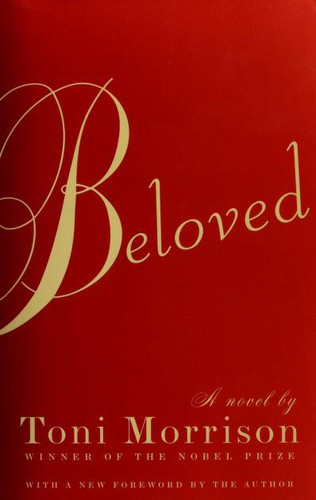
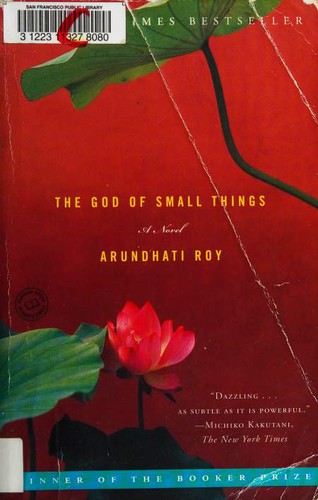
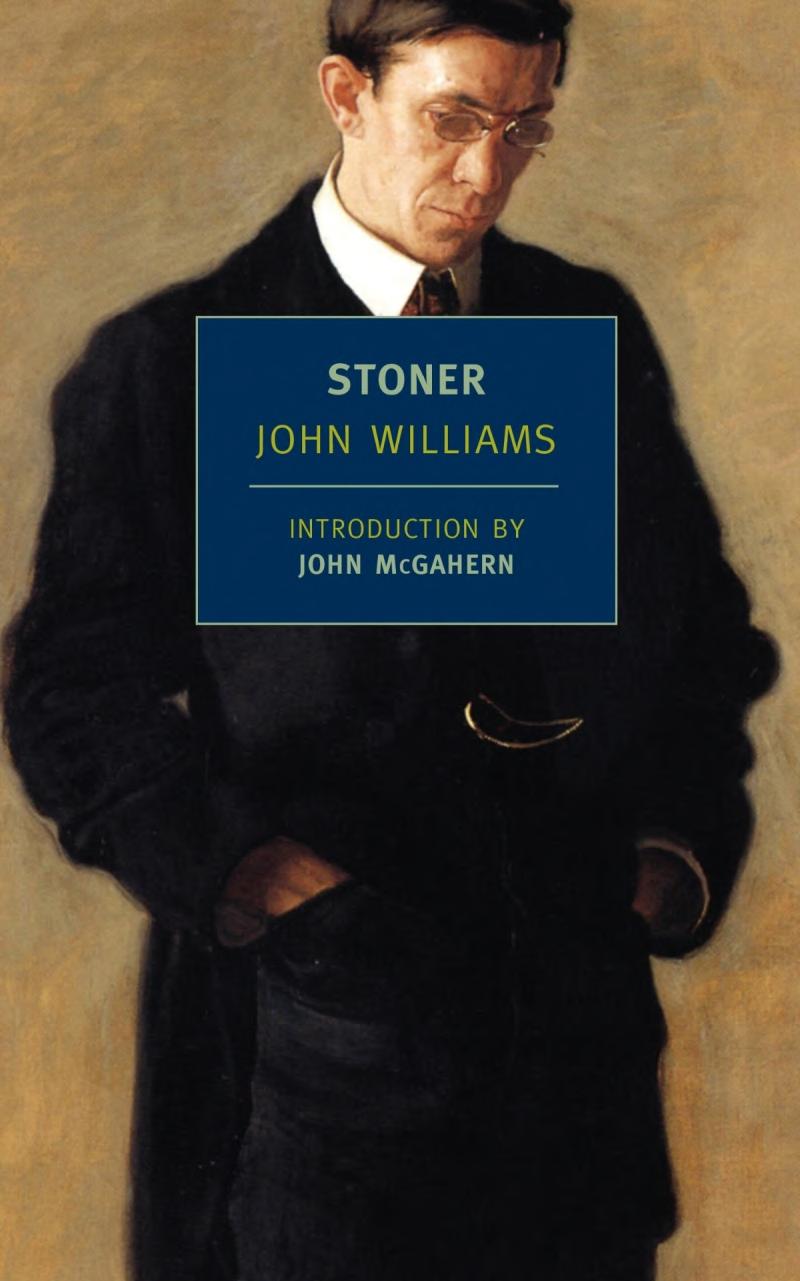
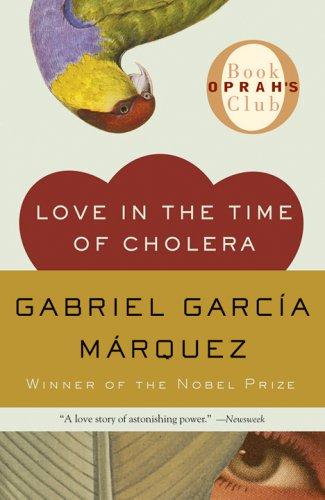
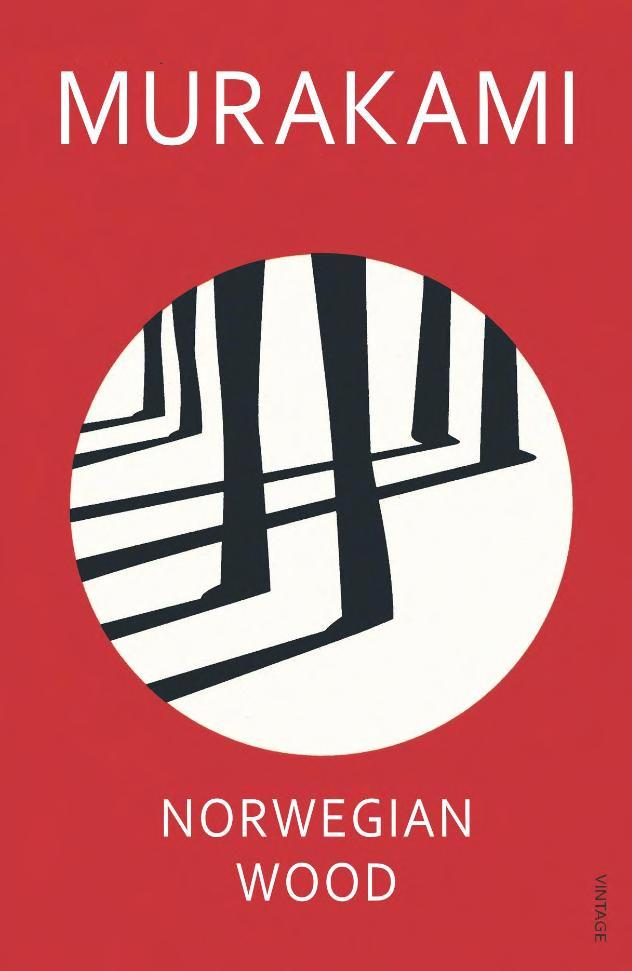
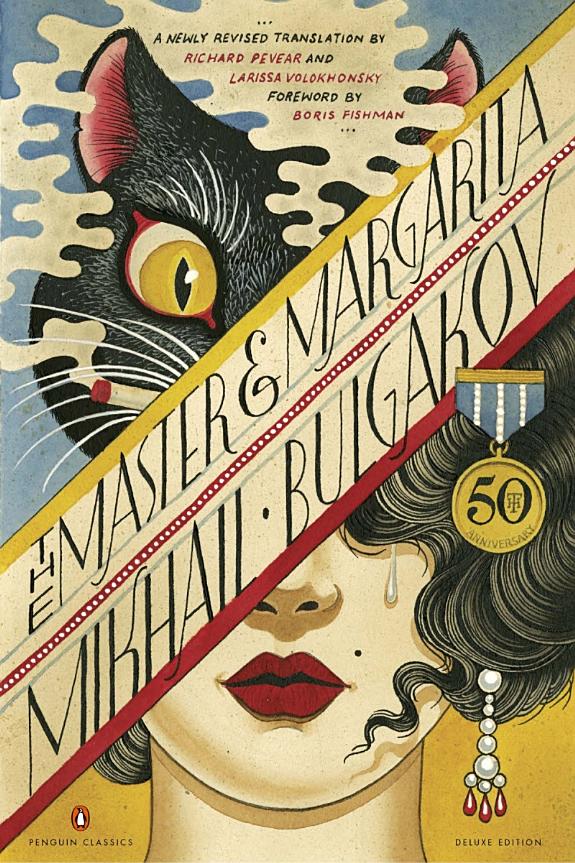
BelovedToni MorrisonMorrison is the standard against which American prose is measured, and Beloved is her most concentrated achievement: sentences that carry more weight than their length should permit, a syntax that bends under the pressure of what it’s trying to say and becomes more expressive for the bending. Morrison described her approach as writing the way Black people talk — not the grammatical surface but the underlying music — and the result is prose that sounds different from anyone else’s and sees differently because of how it sounds. The most important novel on this list for readers who want to understand what literary prose can do at its absolute peak. The God of Small ThingsArundhati RoyRoy’s debut is the most formally inventive prose on this list: she capitalizes words to give them weight, invents compound words that capture feelings English doesn’t have names for, and uses repetition not as a failure of editing but as a musical device that accumulates meaning across the novel’s structure. Reading The God of Small Things for the first time is genuinely disorienting — the syntax is doing things you have not seen prose do before — and then, once you adjust, deeply pleasurable. The novel that most visibly rewards the reader who slows down and attends to the language rather than moving through it toward the plot. StonerJohn WilliamsWilliams’s prose is the opposite of Morrison’s and Roy’s in method but equivalent in quality: plain, unhurried, classical, the kind of writing so precisely calibrated that no word is wasted and no sentence is wrong. The simplicity is the achievement — it takes more skill to write a perfectly plain sentence than to write an ornate one — and Williams’s plainness produces a cumulative effect across Stoner’s life that is as powerful as any more obviously virtuosic style. The right recommendation for readers who associate beautiful prose with complexity and want to discover what restraint can do when exercised with complete control. Love in the Time of CholeraGabriel Garcia MarquezGarcia Marquez’s prose in translation is the most sensory available in literary fiction: the smell of almonds, the heat of the Caribbean afternoon, the specific textures of Fermina’s household described with patient accumulating detail. Reading Garcia Marquez teaches the reader to slow down because rushing past his sentences means missing what they are actually doing, which is not conveying information but producing sensation. The most pleasurable purely sensory prose experience on this list. Norwegian WoodHaruki MurakamiMurakami’s most straightforwardly literary novel is the best demonstration of what his prose does at its most controlled: a cool, melancholic precision that makes the reader feel both the beauty and the loss of everything being described simultaneously. The sentences are deceptively simple, which is his specific achievement: they sound plain and produce effects that are anything but. The right starting point for Murakami readers and a useful companion to Garcia Marquez for understanding how two completely different prose styles can achieve similar emotional effects. The Master and MargaritaMikhail BulgakovBulgakov’s prose achieves something distinctive: comedy and beauty and darkness occupying the same sentence simultaneously, the satirical and the lyrical running together without either diminishing the other. The Moscow chapters are deadpan comedy; the Jerusalem chapters are austere and grave; the passages involving Margarita’s flight over Moscow are genuinely ecstatic — and Bulgakov moves between these registers with the ease of a writer who has complete control over his instrument. The most formally ambitious prose on this list in terms of tonal range. Who This Is For
Readers who want to be stopped by sentences — who read for language as well as story, or who want to develop that capacity. The literary fiction catalogue has more.
Frequently asked questions
Q: Is The God of Small Things difficult to follow because of its prose style?
A: The syntax requires adjustment in the first chapter, and the non-linear chronology adds another layer of initial difficulty. Most readers find both become natural quickly, and that the same qualities that made the opening disorienting become the source of the novel’s specific pleasures.
Q: Which translation of The Master and Margarita is best?
A: The Pevear and Volokhonsky translation (2016) is generally considered most faithful to Bulgakov’s tonal range. The Glenny translation has devotees for its readability. Both are excellent.
Q: Is Stoner’s prose really that good if it’s plain?
A: Plainness at Williams’s level is not simplicity — it is the complete elimination of everything not doing necessary work, which is the hardest thing to achieve in prose. The effect accumulates slowly and becomes most visible in the novel’s final pages, which are among the most affecting in American fiction written in a style that appears to be doing nothing at all.
Not sure which of these is right for you? The Pagesmith quiz matches you to books based on your mood, pacing preference, and reading goals. Takes two minutes.