Books Like Homegoing for Readers Who Want the Long Arc of History
Homegoing works because Yaa Gyasi understands that some subjects can only be told across generations -- that what slavery and colonialism did to people cannot be shown in a single life, only in the accumulation of lives shaped by what came before. These five books share that structural understanding.
July 2026 · 5 min read · The Pagesmith
The specific ambition of Homegoing is structural: Gyasi understood that the argument she wanted to make about slavery and its long aftermath required eight generations to be visible as argument rather than as individual tragedy. Any single life in that chain could be read as misfortune; all eight lives together become the demonstration of a system. The novels here share that structural insight — each one organized around the understanding that some historical truths are only legible across a span of time that exceeds any single person’s experience of it.
The Books
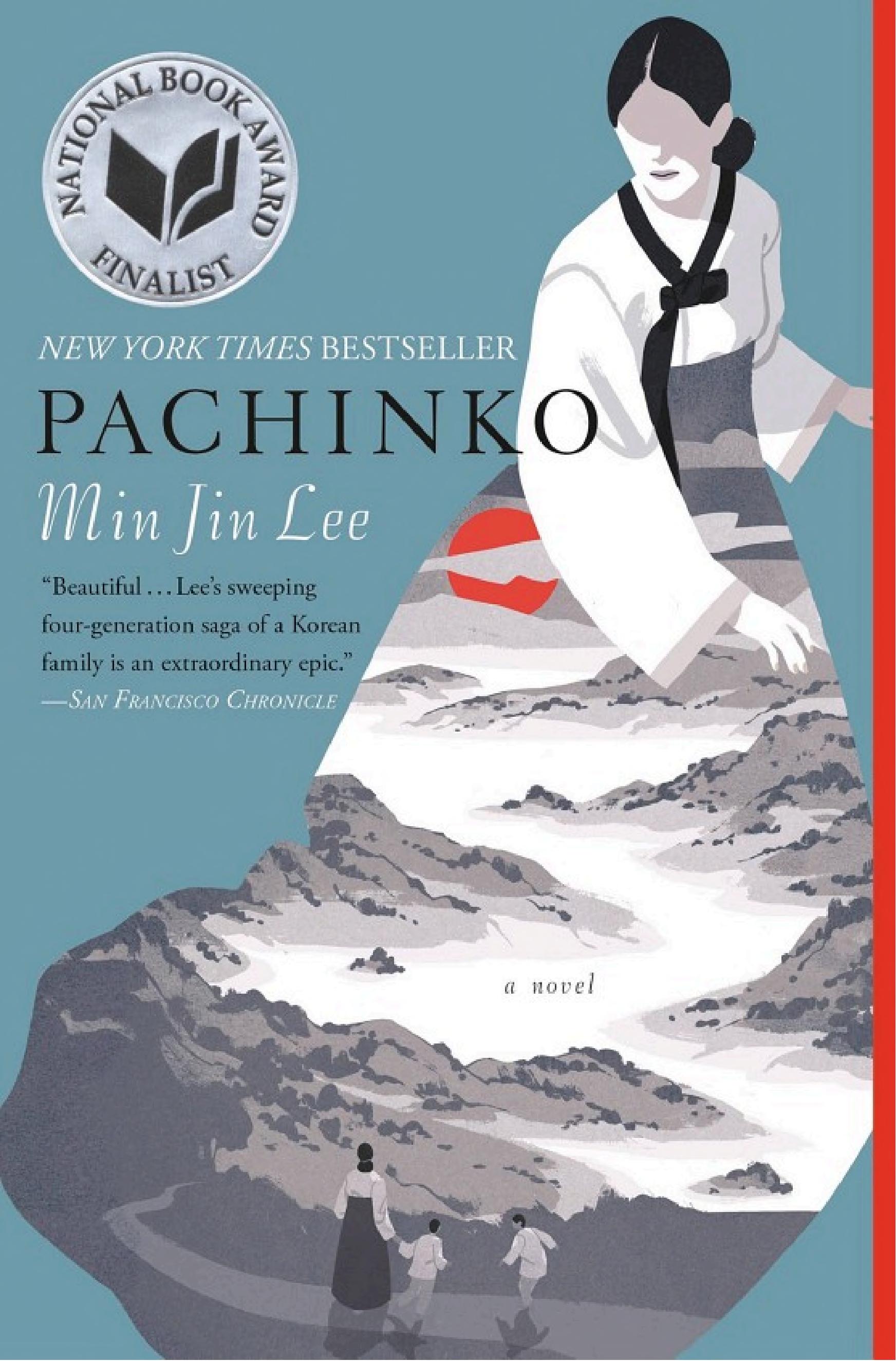
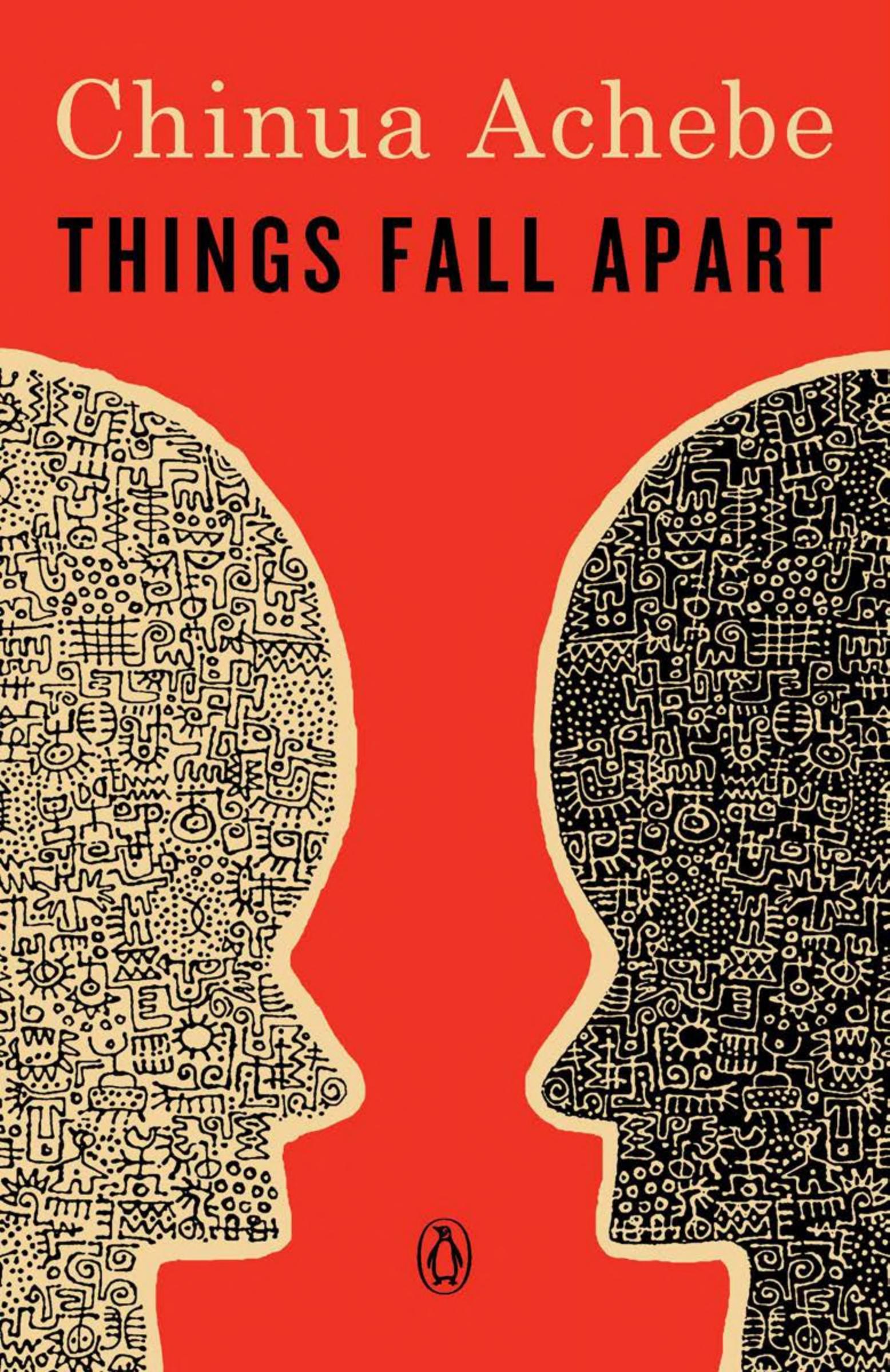
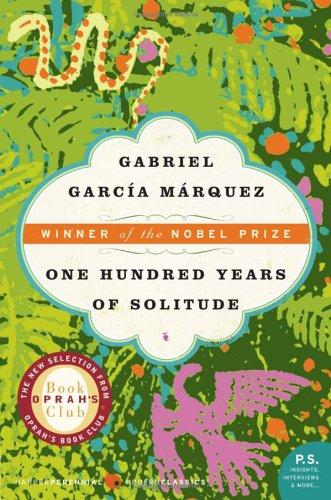
PachinkoMin Jin LeeThe closest structural equivalent: four generations of a Korean family in Japan, each one inheriting what the previous generation survived, across a century of colonial and post-colonial history. Lee’s argument — that the condition of the Zainichi Korean community is structural rather than individual, that each generation’s specific experience is shaped by forces set in motion before they were born — requires exactly the multigenerational scope she uses to make it. The most direct companion to Homegoing in terms of both structure and ambition. BelovedToni MorrisonMorrison’s approach to the same historical subject as Homegoing is formally opposite but arrives at the same insight: where Gyasi spans generations, Morrison concentrates everything into the immediate post-Civil War present and makes the full weight of slavery’s history present through haunting. Beloved is literally the past refusing to stay past — the damage done across generations refusing to be absorbed by the ordinary processes of time. Both novels argue that what happened cannot be resolved by moving forward; Morrison’s method makes that argument through a single household, Gyasi’s through eight generations of descendants. Things Fall ApartChinua AchebeAchebe’s novel operates at the hinge point that Homegoing’s early chapters also render: the moment of colonial contact that reorients everything that follows. Where Homegoing shows the consequences across generations, Things Fall Apart shows the originating rupture with extraordinary precision — what the Igbo world was before the missionaries arrived, what contact destroyed, and what was lost in the reorganization. The two novels read as companion pieces: Achebe renders the event, Gyasi renders the centuries of consequence. One Hundred Years of SolitudeGabriel Garcia MarquezGarcia Marquez’s multigenerational saga uses the same structural logic as Gyasi’s but applies it to a different argument: where Homegoing demonstrates what was done to people across generations, One Hundred Years of Solitude demonstrates how pattern repeats across generations — the same names, the same obsessions, the same catastrophes cycling through seven generations of Buendias. Both novels argue that the present can only be understood through the full weight of what came before it, and both make that argument legible only through the sheer span of time they cover. The Brief Wondrous Life of Oscar WaoJunot DiazDiaz’s novel shares Homegoing’s specific interest in the curse that travels through generations — the fuku that follows the de Leon family from the Dominican Republic to New Jersey across Trujillo’s dictatorship and its aftermath. Where Gyasi renders inherited damage through eight distinct chapters and eight distinct lives, Diaz renders it through flashbacks and footnotes and the overlapping voices of the family’s history, arriving at the same insight through a completely different formal approach. The most energetically written of these recommendations and the one closest to Homegoing in its understanding of how political history becomes personal inheritance. Who This Is For
Readers who finished Homegoing wanting more fiction that uses the long arc of generations to make arguments that no single life could contain. The literary fiction and historical fiction catalogues have more.
Frequently asked questions
Q: Which of these is structurally closest to Homegoing?
A: Pachinko — four generations, each rendered with full attention, the historical argument legible only across the full span. One Hundred Years of Solitude uses the most similar structure but applies it to a different kind of argument.
Q: Does Things Fall Apart need to be read before its sequels?
A: It stands entirely alone. The sequels — No Longer at Ease and Arrow of God — follow different characters in later periods and add context, but Homegoing readers don’t need them to get what Things Fall Apart is doing.
Q: Is One Hundred Years of Solitude difficult to follow with its repeated names?
A: The repeated names (multiple José Arcadios, multiple Aurelianos) are deliberate — they enact the novel’s argument about cyclical time. A family tree at the front of most editions helps, and most readers find that keeping it loose and following the emotional logic works better than tracking every genealogical detail precisely.
Not sure which of these is right for you? The Pagesmith quiz matches you to books based on your mood, pacing preference, and reading goals. Takes two minutes.