What to Read After The Handmaid's Tale
The Handmaid's Tale works because Atwood makes Gilead feel like a small step from where things already were -- not a distant nightmare but a logical extension of tendencies already present. These five novels share that specific quality: speculative premises rendered so plausibly that the distance between the fiction and the present feels uncomfortably short.
July 2026 · 5 min read · The Pagesmith
Atwood has said that everything in The Handmaid’s Tale was drawn from history — that she included nothing that had not already happened somewhere. That is the novel’s specific power: Gilead is not an imagined future but a reassembled past, which means it carries the specific dread of something that has already been demonstrated to be possible. The novels here share that method: speculative premises grounded in what human beings and human systems have already shown themselves capable of, rendered with enough specificity that the reader cannot maintain comfortable distance from them.
The Books
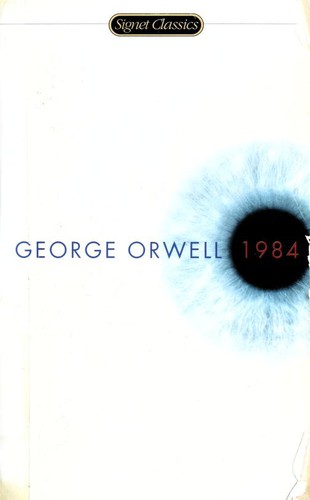
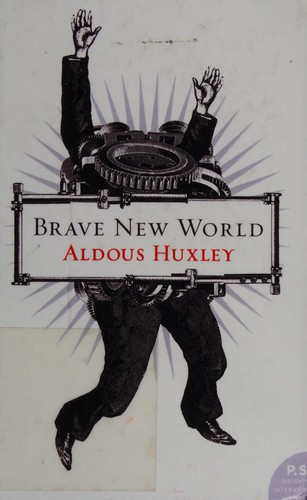
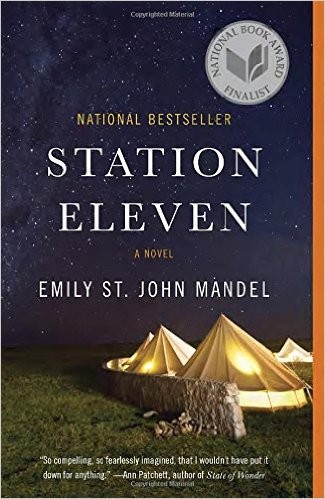
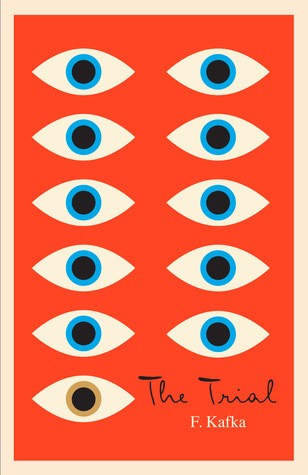
1984George OrwellThe novel most directly in dialogue with The Handmaid’s Tale: both are organized around a dissenting consciousness trapped inside a totalitarian system, both use the specific texture of daily life under that system to make it feel real rather than abstract, and both are interested in what the system does to language as the mechanism for controlling thought. Where Atwood’s specific interest is the weaponization of women’s bodies and reproductive capacity, Orwell’s is the weaponization of information and memory. The two novels are the essential paired texts for understanding how totalitarianism works from the inside. Brave New WorldAldous HuxleyHuxley’s dystopia offers the counterpoint to both Atwood and Orwell: where Gilead controls through fear and pain, the World State controls through pleasure and satisfaction. The citizens are not suffering — they have been designed to be content with their diminishment, which Huxley argues is the more insidious and more durable form of control. Reading Brave New World after The Handmaid’s Tale makes visible the full range of available dystopian mechanisms: Atwood’s is overt and brutal, Huxley’s is invisible and comfortable, and both are plausible extrapolations from existing tendencies. Never Let Me GoKazuo IshiguroIshiguro’s method is Atwood’s method applied to a quieter premise: a narrator who describes her situation with such careful equanimity that the reader slowly understands the equanimity itself is the horror. Where Offred’s suppressed rage occasionally surfaces, Kathy H.’s acceptance is complete — which is its own form of dystopian critique, the argument that the most effective systems of control are the ones that produce willing participants. Both novels are interested in women whose bodies have been conscripted by a system that was built before they arrived in it. Station ElevenEmily St. John MandelThe tonal opposite: where The Handmaid’s Tale renders what a collapsed civilization produces at its worst, Station Eleven renders what it produces at its best. Mandel’s traveling symphony moving through a post-pandemic landscape is organized around the things that survive catastrophe and cannot be extinguished — art, memory, human connection, the Shakespearean plays performed for settlements of twenty people because survival is insufficient on its own. Reading Station Eleven after The Handmaid’s Tale offers a different answer to the same question about what human civilization is actually made of. The TrialFranz KafkaKafka’s bureaucratic nightmare is the philosophical ancestor of Gilead: a system with its own complete internal logic that operates entirely without reference to the person caught inside it, offering no access to the rules and no avenue of legitimate appeal. Where Atwood’s system is ideological and explicitly gendered, Kafka’s is abstract and universal — but both are organized around the same insight, that systems of power are most dangerous when they are most opaque, and that the person inside them is most powerless when they cannot even name what they are being held by. The most formally demanding recommendation on this list and the most philosophically precise companion to Atwood’s argument. Who This Is For
Readers who finished The Handmaid’s Tale wanting more fiction that renders systems of power from inside the experience of people caught within them. The literary fiction and sci-fi catalogues have more.
Frequently asked questions
Q: Is the TV series a substitute for reading The Handmaid’s Tale?
A: The series extends well beyond the novel and departs significantly from it after the first season. The novel is tighter, more formally controlled, and ends very differently. Both are worth engaging with as separate works.
Q: Which of these is most similar to The Handmaid’s Tale in tone?
A: 1984 is closest — both share the specific quality of a dissenting consciousness narrating its own suppression under a system that is winning. Never Let Me Go shares the method of understatement but is quieter in register.
Q: Does The Trial have an ending?
A: Kafka left it unfinished. The novel breaks off mid-sentence, which most readers and critics have interpreted as intentional — the ending of a trial by bureaucratic exhaustion is not an ending, which is the argument. It works as a complete experience despite the technical incompletion.
Not sure which of these is right for you? The Pagesmith quiz matches you to books based on your mood, pacing preference, and reading goals. Takes two minutes.