Best Books for Readers Who Hate Sad Endings
Not every reader wants to be destroyed. Some want to be moved, engaged, taken somewhere else entirely -- and then returned to their lives feeling better rather than worse. These six novels deliver exactly that, without sacrificing the substance that makes a book worth reading in the first place.
July 2026 · 6 min read · The Pagesmith
The assumption that serious fiction requires a sad ending is wrong. It’s an affectation that conflates difficulty with quality — as if a novel that leaves the reader feeling hopeful has somehow cheated. The books here are not easy reads in the sense of being shallow; several of them pass through genuine darkness on the way to where they end up. But they earn their endings honestly, and those endings are warm rather than devastating. The distinction that matters is not sad versus happy but earned versus unearned — and all six of these novels earn what they deliver at the end.
The Books
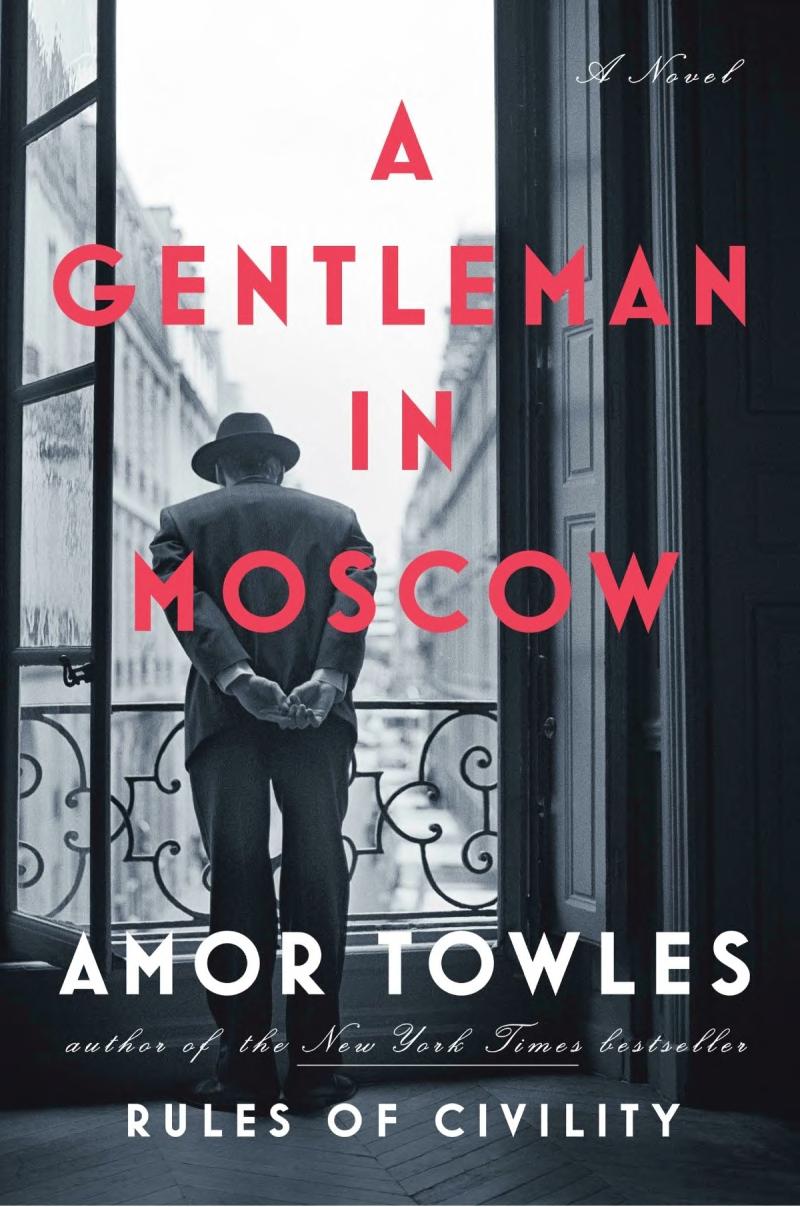
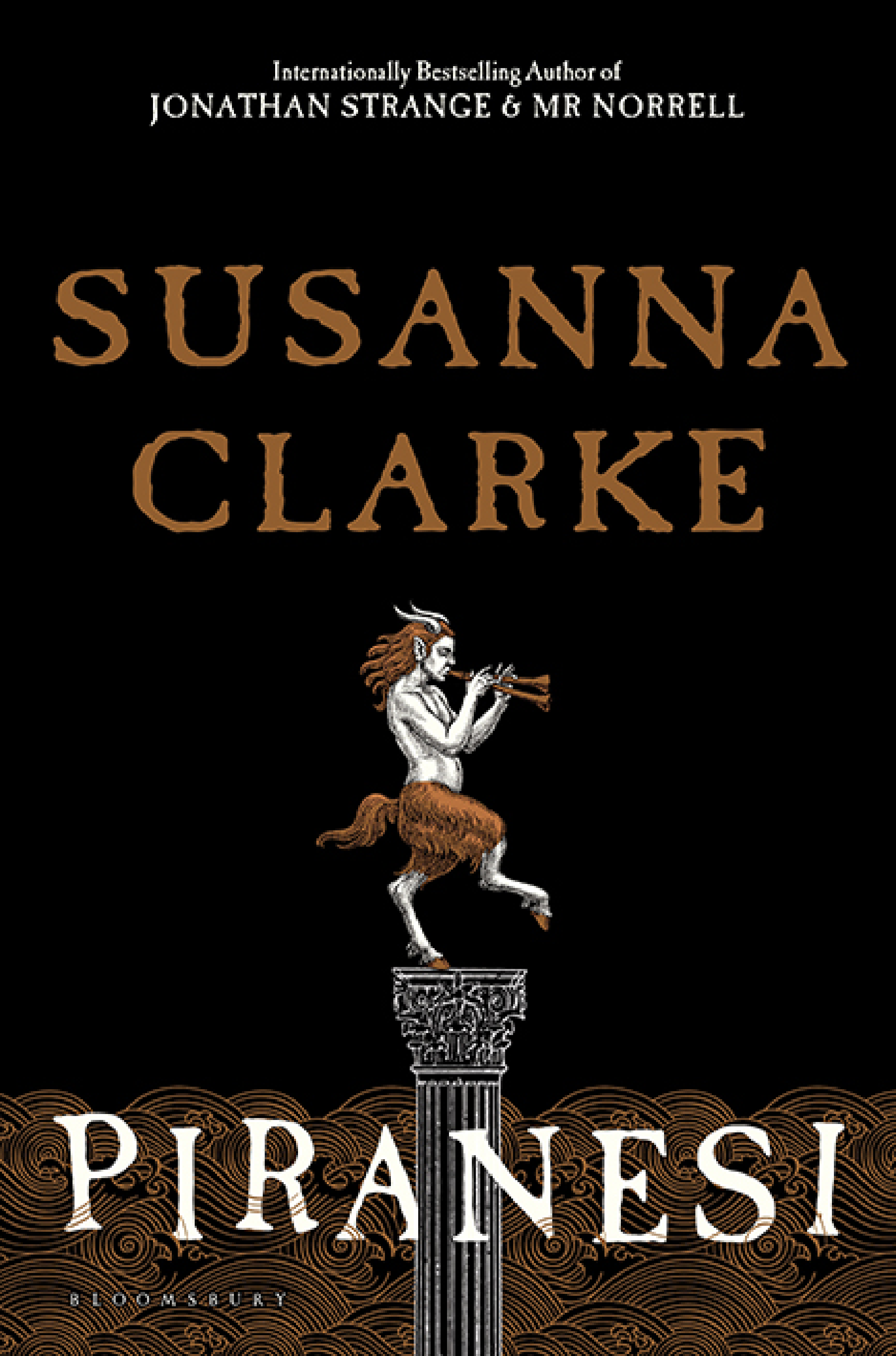
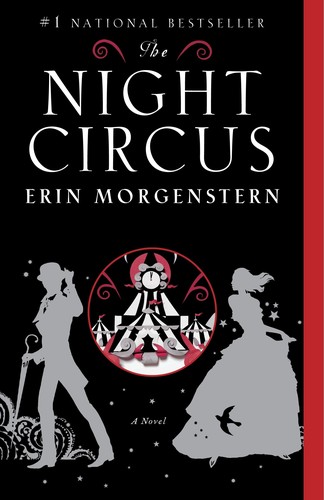
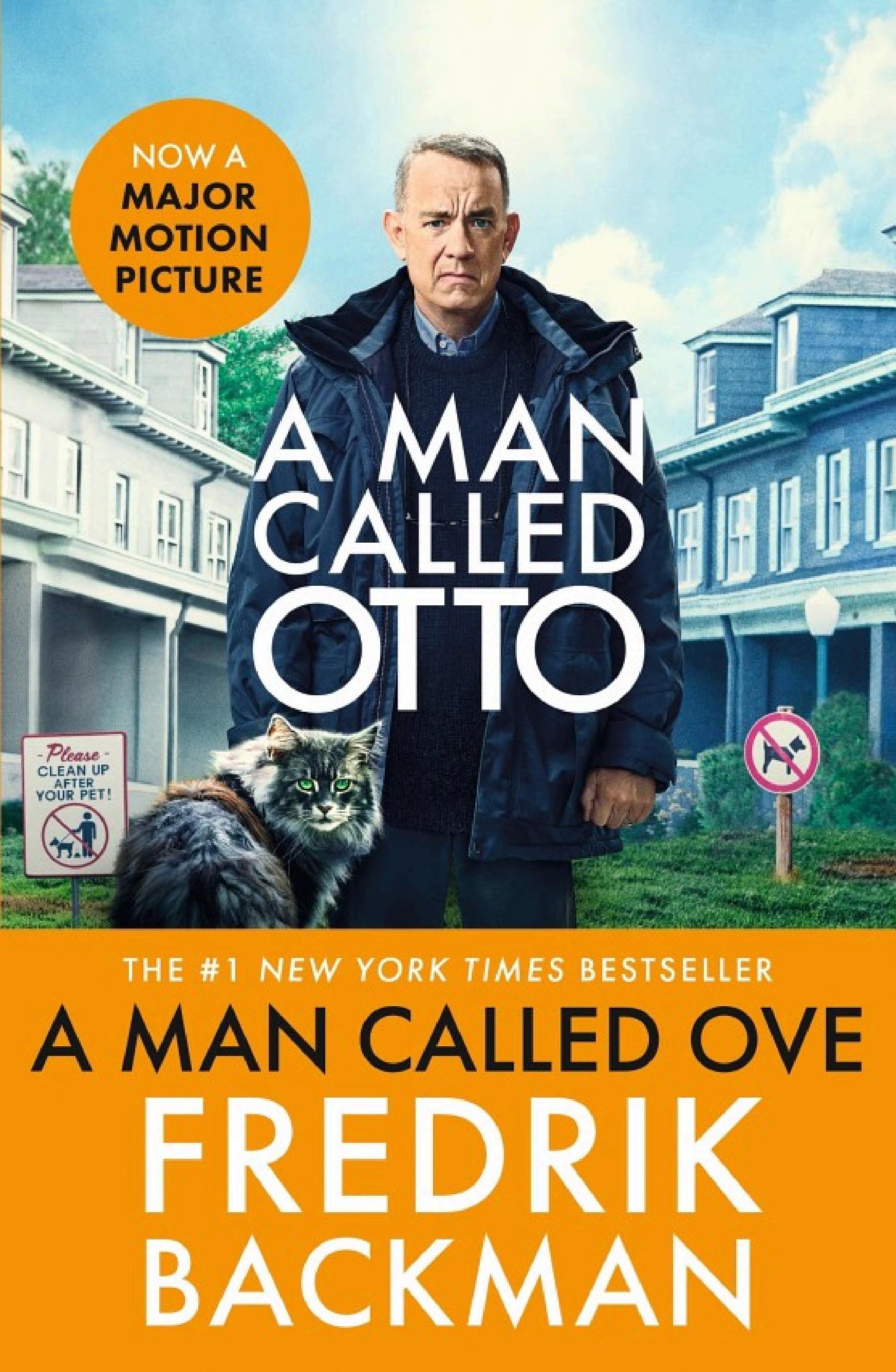
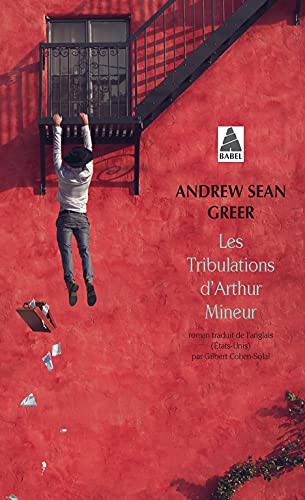
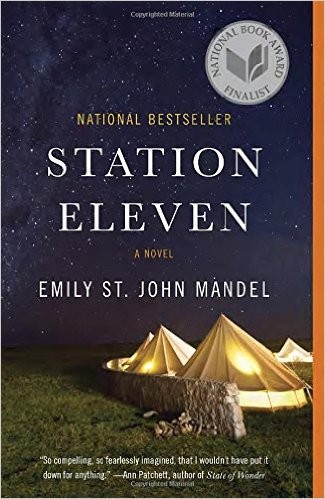
A Gentleman in MoscowAmor TowlesThe gold standard for this category: a novel that passes through thirty years of Soviet history, genuine loss, and the specific grief of a man who cannot leave a hotel while the world changes without him — and arrives at an ending that is genuinely satisfying without being sentimental. Towles earns the warmth by never avoiding the difficulty; the ending lands because the novel has been honest about everything that preceded it. The most complete demonstration available that serious literary fiction and a deeply satisfying ending are not in conflict. PiranesiSusanna ClarkeClarke’s novel passes through genuine mystery and genuine darkness — the discovery of what the House actually is and what has been done to the person inside it — and arrives at an ending of such precise and unexpected rightness that most readers describe it as one of the most satisfying they have encountered. The ending works because Clarke has built the House with enough love that the reader shares Piranesi’s relationship to it, and because what he gains at the end is not a replacement for what he had but something that includes it. One of the most purely satisfying endings in recent literary fiction. The Night CircusErin MorgensternMorgenstern’s novel builds toward an ending that delivers on everything the circus has promised: the magic, the love story, the specific quality of wonder that the black-and-white tent produces. The plot requires the characters to pass through genuine danger and genuine sacrifice before arriving there, but the ending is genuinely earned and genuinely warm, and the sense of completion it produces is the completion of a world rather than just a story. The most purely magical entry on this list and the one that delivers its satisfactions most unambiguously. A Man Called OveFredrik BackmanBackman’s novel begins with a man trying to die and ends with a man who has found reasons to live — which is the most direct available version of the earned warm ending, and Backman earns it by making Ove’s grief and his rigidity and his love for his wife all completely real before the neighbors arrive and slowly change what his life consists of. The bittersweet quality is present throughout — Ove’s wife is gone and the ending acknowledges that fully — but the warmth of what remains is genuine rather than forced. The most emotionally balanced entry on this list. LessAndrew Sean GreerGreer’s Pulitzer winner is the comedy on this list, and it delivers the specific satisfaction of a novel in which the protagonist’s anxieties are revealed to be both genuine and comically misplaced — in which the life Arthur Less was busy grieving turns out, on arrival, to be a life that contains something he had not quite noticed. The ending is warm without being saccharine, and the specific quality of its warmth — the sense that what Less has been running from was actually running toward him — is the most elegantly constructed of any ending on this list. Station ElevenEmily St. John MandelMandel’s post-pandemic novel belongs on this list because its ending earns something that its premise would seem to make impossible: genuine hope. The world has ended; ninety-nine percent of humanity is dead; the Traveling Symphony moves through a landscape of ruins. And yet Mandel’s ending is warm — specifically warm, not vaguely optimistic — because she has built her characters and their world with enough care that what they preserve feels genuinely worth preserving. The most earned warm ending available in post-apocalyptic fiction, and a reminder that the darkness of a premise does not determine the quality of the arrival. Who This Is For
Readers who want books that take them somewhere real and return them feeling better rather than devastated — who reject the idea that literary quality requires a sad ending, and who want the full reading experience without the aftermath of being destroyed by it. The contemporary and literary fiction catalogues have more.
Frequently asked questions
Q: Does A Gentleman in Moscow have any sad moments?
A: Yes — Rostov loses people he loves, watches the world he knew disappear, and spends thirty years unable to leave a hotel. Towles does not avoid any of this. What makes the ending satisfying is that it arrives after the difficulty rather than instead of it.
Q: Is Station Eleven really appropriate for readers who hate sad things?
A: The premise (pandemic wipes out most of humanity) is dark, and the novel does not shy away from what that means. But Mandel’s focus is on what survives and what people build afterward, and the emotional register throughout is elegiac rather than devastating. Most readers who approach it expecting to be destroyed find themselves moved but not crushed.
Q: Is Less as good as its Pulitzer win suggests?
A: Yes, though it is funnier and lighter than most Pulitzer winners, which sometimes misleads expectations. The prose is excellent, the emotional intelligence beneath the comedy is real, and the ending is one of the most carefully constructed in recent American fiction.
Not sure which of these is right for you? The Pagesmith quiz matches you to books based on your mood, pacing preference, and reading goals. Takes two minutes.