What to Read After A Little Life
A Little Life is one of the most demanding novels in recent fiction -- not difficult to read in a technical sense but emotionally total, the kind of book that occupies you for weeks after you finish it. These five novels can follow it: each one shares its commitment to rendering the full weight of what people carry, without relief or false comfort.
July 2026 · 5 min read · The Pagesmith
Finishing A Little Life leaves most readers in a specific state: raw, changed, unsure what to read next because almost everything will feel thin by comparison. Yanagihara’s novel earns its emotional impact through accumulation — hundreds of pages of specific, patient rendering before the weight lands — and that method creates a reader who has been trained to expect that kind of full commitment from fiction. The books here meet that expectation differently, each one sharing the essential quality of taking its characters’ suffering and survival seriously enough to stay with them through the full difficulty of it.
The Books
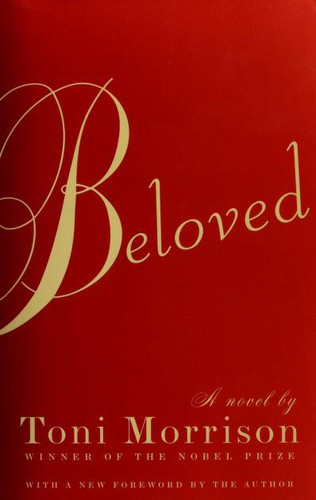
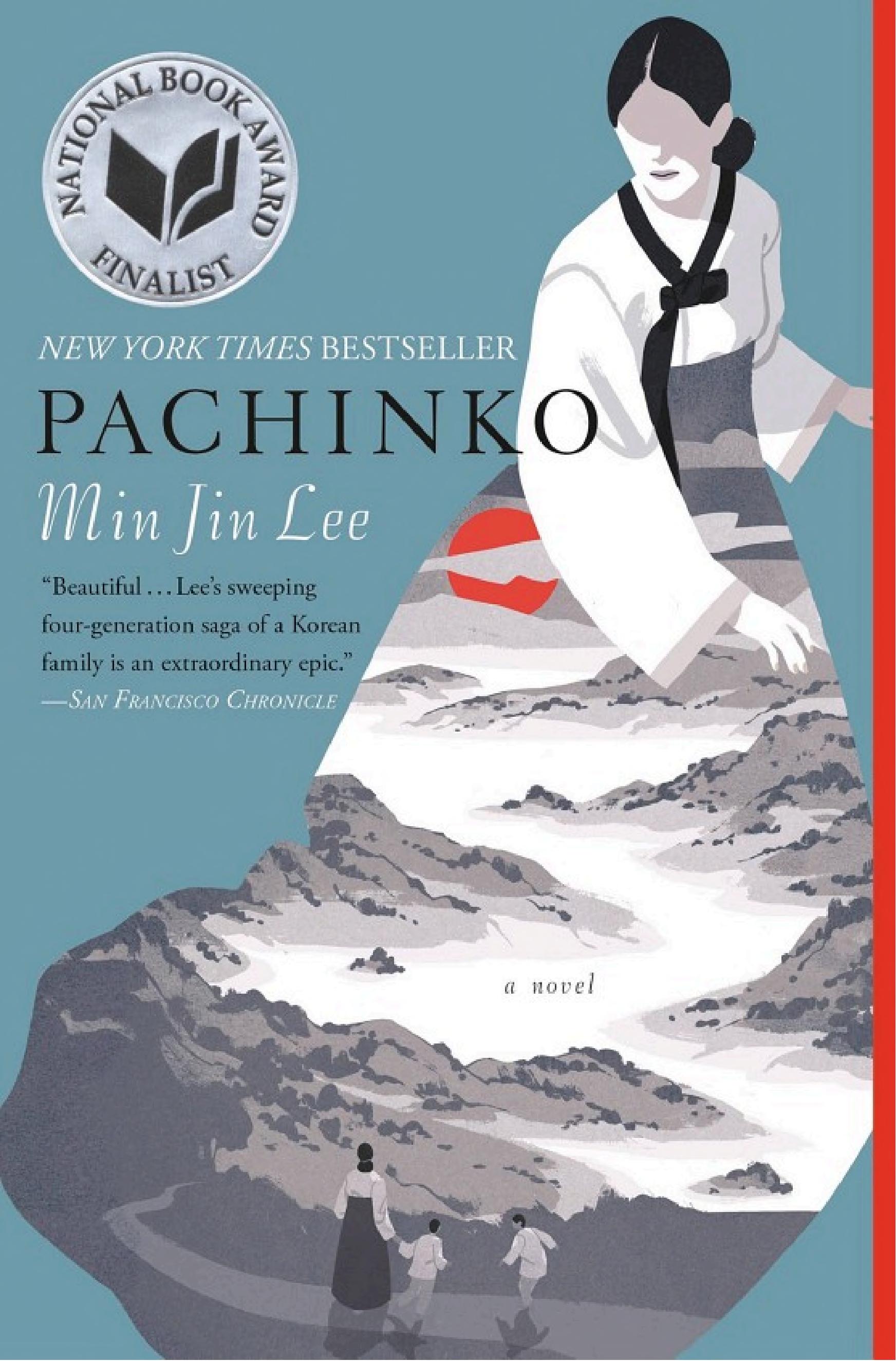
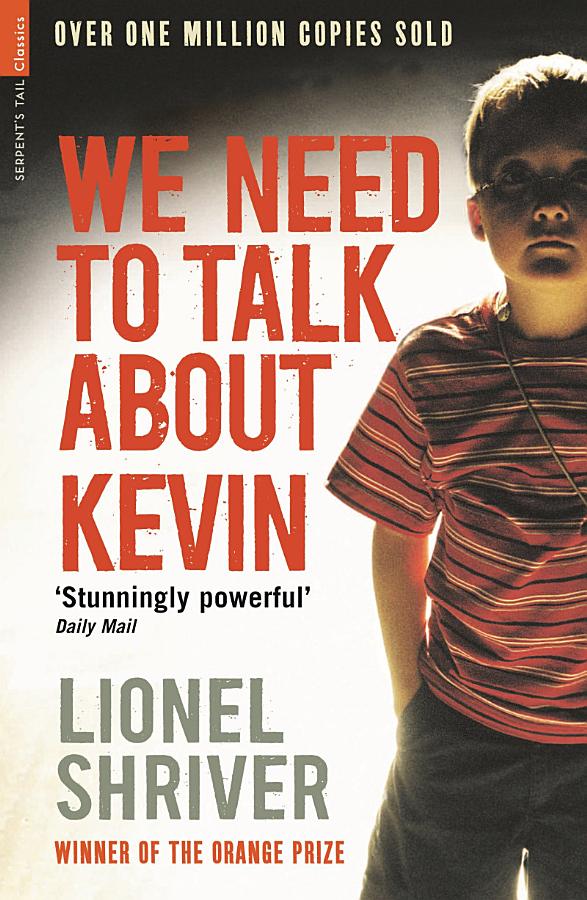
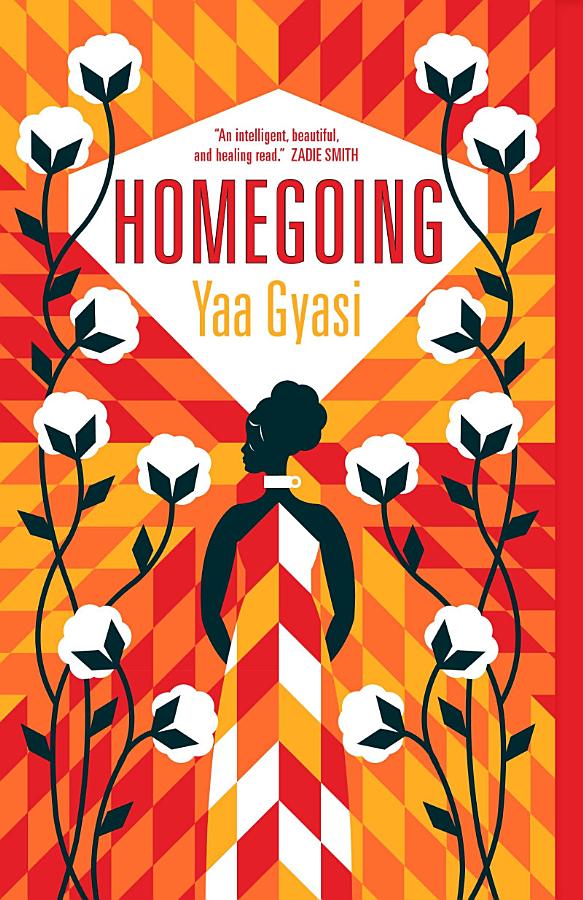
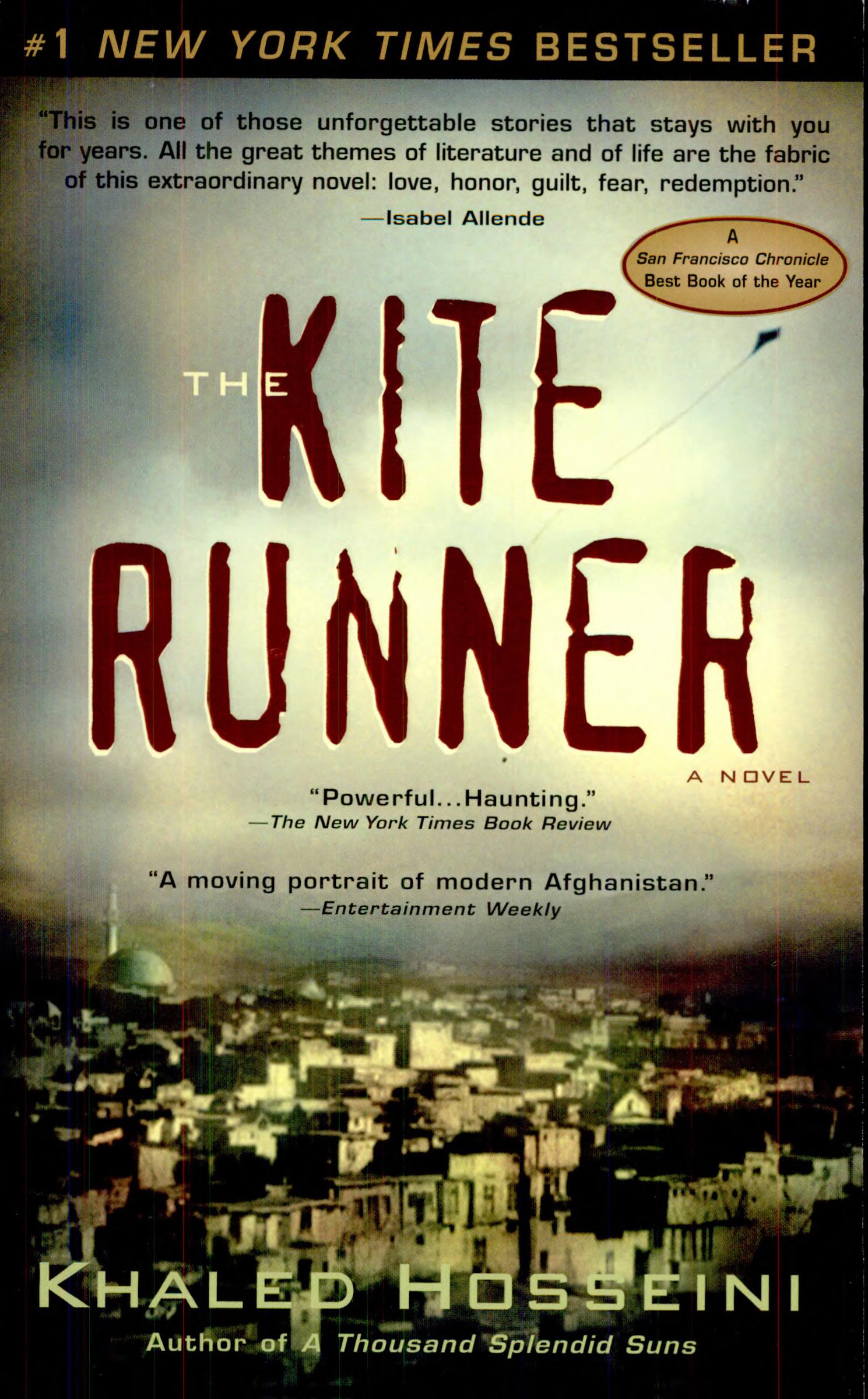
BelovedToni MorrisonThe novel most equivalent to A Little Life in its understanding that some damage is permanent and that the task of fiction is to render it honestly rather than resolve it. Morrison’s Sethe carries what she did — and what was done to her — in her body and in her house, and the haunting is not metaphor but the formal expression of what unresolved trauma actually looks like in a life. Like Yanagihara, Morrison refuses to offer comfort that would falsify the experience she’s rendering. Both novels insist that the reader stay with the difficulty rather than be offered a way around it. PachinkoMin Jin LeeLee’s four-generation saga shares A Little Life’s essential method: accumulation over time, multiple characters rendered with full seriousness, suffering that is structural rather than incidental. The scale here is historical rather than personal — what the Zainichi Korean community in Japan endured across generations — but the quality of attention is the same. Lee does not allow the historical frame to make the individual suffering feel inevitable or acceptable; each generation’s specific experience is rendered with the same patience and care that Yanagihara brings to Jude’s. The right choice for readers who responded most to A Little Life’s sheer weight of accumulated feeling. We Need to Talk About KevinLionel ShriverShriver’s novel shares A Little Life’s interest in what cannot be fixed after the fact: Eva’s accounting of her relationship with her son, written after the school shooting, is organized around the specific impossibility of retrospective understanding — did she fail him, or was he simply who he was, and does the answer to that question change anything about what happened? Shriver is as unsparing as Yanagihara in her refusal to offer resolution, and the epistolary structure — Eva writing to her dead husband — produces the same quality of grief rendered in real time that makes A Little Life so demanding to read. HomegoingYaa GyasiGyasi’s structural approach is the inverse of Yanagihara’s: where A Little Life renders one person’s experience across decades with enormous depth, Homegoing renders eight generations with deliberate compression, each chapter a complete portrait of a specific person at a specific historical moment. The effect is cumulative in the same way — by the final chapter, the reader carries the full weight of everything that preceded it — and Gyasi’s refusal to offer comfort that the history doesn’t support matches Yanagihara’s refusal to offer comfort that the psychology doesn’t support. Both novels earn their emotional impact through honesty rather than manipulation. The Kite RunnerKhaled HosseiniThe most emotionally direct recommendation on this list and the most accessible after A Little Life’s density. Hosseini’s novel is organized around childhood betrayal and its lifelong consequences — Amir’s failure of Hassan, carried across decades and across the world — which is a more compressed version of Yanagihara’s interest in what early damage does to an adult life. The novel offers more resolution than A Little Life, which some readers need immediately after Yanagihara, and Hosseini’s warmth toward his characters provides a different kind of emotional experience without sacrificing the serious engagement with suffering that A Little Life readers are looking for. Who This Is For
Readers who finished A Little Life and want fiction that meets the same standard of emotional seriousness — that takes its characters’ suffering seriously enough to stay with it. The literary fiction catalogue has more.
Frequently asked questions
Q: Is there anything lighter that still honors the emotional experience of A Little Life?
A: The Kite Runner is the lightest entry here and does offer more resolution. If you need something genuinely lighter before returning to serious fiction, Fredrik Backman’s A Man Called Ove handles grief and loss with warmth and some comedy.
Q: Is Beloved as difficult to read as A Little Life?
A: Differently difficult. A Little Life is difficult through accumulation and duration; Beloved is difficult through its formal demands — Morrison’s prose requires more interpretive work, and the chronology is non-linear. Both reward the effort completely.
Q: Should I wait before reading the next book after A Little Life?
A: Most readers benefit from a short break — something light, or simply time before the next serious novel. The emotional residue of A Little Life is real and should be honored rather than immediately replaced.
Not sure which of these is right for you? The Pagesmith quiz matches you to books based on your mood, pacing preference, and reading goals. Takes two minutes.