What to Read After Lessons in Chemistry
Lessons in Chemistry works because Elizabeth Zott is a specific kind of person in a specific kind of bind -- brilliant, blunt, entirely uninterested in performing the diminished version of herself that 1960s America requires. These five books share something of that specific energy: women who refuse the available scripts and pay the cost of it.
July 2026 · 5 min read · The Pagesmith
The specific pleasure of Lessons in Chemistry is not the cooking show or the romance or even the 1960s setting — it is Elizabeth Zott’s specific relationship to the world’s expectations of her, which is one of polite refusal shading into frank insubordination. She is not trying to change the rules; she is simply proceeding as though they don’t apply to her, which turns out to be its own form of revolution. The books here share something of that dynamic: women who are too much of themselves for the contexts they inhabit, whose refusal to shrink produces friction and consequence and, eventually, a particular kind of power.
The Books
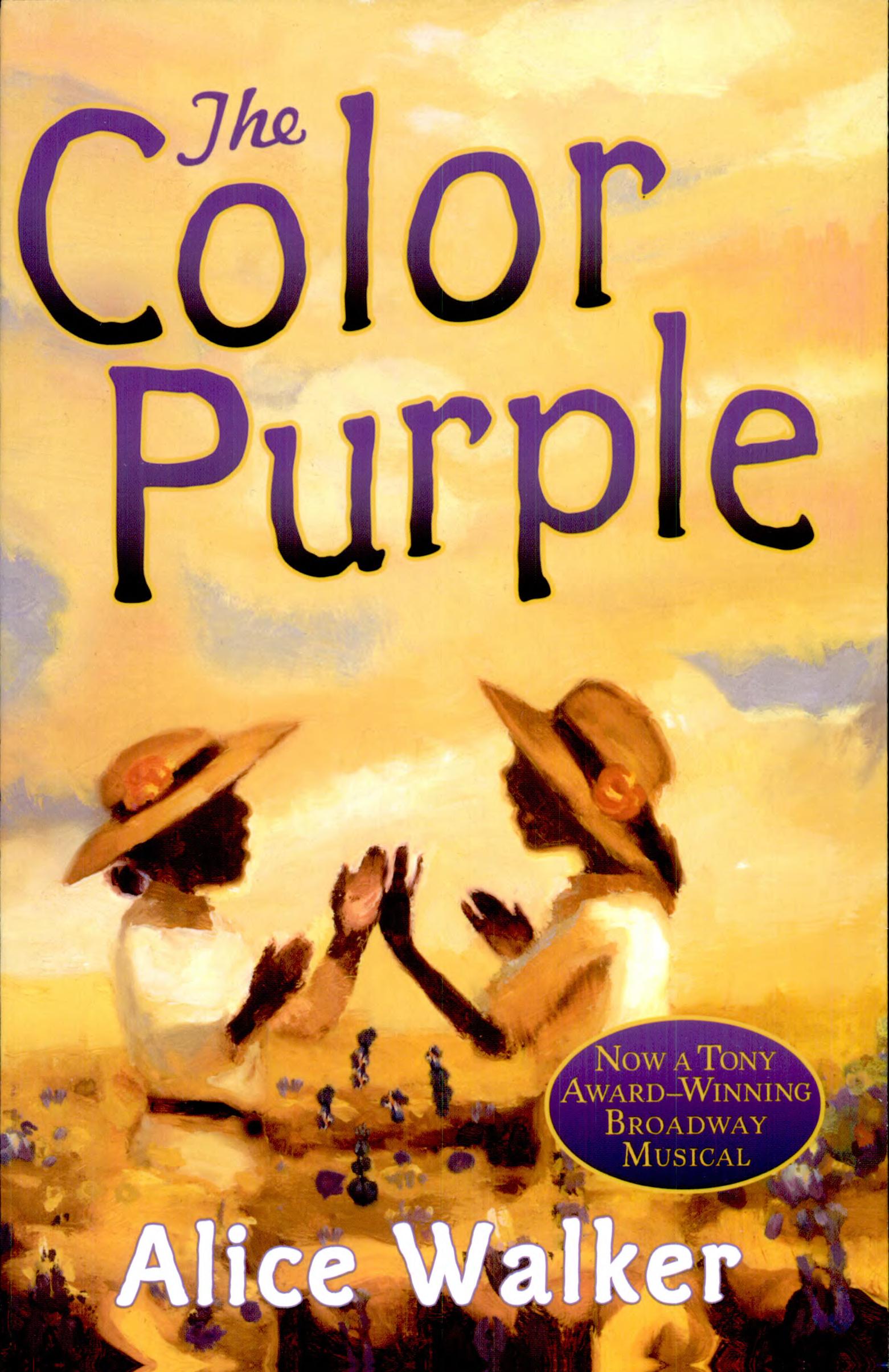
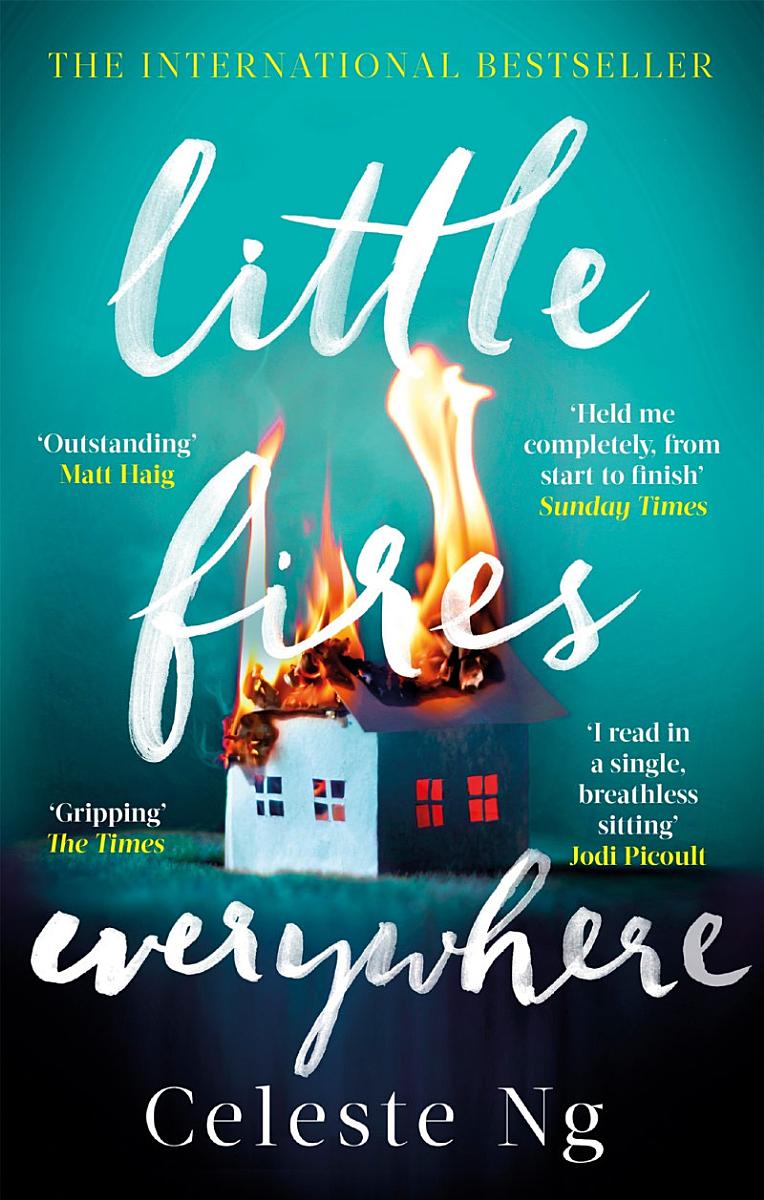
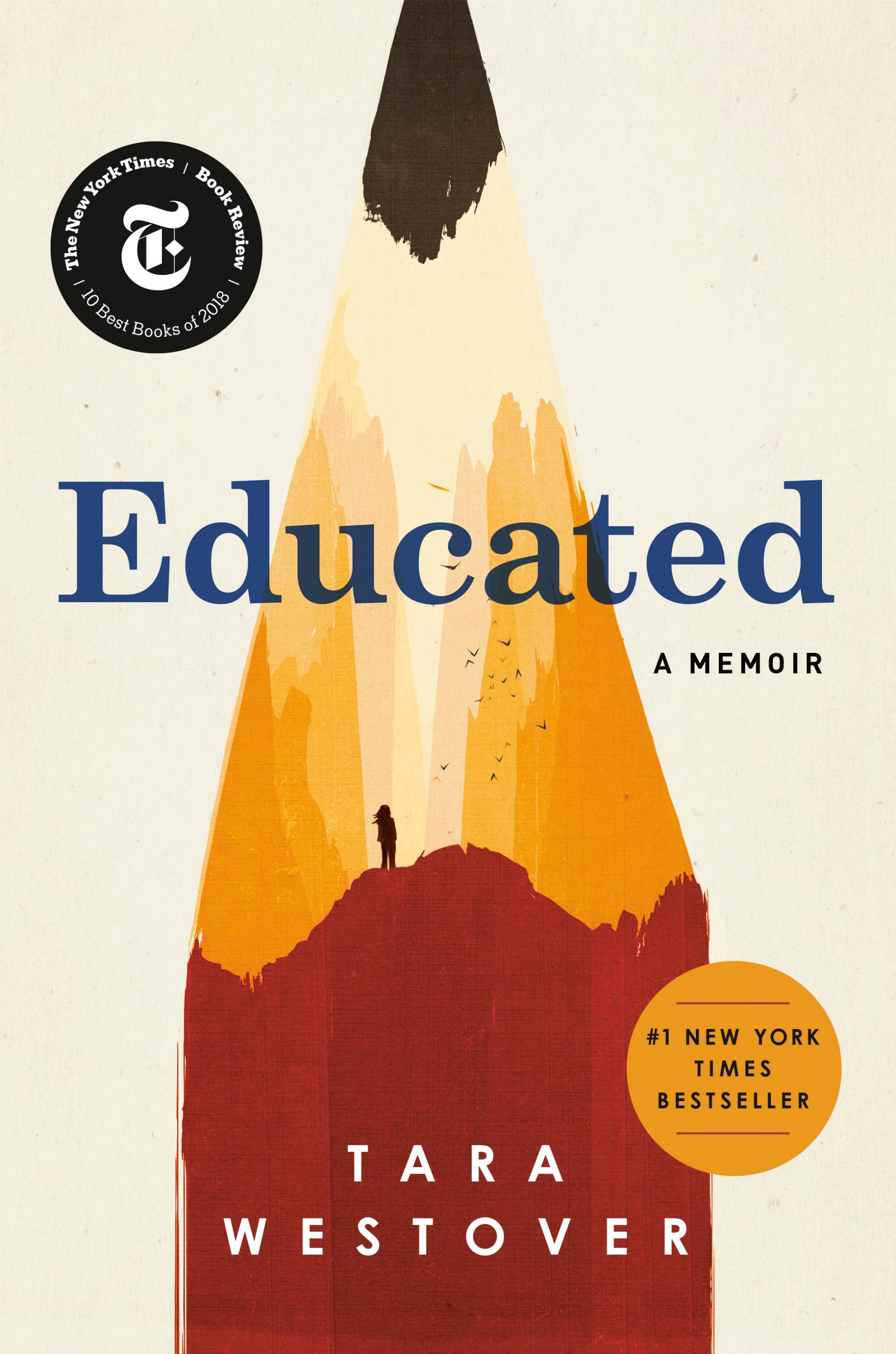
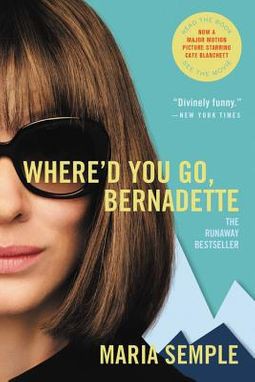
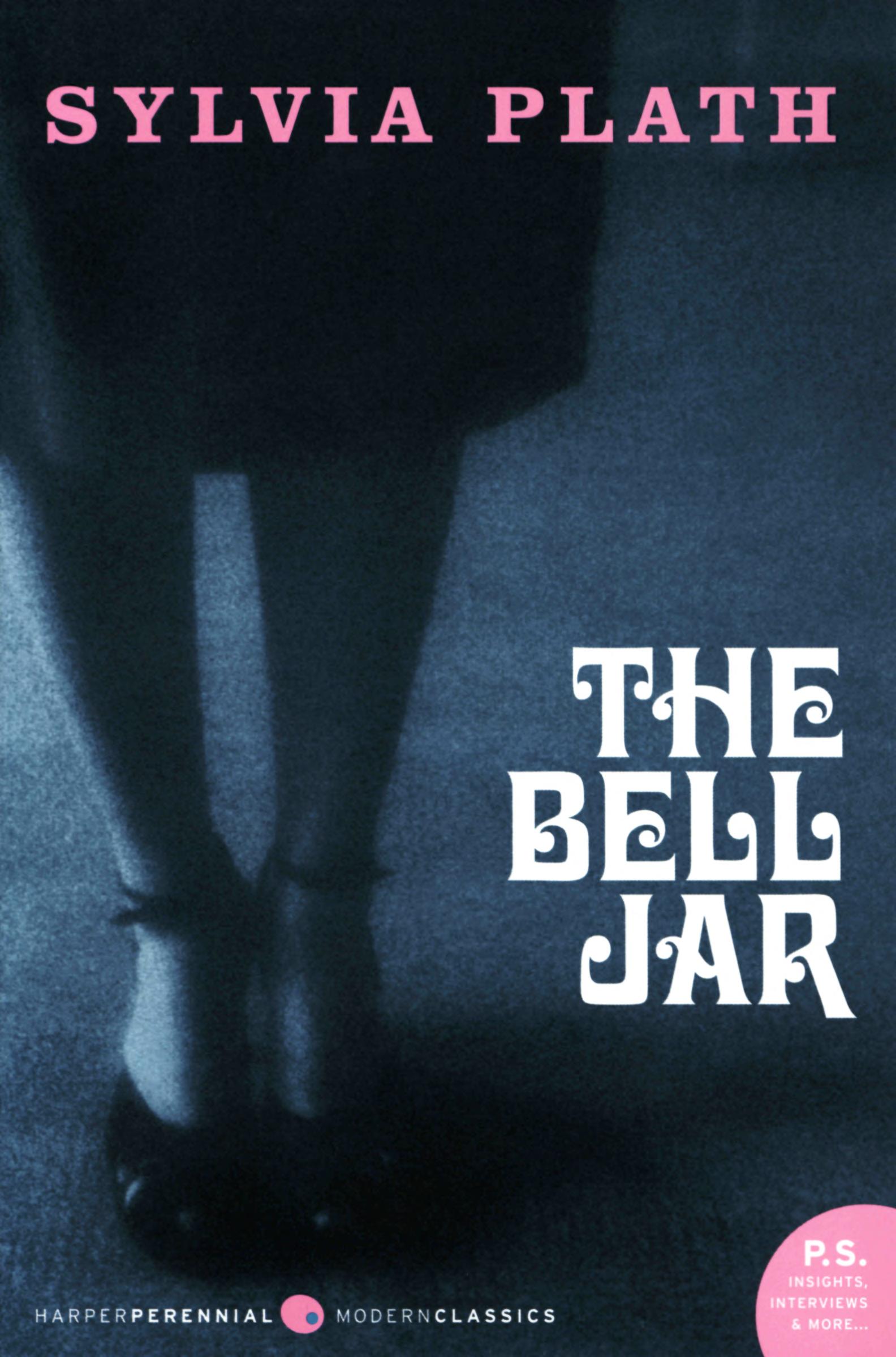
The Color PurpleAlice WalkerWalker’s Celie begins from a position of almost total powerlessness — the opposite of Elizabeth Zott’s formidable competence — but arrives at a similar place through a similar mechanism: the slow, costly process of becoming herself rather than the diminished version others have required. Where Garmus gives Zott her full intelligence from the start and watches the world fail to accommodate it, Walker builds Celie’s selfhood from almost nothing across the novel’s span. The endpoint — a woman who has claimed her life on her own terms — is the same, and the journey in The Color Purple is the more emotionally demanding version of how someone gets there. Little Fires EverywhereCeleste NgNg’s novel is organized around the collision between two women who represent incompatible versions of how to live: Elena Richardson, who has followed every rule and organized her life around Shaker Heights’ structures, and Mia Warren, who has refused every structure in favor of her art and her daughter. Where Garmus puts Elizabeth Zott in a world that has no place for her, Ng puts Mia in a world that actively tries to absorb and neutralize her, and the novel’s plot is the consequence of that resistance. The most structurally driven of these recommendations and the one with the most propulsive narrative. EducatedTara WestoverWhere Garmus uses comedy to render the cost of being a woman who refuses to accommodate, Westover uses memoir and there is nothing comic about the cost she documents. But the underlying dynamic is the same: a woman whose intelligence and drive put her in direct conflict with the structures around her, who pursues her own development against active resistance from the people who are supposed to support it. Educated is the non-fiction version of the question Lessons in Chemistry asks in fiction: what does it actually take for a woman to become herself when the environment is designed to prevent it? Where’d You Go, BernadetteMaria SempleThe tonal closest match on this list: a brilliant, difficult woman whose specific genius has been derailed by circumstance and who is experiencing the consequences in the form of a slow collapse that looks, from outside, like bad behavior. Semple is funny about Bernadette the way Garmus is funny about Zott — both novelists understand that comedy is the right container for a specific kind of female rage at being underestimated and underused — and both novels are organized around the discovery of what happens when a woman of that specific caliber finds the context that actually fits her. The Bell JarSylvia PlathThe darkest recommendation on this list and the most historically specific companion to Lessons in Chemistry: Esther Greenwood and Elizabeth Zott are in the same America, navigating the same collision between extraordinary capability and a world organized around female diminishment. Where Garmus gives Zott the emotional resources and the plot to fight through, Plath shows what the same collision looked like without those resources — the depression that arrives when every available future is the wrong shape for the person who has to live inside it. The two novels read as a diptych: the comedy and the tragedy of the same situation. Who This Is For
Readers who finished Lessons in Chemistry wanting more fiction about women whose intelligence and refusal to shrink puts them in friction with what the world around them requires. The literary fiction catalogue has more.
Frequently asked questions
Q: Is Where’d You Go, Bernadette as funny as Lessons in Chemistry?
A: Funnier in places, and more structurally inventive — assembled from emails, school documents, and FBI files. The comedy comes from the same source: a woman of genuine brilliance surrounded by people who don’t understand her, rendered by an author who is entirely on her side.
Q: Is The Bell Jar appropriate to read immediately after Lessons in Chemistry?
A: Tonally, it’s a significant shift. Readers who want to stay in the comedic register should go to Where’d You Go, Bernadette or Little Fires Everywhere first. The Bell Jar is the right next step for readers who specifically want the serious version of the same historical moment.
Q: Does Little Fires Everywhere have a satisfying ending?
A: It has an honest ending rather than a comfortable one — the fires are real and some things cannot be undone. Readers who need resolution should be prepared for Ng to leave several threads open.
Not sure which of these is right for you? The Pagesmith quiz matches you to books based on your mood, pacing preference, and reading goals. Takes two minutes.