Best Books About Belonging and Otherness
These six novels are not about immigrants or outsiders as a category. They are about specific people who experience the specific condition of being permanently adjacent to the communities around them -- present but not inside, fluent but not native -- and what that condition produces over time.
July 2026 · 5 min read · The Pagesmith
Belonging is only visible when it is absent. The people in these novels move through worlds that function perfectly well without including them — they understand the rules, they speak the language, they know how things work — and the gap between that fluency and full membership is where each novel lives. This is a different subject from immigration (which is about movement between places) and from identity (which is about self-understanding) and from prejudice (which is about what others do to you). It is about the specific experience of being constitutively adjacent: present enough to understand what you are outside of, outside enough to never fully arrive.
The Books
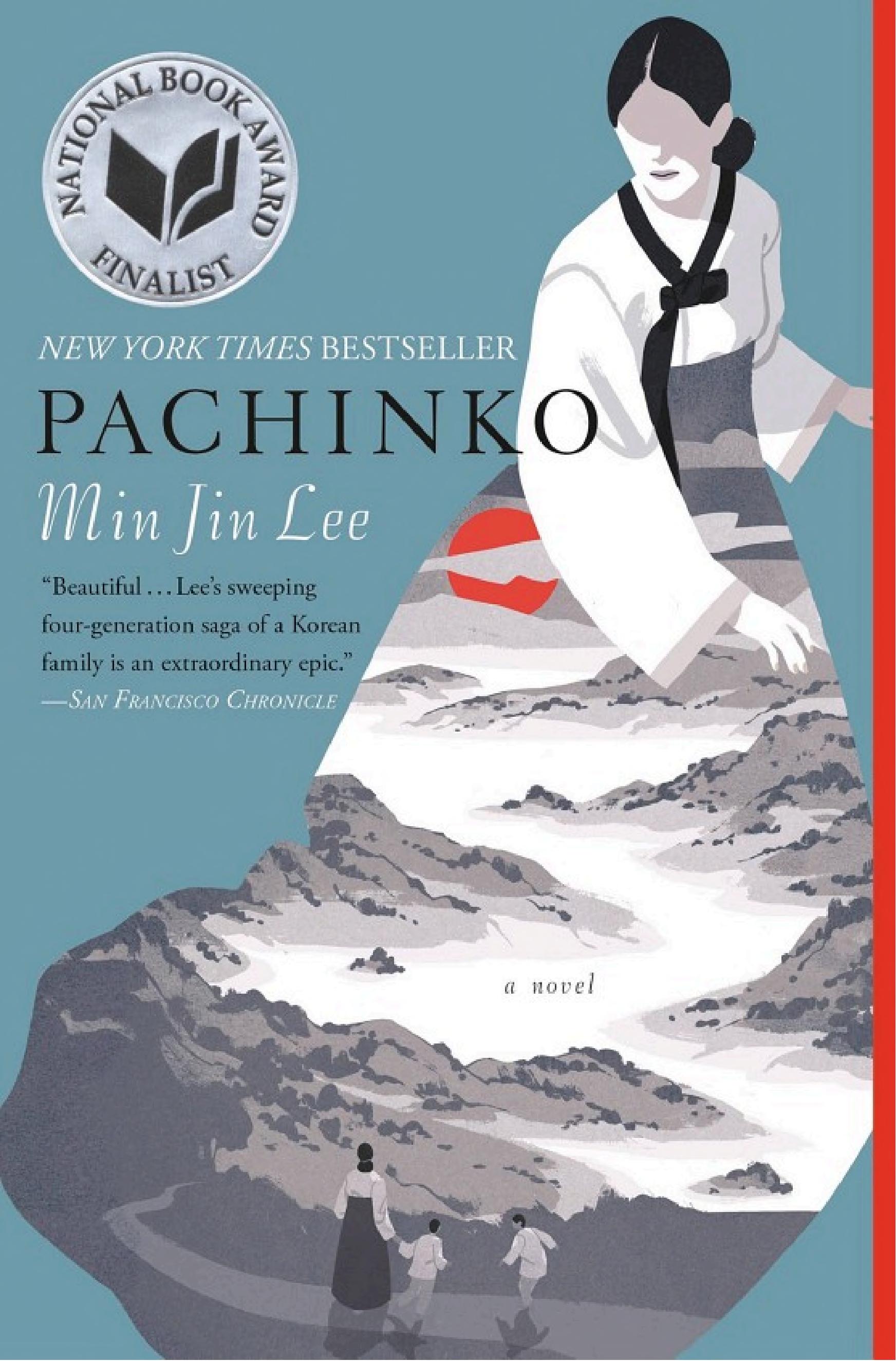
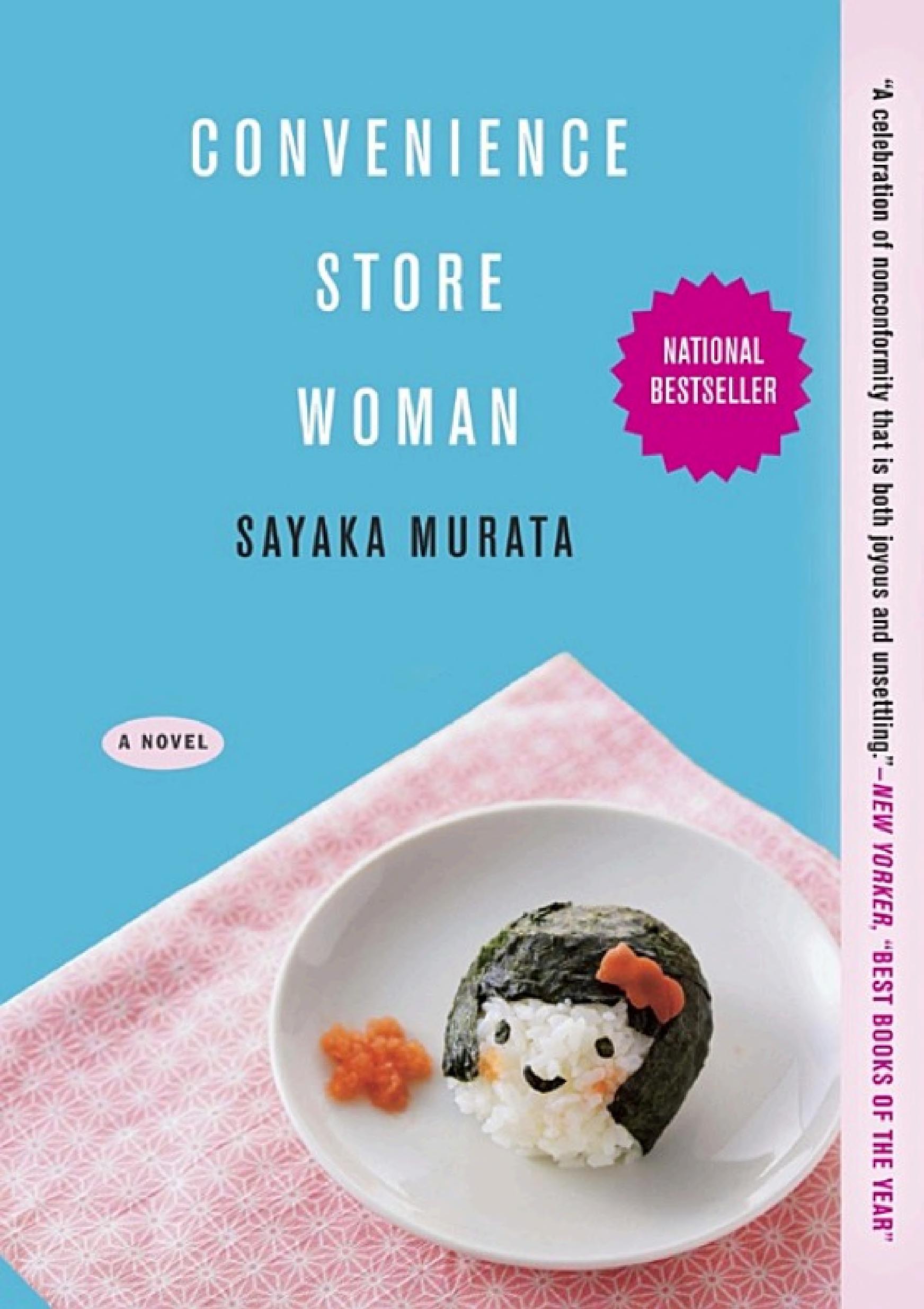
PachinkoMin Jin LeeThe fullest available treatment of inherited otherness: the Zainichi Korean community in Japan, whose members were born in Japan, have lived there for generations, and remain legally and socially classified as foreign. Lee traces this condition across four generations of Sunja’s family, showing how the specific experience of belonging-without-belonging changes across generations — what the first generation endures, what the second resists, what the third internalizes — without any generation achieving the full membership that the next one hopes for. The most structurally comprehensive treatment of the subject on this list. The StrangerAlbert CamusMeursault’s otherness is not ethnic or political but ontological: he simply does not experience the world the way the people around him do, and his trial turns on the community’s inability to accommodate a person who will not perform the expected emotional responses. Camus is rendering a different kind of non-belonging than Lee or Adichie — not the exclusion of a community from full citizenship but the exclusion of a consciousness from the shared emotional assumptions that make community possible. The most philosophically precise treatment of otherness on this list, and the most generalizable. MilkmanAnna BurnsBurns’s novel renders community belonging as coercion: the unnamed narrator’s Northern Irish community enforces belonging so completely that any deviation — reading while walking, looking at the sky, having opinions of your own — is treated as political transgression. The otherness here is not being outside the community but being insufficiently inside it, and Burns is precise about what the enforcement costs: the narrator has developed a consciousness that is perpetually monitoring itself for acceptable behavior, which is its own form of permanent exile from any authentic selfhood. The most claustrophobic and the most politically specific treatment of belonging on this list. AmericanahChimamanda Ngozi AdichieAdichie’s novel maps the specific topology of otherness across two continents: Ifemelu in America discovers she is Black in a way she was not Black in Nigeria, and her return to Lagos discovers that the time in America has made her foreign there too. The novel is organized around the discovery that belonging is not a fixed condition but a relational one — that who you are in one context produces an otherness in every other context — and Ifemelu’s blog, where she writes about race in America as an outsider who can see what insiders have normalized, is the formal expression of what adjacent vision makes possible. The SympathizerViet Thanh NguyenNguyen’s narrator is constitutively double: a communist spy working inside the South Vietnamese military, a Vietnamese man fluent in American culture, a person who belongs to neither side fully and therefore sees both with the specific clarity that only the permanently adjacent can produce. The novel is the most intellectually rigorous treatment of the advantages of otherness on this list — Nguyen takes seriously what the view from outside makes possible, not only what it costs — while being honest that the clarity comes at the price of belonging nowhere. Convenience Store WomanSayaka MurataMurata’s novella is the comedy on this list and the most quietly radical: Keiko has found, in the convenience store’s rigid procedures, the only social script she can follow without constantly performing a self she doesn’t have. The otherness here is neurodivergent — Keiko experiences social belonging as a set of rules to be learned rather than an instinct to be followed — and Murata renders her specific relationship to the store with enough warmth that the comedy never becomes cruel. The novel’s final image, of Keiko hearing the store call to her as a natural habitat calls to a creature that belongs in it, is one of the most affecting treatments of finding a place to belong in recent fiction. Who This Is For
Readers who are interested in the condition of otherness as a lived experience rather than a political category — who want fiction rendered from inside a consciousness that is perpetually adjacent to the communities around it. The literary fiction catalogue has more.
Frequently asked questions
Q: How is this different from books about immigration?
A: Immigration is about movement between places. The condition here is more specific: being present in a community with full fluency but without full membership — which can apply to immigrants but also to anyone whose consciousness doesn’t match the expected template of the community they inhabit.
Q: Is The Sympathizer appropriate for readers who don’t know the Vietnam War?
A: Nguyen provides enough context, and the novel’s central concerns — double consciousness, the cost of clear vision, what it means to belong to no side — are fully legible without specialist historical knowledge.
Q: Why is Convenience Store Woman alongside these more serious novels?
A: Because Murata is making the same argument through comedy: Keiko’s otherness is as complete as any character on this list, and her solution to it — finding a structure that works for her specific kind of consciousness — is the most affirmative resolution the list offers.
Not sure which of these is right for you? The Pagesmith quiz matches you to books based on your mood, pacing preference, and reading goals. Takes two minutes.