Books About the Cost of Ambition
Ambition is well served by fiction. What fiction is less good at -- and what these five novels do -- is rendering not the achievement but the price: what you give up, what you become, what you discover too late about what you were actually building toward.
July 2026 · 5 min read · The Pagesmith
The narrative of ambition is usually a narrative of arrival: the person wants something, pursues it, and the story ends when they get it or fail to get it. What these novels are interested in is the period after that — or the parallel accounting that happens during the pursuit — when the cost becomes visible. What did you give up to build this? Who did you become in the building? And now that you have it, or now that you understand you won’t, what do you actually think it was worth? These are the questions that ambition, at its most honest, eventually forces, and each of these novels is organized around a different version of the reckoning.
The Books
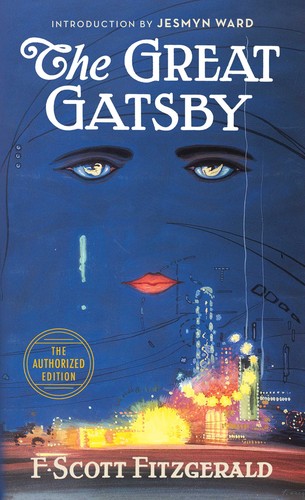
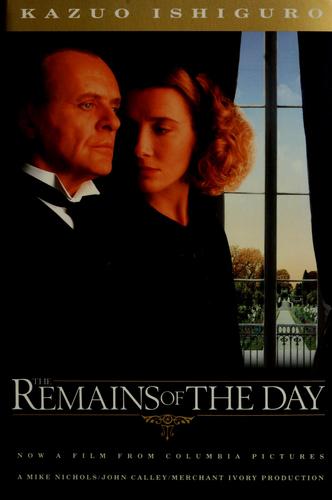
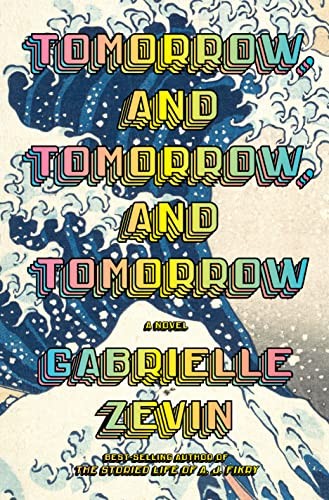
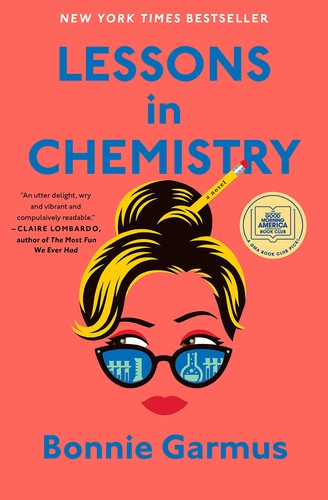
The Great GatsbyF. Scott FitzgeraldThe foundational American text on the subject: a man who builds an extraordinary self in pursuit of a specific dream and discovers, when the dream is almost within reach, that it was never actually available. Fitzgerald’s argument is not that Gatsby fails — he achieves almost everything he sets out to achieve — but that the achievement reveals the dream as a misidentification: Gatsby wanted Daisy but what he actually wanted was the feeling of the green light, the perpetual promise, the future that is always five years away. The novel’s most disturbing insight is that achieving the ambition destroys the reason for having it. Wolf HallHilary MantelMantel’s Cromwell is the most fully realized portrait of practical ambition in English literary fiction: not the romantic ambition of self-invention but the political ambition of someone who understands power completely and works it with extraordinary skill. What Mantel renders with unusual honesty is what that understanding requires — the specific flexibility of conscience, the people who must be sacrificed, the version of yourself you become in the process of becoming indispensable to a king. The novel never condemns Cromwell, which is exactly right: the accounting is left to the reader, who by the end of the trilogy knows where this efficiency leads. The Remains of the DayKazuo IshiguroStevens’s ambition is the most precisely rendered on this list because it is the most specific: to be a great butler, to serve a great man, to achieve the professional ideal that organized his life. He achieved it. And he is now, in retrospect, understanding what achieving it required him not to notice — about his employer’s politics, about Miss Kenton’s feelings, about his own. Ishiguro is interested in the ambition that was entirely legitimate on its own terms and that, in retrospect, organized a life around the wrong thing. The cost here is not failure but a specific kind of success that consumed everything around it. Tomorrow, and Tomorrow, and TomorrowGabrielle ZevinZevin’s novel is the most contemporary treatment of creative ambition on this list and the most honest about its specific costs: the relationship that the work consumes, the collaborator who becomes a competitor, the way the game industry extracts from the people who love it most. Sam and Sadie’s ambition is for the work itself — they want to make great things — which is the most sympathetic form of ambition and the one that Zevin treats with the most complexity, because even the ambition for excellence produces damage that neither party fully accounts for while it’s happening. Lessons in ChemistryBonnie GarmusGarmus’s novel inverts the usual ambition narrative: Elizabeth Zott has the ambition and the capacity, and the cost is imposed by a world that has decided her ambition is illegitimate. The novel is about what happens to ambition when the structures around it are designed to redirect or extinguish it — what it costs to pursue it anyway, what it costs to abandon it, and what the person who survives all of this looks like on the other side. The most pointed political treatment of ambition on this list, and the one most interested in what systemic resistance does to individual drive over time. Who This Is For
Readers who are interested in ambition as a subject for honest fiction — not the triumphant version but the full accounting, including what it cost and what it turned out to mean. The literary fiction catalogue has more.
Frequently asked questions
Q: Is this list about ambition that fails?
A: Not exactly. Gatsby fails; Cromwell succeeds catastrophically; Stevens succeeds and discovers the cost in retrospect; Sam and Sadie achieve their creative ambitions and damage each other in the process; Zott is blocked and then redirected. What they share is not failure but the experience of ambition’s full price — which is sometimes a failed achievement and sometimes a successful one.
Q: Is Wolf Hall too long for readers new to Hilary Mantel?
A: Wolf Hall is 650 pages, and the two sequels add another 1,200. The first novel stands alone and is the right entry point. Mantel’s present-tense narration requires adjustment in the early pages; most readers find it natural within a chapter.
Q: Why Lessons in Chemistry on a literary fiction list?
A: Because Garmus is making a serious argument about gendered ambition through a comic novel, and the argument is precise enough to belong alongside Fitzgerald and Ishiguro. The comedy is the form the anger takes, not a separate register.
Not sure which of these is right for you? The Pagesmith quiz matches you to books based on your mood, pacing preference, and reading goals. Takes two minutes.