Books Like A Gentleman in Moscow for Readers Who Love Immersive Worlds
A Gentleman in Moscow works because the Metropol Hotel becomes a complete world -- with its own rules, its own seasons, its own cast of people who matter deeply over time. The pleasure is not plot but immersion: being inside a place so fully rendered that leaving it at the end is a genuine loss. These five books deliver the same experience.
July 2026 · 5 min read · The Pagesmith
What A Gentleman in Moscow offers that most novels don’t is the specific pleasure of a world that becomes home. Rostov’s hotel is not a backdrop but a place with its own ecology — the restaurant, the attic, the bees on the roof, the changing cast of guests who arrive and depart across thirty years — and Towles builds it with enough specificity and enough warmth that the reader comes to inhabit it alongside Rostov. The five novels here share that specific quality: they are organized around a place or world rendered so completely that the reader’s relationship to it becomes something close to belonging.
The Books
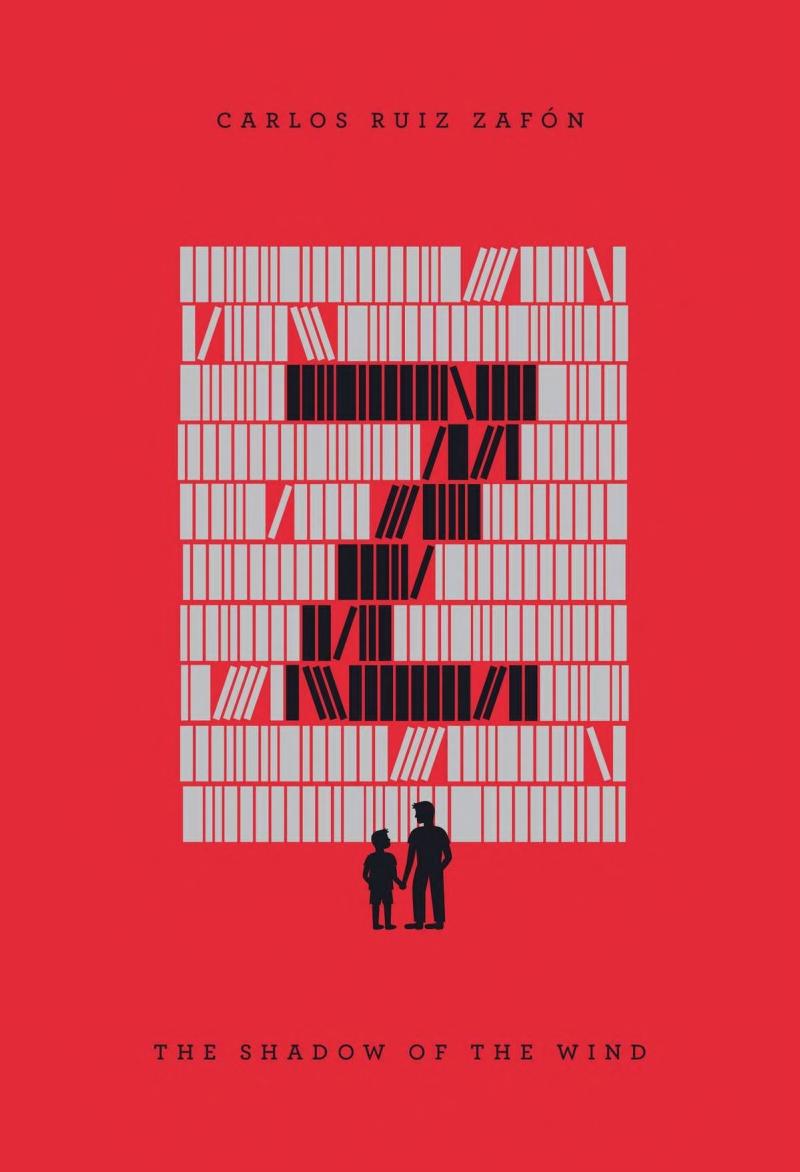
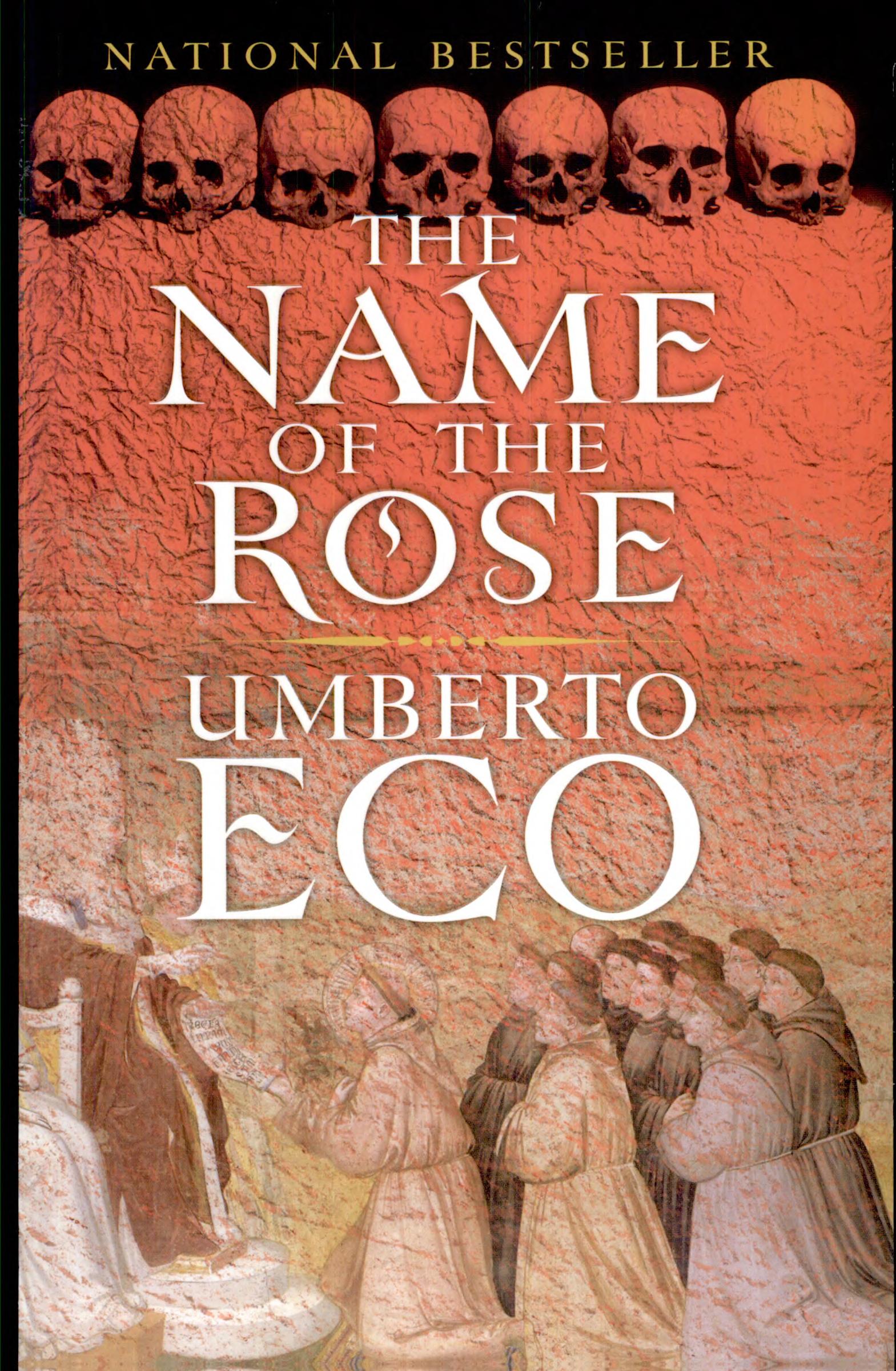
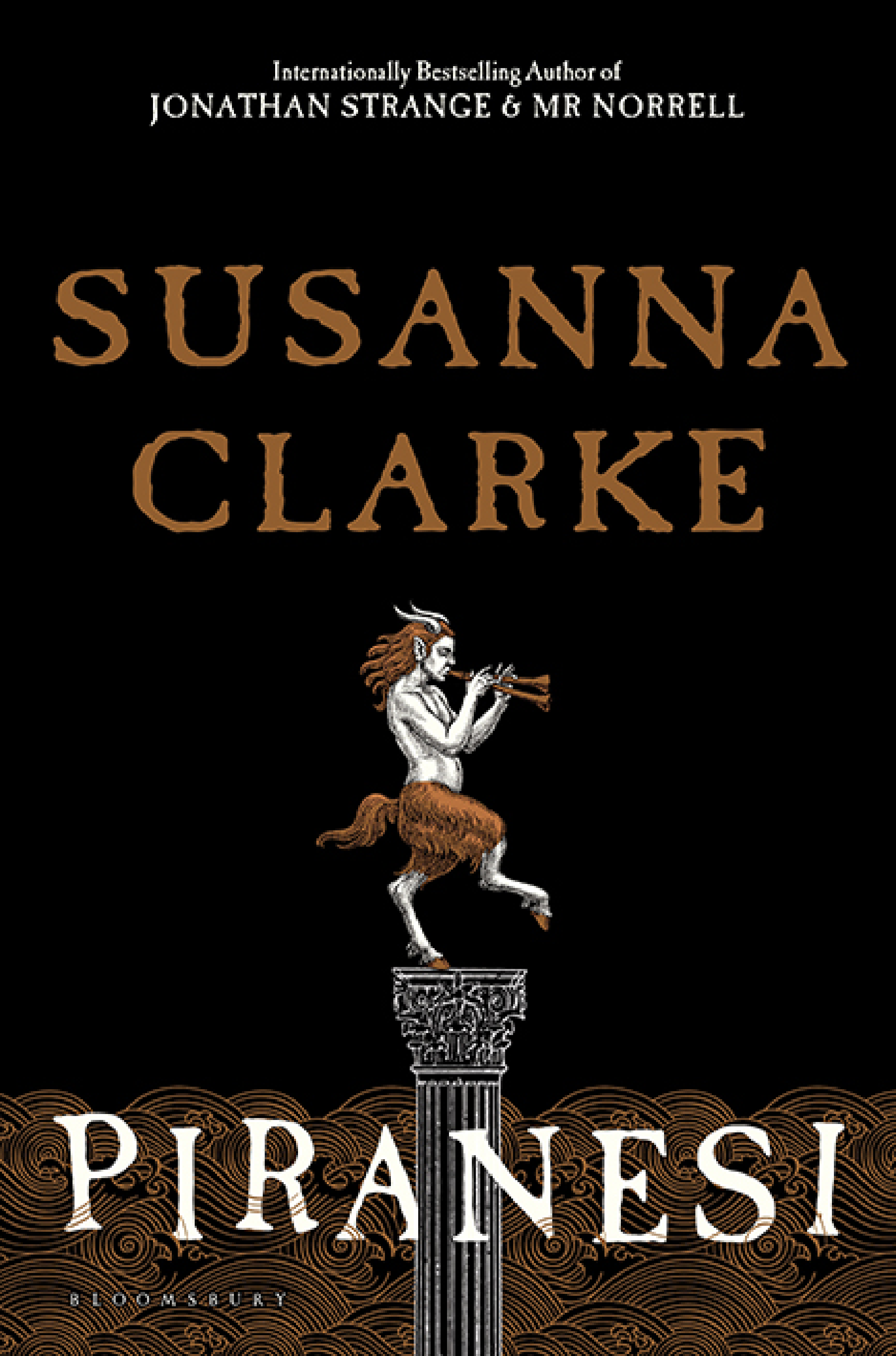
The Shadow of the WindCarlos Ruiz ZafonThe closest structural equivalent: post-Civil War Barcelona rendered as a complete world with its own atmosphere, its own rules, its own mythology — specifically the Cemetery of Forgotten Books, an impossible place described with such matter-of-fact specificity that it becomes as real as the Metropol’s restaurant. Zafon builds Barcelona the way Towles builds the hotel: not as a setting but as a presence, a place that has its own history and its own gravity and that shapes everything that happens inside it. The warmth, the mystery, the cast of vivid secondary characters — all of it is recognizable to readers of A Gentleman in Moscow. The Name of the RoseUmberto EcoA medieval Italian abbey rendered with the same completeness that Towles brings to the Metropol: the library, the scriptorium, the refectory, the church, each space with its own rules and its own secrets. Eco builds the abbey so precisely — architecturally, theologically, socially — that it becomes a world with its own logic, and the mystery that unfolds inside it is inseparable from the specific place that contains it. The detective elements will satisfy readers who found the Metropol’s mysteries engaging, and the intellectual pleasures — the debates about poverty and laughter and the authority of texts — are more demanding than Towles but equally rich. The Night CircusErin MorgensternMorgenstern’s circus is the most purely immersive setting on this list: a black-and-white magical tent that arrives without warning and disappears before dawn, with its own rules, its own performers, its own specific sensory world of caramel apples and ice gardens and a tent full of bottles that hold scents from everywhere on earth. The novel’s plot — a magical competition between two trained illusionists — is less important than the pleasure of being inside the circus itself, which Morgenstern renders with such precise, accumulating detail that it becomes one of the most fully realized fictional spaces in recent popular fiction. The most purely escapist recommendation on this list. PiranesiSusanna ClarkeClarke’s House — infinite halls, tidal lower floors, statues of impossible variety, upper reaches where clouds form — is the most formally radical immersive world on this list. Where Towles builds the Metropol through accumulated realistic detail, Clarke builds the House through Piranesi’s patient, loving cataloguing of its impossibilities, which produces the same effect through completely different means: a place so fully rendered that the reader inhabits it alongside the narrator. The novel is short and can be read in a sitting; the world it builds lingers considerably longer than that. Station ElevenEmily St. John MandelMandel’s post-pandemic Great Lakes region becomes a world in the same way the Metropol does: through the accumulation of specific people, specific places, specific objects that carry memory across the catastrophe. The Traveling Symphony’s circuit of settlements, the Museum of Civilization at the Severn City Airport, the specific texture of a world twenty years after collapse — all rendered with enough detail that the reader comes to feel they know this landscape as well as any setting in realistic fiction. The tonal complement to A Gentleman in Moscow: where Towles is warm and contained, Mandel is elegiac and expansive, but both are organized around a world that becomes home. Who This Is For
Readers who finished A Gentleman in Moscow and most wanted more of its specific quality of total immersion in a fully realized world. The literary fiction and historical fiction catalogues have more.
Frequently asked questions
Q: Which of these is closest to A Gentleman in Moscow in tone?
A: The Shadow of the Wind — warmth, mystery, a vivid cast of characters, a love for the specific place that contains the story. The Night Circus if you want something more purely magical and less historical.
Q: Is The Name of the Rose accessible to readers without medieval history knowledge?
A: Yes. Eco provides context and the mystery drives the plot. Readers with more background find additional resonances, but the novel works fully without specialist knowledge.
Q: Is Piranesi really comparable to something as warm as A Gentleman in Moscow?
A: The tone is quieter and stranger, but the specific pleasure — being completely inside a world through the eyes of someone who loves it without reservation — is the same. Piranesi’s relationship to the House is Rostov’s relationship to the Metropol: complete, patient, and deeply felt.
Not sure which of these is right for you? The Pagesmith quiz matches you to books based on your mood, pacing preference, and reading goals. Takes two minutes.