What to Read After Never Let Me Go
Never Let Me Go works by making the unbearable feel ordinary. The clones accept their fate with a quietness that is more disturbing than any resistance would be -- and Ishiguro's flat, controlled prose is the delivery mechanism. These five books share something of that method: speculative premises rendered from the inside, horror arriving not through drama but through the slow accumulation of what the narrator accepts as normal.
July 2026 · 5 min read · The Pagesmith
Never Let Me Go is not a science fiction novel in any conventional sense. The cloning technology is incidental; what matters is what Kathy H. does with it, which is accept it. Ishiguro’s method — a narrator who describes her situation with such careful equanimity that the reader slowly realizes the equanimity itself is the horror — is not easily replicated, but the five novels here each share a version of its essential gesture: a world that has done something terrible to people, rendered from inside the experience of people who have absorbed the terrible thing as simply the condition of their lives.
The Books
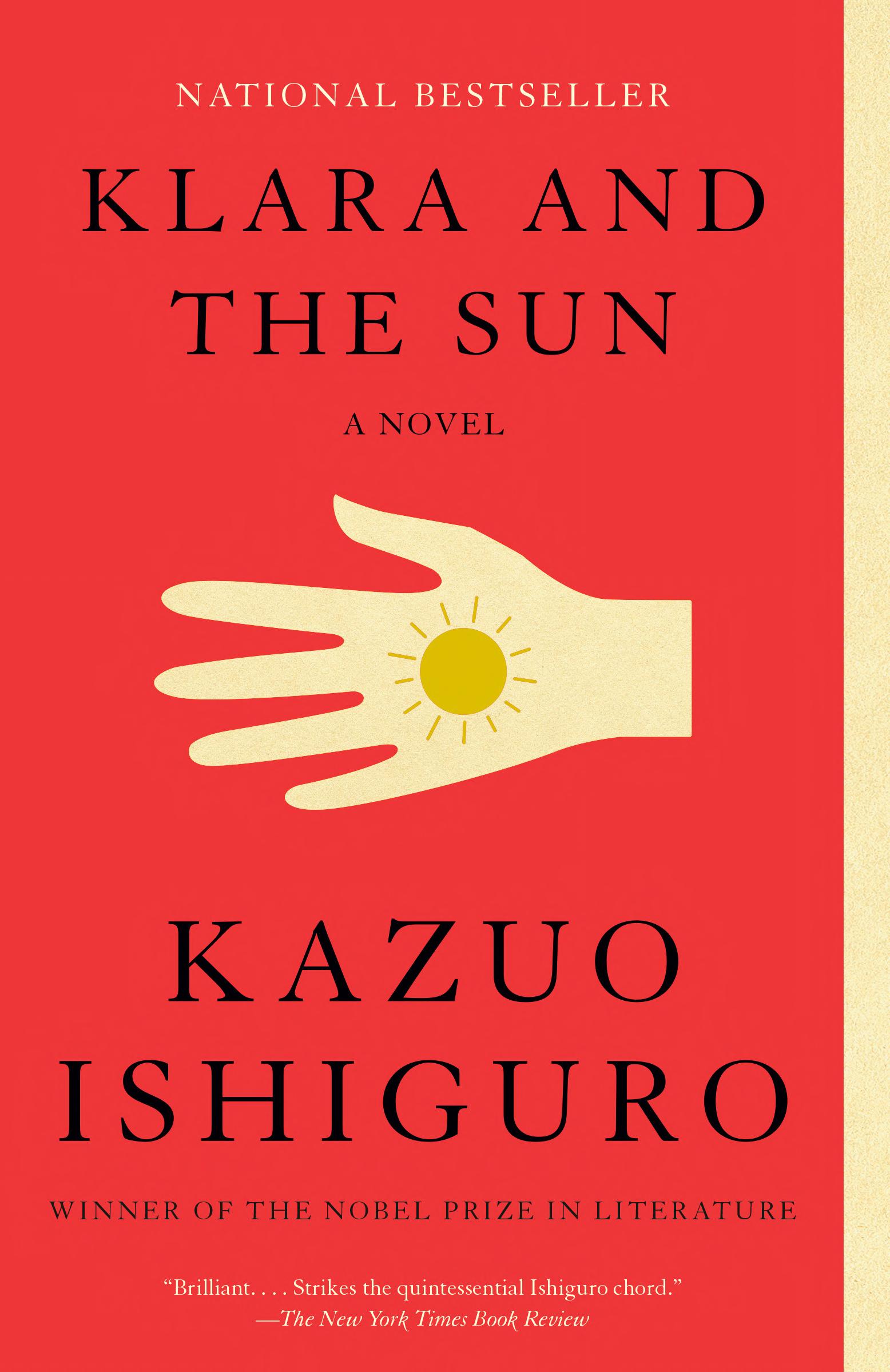
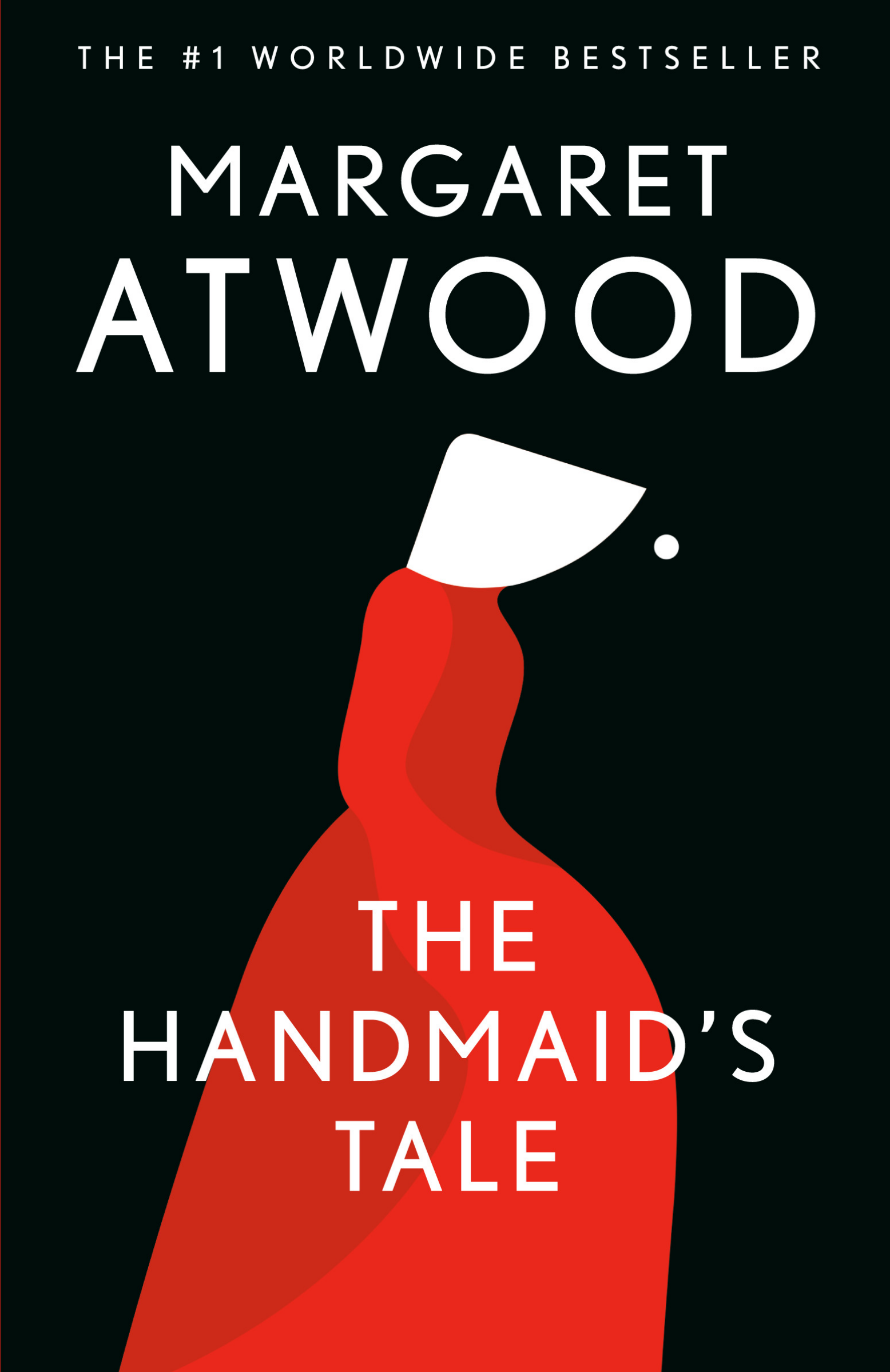
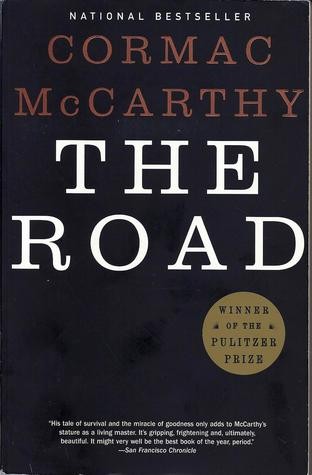
Klara and the SunKazuo IshiguroThe direct companion by the same author, applying the same formal method to a different premise: an AI narrator observing human behavior with extraordinary precision and understanding it imperfectly. Where Kathy H.’s limitation is what the system has allowed her to know, Klara’s limitation is structural — the gaps in an artificial consciousness are different from the gaps in a human one, and Ishiguro maps them with the same patience he brought to Hailsham. The novel asks the same question Never Let Me Go asks, from the other side: what does it mean to substitute one consciousness for another, and does the substitution preserve what mattered? The Handmaid’s TaleMargaret AtwoodAtwood’s Offred and Ishiguro’s Kathy H. share the same essential situation: women whose bodies have been conscripted by a system that was built before they were born, narrating their experience in prose that is quiet when it should perhaps be screaming. The difference is register — Offred has more anger just beneath the surface — but both novels are organized around what a person does with an impossible situation when resistance has been made unavailable. The horror in both arrives through the narrator’s adaptation rather than through any single dramatic event. Station ElevenEmily St. John MandelThe tonal counterpart: where Never Let Me Go renders a diminished future with stillness, Station Eleven renders one with warmth. Mandel’s post-pandemic world is organized around what people preserve when civilization collapses — art, memory, human connection — and the novel’s specific argument is that these things are more durable than the infrastructure that produced them. The two novels read well together because they ask the same question from opposite emotional directions: what is essential in a human life, and what does a world that removes it reveal? Brave New WorldAldous HuxleyNever Let Me Go’s deepest structural companion: a society that has engineered its underclass to be content with their diminishment. Huxley’s citizens, like Ishiguro’s clones, do not resist because they have been produced not to resist — the system works by building the compliance in from the beginning. The difference is that Huxley’s citizens are genuinely happy and Kathy H. has something closer to grief, which Ishiguro renders as more disturbing than Huxley’s engineered contentment: grief implies awareness, and awareness without the ability to act is its own kind of horror. The RoadCormac McCarthyThe most tonally extreme recommendation — McCarthy’s stripped prose against Ishiguro’s careful precision — but the right one for readers who responded most to Never Let Me Go’s question about what survives when everything is taken away. McCarthy’s father and son carry “the fire” through a world from which almost everything human has been removed, and the novel’s answer about what that fire consists of is the same answer Ishiguro gives through Tommy and Kathy’s relationship: something that remains meaningful even when it cannot change anything about the outcome. Who This Is For
Readers who finished Never Let Me Go wanting more fiction that renders the impossible as ordinary — where the horror arrives through what the narrator accepts rather than through what happens. The literary fiction and sci-fi catalogues have more in this direction.
Frequently asked questions
Q: Is Never Let Me Go science fiction?
A: Technically yes — the cloning technology is the premise. But Ishiguro uses it the way Kafka uses bureaucracy: as the given condition of a world, not the subject of the novel. The subject is what Kathy H. does with her situation, which is a human subject that happens to require a speculative premise to make fully legible.
Q: Does Station Eleven require knowledge of the pandemic context to read after COVID?
A: Mandel published it in 2014, before COVID, and readers report that the post-pandemic context makes it both more resonant and more uncomfortable. It is not a pandemic novel in the way later pandemic fiction is — it is more interested in what comes after than in the catastrophe itself.
Q: Which of these is closest to Never Let Me Go in tone?
A: Klara and the Sun, by the same author. The Handmaid’s Tale is the closest in subject matter and political register.
Not sure which of these is right for you? The Pagesmith quiz matches you to books based on your mood, pacing preference, and reading goals. Takes two minutes.