What to Read in Your Thirties
The thirties are when the choices become real. You have made enough of them to live with, and you are starting to understand that they are not all reversible. The books for this decade are less about figuring out who you might become and more about reckoning with who you are -- and what the gap between the two actually costs.
July 2026 · 6 min read · The Pagesmith
The twenties are about becoming. The thirties are about reckoning with what you became — which is a different kind of reading. The books that served you at twenty-four (figuring out what you want, who you love, what you believe) are not quite right anymore. What you need now are books organized around people who have made their choices and are living inside them, discovering what they actually added up to. These six novels understand that specific work: not the wide-open uncertainty of earlier years but the more particular difficulty of a life that has taken shape and must now be honestly assessed.
The Books
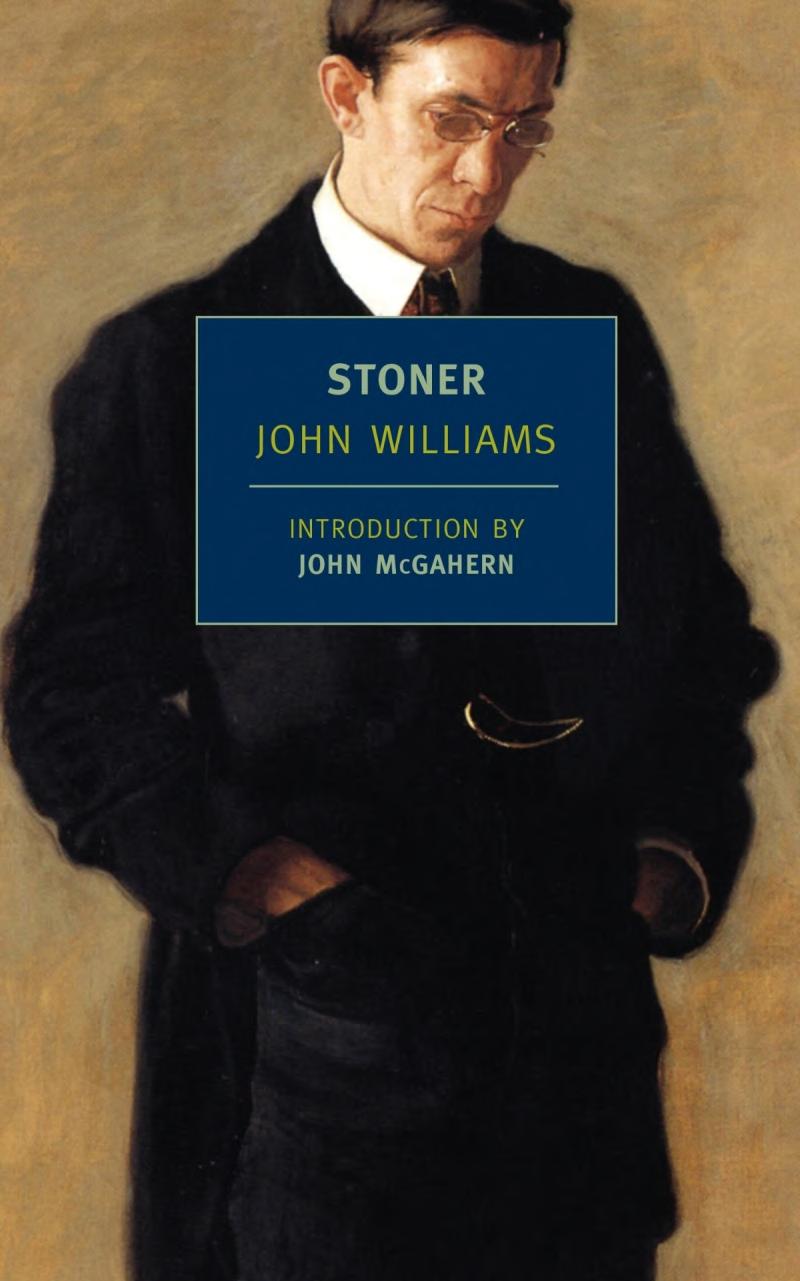
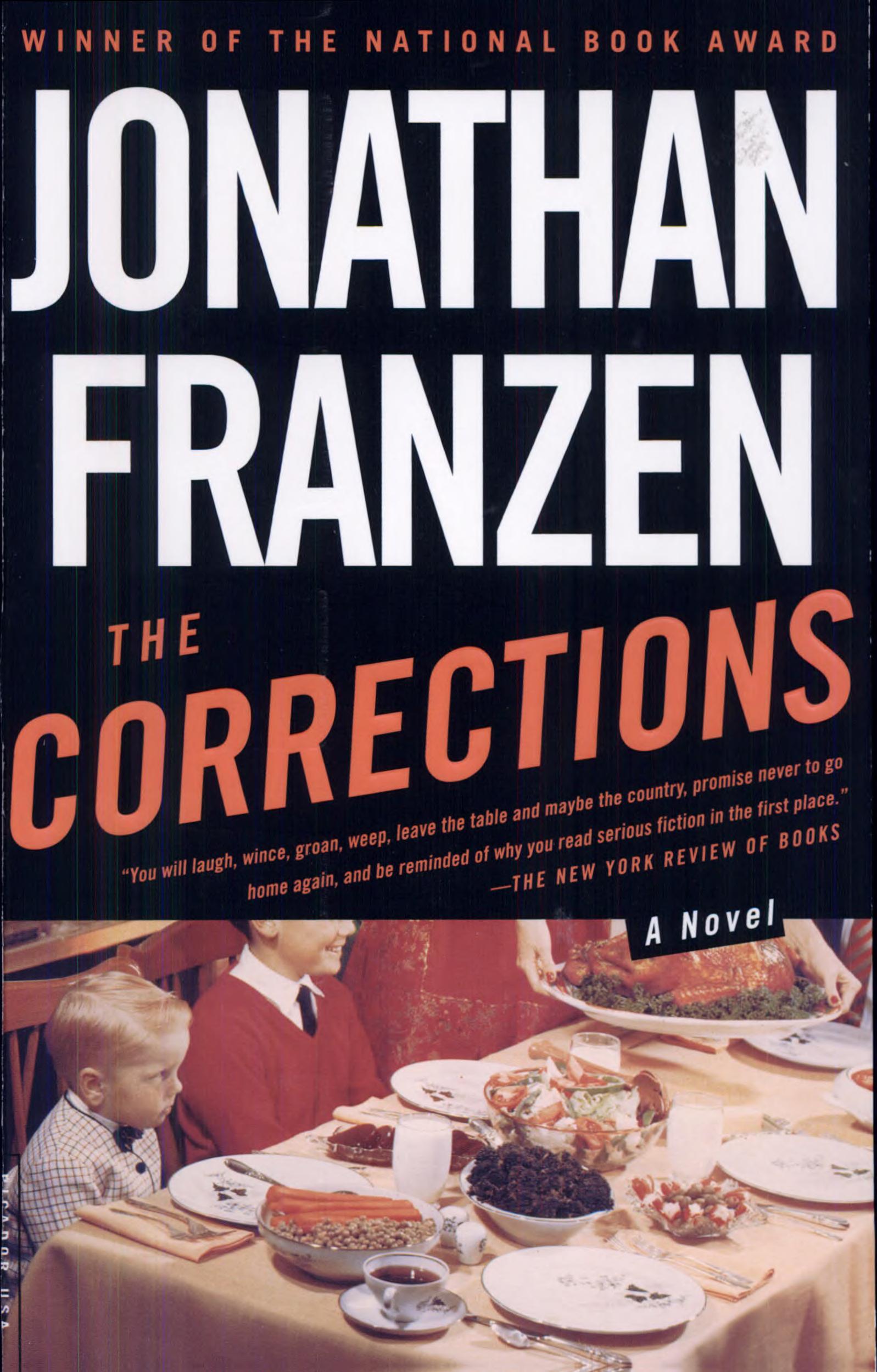
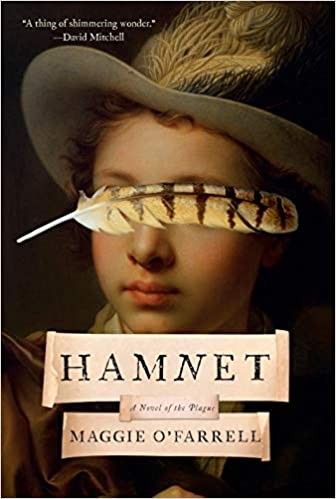
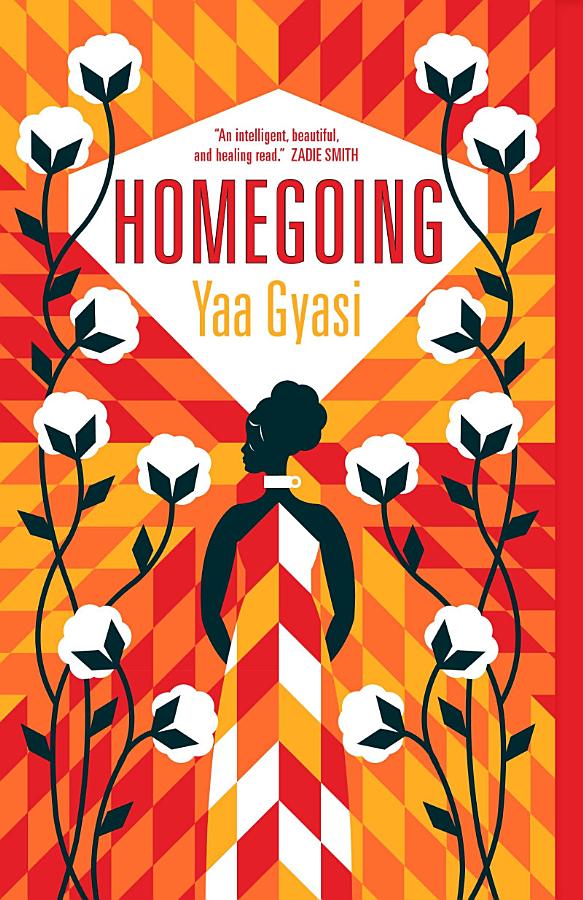
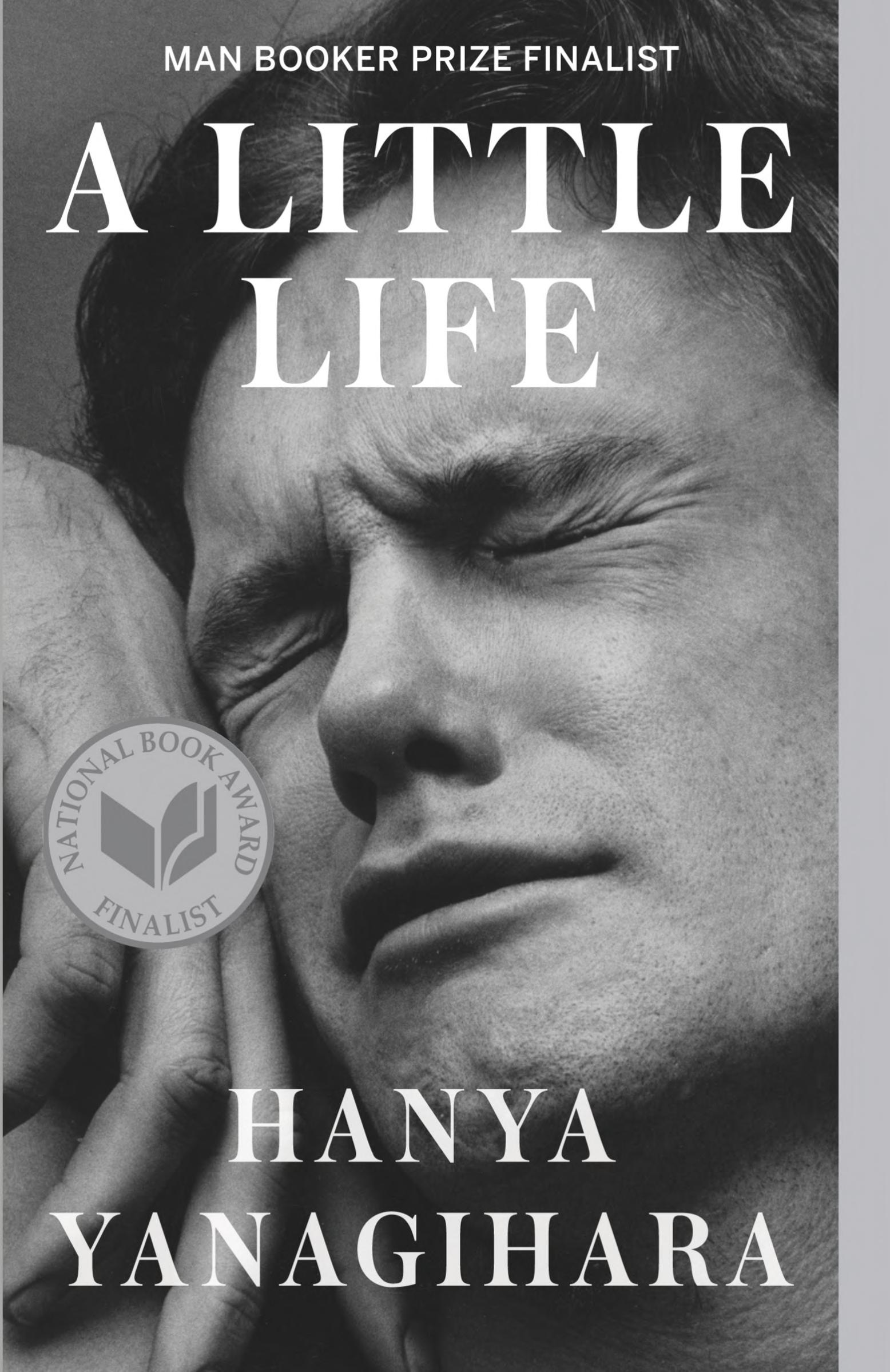
StonerJohn WilliamsThe essential novel for this decade because it is organized around exactly the question the thirties force: what does it mean to have built a life around something, and was it the right thing to build it around? Stoner found literature at twenty and organized everything around that discovery — career, identity, the meaning of his days — and Williams renders the full arc of that choice with unhurried patience. The novel is not a warning and not a consolation. It is an honest accounting of one version of a life devoted to what mattered, and it reads differently at thirty-five than it does at twenty-two. The CorrectionsJonathan FranzenFranzen’s three Lambert siblings are each in their thirties and each living with a version of the same discovery: that the life you built in your twenties has produced a specific person you did not entirely intend to become. Gary has the house and the family and the career and is quietly going to pieces; Chip has jettisoned everything and is adrift; Denise has achieved professional success and managed to lose almost everything else along the way. The novel is the fullest available portrait of what early middle age actually does to people who were not paying close enough attention to how they were living. HamnetMaggie O’FarrellO’Farrell’s novel about Shakespeare’s son renders grief at the specific scale the thirties make possible: the loss of a child, which requires having had a child, which requires a life substantial enough to have produced that love and that loss. Agnes’s grief is not the abstract grief of early adulthood but the very specific grief of a woman who built a life and lost a central part of it, and O’Farrell renders what that loss does to the marriage, the family, the work — the full texture of a life interrupted rather than a self still forming. The most emotionally demanding novel on this list and the one that most specifically requires the reader to have lived enough to feel its full weight. HomegoingYaa GyasiGyasi’s multigenerational novel reads differently in the thirties because the decade is when inheritance becomes visible — when you can see clearly enough of your own story to understand what you received from the people before you and what you are passing on. Each generation in Homegoing inherits what the previous generation survived, and the accumulation is what the present consists of. At twenty you read this as history. At thirty-five you read it as something about the specific transmission between generations that you are now inside from both ends. A Little LifeHanya YanagiharaYanagihara’s novel is the most extreme on this list and the one that requires the most from the reader — not in terms of difficulty but in terms of emotional capacity. It is specifically a novel about what childhood trauma does to an adult life across decades, which means it requires a reader who understands, from the inside, what it means to carry something from the past into the present. The thirties are often the decade when people seriously reckon with that carrying — in therapy, in relationships, in the choices they notice themselves making — which makes this the right moment for a novel that renders it at full scale. LessAndrew Sean GreerGreer’s Pulitzer winner is the comedy on this list, and it earns its place because Arthur Less’s specific predicament — turning fifty having achieved a moderate literary career and a series of relationships that didn’t quite work out — is the exaggerated version of a genuinely common thirties fear. The novel is funny about this because Greer takes the underlying anxiety seriously enough to render it precisely, and the comedy is not at Less’s expense but at the expense of the belief that any particular achievement or relationship was going to resolve the fundamental uncertainty of being a person. The lightest entry on this list and the most immediately readable. Who This Is For
Readers in their thirties who want novels that understand the decade’s specific accounting, and readers past their thirties who want to revisit it honestly. The literary fiction catalogue has more.
Frequently asked questions
Q: Is A Little Life appropriate for all readers in their thirties?
A: No. It contains sustained, explicit depictions of childhood sexual abuse and self-harm. Readers with relevant trauma history should approach with care. For those who are ready for it, it is among the most significant novels of the past decade.
Q: Is Stoner too slow?
A: Deliberately so. The pacing is the argument — Williams gives equal weight to each period of Stoner’s life, which is what makes the novel’s eventual accounting feel complete rather than selective. Readers who find it slow in the first fifty pages consistently report that the pace becomes the novel’s most affecting quality by the end.
Q: Why Less rather than a more serious novel for this list?
A: Because the thirties also require comedy — specifically the comedy of recognizing that the anxiety you’ve been carrying about whether your life is going according to plan is shared by everyone else who appears to be going according to plan. Less is funny and true about that recognition.
Not sure which of these is right for you? The Pagesmith quiz matches you to books based on your mood, pacing preference, and reading goals. Takes two minutes.