Best Books for Skeptics of Human Nature
Some readers have looked at the evidence and concluded that people are not, at bottom, as reasonable or as good as they'd like to be. These six novels were written for them -- and are honest enough about the evidence that they might convert a few optimists along the way.
June 2026 · 6 min read · The Pagesmith
There is a difference between cynicism and honest skepticism about human nature, and the novels here are interested in the second. They are not nihilistic — none of them argue that people are irredeemably bad — but they are unwilling to accept the consoling version of human nature that most cultural narratives prefer. They have looked at what happens when the structures that maintain ordinary decency are removed, or when the incentives for cruelty outweigh the incentives for cooperation, or when the capacity for self-justification meets the opportunity for genuine harm. The picture that emerges is not flattering, but it is useful: understanding what people are actually capable of is more valuable than believing in what they are supposed to be.
The Books
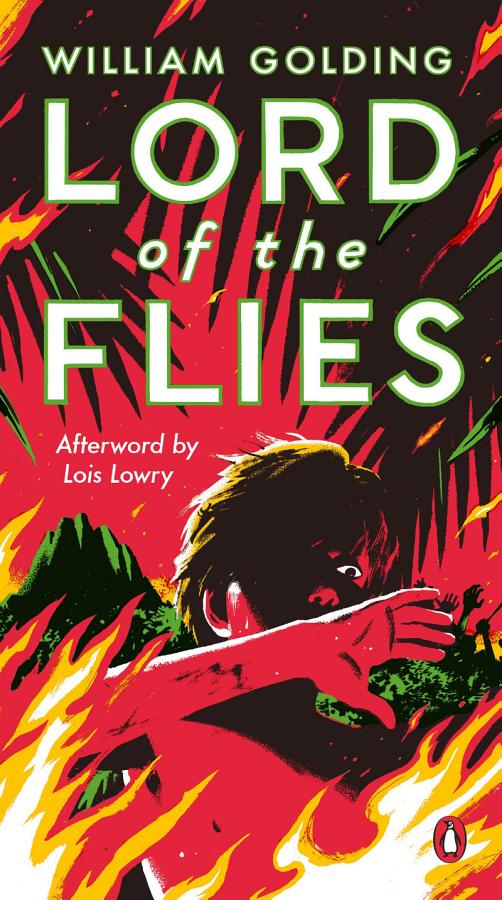
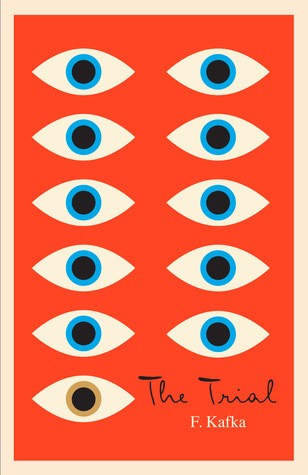
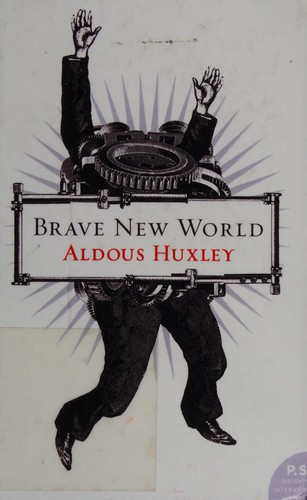
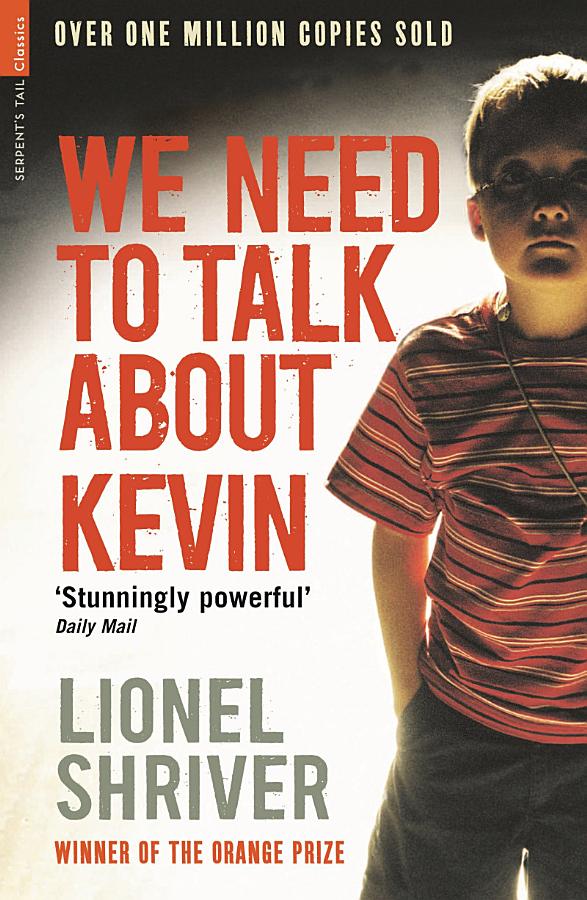
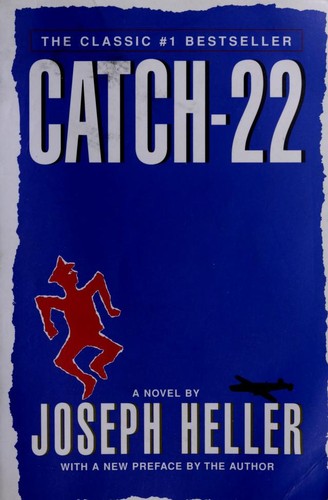
Lord of the FliesWilliam GoldingThe foundational literary argument that civilization is a thin layer over something more primary. Golding’s boys on the island lose their capacity for social cooperation not because they are exceptional but because the structures that maintained it have been removed — which is the novel’s specific and disturbing argument: it is not bad individuals who produce social collapse but the removal of the conditions that make cooperation rational. The naval officer who arrives at the end is himself a participant in organized violence; Golding refuses to locate the problem in the children rather than in human nature more generally. The TrialFranz KafkaKafka’s argument about human nature is institutional rather than individual: the system that arrests and tries Josef K. is not operated by monsters but by ordinary people following rules that produce monstrous outcomes. The human nature at issue here is not the capacity for cruelty but the capacity for complicity — the willingness to participate in a process without requiring that it make sense, the tendency to defer to authority even when the authority is plainly operating without rational basis. Kafka’s skepticism is about what people do when they are part of systems, which is arguably more disturbing than what they do as individuals. The StrangerAlbert CamusCamus’s novel is about the specific form of human irrationality that the skeptic finds most troubling: the need to impose narrative on events that have no inherent meaning. Meursault’s trial is not organized around what he actually did — shoot a man — but around what his behavior at his mother’s funeral means, because the court needs to construct a coherent story about who he is in order to produce a verdict. Camus’s argument is that this need for narrative coherence is both universal and dangerous: what the court does to Meursault, narrative does to all of us, replacing the indifferent reality of events with interpretations that serve specific social purposes. Brave New WorldAldous HuxleyHuxley’s argument about human nature is the most depressing on this list because it is not about violence or complicity but about preference: given the choice between comfort and meaning, most people will choose comfort. The citizens of the World State are not coerced — they genuinely prefer soma and Feelies and casual sex and the absence of suffering to any of the alternatives that involve actual depth. Huxley is suggesting that the dystopia most dangerous to human nature is not the one that forces compliance through fear but the one that achieves it through satisfaction, because satisfaction requires no active resistance to undermine it. We Need to Talk About KevinLionel ShriverShriver’s novel is organized around the most uncomfortable version of the nature skeptic’s question: is a capacity for cruelty something that can exist from the beginning, regardless of nurture? Kevin is presented as a child who may simply be malevolent — not damaged, not abused into his violence, but oriented toward cruelty as an expression of who he is. Shriver refuses to resolve this definitively, and the refusal is the argument: we don’t know whether Kevin was made or born, and our discomfort with the question reveals our investment in believing that nature can always be corrected by better nurture. Catch-22Joseph HellerHeller’s specific skepticism is about what people do with institutional power: not dramatic evil but the ordinary accumulation of self-interest within systems that have been designed to serve stated purposes other than self-interest. Milo Minderbinder is the novel’s most precise characterization of this phenomenon — a man who has completely internalized the logic of the market and for whom any action that produces profit is therefore justified, including bombing his own squadron. The comedy is the diagnostic tool: the only appropriate response to what Heller is describing is laughter, because the alternative is despair, and despair would suggest the situation is exceptional rather than structural. Who This Is For
Readers who are skeptical of optimistic accounts of human nature and want fiction that shares that skepticism without sliding into nihilism — who want to understand what people are actually capable of, which is the precondition for any honest effort to produce better conditions. The literary fiction catalogue has more in this direction.
Frequently asked questions
Q: Does being skeptical of human nature require pessimism?
A: Not necessarily. Understanding what conditions produce the worst behavior is the prerequisite for designing conditions that produce better behavior. Most of the writers here are interested in the conditions that make cruelty or complicity rational, which implies that changing the conditions is possible.
Q: Is We Need to Talk About Kevin too disturbing to read?
A: It deals with a school shooting and with severe family dysfunction across Kevin’s childhood. The content is disturbing and intentionally so. Readers who find this subject matter too close should approach with appropriate care.
Q: What makes The Stranger a novel for nature skeptics rather than simply a novel about alienation?
A: Because Camus’s specific argument is about how human beings construct coherent narratives out of events that don’t inherently have them — and then act on those narratives as if they’re the events themselves. This is not alienation but a claim about the structure of human cognition and its social uses, which is the more interesting and more troubling argument.
Not sure which of these is right for you specifically? The Pagesmith quiz matches you to books based on your mood, pacing preference, and reading goals, not bestseller lists. Takes two minutes.