Six Books That Made History Feel Urgent
The history novel that works doesn't make the past feel distant and settled. It makes it feel close and contingent -- as if the people inside it didn't know how it would turn out, which is the only historically accurate way to render it. These six novels achieve that.
June 2026 · 6 min read · The Pagesmith
Most historical fiction fails in the same direction: it renders the past with the settled quality of retrospection, which is false to the experience of the people who lived in it. Nobody inside the Black Death knew it would end. Nobody at Agincourt knew they were at a legendary battle. The past was contingent for the people inside it — full of uncertainty, organized around possibilities that were open until they were closed — and historical fiction that makes it feel settled and knowable is not honestly rendering what history was like to inhabit. The novels here avoid that failure. Each one creates the specific quality of urgency that comes from inhabiting the past rather than surveying it — making the reader feel the weight of what was not yet determined rather than the weight of what we know happened next.
The Books
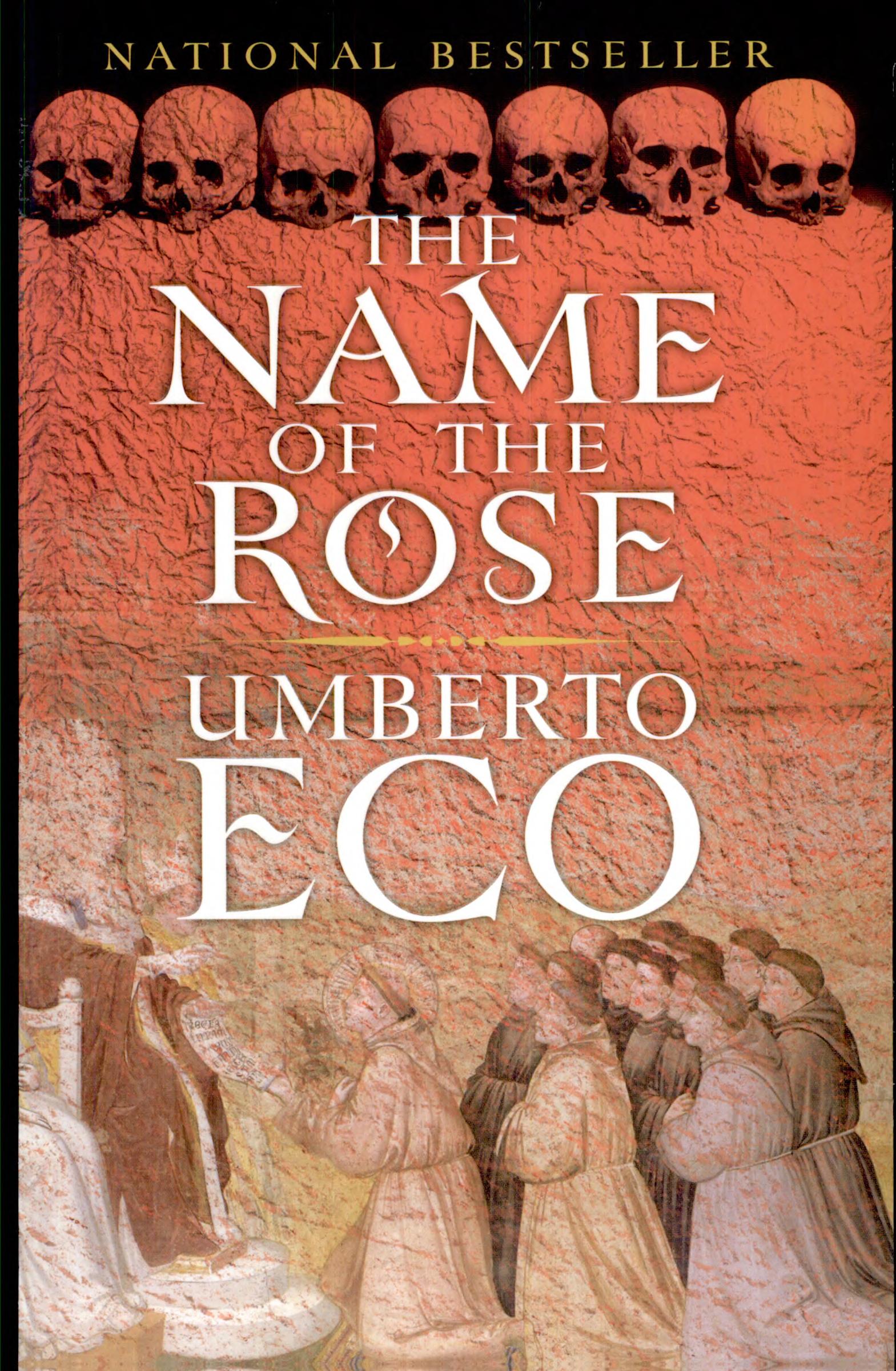
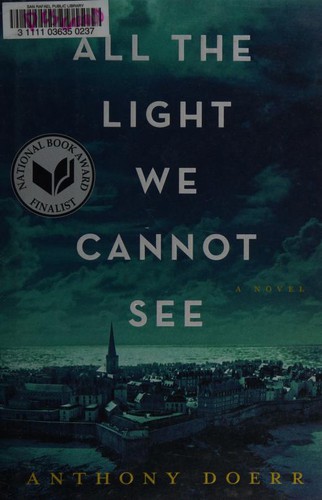
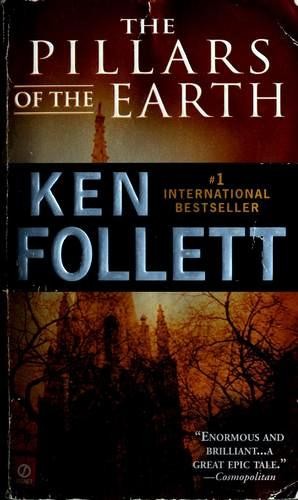
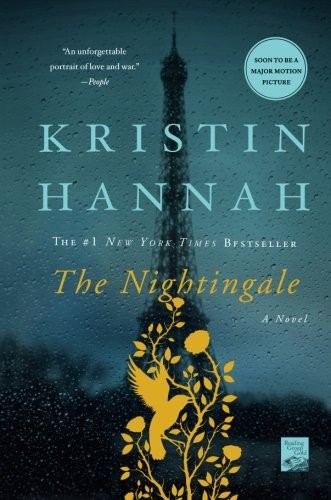
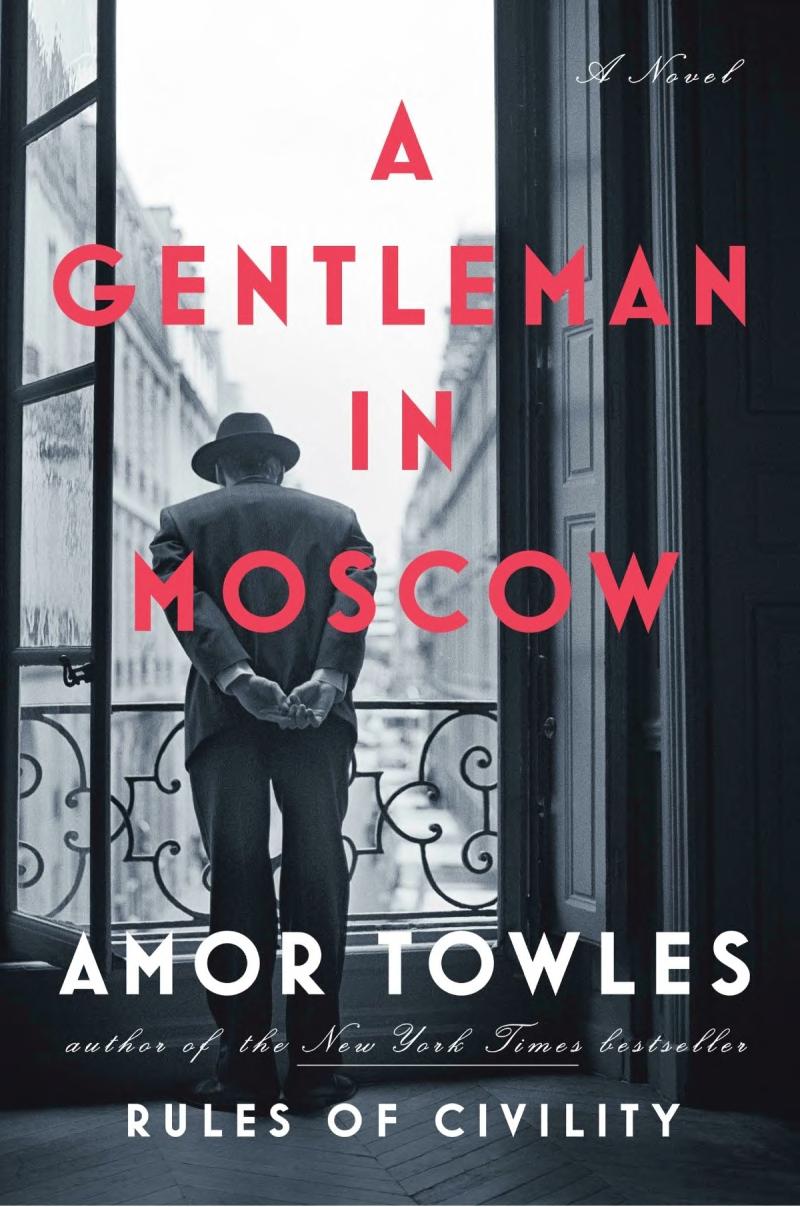
Wolf HallHilary MantelMantel’s present-tense narration of Cromwell’s rise in Henry VIII’s court is the most formally precise solution to the settled-past problem: by writing in the present tense and using “he” for Cromwell throughout, she forces the reader to inhabit Cromwell’s perspective in real time, without retrospective knowledge of what will happen. The reader knows — as history — what happened to Cromwell eventually, but Mantel makes the reader feel that Cromwell does not know this, which is the only honest rendering of his situation. The technical achievement here is as important as the historical research: the form creates the urgency. The Name of the RoseUmberto EcoEco’s medieval monastery mystery achieves urgency through density: the historical world is built with enough specificity — theological disputes, monastic politics, the specific texture of daily life in a fourteenth-century Italian abbey — that the reader inhabits it rather than observing it. The mystery creates forward momentum, but the novel’s deeper achievement is making the disputes of fourteenth-century Franciscan theology feel as urgent as they were to the people arguing them. Eco understood that historical subjects feel distant when they’re rendered at a distance, and intimate when rendered with the full seriousness that people at the time accorded them. All the Light We Cannot SeeAnthony DoerrDoerr’s Pulitzer winner creates urgency through structural compression: alternating chapters moving forward in small increments toward a convergence the reader can feel coming but cannot yet see, with the two protagonists’ lives rendered in such specific physical detail that their eventual intersection carries the weight of everything built before it. The novel is technically set during WWII, a period whose outcome is known, but Doerr’s rendering of Marie-Laure and Werner’s individual experiences is so present-tense in quality that the historical foreknowledge does not diminish the reader’s investment in what happens to these specific people in these specific days. The Pillars of the EarthKen FollettFollett’s twelfth-century cathedral-building epic is the most plot-driven entry on this list and the one that uses pace to create urgency: across nearly 1,000 pages, the stakes of medieval English political and religious conflict are rendered through characters with specific material interests in specific outcomes. Follett is interested in how history feels when you are inside its consequences rather than observing its causes, and his dense, propulsive rendering of what the building of Kingsbridge Cathedral actually required — politically, economically, architecturally — produces the urgency of people whose livelihoods and lives genuinely depend on decisions they cannot fully control. The NightingaleKristin HannahHannah creates urgency by refusing the retrospective moral clarity that most WWII fiction provides: neither Vianne’s accommodation of the German officer nor Isabelle’s Resistance work is rendered as simply right or simply wrong, because both sisters are making decisions in real time without knowing how the Occupation will end or what will be asked of them next. The novel renders occupation as the daily, ongoing condition it was — not a single dramatic moment but a continuous pressure of small decisions whose cumulative weight is only visible across the full arc of years. The urgency is the urgency of people who don’t yet know which choices they will have to live with. A Gentleman in MoscowAmor TowlesTowles creates urgency through confinement: Count Rostov under house arrest in the Hotel Metropol across thirty years of Soviet history makes the historical period feel urgent precisely because he cannot observe it directly. The Soviet Union’s transformations — Stalin’s rise, the purges, the war, the Khrushchev thaw — arrive at Rostov through the hotel’s guests and staff, which means the history is rendered as it actually reaches most people: obliquely, through its effects on individuals, without the full picture that retrospection provides. The novel’s warmth is earned against this backdrop of urgency; the comedy of Rostov’s situation depends on the reader understanding what is happening outside the hotel that Rostov can only partially see. Who This Is For
Readers who want historical fiction that makes the past feel inhabited rather than concluded — who are interested in how the people inside historical events actually experienced them, without the settled quality of retrospective narrative. The historical fiction catalogue has more in this direction.
Frequently asked questions
Q: What distinguishes good historical fiction from simply historical settings with fictional characters?
A: Good historical fiction renders the past as it was experienced from inside — with the uncertainty, the contingency, and the specific texture of daily life that the period actually involved. Historical settings with fictional characters often use the period as backdrop without doing the work of making the reader inhabit it. The difference is whether the historical context is doing structural work or decorative work.
Q: Is The Name of the Rose accessible to readers without background in medieval theology?
A: Yes — Eco provides context and the mystery mechanics work independently. Readers with more background find additional resonances, but the novel functions fully without specialist knowledge.
Q: Is The Pillars of the Earth too long for most readers?
A: It is 973 pages and plot-driven throughout, which makes it more readable at length than novels of comparable size that are more contemplative. Most readers who start it report that the pacing makes the length feel manageable.
Not sure which of these is right for you specifically? The Pagesmith quiz matches you to books based on your mood, pacing preference, and reading goals, not bestseller lists. Takes two minutes.