The American West in Fiction: Five Essential Novels
The West in American literature is not the West of the Western -- not cowboys and gunfights as genre -- but a specific landscape that has produced a specific mythology about freedom, violence, and what it means to be outside civilization's structures. These five novels take that mythology seriously enough to interrogate it.
June 2026 · 5 min read · The Pagesmith
The American West is one of the most written-about landscapes in American literature and one of the most mythologized. The mythology — frontier freedom, manifest destiny, the self-made man, the violence that clears the space for civilization — is powerful enough that it has shaped American self-understanding for two centuries, and the best literary fiction about the West has generally been in dialogue with that mythology rather than simply reproducing it. The five novels here each render the West’s actual terrain — its scale, its hardship, its specific capacity for both beauty and brutality — while also examining what the mythology of the West has required Americans to believe, and what it has required them to ignore.
The Books
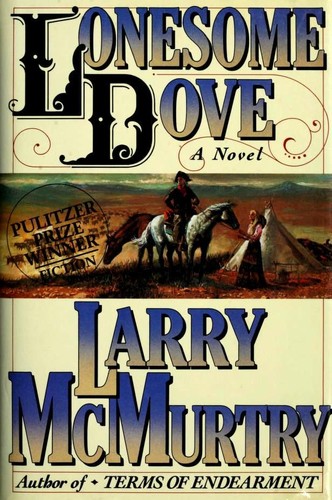
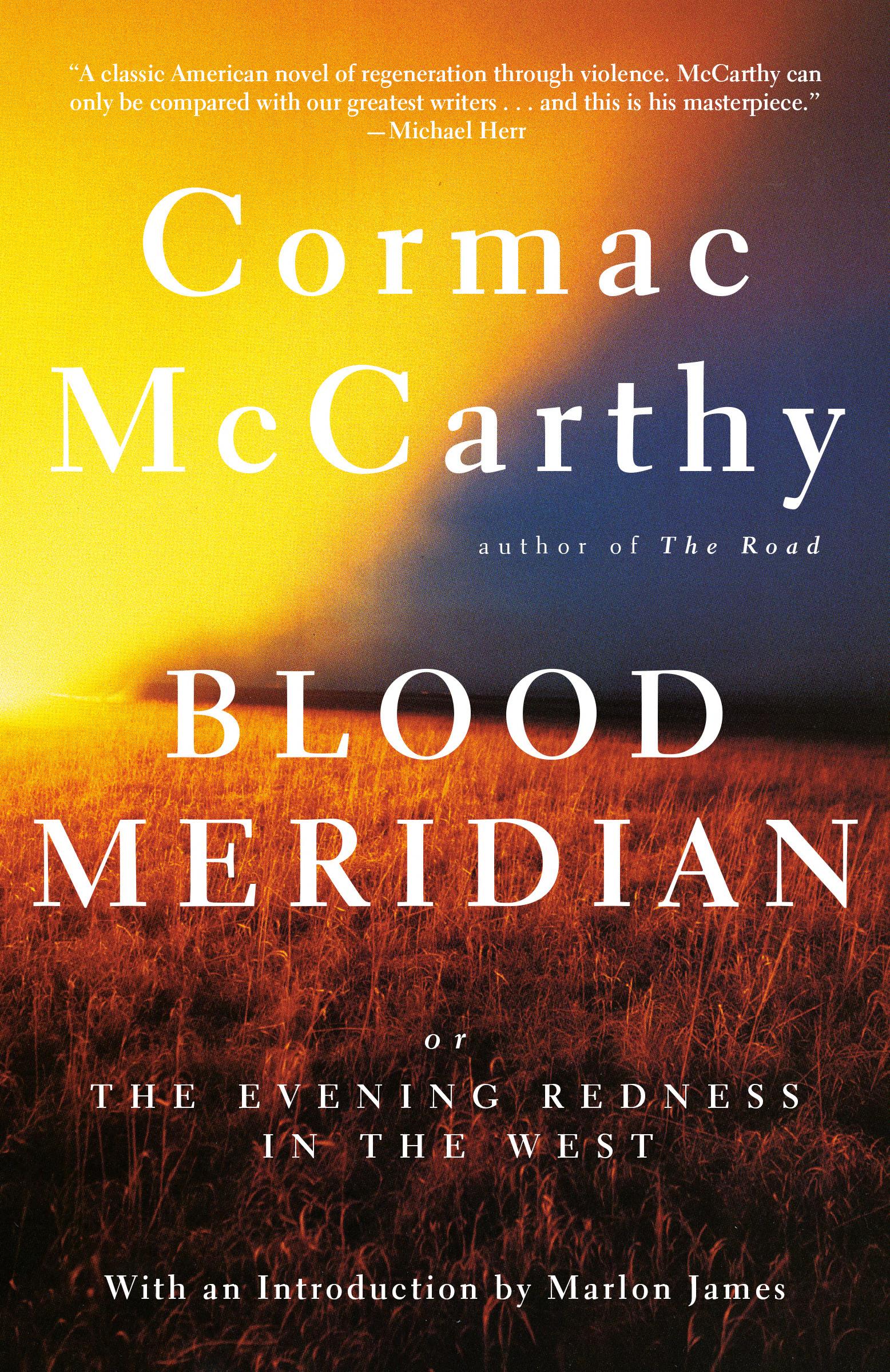
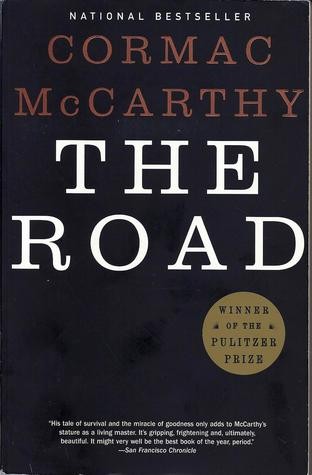
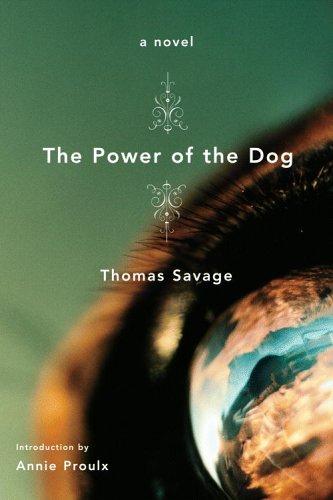
Lonesome DoveLarry McMurtryMcMurtry’s Pulitzer Prize winner is the West rendered at maximum scope: an 1870s cattle drive from Texas to Montana, organized around two former Texas Rangers whose friendship spans the full arc of the Western era. The novel is simultaneously the most affectionate treatment of the cowboy mythology and the most honest about what it cost — the violence, the loneliness, the specific quality of lives organized around cattle and distance. Gus McCrae and Woodrow Call are among the most fully realized characters in American fiction, and their different relationships to the same Western ideal produce the novel’s deepest argument: that the mythology was real and that the reality was not what the mythology promised. Blood MeridianCormac McCarthyMcCarthy’s 1840s Texas-Mexico border novel is the anti-Western: a sustained refusal of every consoling element of the mythology, rendered in prose of Biblical density. The scalp hunters who form the novel’s center are not outlaws as exception to a civilized order but as its expression — the violence that cleared the land for settlement, made visible and refused any redemptive framing. The Judge, the novel’s central figure, is the most philosophically complete articulation in American fiction of what the conquest of the West actually required its participants to believe. The most demanding novel on this list and the one that most completely dismantles the mythology it inhabits. The Grapes of WrathJohn SteinbeckSteinbeck’s novel renders the West from the direction the mythology never does: from below and from the east, through the eyes of people who were told California was the promised land and arrived to find it had already been claimed. The Joads’ westward journey is the American dream inverted — the promised renewal that doesn’t deliver — and Steinbeck is interested in what the West’s mythology does to people who believed it and were failed by it. The novel’s specific anger is at the gap between what the West was supposed to mean and what it actually produced for the people at the bottom of its economy. The RoadCormac McCarthyMcCarthy’s post-apocalyptic novel is not a Western in any genre sense but belongs here as the logical endpoint of the mythology: what is left when the land has been completely stripped, when all the resources that made the Western dream possible have been exhausted, and all that remains is a father and son moving through the ash. The novel is about what persists when everything the West promised has been taken away, and its answer — love, and the carrying of a small flame of human decency — is both the most modest and the most significant thing McCarthy has to say about what the American landscape actually produced in the people who lived in it. The Power of the DogThomas SavageSavage’s 1967 novel — rediscovered through Jane Campion’s 2021 adaptation — renders the Western mythology from the inside of the psychology it produced: Phil Burbank, a Montana rancher of genuine intelligence and bottomless cruelty, is what the Western ideal of hardness and self-sufficiency looks like when carried to its conclusion in a specific human being. The novel is a psychological study of what the masculine mythology of the West does to the men who internalize it completely, which is both more subtle and more disturbing than the frontier violence of Blood Meridian. The most intimate treatment of the West on this list. Who This Is For
Readers who want serious literary fiction about the American West rather than genre Western fiction — who are interested in the mythology and its costs, and in what the landscape has actually produced in the people who have lived and died in it. The literary fiction and historical fiction catalogues have more in this direction.
Frequently asked questions
Q: Where should a reader new to these novels start?
A: Lonesome Dove is the most accessible and the most generous. Blood Meridian requires the most from the reader and should come last if at all. The Grapes of Wrath and The Power of the Dog are both excellent middle entries.
Q: Is Blood Meridian’s violence gratuitous?
A: McCarthy would argue, and most critics agree, that it is the opposite of gratuitous: it is the refusal of the aesthetic distance that makes violence in fiction bearable and that therefore allows readers to ignore what the conquest of the West actually consisted of. The violence is relentless specifically because the history it is rendering was relentless.
Q: Does The Power of the Dog require knowledge of the film adaptation?
A: No — the novel stands entirely on its own, and most readers who encounter both find the novel richer. The adaptation makes specific interpretive choices that differ from Savage’s more ambiguous rendering.
Not sure which of these is right for you specifically? The Pagesmith quiz matches you to books based on your mood, pacing preference, and reading goals, not bestseller lists. Takes two minutes.