What to Read in Your Twenties
Your twenties are when you're figuring out who you are while pretending you already know. The best books for this decade don't offer answers -- they offer company. Six novels that understand the specific quality of being in the middle of becoming.
June 2026 · 6 min read · The Pagesmith
The twenties are a specific literary subject: a decade when the gap between who you expected to be and who you are becoming is widest, when the possibilities feel both enormous and narrowing simultaneously, and when you are reading with a particular urgency because the books might tell you something you need to know. The novels here aren’t self-help. They don’t resolve the uncertainties of the decade; they render them, which is more useful. Reading about a character who is also in the middle of becoming — who doesn’t know yet what kind of person she’s going to be, who is carrying ambition and confusion in the same hands — produces something better than advice: recognition.
The Books
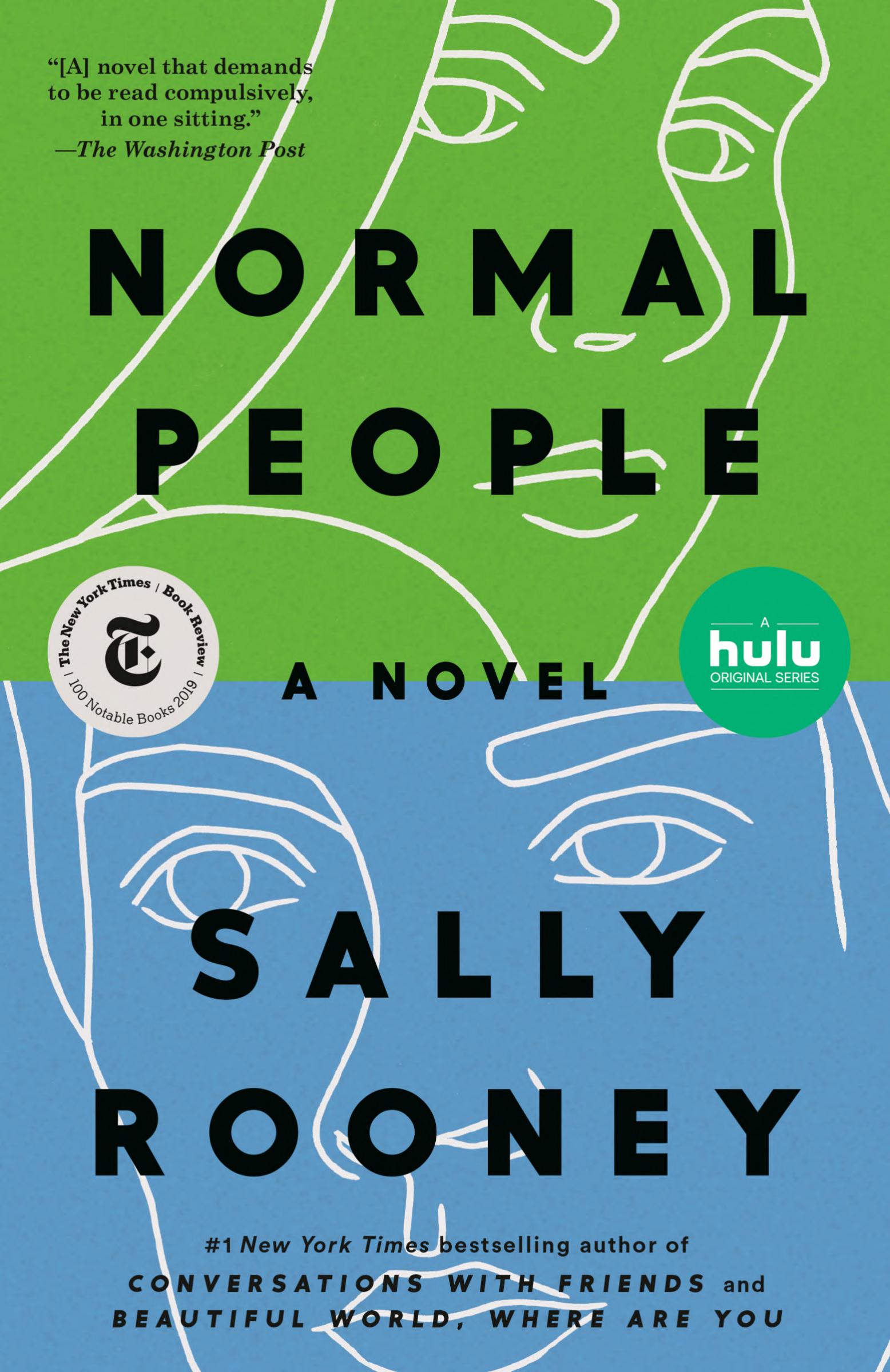
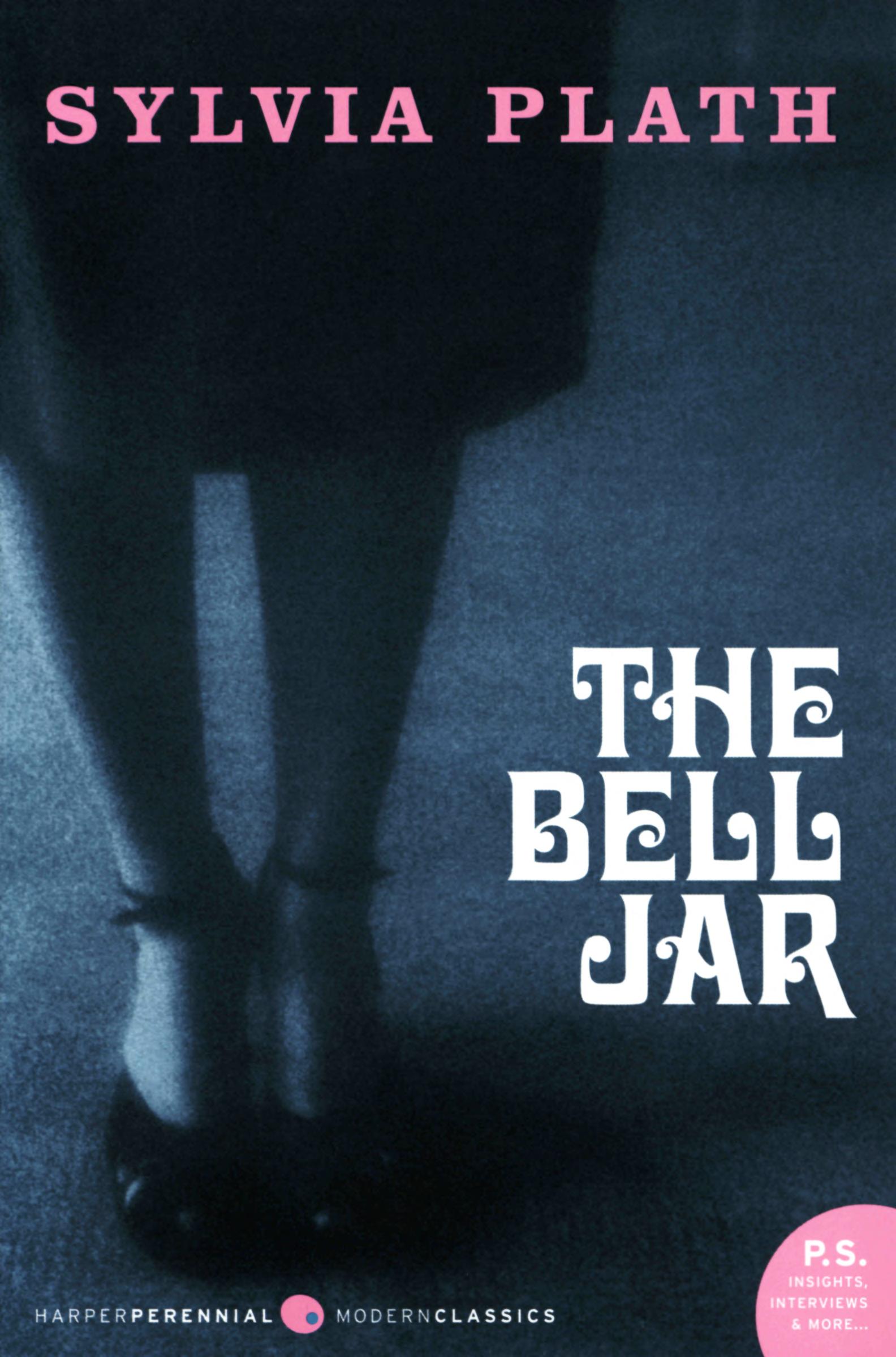
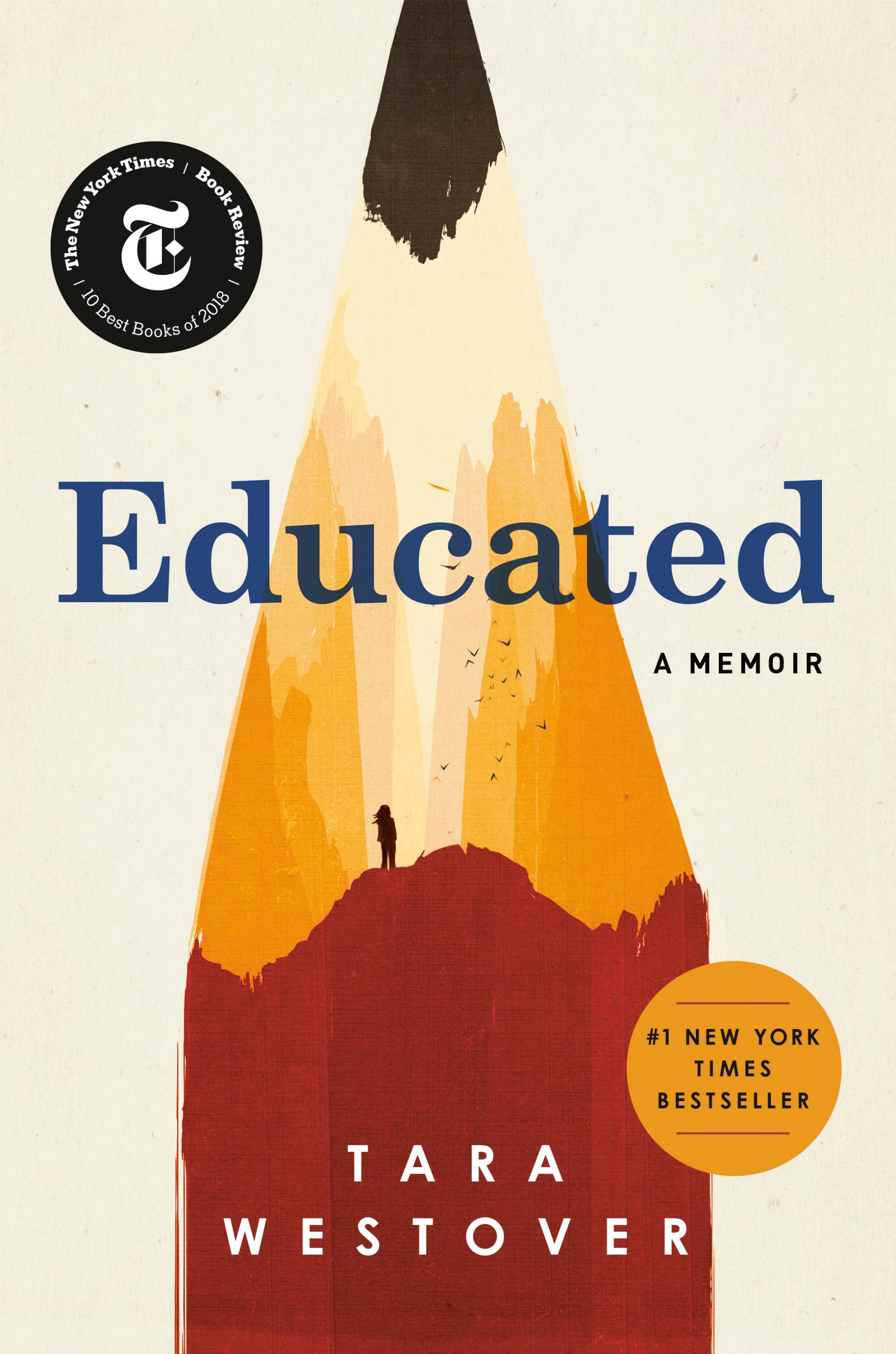
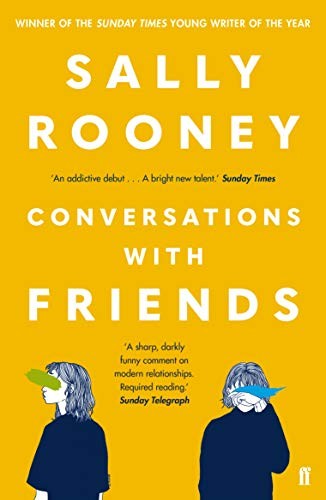
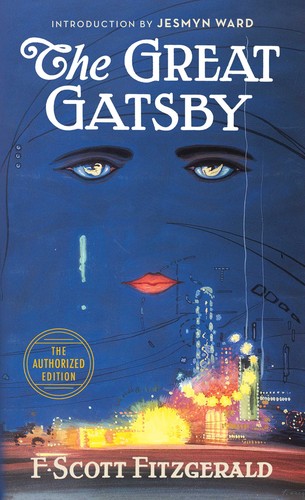
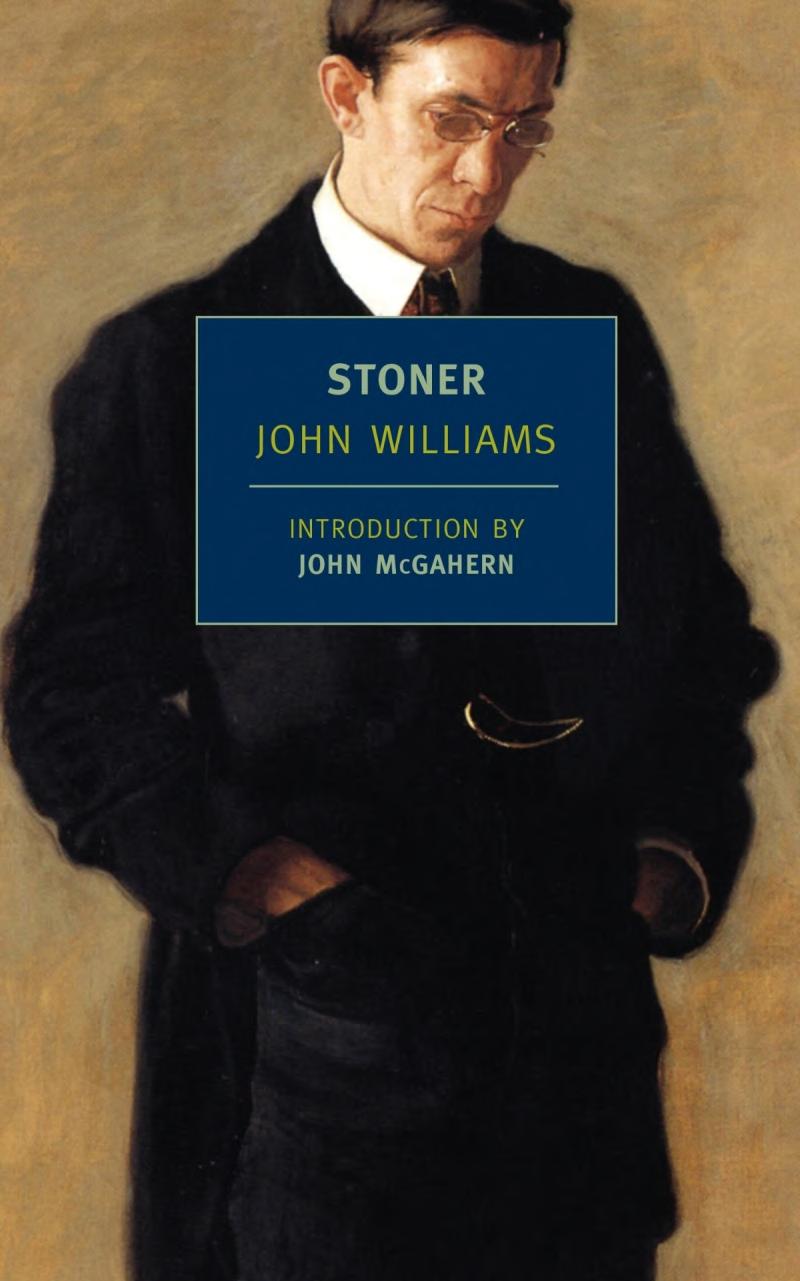
Normal PeopleSally RooneyThe most precise available rendering of what it feels like to be young and in love and unable to say so — not because of dramatic obstacles but because of the specific difficulty of communicating honestly when the stakes feel highest. Rooney’s Connell and Marianne are building themselves across the novel’s few years, and their relationship is the site where that building becomes most visible and most costly. The novel understands something true about this decade: that the people you love in your twenties often matter not just for themselves but for who you become alongside them. The Bell JarSylvia PlathEsther Greenwood’s descent is organized around the specific collision that defines the decade for many women: every marker of achievement in place, the future apparently available, and the world’s expectations and her own desires catastrophically misaligned. Plath renders this not as mental illness alone but as a sane response to an impossible situation, which is the most useful and most honest version of the novel’s subject. Required reading before the decade ends, not because it will fix anything but because it names something that many people spend years trying to name themselves. EducatedTara WestoverWestover’s memoir is about the specific work of becoming different from where you started — which is, in various forms, what the twenties require of most people. The version she documents is extreme: building an entirely new selfhood against active family resistance, through the sustained effort of education. What makes it essential for the decade is not its exceptionalism but its underlying accuracy about what self-construction actually costs: you cannot become someone new without leaving some version of yourself behind, and some of the people who loved that version will not love the new one equally. Conversations with FriendsSally RooneyRooney’s debut is better than Normal People at capturing the specific texture of being twenty-two: the intellectual confidence coexisting with emotional incompetence, the political positions more fully formed than the self, the sense that you understand the world’s structures clearly while having almost no idea what you actually want from your own life. Frances is not likable in a conventional sense, which is exactly right; the twenties are not a decade of being likable so much as a decade of figuring out what you actually are, which is a different and more important project. The Great GatsbyF. Scott FitzgeraldBest read in your twenties rather than at school, when you’re old enough to understand what Gatsby is actually about: the specific American belief that you can reinvent yourself completely, that the past is not binding, that enough ambition and enough money can make you whoever you want to be. The novel is a warning about this belief delivered with so much seductive beauty that the warning is itself part of the argument. Reading it at twenty-five, when reinvention still feels possible and the price is not yet visible, is reading it at the right moment. StonerJohn WilliamsRead Stoner in your twenties not for warning but for orientation: a novel about a man who found the thing he loved and organized his life around it despite everything working against that organization. Williams renders Stoner’s discovery of literature as a young man with the same quality of seriousness he gives the rest of his life, and readers in their twenties who have felt something like Stoner’s recognition — the encounter with something that feels like it was always yours — will find it described here more precisely than almost anywhere else. It is also useful as a preview: this is what it looks like to live a life devoted to something that doesn’t pay well and doesn’t impress people at parties, and Williams makes clear that this is enough. Who This Is For
Readers in their twenties who want novels that understand where they are rather than where they should be going — and readers past their twenties who want to understand or revisit the decade. The literary fiction catalogue has more in this direction.
Frequently asked questions
Q: Why two Sally Rooney novels?
A: Because they do different things with the same decade. Conversations with Friends is about being twenty-two and not knowing what you want. Normal People is about being twenty-four and knowing what you want but failing to act on it. Both are essential, and neither replaces the other.
Q: Is Stoner too slow for readers in their twenties who want something more urgent?
A: It depends on what you’re ready for. Stoner rewards the patience the twenties don’t always produce. Readers who try it and bounce often come back in their thirties and find it one of the most important books they’ve ever read. The right time for it is when you’re ready rather than when you’re supposed to be.
Q: Is The Bell Jar safe to read during a difficult period mentally?
A: It deals directly with depression and suicide attempts. Readers currently experiencing mental health difficulties should use their own judgment; those who are in a stable place often find it clarifying rather than distressing. If you’re struggling, speaking with a mental health professional first is worthwhile.
Not sure which of these is right for you specifically? The Pagesmith quiz matches you to books based on your mood, pacing preference, and reading goals, not bestseller lists. Takes two minutes.