When a World Ends: Books About the Death of an Era
Some novels are organized around the specific grief of watching an entire way of life become impossible -- not one person's loss but the end of a world that had organized many people's lives. These six render that specific scale of ending.
June 2026 · 6 min read · The Pagesmith
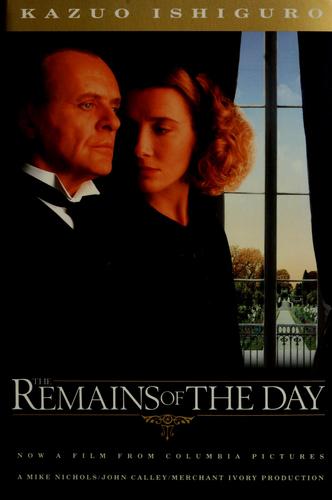
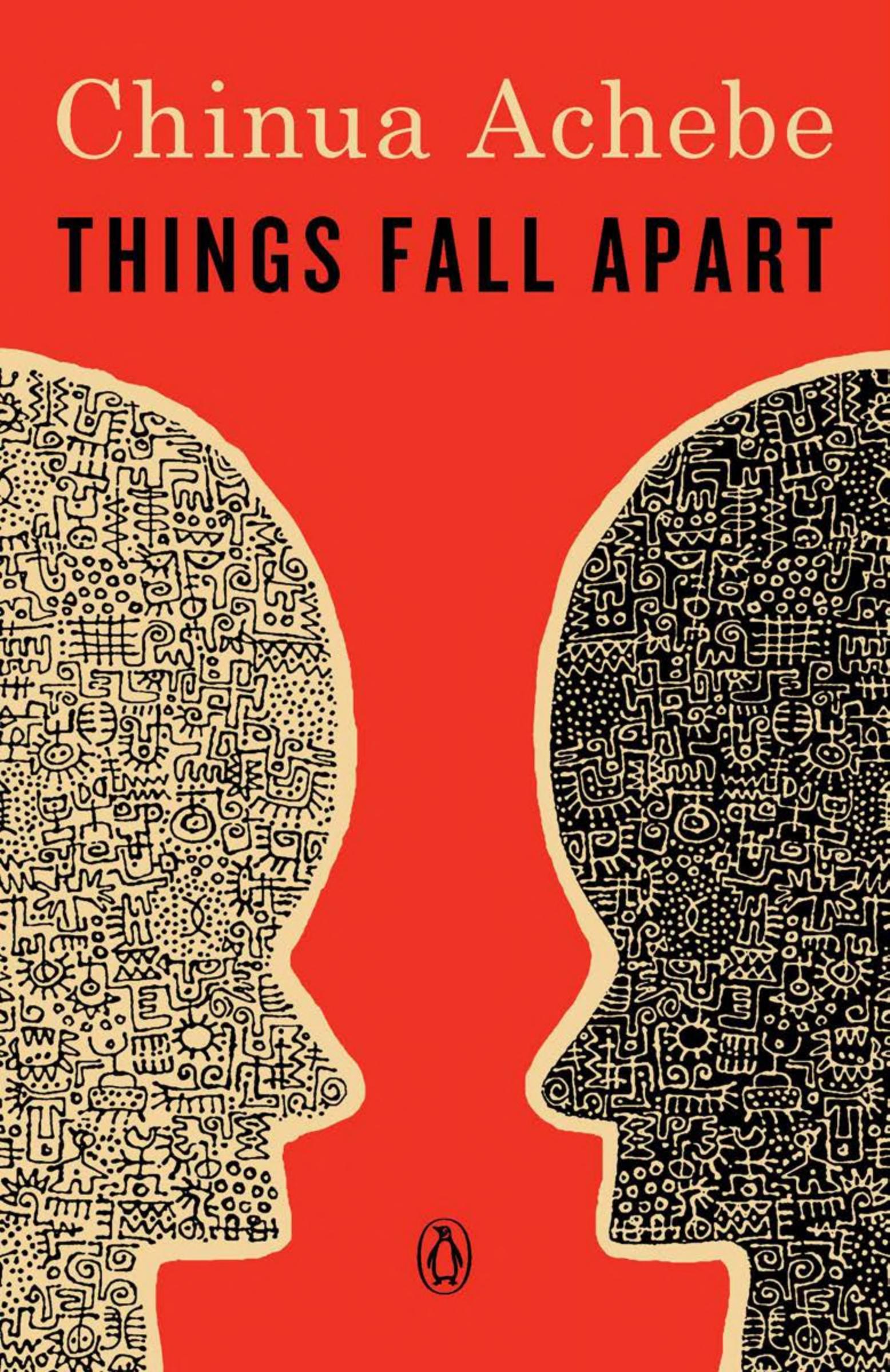
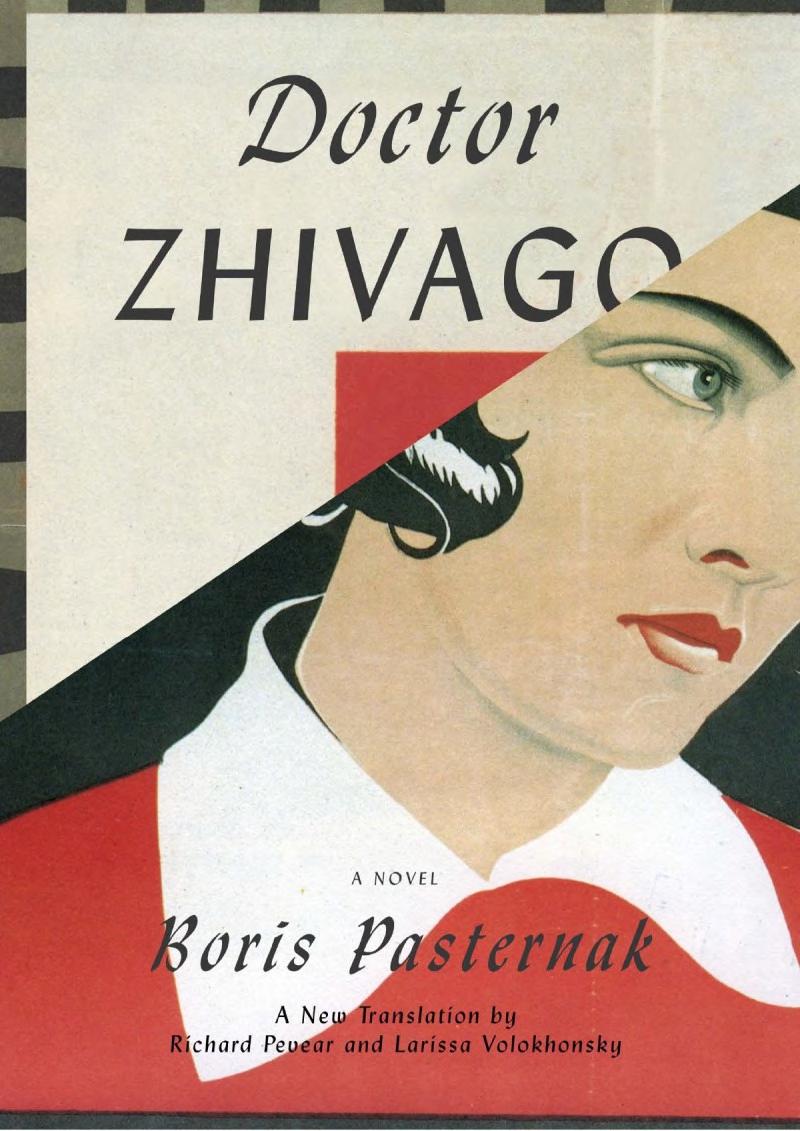
There is a specific kind of grief that fiction rarely renders at full scale: not the loss of a person but the loss of a world — an entire way of life that organized many people’s existence, coming to an end within the span of a lifetime. The characters in these novels are not simply experiencing personal loss; they are watching the conditions that made their lives intelligible become unavailable. Stevens in The Remains of the Day outlives the world that made his vocation meaningful. Okonkwo in Things Fall Apart watches the social structure that gave his life purpose dismantled by forces he cannot resist. Doctor Zhivago survives the Revolution that destroyed the world in which he understood himself. These novels are organized around that specific scale of ending, which is different from tragedy — it is not the loss of what might have been but the loss of what was, and the discovery that the future will be organized around entirely different terms.
The Books
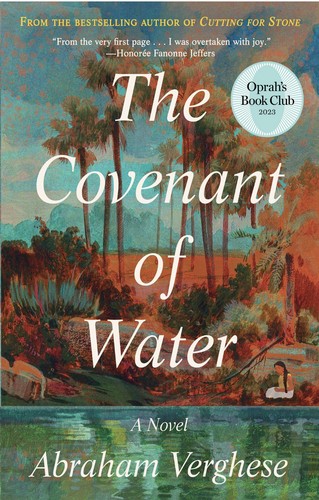
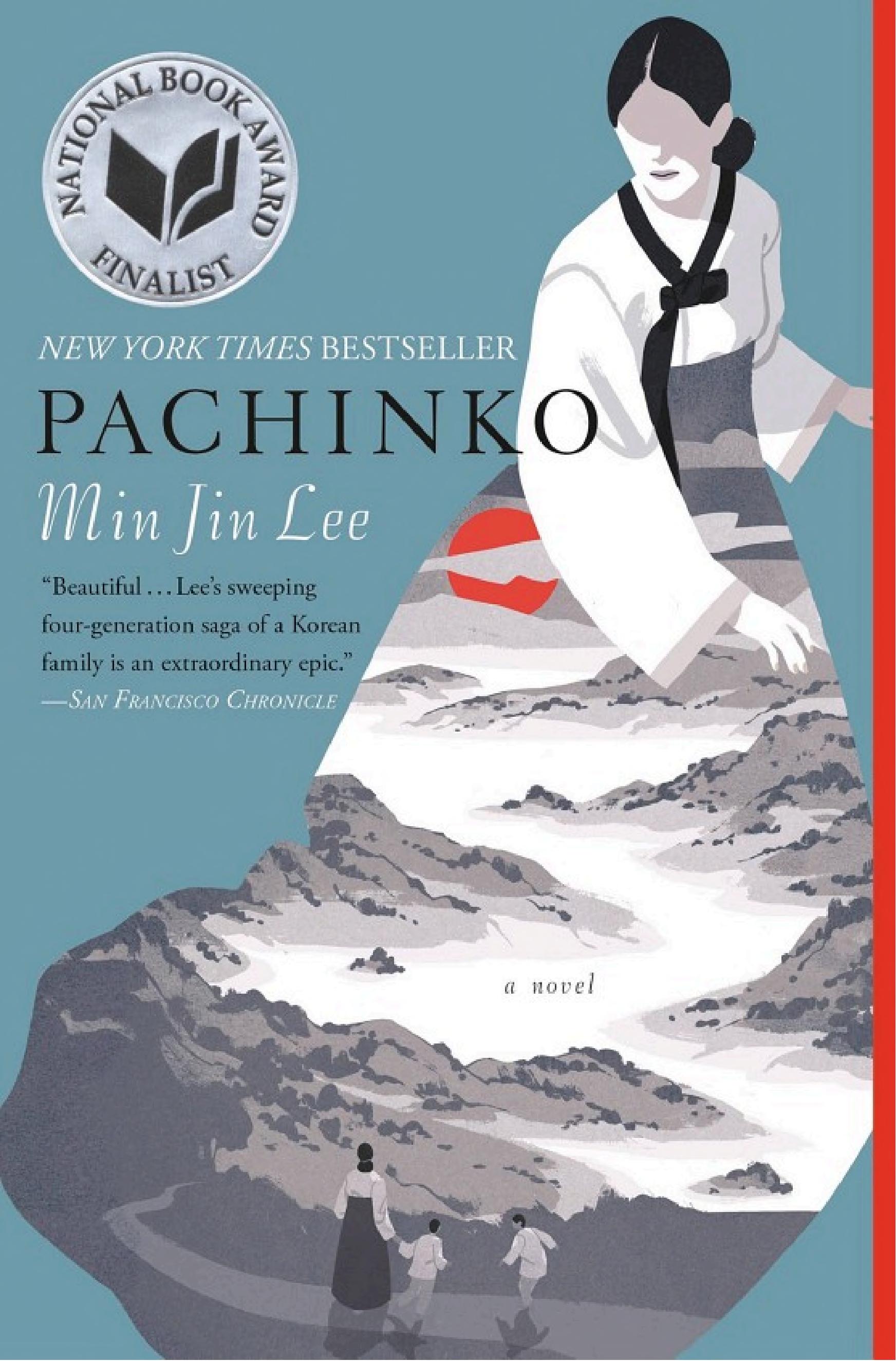
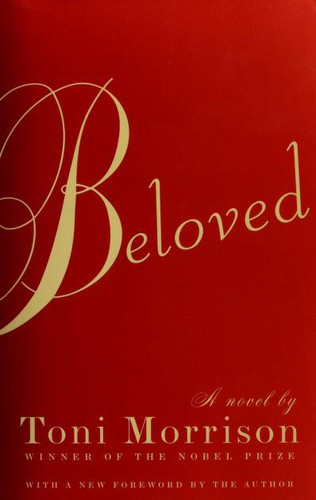
The Remains of the DayKazuo IshiguroStevens’s motor trip is organized around the gradual discovery that the world that made his vocation meaningful — the great English house, the tradition of service it represented, the civilization it claimed to uphold — has ended, and that he has spent his life in service of something that turned out to be both less than he believed and already finished. The grief Ishiguro renders is not Stevens’s personal loss alone but the specific grief of someone whose identity was constituted by a world that no longer exists, and who must now understand himself in its absence. The most formally restrained treatment of era-ending on this list, and the most quietly devastating. Things Fall ApartChinua AchebeAchebe’s novel renders the death of an era from the most specific possible vantage point: the Igbo community of Umuofia in the moment of first contact with British colonial missionaries, before the world’s ending is clearly visible to the people inside it. The novel’s formal achievement is establishing Okonkwo’s world with enough completeness that the reader inhabits it before the disruption arrives, which means the ending is experienced as a disruption of something real rather than the replacement of a void. Okonkwo’s tragedy is partly personal but primarily representative: he is a man whose specific excellence made sense within a world that is being ended by forces his excellence is useless against. Doctor ZhivagoBoris PasternakPasternak’s novel renders the Russian Revolution not as political history but as the lived experience of people whose world was dismantled in the space of a few years: the entire social structure that had organized their lives — their professions, their relationships, their understanding of what was owed to whom — made suddenly and permanently unavailable. Yuri Zhivago is not a political actor; he is a doctor and a poet, and the Revolution renders both vocations meaningless in different ways. Pasternak’s specific grief is for what was lost in the reorganization, which the official Soviet narrative required to be regarded as nothing — and for the personal cost of living through a world-ending in real time. The Covenant of WaterAbraham VergheseVerghese’s three-generation Kerala saga spans the transition from British colonialism through Indian independence to the present, which means spanning the death of one world and the uncertain construction of what follows it. The characters in each generation are living through the specific transition their generation occupied — from colonial subjects to independent citizens to global diaspora — and Verghese is interested in what each transition preserved and what it destroyed. The novel’s scale gives him room to show the death of an era as something experienced across generations rather than within a single lifetime, which is how most eras actually end. PachinkoMin Jin LeeLee’s four-generation Korean-Japanese novel renders the death of a world from the community that was absorbed and transformed by it rather than by the world that ended: the Korean world dismantled by Japanese colonization, the Korean-Japanese community produced by that dismantling, and the specific condition of people whose world ended before they were born and whose present is shaped entirely by that prior ending. Each generation of Sunja’s family inhabits a different relationship to the loss — some remember the world that was lost, some only its absence, some a diaspora community shaped by displacement — and Lee is precise about what each relationship costs and what it produces. BelovedToni MorrisonMorrison’s novel renders the end of slavery as an era-ending that left its survivors without any of the usual structures that make era-endings navigable: the world that had organized their lives (however brutally) had ended, but no alternative world had been offered in exchange, only a freedom that came without land or money or legal protection or social recognition. Sethe’s haunting is the formal expression of this specific condition: a world that ended without being replaced, its violence continuing to inhabit the present. Morrison is interested in what it means to survive the ending of a world when survival does not include any of the conditions that would allow you to build a new one. Who This Is For
Readers who are interested in the specific scale of loss that comes when an entire way of life ends rather than a single person’s story — who want fiction organized around historical transition as a lived experience rather than as a backdrop. The literary fiction and historical fiction catalogues have more in this direction.
Frequently asked questions
Q: What distinguishes era-ending grief from ordinary historical fiction?
A: Historical fiction can be set during major transitions without being organized around the experience of those transitions as endings. The novels here are specifically interested in what it feels like to inhabit a world that is becoming impossible — the specific quality of loss when the conditions that made your life intelligible are being removed.
Q: Is Doctor Zhivago as much a love story as a historical novel?
A: Inseparably both. The love story between Yuri and Lara is the personal scale at which the Revolution’s human cost is rendered, and the Revolution is what makes the love story impossible to complete. Separating the two would produce a lesser version of each.
Q: What should I read after Things Fall Apart?
A: Achebe’s Arrow of God continues his Igbo trilogy, following a village priest’s collision with British colonial administration. No Longer at Ease follows Okonkwo’s grandson in 1950s Lagos, showing the generation that inherited the colonial world rather than watching it arrive.
Not sure which of these is right for you specifically? The Pagesmith quiz matches you to books based on your mood, pacing preference, and reading goals, not bestseller lists. Takes two minutes.