Best Books About Forgiveness That Take It Seriously
Forgiveness is easy to sentimentalize. The books here refuse to. They are honest that forgiveness is not the same as forgetting, not the same as reconciliation, and not always available -- but that the attempt at it, and what the attempt costs, is one of the most revealing things a person can do.
June 2026 · 6 min read · The Pagesmith
Forgiveness in fiction has a sentimentality problem. In its easy version, it is a gift the wronged person gives that produces healing, resolution, and a restored relationship. The difficulty — that forgiving someone requires the wronged party to do work they didn’t cause to be necessary, that it changes nothing about what actually happened, that it may not be available regardless of the genuine effort expended — is smoothed over in favor of the emotionally satisfying version. The novels here refuse that smoothing. They take forgiveness seriously as a moral and psychological problem rather than as a dramatic resolution, which means they are honest about when it is possible and when it is not, what it requires of the person attempting it, and what happens when the attempt is made and the question remains unanswered.
Forgiveness is not resolution. It does not undo what happened, restore what was lost, or guarantee any particular relationship going forward. What it does — when it’s genuinely available rather than performed — is change the person doing it. These books are interested in that change, and in the conditions under which it becomes possible.
The Books
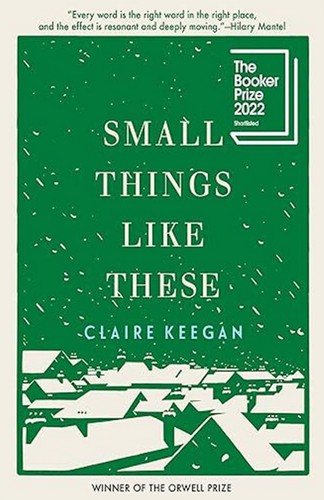
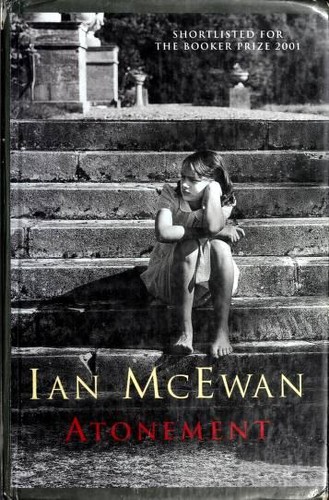
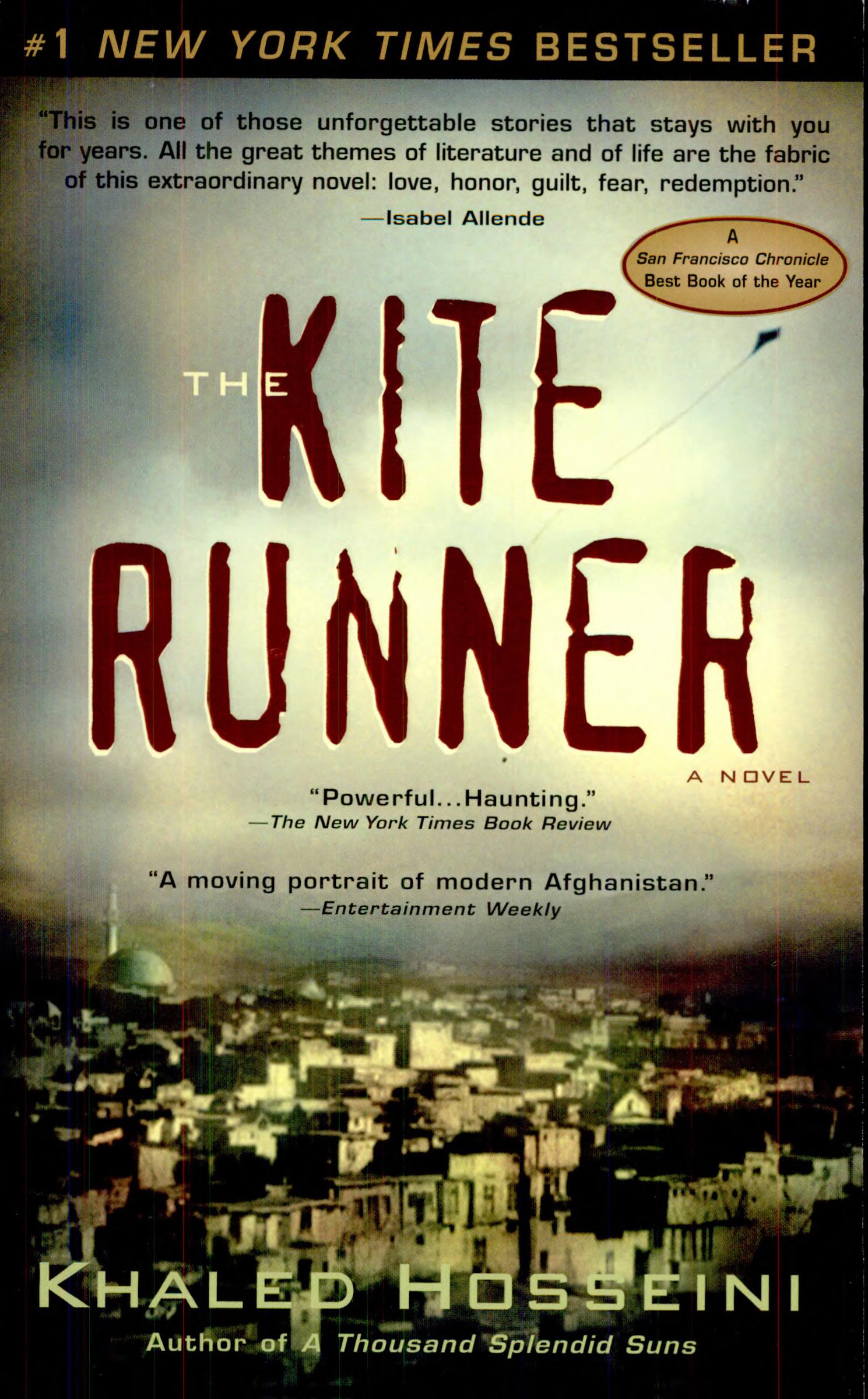
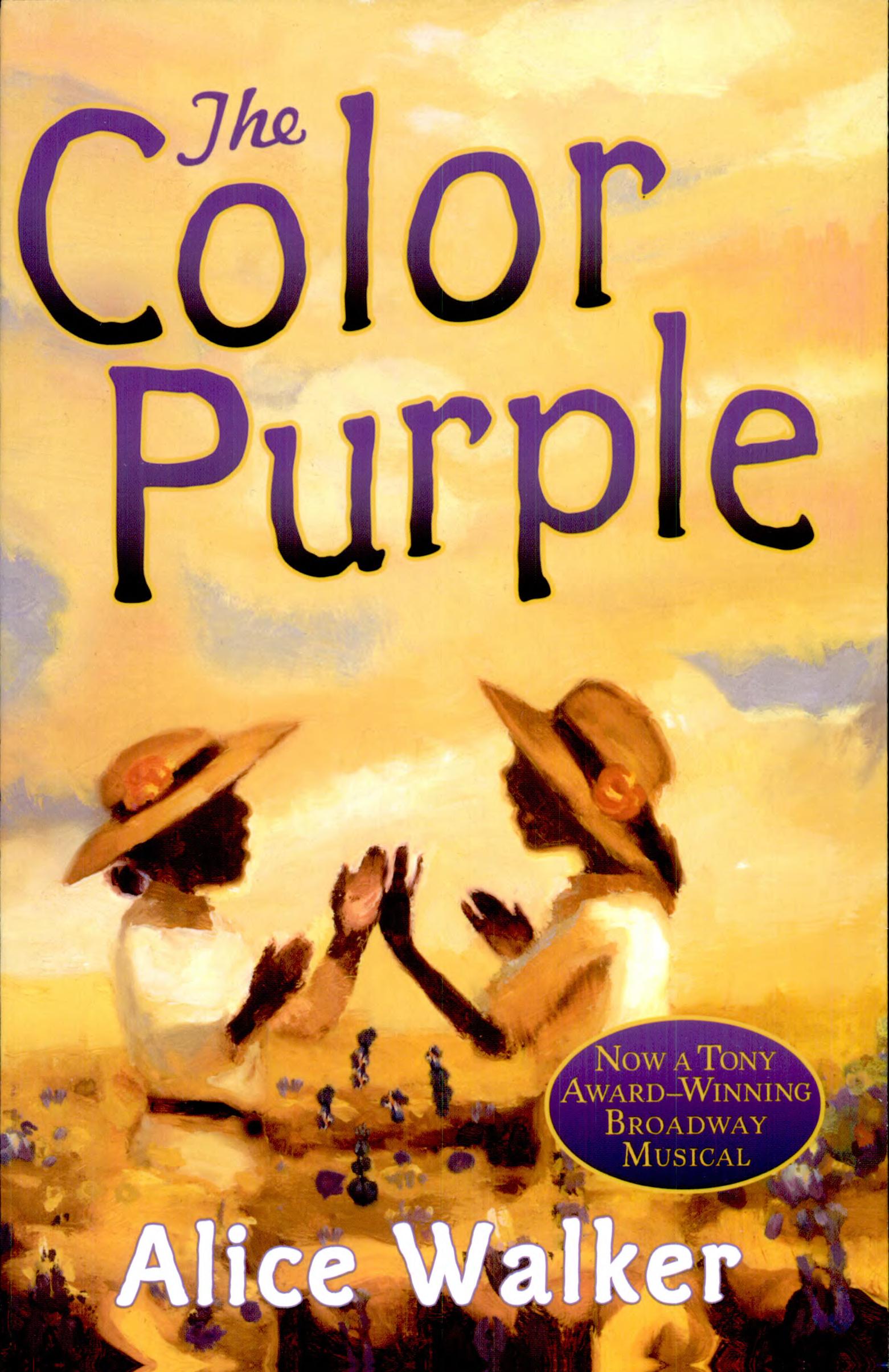
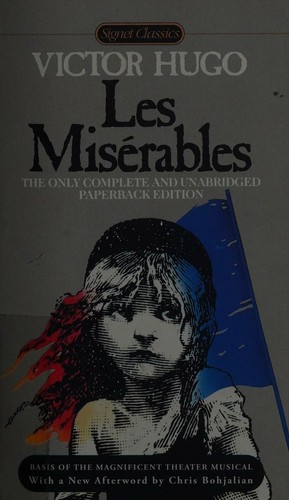
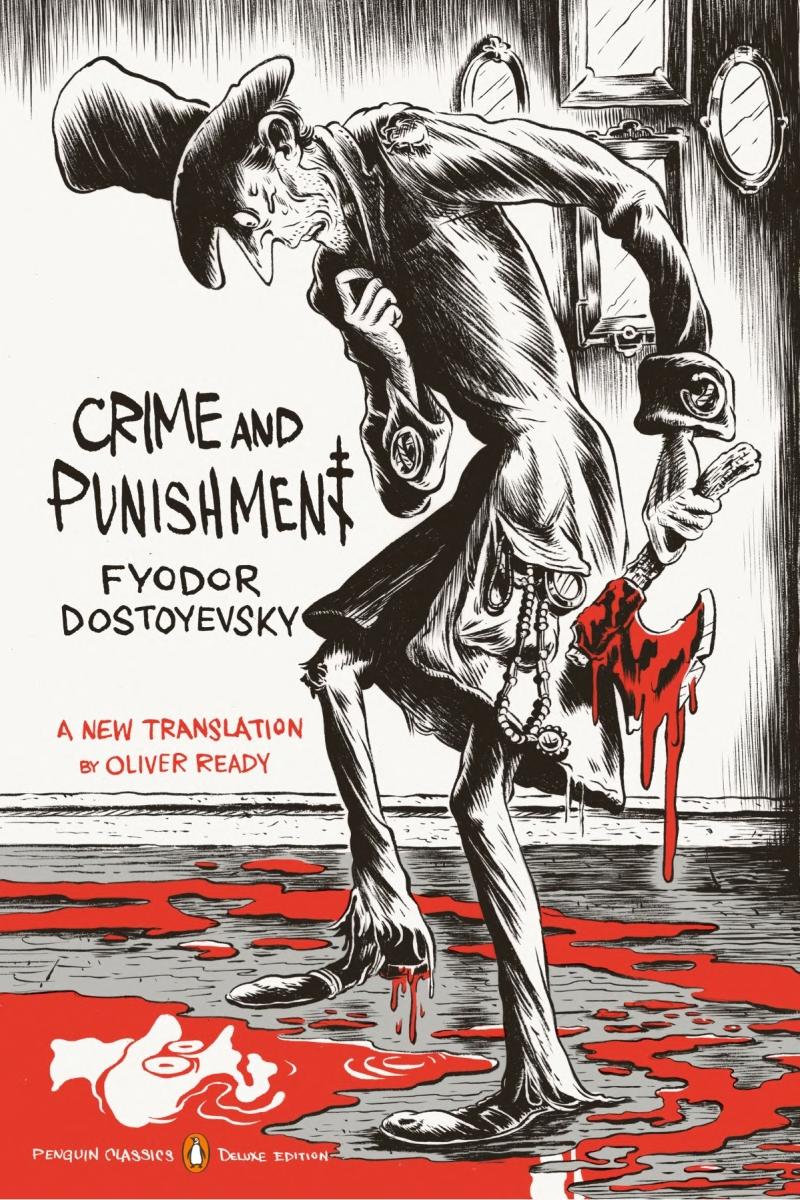
Small Things Like TheseClaire KeeganKeegan’s novella is about what precedes forgiveness: the act of acknowledgment, of seeing what is in front of you when everyone around you has agreed not to. Bill Furlong’s discovery of the Magdalene laundries in his small Irish town is not organized around forgiving the Church or the community — it is organized around the prior question of whether to acknowledge what is happening and do something about it, which turns out to be the precondition for any later reckoning. The moral clarity Keegan brings to this specifically Catholic Irish situation is the most concentrated available in contemporary fiction, and the novella’s argument — that ordinary quiet acknowledgment in the face of collective denial is itself an act of moral courage — makes it essential for understanding what the work of forgiveness’s preconditions actually involves. AtonementIan McEwanMcEwan’s novel is organized around the hardest version of the forgiveness question: what do you do when the person you harmed is no longer available to forgive you, and the damage you caused is irreversible? Briony’s attempt at atonement through fiction — giving her characters the happy ending she knows they didn’t have — is McEwan asking whether artistic creation can substitute for actual reparation when reparation is no longer possible. The novel’s final revelation refuses to resolve the question: the fiction Briony produced is beautiful and it changes nothing about what actually happened. The most formally sophisticated engagement with forgiveness available in recent literary fiction. The Kite RunnerKhaled HosseiniHosseini’s novel is organized around the specific question of whether an act of belated courage can redress a cowardly act decades earlier — not forgiveness exactly, but the attempt to become a person who deserves it. Amir’s return to Afghanistan is not rewarded with resolution; Hassan is dead, the damage is permanent, and what Amir achieves is something more specific and more honest: the possibility of becoming someone different, even if he cannot become someone who did not do what he did. The novel’s famous phrase “there is a way to be good again” is not a promise of forgiveness but a statement that the attempt is still possible, which is its own and lesser but real consolation. The Color PurpleAlice WalkerWalker’s novel contains the most surprising forgiveness in this list: Celie’s eventual release from hatred for Mister, the man who abused her for years, which Walker renders not as a capitulation or a gift but as a specific act of self-liberation. Celie does not forgive Mister because he deserves it; she forgives him because the hatred was costing her something she couldn’t afford to spend. Walker is precise about this distinction: the forgiveness is in service of Celie’s own continued life, not of Mister’s redemption, and the novel is honest that both of those things can be happening simultaneously without either canceling the other. The most psychologically accurate treatment of forgiveness-as-self-liberation on this list. Les MiserablesVictor HugoHugo’s novel is organized around two incompatible relationships to forgiveness: Valjean, who receives the bishop’s unearned forgiveness and is transformed by it into someone capable of extending it to others, and Javert, who cannot accommodate any framework in which forgiveness is a meaningful category rather than simply a failure of law. The novel’s central argument is that Javert’s position is the more psychologically coherent one given his premises, and that what breaks him is not being proven wrong but discovering that his premises cannot account for something that actually happened. Hugo takes forgiveness seriously as a transformative force while also being honest about the specific conditions under which it becomes available — which requires grace rather than simply goodwill. Crime and PunishmentFyodor DostoevskyDostoevsky’s novel renders forgiveness at its most theologically specific: Sonya’s love for Raskolnikov, offered without condition or demand for change, is the model Dostoevsky is proposing for what genuine forgiveness looks like — not conditioned on repentance or restitution but preceding it, creating the conditions under which repentance becomes possible rather than requiring it first. This is a challenging argument and a deliberately unearned grace in the secular sense; Dostoevsky is making an explicitly religious case that forgiveness of this kind is the only force capable of breaking the cycle that guilt alone cannot. The most theologically serious treatment of forgiveness on this list. Who This Is For
Readers who want fiction that takes forgiveness seriously as a moral and psychological problem — who are interested in what it actually requires, when it’s genuinely possible, and what it changes and doesn’t change. The literary fiction catalogue has more in this direction.
Frequently asked questions
Q: Is forgiveness the same as reconciliation in these novels?
A: No, and the distinction matters. Forgiveness is something that happens in the person who forgives; reconciliation is a change in a relationship. Celie forgiving Mister doesn’t require them to be friends. Valjean forgiving Javert doesn’t require Javert to accept the forgiveness. Several of these novels are specifically interested in the gap between the two — which is where the honest treatment of forgiveness lives.
Q: Does Small Things Like These have a happy ending?
A: It has an ending that is honest rather than resolved — Bill Furlong makes his choice and the consequences remain genuinely uncertain. Keegan is interested in the act rather than its reception, which is the right place to focus given what the novel is about.
Q: Is Crime and Punishment’s religious framework necessary to engage with its argument about forgiveness?
A: Not required, but it explains why Sonya’s love is unconditional in a way that secular frameworks find harder to account for. Readers who don’t share Dostoevsky’s religious premises can still engage with the psychological argument — that conditioned forgiveness may not be capable of producing the change that unconditional acceptance can — without accepting his theological basis for it.
Not sure which of these is right for you specifically? The Pagesmith quiz matches you to books based on your mood, pacing preference, and reading goals, not bestseller lists. Takes two minutes.