Books About Courage That Don't Look Away From the Cost
Courage in fiction is usually rewarded. These six novels understand something harder: that the courageous act frequently changes nothing about the outcome, and that what makes it courage rather than calculation is that it was taken anyway.
June 2026 · 6 min read · The Pagesmith
Fiction about courage has a structural problem: the narrative usually validates it. The character makes the brave choice, and the plot rewards them — or at least rewards them with moral clarity, with the knowledge that they acted rightly, with a resolution that makes the cost feel meaningful. The novels here are less comfortable than that. They are interested in courage as something exercised without the assurance of validation or reward, which is closer to what courage actually requires: doing the right thing without knowing whether it will matter, whether anyone will notice, whether the outcome will justify the risk. These six books take the cost of courage seriously enough to leave open the question of whether, in the world they’re describing, it was worth it.
The Books
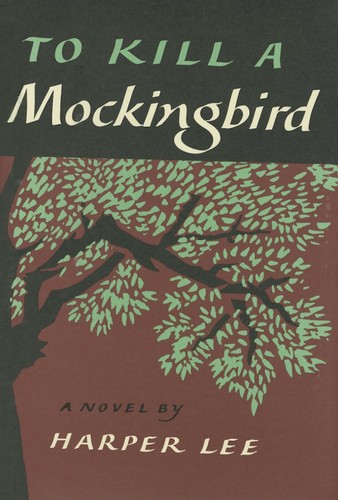
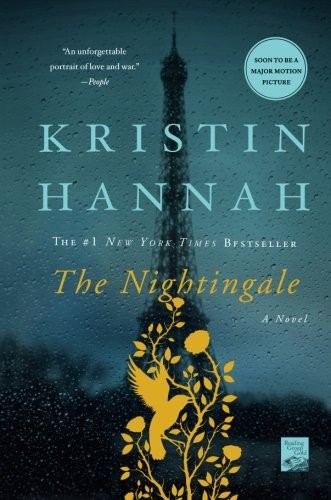
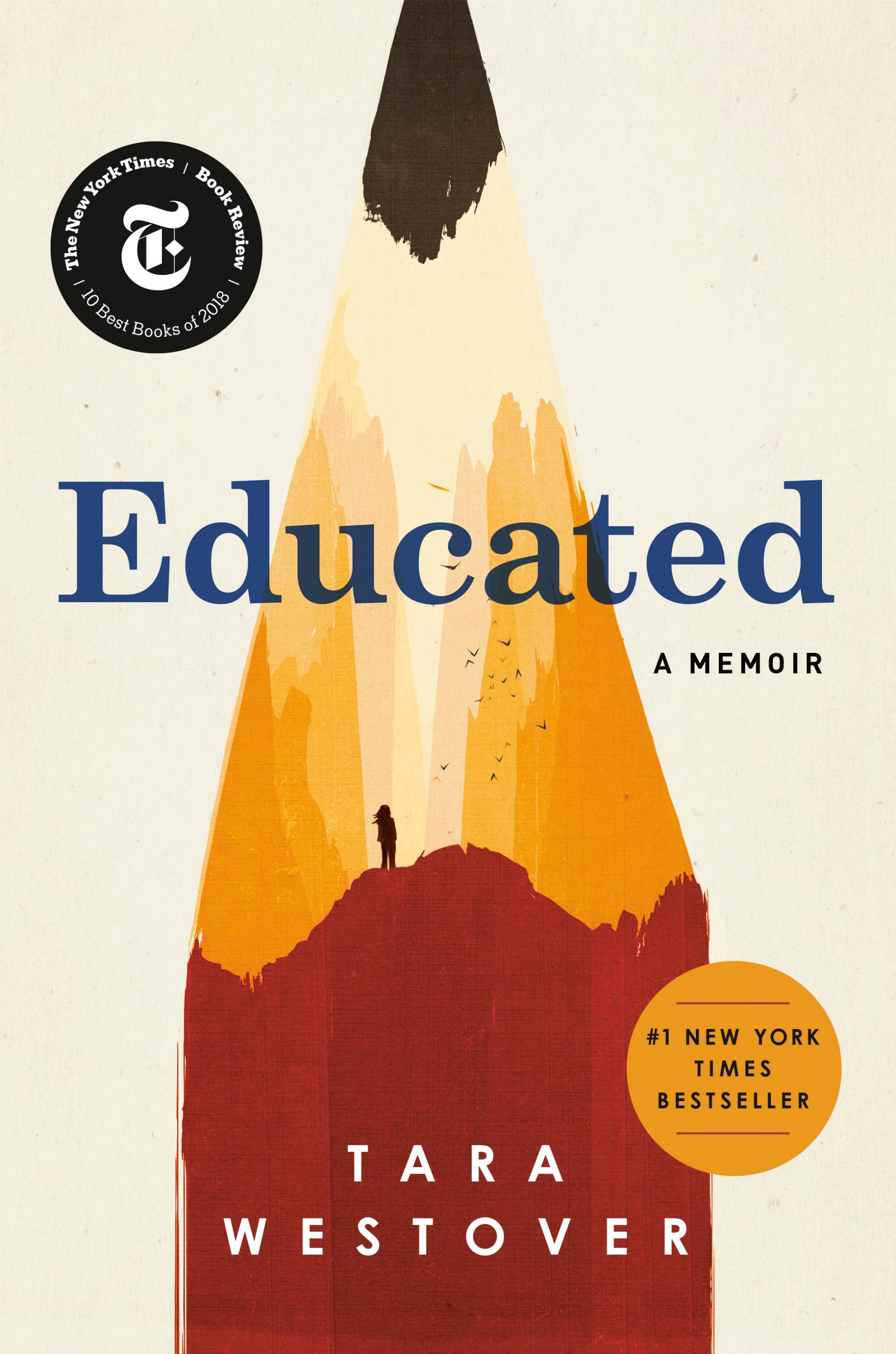
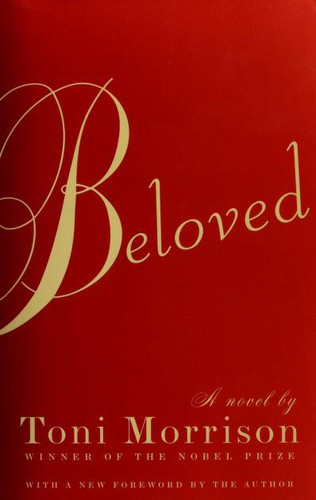
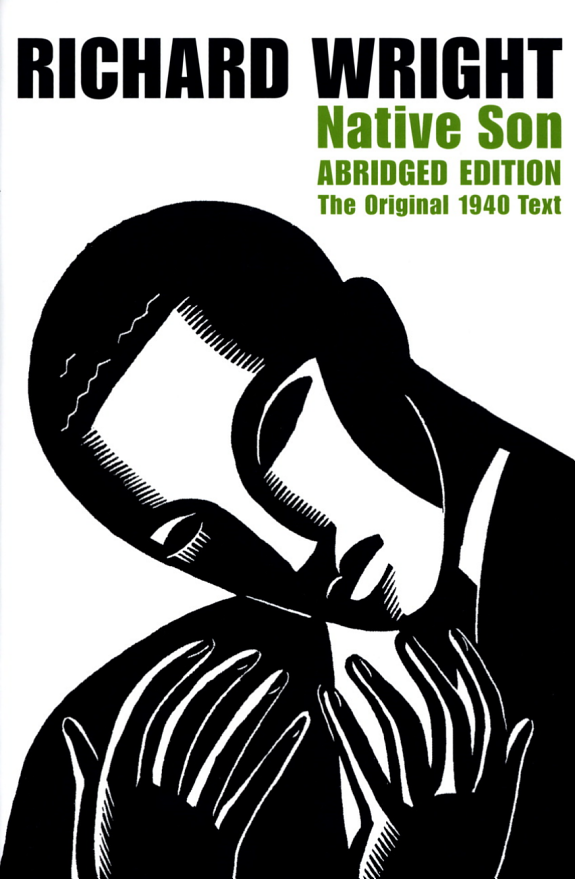
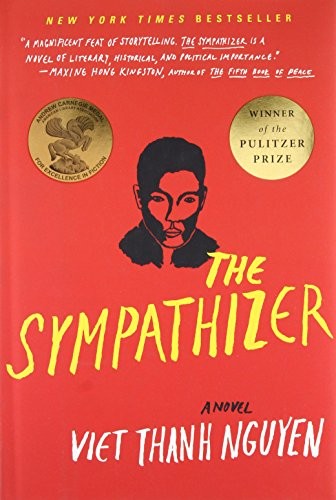
To Kill a MockingbirdHarper LeeAtticus Finch’s defense of Tom Robinson is the most canonical act of legal courage in American fiction, and Lee is honest about its limits: Atticus does his job completely, makes the best possible case, and Tom Robinson is convicted anyway. The courage is real and the outcome is unchanged and both things are true simultaneously. Lee also renders the specific cost of Atticus’s courage to his children — the threats, the social isolation, the weight of being his daughter in a town that has decided he is a traitor to his class — which is part of what makes the novel more honest than its reputation as a comfortable liberal fable sometimes suggests. The NightingaleKristin HannahHannah’s novel is organized around two sisters making incompatible choices about how to survive the German Occupation of France, and takes both choices seriously — Vianne’s accommodation and Isabelle’s Resistance are both courage of different kinds under different impossible constraints. What distinguishes Hannah’s treatment is her honesty about what both forms of courage cost: Isabelle’s active resistance is heroic in the conventional sense and catastrophically destructive to everyone she loves, while Vianne’s quieter form of preservation requires her to witness things she cannot oppose. Neither sister’s courage is validated by the outcome in a simple sense; both are rendered as the best available response to conditions that should not have existed. EducatedTara WestoverWestover’s memoir renders courage as a sustained, unglamorous, daily practice: the specific work of believing what she knows against the pressure of her family’s version of reality, of pursuing an education that her community treated as betrayal, of eventually testifying against a brother at the cost of her relationship with most of her family. The courage here is not a single brave act but a repeated choice across years, and Westover is honest that it cost her things she did not entirely want to give up. The memoir is the most accurate available rendering of what it actually looks like to be courageous in ordinary life, which turns out to look less like heroism and more like a form of chronic effort against permanent resistance. BelovedToni MorrisonSethe’s decision — to kill her daughter rather than allow her to be taken back into slavery — is the most extreme act of courage in this list and the one that most directly forces the question of whether courage can be inseparable from horror. Morrison does not resolve this, because it cannot be resolved: the act was both courageous and catastrophic simultaneously, and the novel is organized around what it means to live in the aftermath of a choice that was the best available option and that was also unbearable. The courage here is entirely without reward: it produced the haunting, it produced Beloved, it cost Sethe everything. Morrison insists that it was nonetheless Sethe’s act to make, which is the novel’s most challenging and most important argument. Native SonRichard WrightThe courage in Native Son is not Bigger Thomas’s — it is Wright’s, in writing a protagonist who is not designed to earn the reader’s sympathy and insisting that the conditions that produced him are the thing that needs explaining. Wright’s act of courage was refusing the conventional structure of the racial injustice narrative of his moment (the heroic victim, the sympathetic protagonist, the lesson learned) and replacing it with a portrait that forced the reader to confront the conditions without the comfort of a character they could safely root for. The novel’s argument — that Bigger’s situation is the more important fact than Bigger’s choices — required enormous courage to make in 1940, and makes it still. The SympathizerViet Thanh NguyenNguyen’s narrator’s courage is the courage of double vision: maintaining allegiance to both sides of a conflict simultaneously, refusing the simplifying clarity that commitment to one side would provide, at the cost of belonging to neither. The novel renders this form of courage as both intellectually superior and personally catastrophic: the narrator can see more clearly than anyone around him precisely because he is not captured by either side’s narrative, and that clarity is what destroys him. Nguyen is making a specific argument about the courage required to refuse simplification — to keep seeing the complexity even when everyone around you has decided which side you’re on — and about what that specific refusal costs. Who This Is For
Readers who want fiction about courage that is honest about what it costs and refuses the consolation of guaranteed validation — who are interested in courage as something exercised in the absence of certainty rather than in its presence. The literary fiction catalogue has more in this direction.
Frequently asked questions
Q: Is To Kill a Mockingbird still valuable given its criticism as a white savior narrative?
A: The criticism is accurate and worth engaging with: the novel locates its moral authority in a white lawyer rather than in the Black community doing the actual surviving. Reading it alongside Native Son and Beloved provides the fuller picture that no single novel here can provide alone. Its value is real and its limitations are real; both are worth knowing.
Q: Is Beloved appropriate for readers who are sensitive to its content?
A: The novel deals directly with slavery’s violence and with a mother killing her child, rendered without distance. It is one of the most important novels in American literature and also one of the most demanding. Readers who need to know what they’re getting into: the violence is not gratuitous but it is present, and the novel’s emotional weight is considerable and sustained.
Q: Why is Wright’s act of courage in Native Son described as the author’s rather than a character’s?
A: Because the form of the novel — Wright’s choice of what kind of protagonist to make Bigger Thomas and what kind of argument to build around him — was itself the courageous act. Bigger’s courage or lack thereof is a character question; what Wright did in writing him this way, in 1940, for a mainstream American audience, was a formal and political act of courage that is at least as interesting as anything Bigger does within the story.
Not sure which of these is right for you specifically? The Pagesmith quiz matches you to books based on your mood, pacing preference, and reading goals, not bestseller lists. Takes two minutes.