What to Read After One Hundred Years of Solitude
Finishing One Hundred Years of Solitude leaves a reader recalibrated -- ordinary fiction feels too contained afterward. These five books can meet that expectation, each one inhabiting a different tradition of the same fundamental ambition: a world fully rendered, time rendered at mythological scale, the real and the impossible sharing the same space.
June 2026 · 5 min read · The Pagesmith
The problem One Hundred Years of Solitude creates for its readers is the same problem War and Peace creates: the novel is so complete in its world that everything after feels smaller. Garcia Marquez did something that requires a specific combination of gifts — the certainty to render the impossible with the same prose weight as the mundane, the historical ambition to hold a family across seven generations, the willingness to let time function cyclically rather than progressively — and no other novel does exactly this. But there are novels that share pieces of it, that approach the same territory from adjacent angles, and that can sustain the quality of expectation Garcia Marquez produced without simply being imitations of him.
The Books
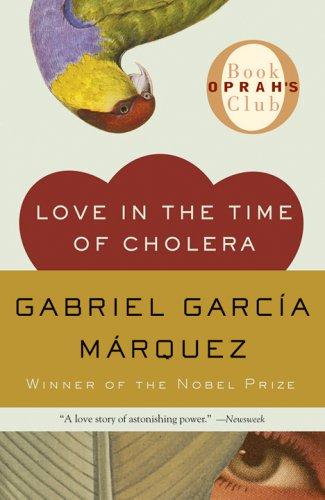
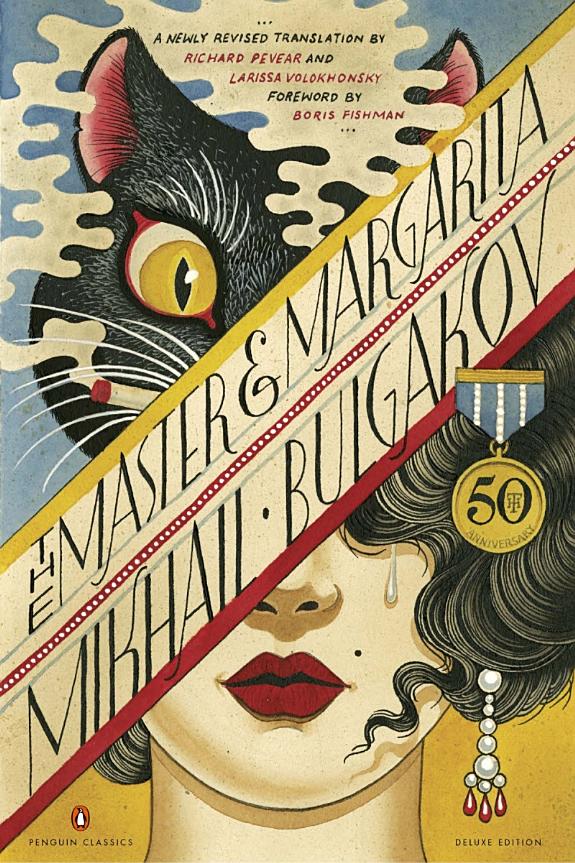
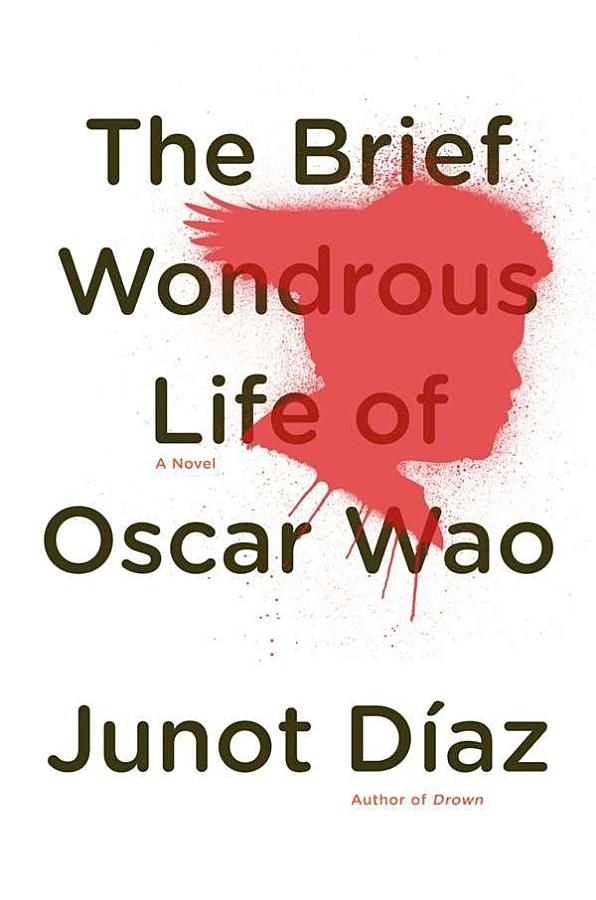
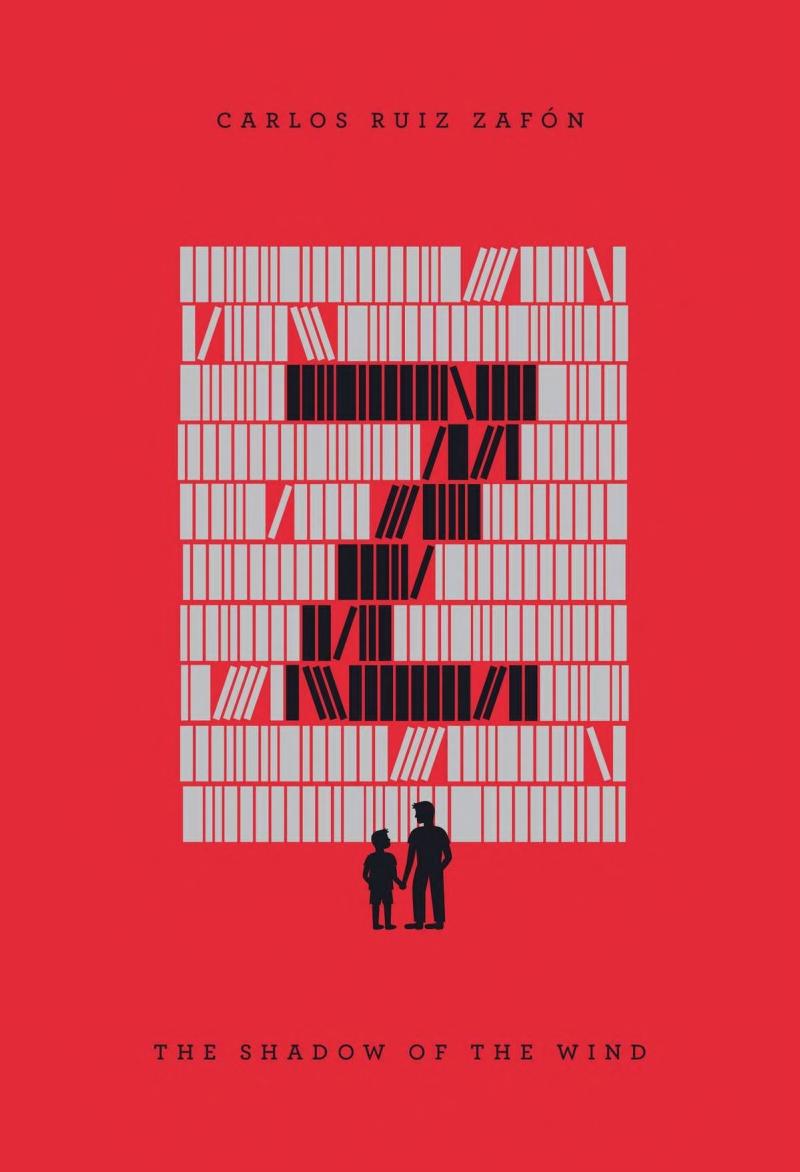
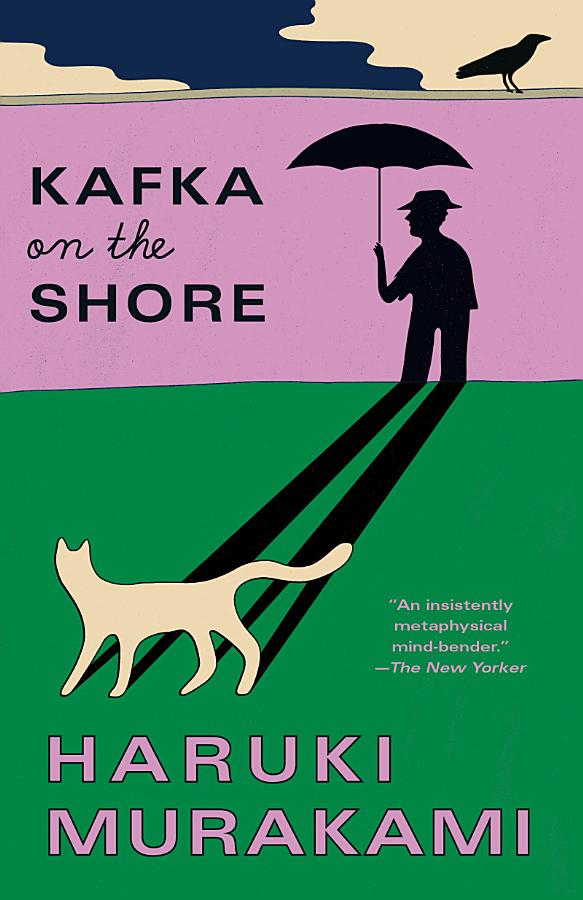
Love in the Time of CholeraGabriel Garcia MarquezThe natural first step: the same author, the same Colombian Caribbean world, the same prose that makes the miraculous feel ordinary and the ordinary miraculous — but organized around a love story rather than a family saga. Garcia Marquez is working at smaller scale here and with more concentrated emotional focus, which makes Love in the Time of Cholera more immediately moving than One Hundred Years of Solitude while remaining entirely recognizable as the same voice. The fifty-three-year wait that organizes the novel is a different version of the same temporal ambition: love rendered at mythological scale, time taken seriously as the medium in which all human things actually happen. The Master and MargaritaMikhail BulgakovThe Soviet novel that most directly shares One Hundred Years of Solitude’s method: the impossible rendered in prose that treats it as simply what is happening. The Devil arrives in Stalinist Moscow and Bulgakov describes his activities — the decapitated emcee, the black magic show, the flight over Moscow — with the same deadpan certainty that Garcia Marquez brings to yellow flowers raining from the sky. Both novels use the surreal to make political and historical arguments that realism couldn’t contain, and both trust the reader to hold the real and the impossible simultaneously without requiring a frame that separates them. The most formally equivalent novel to One Hundred Years of Solitude from a different literary tradition. The Brief Wondrous Life of Oscar WaoJunot DiazDiaz’s Pulitzer Prize winner is the most direct heir to Garcia Marquez’s specific tradition in American fiction: the fuku — the curse that follows the de Leon family across the Dominican Republic and into New Jersey — is taken as seriously as Buendia family patterns in Macondo, operating across generations with the same combination of the comic and the catastrophic. Diaz writes in a voice entirely his own (code-switching between English and Spanish, Tolkien and Neruda), but the underlying structure is recognizable: a family’s relationship to history and curse across generations, the impossible treated as simply part of what is happening, the comic and the tragic as inseparable. The Shadow of the WindCarlos Ruiz ZafonZafon’s Barcelona operates in the same fictional register as Garcia Marquez’s Macondo: a place so fully rendered that it functions as a world rather than a setting, with its own rules and atmosphere and history that exceeds the plot occupying it. The Cemetery of Forgotten Books — an impossible place described with matter-of-fact specificity — is the clearest point of contact, but the whole novel shares One Hundred Years of Solitude’s quality of building a place so completely that leaving it at the end requires a period of adjustment. For readers who responded most to the sense of immersion in a fully realized world rather than specifically to the magical realism, this is the right next step. Kafka on the ShoreHaruki MurakamiMurakami has cited Garcia Marquez as a central influence, and it shows in the specific quality of the impossible in this novel: fish fall from the sky, a man who once lost his shadow roams the Japanese countryside, and both are rendered with the same narrative matter-of-factness that Garcia Marquez brings to the Buendia family’s miracles. The register is different — Japanese popular culture and Western music rather than Colombian history and myth — but the fundamental commitment is the same: a world where the rules of reality have been quietly suspended without the narrative stopping to remark on it. For readers who want One Hundred Years of Solitude’s method applied to a contemporary Japanese sensibility. Who This Is For
Readers who finished One Hundred Years of Solitude wanting more of its specific combination of mythological scale, surreal matter-of-factness, and a world rendered as completely as a place you’ve actually been. The literary fiction catalogue has more in this direction.
Frequently asked questions
Q: Is Love in the Time of Cholera as good as One Hundred Years of Solitude?
A: Different rather than better or worse. One Hundred Years of Solitude is the larger and more formally ambitious novel; Love in the Time of Cholera is the more emotionally direct one. Many readers find themselves more moved by the love story and more intellectually dazzled by the family saga. Both are essential Garcia Marquez.
Q: Is The Brief Wondrous Life of Oscar Wao accessible to readers who don’t know Dominican history?
A: Largely yes — Diaz provides extensive footnotes covering the Trujillo dictatorship that are part of the novel’s texture rather than supplementary material. Some prior knowledge adds resonance but isn’t required.
Q: Which translation of One Hundred Years of Solitude is best?
A: Gregory Rabassa’s 1970 translation is the one Garcia Marquez himself praised most highly (“the best translation I’ve ever read”). A new translation by Edith Grossman was published in 2024 for the novel’s anniversary; both are excellent and the choice is largely one of style preference.
Not sure which of these is right for you specifically? The Pagesmith quiz matches you to books based on your mood, pacing preference, and reading goals, not bestseller lists. Takes two minutes.