6 Novels About the Quiet Dread of Modern American Life
American anxiety in fiction is not the dramatic kind -- not war or poverty or obvious catastrophe. It is the specific dread that accumulates in comfortable circumstances: the sense that the systems are working but something fundamental is wrong, that the noise and the convenience are covering something nobody is looking at directly.
June 2026 · 7 min read · The Pagesmith
American fiction has a tradition of rendering a specific and unusual kind of anxiety — not the anxiety of poverty or persecution or obvious threat, but the anxiety that accumulates inside comfort. The characters in these novels are not being chased; they are, in most respects, fine. They have jobs and houses and relationships and the full apparatus of modern American life, and something is still fundamentally wrong in a way that they cannot quite name. Don DeLillo called this “white noise” — the hiss of ordinary modern life that is both background and threat, that numbs and alarms simultaneously. The novels here are all organized around some version of this specific dread: the suspicion that the systems are working exactly as intended and that what they are producing is not what anyone actually wanted, the sense that the culture has organized itself around the management of anxiety rather than its resolution, the specific quality of unease that comes from having everything and still feeling that something essential is missing.
The specifically American form of literary anxiety is not about what threatens you from outside but about the specific quality of unease produced from inside comfort — the sense that the systems are working and the noise is everywhere and something is deeply wrong and no one can quite say what it is.
The Books
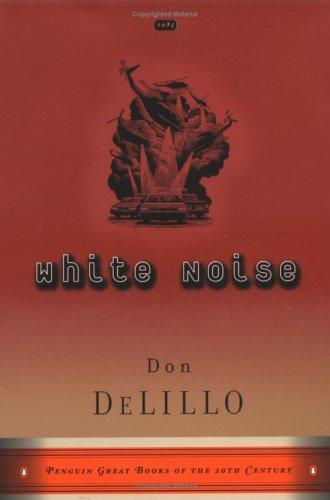
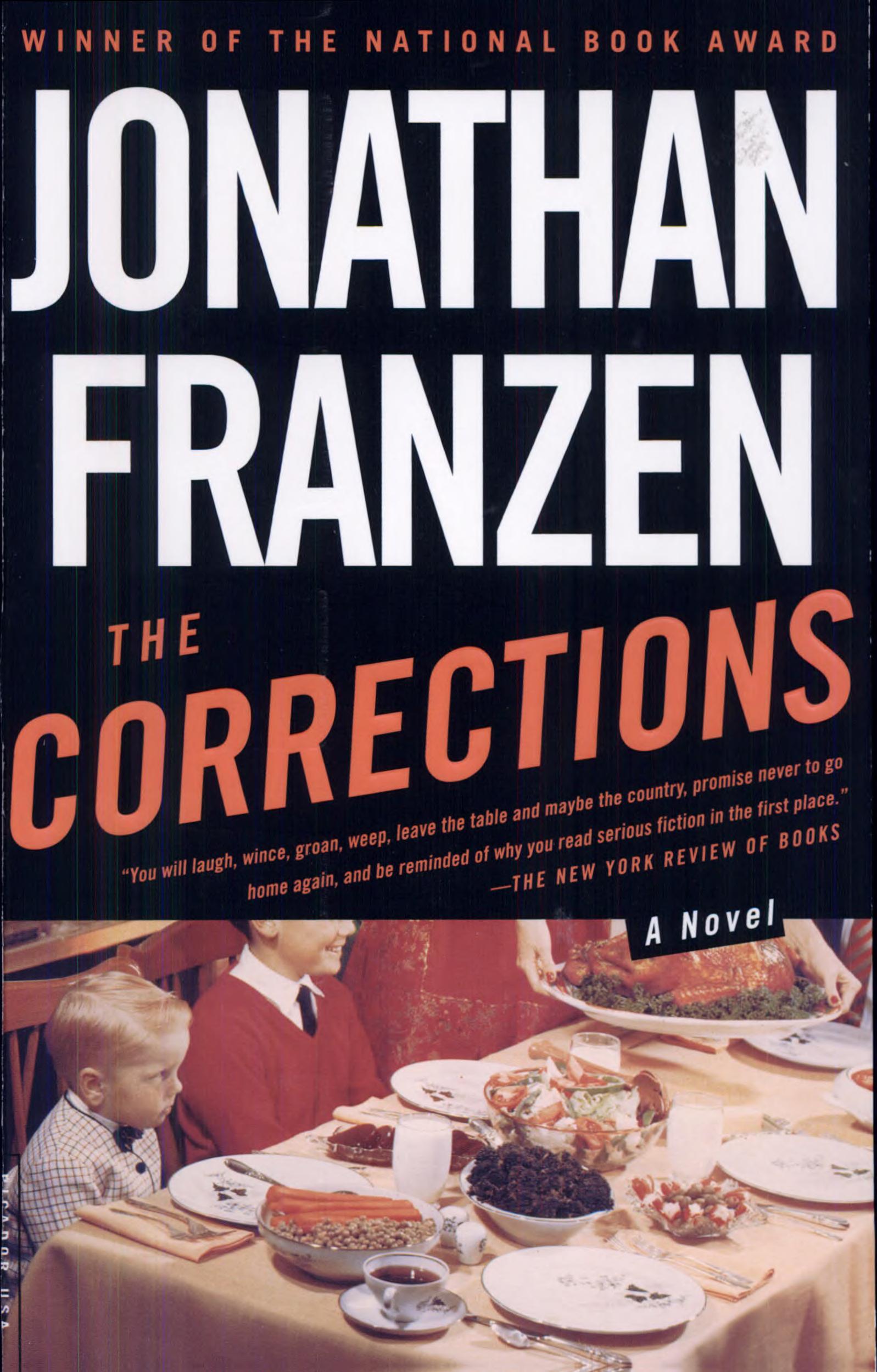
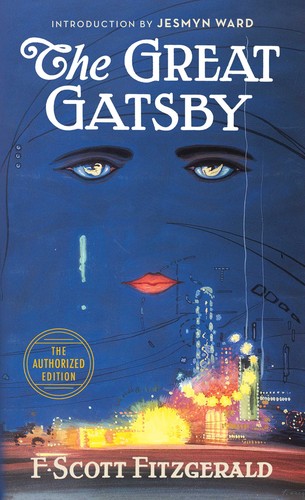
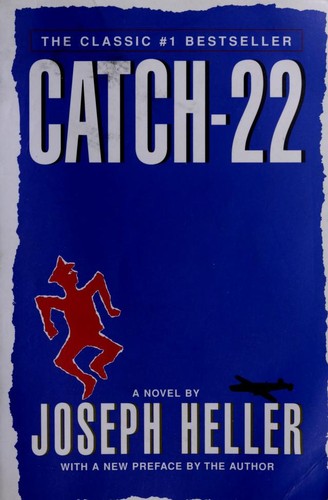
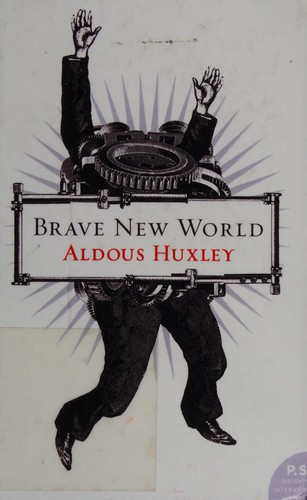
White NoiseDon DeLilloThe foundational text: Jack Gladney, professor of Hitler Studies at a small Midwestern college, his large blended family, the supermarket, the television, and the dread of death that runs underneath all of it like a current. DeLillo renders suburban American consumer culture with deadpan precision — the supermarket shelves are a source of genuine comfort, the brand names are incantatory — and shows what happens to people who have organized their entire lives around the management of mortality anxiety through consumption and distraction. The toxic event that bisects the novel is less the plot’s main event than the occasion for the anxiety beneath the white noise to surface briefly before being covered again. The most formally influential American anxiety novel of the past fifty years. The CorrectionsJonathan FranzenFranzen’s Lambert family novel is the most domestic version of the American anxiety theme: three adult children whose lives are full of the correct markers of success (jobs, relationships, urban apartments, professional accomplishments) and in whom the dread is located precisely in the gap between those markers and any feeling of genuine satisfaction. The corrections the title refers to are economic and pharmaceutical — the market corrects, the brain chemistry corrects — but the novel’s argument is that personal corrections are also necessary and that the culture has been designed to make them as difficult as possible. The most socially comprehensive American anxiety novel on this list, the one that holds the most different versions of the same basic experience simultaneously. The Great GatsbyF. Scott FitzgeraldFitzgerald’s novel is the historical foundation for all American anxiety fiction that follows: the specific dread of the American Dream as a promise that produces the wrong thing when it is kept. Gatsby has the money and the parties and the shirts and the green light across the bay, and none of it produces what it was supposed to produce, and the people inside it are careless in the specific way that comes from having enough to never have to attend to anything. Fitzgerald renders the dread as aesthetic rather than explicitly political — the Valley of Ashes exists beneath the parties in geographical as well as moral fact — and the novel’s enduring power comes from how precisely it named a specifically American form of emptiness that has only become more recognizable since 1925. Catch-22Joseph HellerHeller’s novel renders a specific American anxiety that is institutional rather than domestic: the discovery that the bureaucratic systems that are supposed to be organizing collective life toward rational ends are actually organized around their own perpetuation, independent of any relationship to the stated purpose they are supposed to serve. Yossarian’s specific anxiety is not that he might die in combat but that the bureaucracy keeping him in combat cannot be reasoned with — the rules exist to protect the rules, and the institution continues regardless of what it was supposed to be for. Heller published this in 1961 but it has only become more relevant as the specific quality of institutional absurdity he described has become more widely recognized as a feature rather than a bug. Brave New WorldAldous HuxleyHuxley’s dystopia belongs on this list because it is the most prescient available description of the specific American anxiety that consumer technology produces: a world in which the management of discomfort has been so successfully institutionalized that the citizens are genuinely happy, and the specific cost of that happiness is everything that makes human life meaningful — suffering, genuine love, art that tells the truth, the capacity to be genuinely disturbed by the world. Huxley’s citizens are anxious about nothing because they have been designed not to be, which is the endpoint of the tendency White Noise and The Corrections are diagnosing from the inside. The most extreme version of the argument on this list and, in 2026, the most obviously relevant. LessAndrew Sean GreerThe lightest entry on this list and the one with the most comedy, but included here because Arthur Less’s anxiety — about his failed literary career, his impending fiftieth birthday, his relationship with a younger man who is marrying someone else — is a specific and recognizable version of the American literary male’s specific dread: the sense that the life he has been living, while not without its pleasures, has not quite added up to what it was supposed to. Greer is funny about this in a way that neither dismisses the anxiety nor surrenders to it, and the Pulitzer Prize the novel won is partly recognition that there is something genuinely true in this portrait of a man for whom everything that should have produced satisfaction has not quite managed to. Who This Is For
Readers who recognize the specific quality of modern American anxiety — not dramatic suffering but the quiet dread that accumulates inside comfortable circumstances — and who want fiction that names it precisely rather than either glamorizing or dismissing it. The literary fiction catalogue has more in this direction.
Frequently asked questions
Q: Is White Noise difficult to read?
A: It is unusual in its prose style — more discursive and idea-driven than plot-driven, with long passages of dialogue that feel more like overlapping monologue than conversation — but it is not technically demanding. Readers who respond to its specific register find it immediately compelling; readers who want conventional forward momentum sometimes find it slow in its early sections before the Airborne Toxic Event intervenes.
Q: Is Brave New World more relevant now than when it was published?
A: Many critics have argued this — the novel’s description of a society that manages anxiety through entertainment, consumption, and pharmacology maps more closely onto current conditions than Orwell’s surveillance nightmare. Huxley himself wrote in later essays (Brave New World Revisited, 1958) that he thought his version of the future was arriving faster than he had predicted.
Q: Why does Less belong on a list about anxiety when it’s primarily a comedy?
A: Because the comedy is the anxiety, not a cover for it. Arthur Less’s specific form of humor — the way he deflects from his own suffering through observation, the way the novel’s comedy emerges from how hard he is working not to look directly at what is wrong — is itself the portrait of American literary masculine anxiety that the novel is drawing. Greer uses comedy the way DeLillo uses prose style: as the form that the content takes rather than a separate register layered over it.
Q: What should I read after The Corrections if I want more Franzen?
A: Freedom (2010) is his most similarly structured novel: a different family across a similarly comprehensive social canvas, organized around the same gap between correct life-markers and genuine satisfaction. Purity (2015) is more plot-driven and darker. Both are worth reading; Freedom is the closer companion to The Corrections.
Not sure which of these is right for you specifically? The Pagesmith quiz matches you to books based on your mood, pacing preference, and reading goals, not bestseller lists. Takes two minutes.