Books Like Kafka on the Shore for Readers Who Love the Uncanny
Kafka on the Shore works because Murakami makes no distinction between the real and the surreal -- fish fall from the sky with the same narrative weight as a bus ride. These six books share that refusal to privilege one kind of reality over another, and the specific uncanny effect that refusal produces.
June 2026 · 7 min read · The Pagesmith
Kafka on the Shore occupies a specific position in Murakami’s work and in world literature: it is not quite magical realism, not quite literary fiction, not quite surrealism, but something that draws from all three without fitting neatly into any. The specific effect it produces — the sense of being inside a world where the rules of reality have been quietly suspended, where the logic of dream and the logic of daily life operate simultaneously without either canceling the other — is something that readers consistently describe as unlike other reading experiences and that they immediately want more of. The books here share some version of that effect, achieved through different cultural contexts and different formal approaches. They are united by the refusal to treat the uncanny as exceptional — in all of them, the strange thing happens and life continues, because in these books the strange and the ordinary have always occupied the same space.
The uncanny isn’t about impossible things happening. It’s about the specific feeling produced when impossible things happen and nobody around them seems particularly surprised — the sense that you have stepped into a version of the world where the rules were always different and you are only now noticing.
The Books
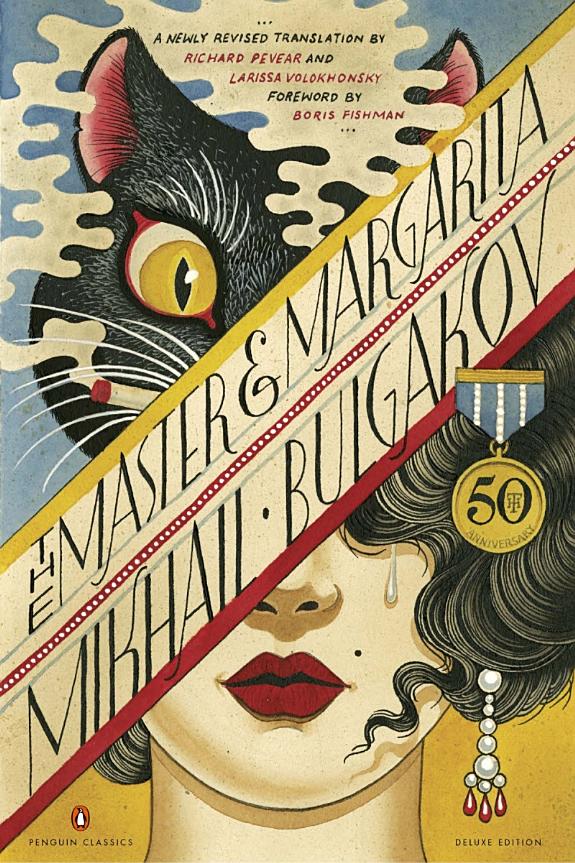
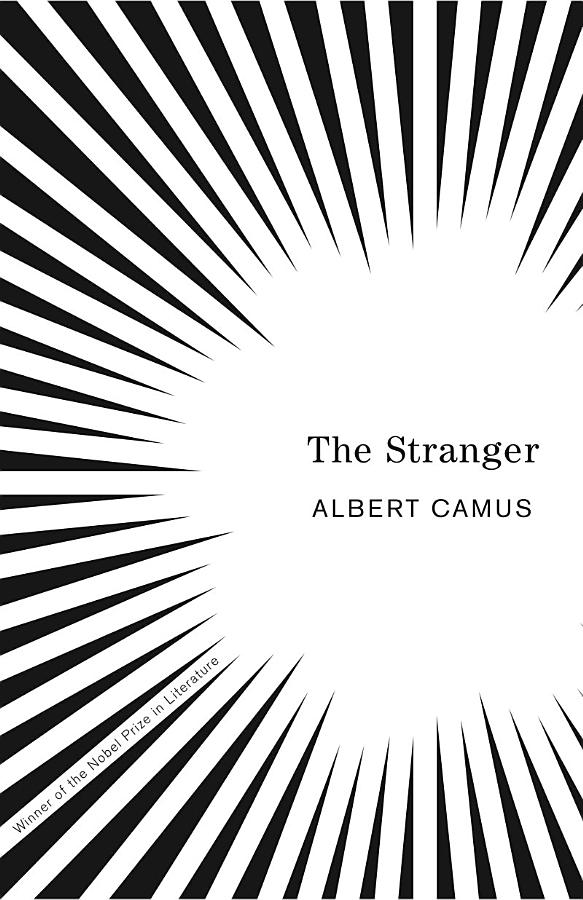
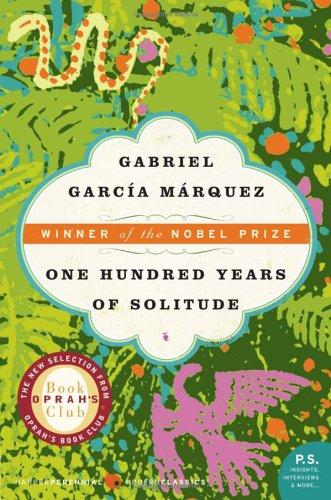
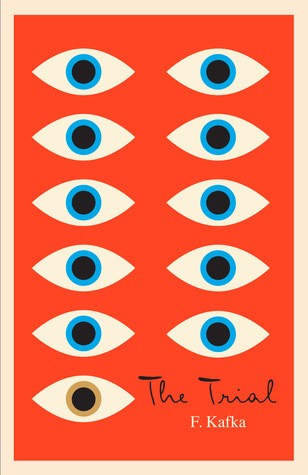
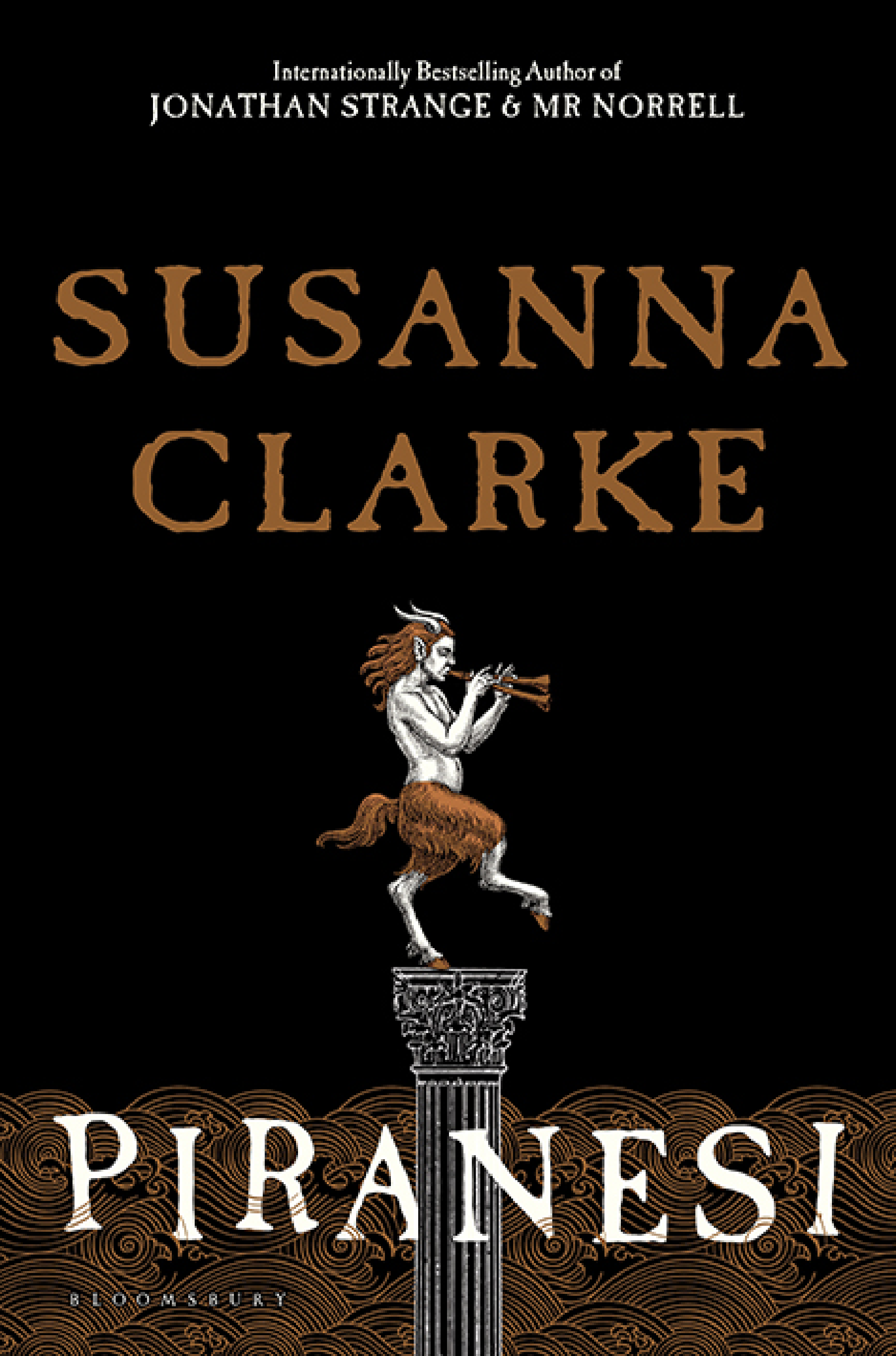
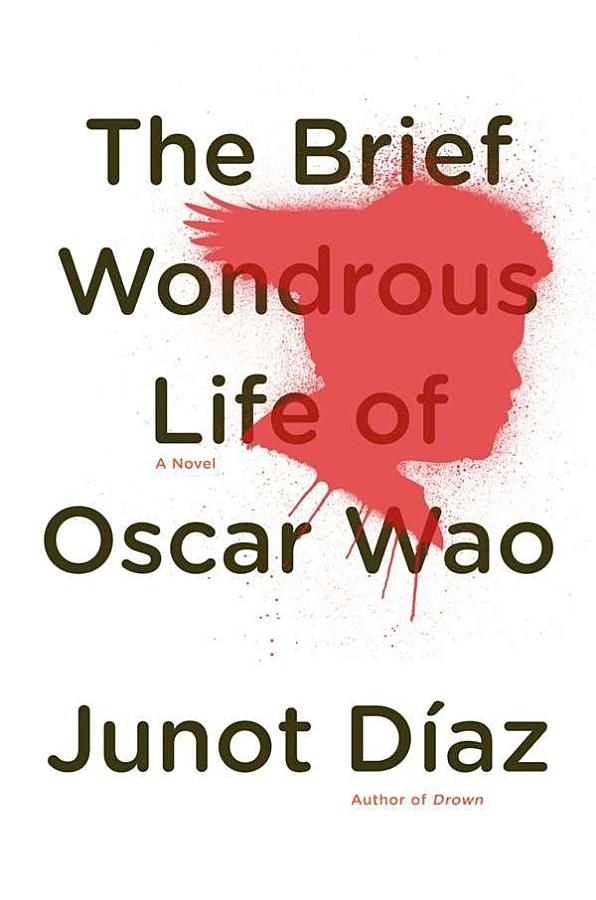
The Master and MargaritaMikhail BulgakovBulgakov’s novel is organized around the same narrative flatness that Murakami uses: the Devil arrives in Stalinist Moscow with his retinue, and Bulgakov renders his mayhem — the head removed from the emcee, the black magic show at the Variety Theatre, the foreign currency showering from the ceiling — in the same matter-of-fact prose as the bureaucratic machinery the Devil is exposing. The juxtaposition of Stalinist Moscow’s grim realism and Woland’s supernatural pranks is precisely the uncanny effect: the impossible is as deadpan as the mundane, and the satire is sharpest when the two are indistinguishable. The most politically specific uncanny novel on this list and the most demonstrably dangerous — Bulgakov could not publish it in his lifetime. The StrangerAlbert CamusCamus’s novel achieves the uncanny through Meursault’s specific flatness of narration rather than through supernatural events: his mother dies, he goes to the beach, he shoots a man, he is tried for murder, and all of these events are rendered in the same detached, sensory prose that makes them feel equally weighted, equally strange. The uncanny here is not fish falling from the sky but a human consciousness for whom nothing quite arrives as meaningful — which is its own form of unreality, and a deeply unsettling one. Kafka on the Shore readers who are drawn to the flatness of tone rather than the magical events will find in Meursault’s narration something that produces a similar quality of strangeness through completely different means. One Hundred Years of SolitudeGabriel Garcia MarquezThe foundational text of magical realism and the novel most directly responsible for the tradition Murakami is working within. Garcia Marquez’s prose achieves the same deadpan flatness — a woman ascending to heaven while hanging laundry, a rain of yellow flowers, a ghost who rattles chains for decades — by rendering the miraculous in the same register as the practical, which produces the specific uncanny quality of a world where the extraordinary has simply become ordinary. The difference between One Hundred Years of Solitude and Kafka on the Shore is cultural register: Garcia Marquez’s magic is rooted in Colombian oral tradition and history, while Murakami’s is rooted in Japanese culture and Western popular music. Both are equally complete worlds. The TrialFranz KafkaKafka is not a magical realist but an absurdist, and the distinction is instructive: where Garcia Marquez and Murakami render the impossible as simply the expected, Kafka renders the impossible as systematically bureaucratic — the process that is arresting Josef K. is real, the courts are real, the procedures are real, and the impossibility is that none of them will tell him what he is charged with or allow him to address the charge. The uncanny effect is produced by the combination of familiar institutional logic and total lack of access to the actual rules: everything works, nothing makes sense, and no one around Josef K. finds this particularly unusual. Murakami has cited Kafka as a central influence, and the resonances between The Trial and Kafka on the Shore are intentional and instructive. PiranesiSusanna ClarkeClarke’s novel achieves the uncanny in its purest structural form: a narrator who inhabits a fully impossible world with complete, unselfconscious acceptance, cataloguing its impossible properties with the patient attention of someone for whom the impossible has become the expected. The House’s endless halls, its tides, its statues, its upper regions where clouds form — all rendered through Piranesi’s journal entries with the same matter-of-fact specificity that Murakami brings to his strangest passages. The uncanny is not that the House is impossible; the uncanny is that Piranesi has found it entirely sufficient. The most formally direct equivalent to Kafka on the Shore’s specific quality of inhabiting the impossible from the inside. The Brief Wondrous Life of Oscar WaoJunot DiazDiaz’s Pulitzer Prize winner achieves the uncanny through the Dominican concept of fuku — the curse that follows the de Leon family across generations and across the ocean — rendered in prose that moves between Spanish and English, between street slang and footnotes, between the magical and the historical with the same ease that Murakami moves between the surreal and the mundane. The novel is rooted in the real history of Trujillo’s dictatorship while also taking entirely seriously the supernatural forces that the novel’s characters understand to be operating in their lives. The most culturally distinct uncanny novel on this list and the one with the most energetically varied prose style. Who This Is For
Readers who finished Kafka on the Shore wanting more of the specific uncanny quality of fiction where the dreamlike and the real share equal weight — who want the experience of inhabiting a world with suspended rules without the rules being explicitly broken. The literary fiction catalogue has more in this direction.
Frequently asked questions
Q: Is Kafka on the Shore the best Murakami to start with for readers new to him?
A: Norwegian Wood is usually the recommended entry point — it is his most conventionally realistic novel and demonstrates his prose style without requiring the reader to navigate the surreal elements. Kafka on the Shore is for readers who specifically want the uncanny quality; Norwegian Wood is for readers who want to understand the voice first.
Q: Is The Trial actually uncanny or just depressing?
A: Both, but the uncanny comes first: the specific quality of Josef K.’s situation — the procedures are entirely real but the reason for them is entirely inaccessible — is what produces the distinctive Kafkaesque experience, which is the uncanny feeling of being inside a system that has its own complete logic and offers no access to its actual rules. The depression comes from how completely that situation is rendered.
Q: Is The Brief Wondrous Life of Oscar Wao difficult to follow because of the code-switching between English and Spanish?
A: The novel switches between languages naturally and contextually, but Diaz writes with enough narrative momentum that readers who don’t speak Spanish report that the Spanish passages feel comprehensible from context rather than obstructive. Diaz has said explicitly that he is writing for a bilingual reader but that the novel works for monolingual readers too.
Q: What is the difference between magical realism and the uncanny more broadly?
A: Magical realism is a specific literary tradition rooted in Latin American and Caribbean literature, characterized by the integration of magical elements into a realistic narrative framework without authorial comment on their impossibility. The uncanny is a broader category — Freud’s definition covers anything that is both familiar and strange simultaneously. The books here include magical realism (Garcia Marquez, Diaz), absurdism (Kafka, Camus), and fantasy rendered as the ordinary (Clarke), all of which produce versions of the uncanny effect through different mechanisms.
Not sure which of these is right for you specifically? The Pagesmith quiz matches you to books based on your mood, pacing preference, and reading goals, not bestseller lists. Takes two minutes.