Cormac McCarthy: Where to Start With His Novels
McCarthy writes American violence with Biblical weight and almost no punctuation. His novels are not comfortable, and they're not meant to be. The right entry point depends on how much darkness you're ready for and whether you want plot or pure experience -- because he offers both, in very different proportions across his work.
June 2026 · 5 min read · The Pagesmith
Cormac McCarthy is one of the most significant American novelists of the past fifty years and one of the most commonly abandoned in the first fifty pages. His prose is immediately distinctive — minimal punctuation, biblical cadence, violence rendered with flat unflinching precision — and it is not for every reader or every moment. But for the reader it connects with, no other contemporary American writer renders the darkness inside American myth with the same completeness, the same refusal to look away or to offer comfort. The four novels here represent different points on the spectrum of his work: from the most plot-driven and accessible to the most demanding in terms of what the reader must bring to the text. The right starting point depends on what you’re ready for.
Start Here If You Want Plot With His Voice
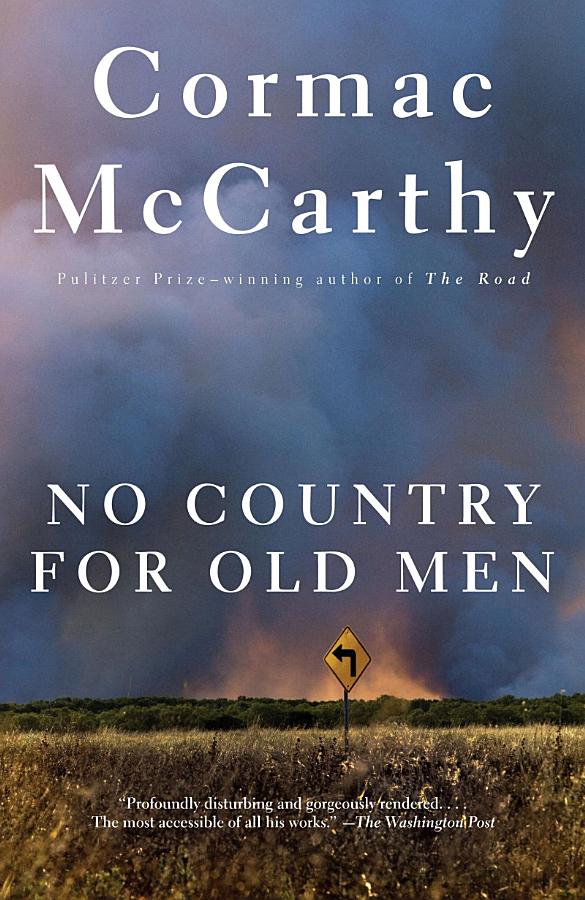
No Country for Old MenCormac McCarthyThe most conventionally structured of his novels and the right entry point for readers who want McCarthy’s prose without committing immediately to his most demanding work. A hunter finds drug cartel money in the Texas desert and keeps it; a psychopathic killer is sent to recover it; an aging sheriff follows both of them, knowing he cannot stop what is coming. The thriller mechanics work efficiently — the chase is genuinely tense — and the philosophical weight is concentrated in the sheriff’s chapters, where McCarthy’s real interest lies: what it means to age into a world you no longer recognize, and whether that world was ever as orderly as memory insists. The Coen Brothers adaptation is excellent and need not stop you from reading the novel first. Start Here If You Want His Most Celebrated Novel
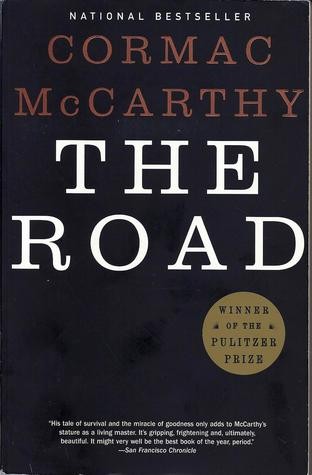
The RoadCormac McCarthyThe Pulitzer Prize winner and the most widely read of his novels: a father and son moving south through a post-apocalyptic America, carrying the fire of human decency through a world that has extinguished almost everything else. It is the most accessible of his major novels in terms of prose — the sentences are shorter, the structure clearer, the emotional stakes immediately legible — while being among the most demanding in terms of what it asks of the reader emotionally. The novel is a love story between a father and his son, rendered through relentless darkness that makes the love more visible rather than less. Many readers who have struggled with other McCarthy start here successfully. Start Here If You Want the Western as Literature
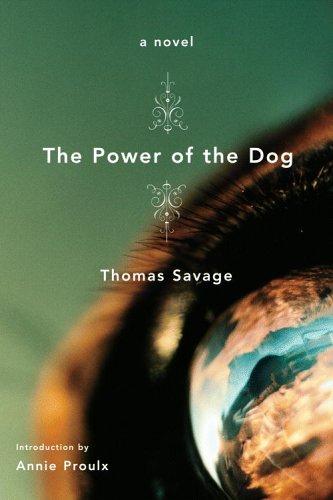
The Power of the DogThomas SavageNot McCarthy but included here because it occupies adjacent territory and provides a crucial counterpoint for readers exploring the American West in literary fiction. Savage’s 1967 novel — recently rediscovered through Jane Campion’s film adaptation — renders the Montana ranch world of the 1920s through the psychologically complex Phil Burbank, a rancher whose intelligence and cruelty are two expressions of the same character. Where McCarthy’s West is cosmic and violent, Savage’s is psychological and intimate. Reading both together shows the range available in Western literary fiction: McCarthy’s mythological darkness and Savage’s claustrophobic social realism are both serious engagements with what the American West actually produced in the people who inhabited it. Start Here Only If You’re Ready for His Most Demanding Novel
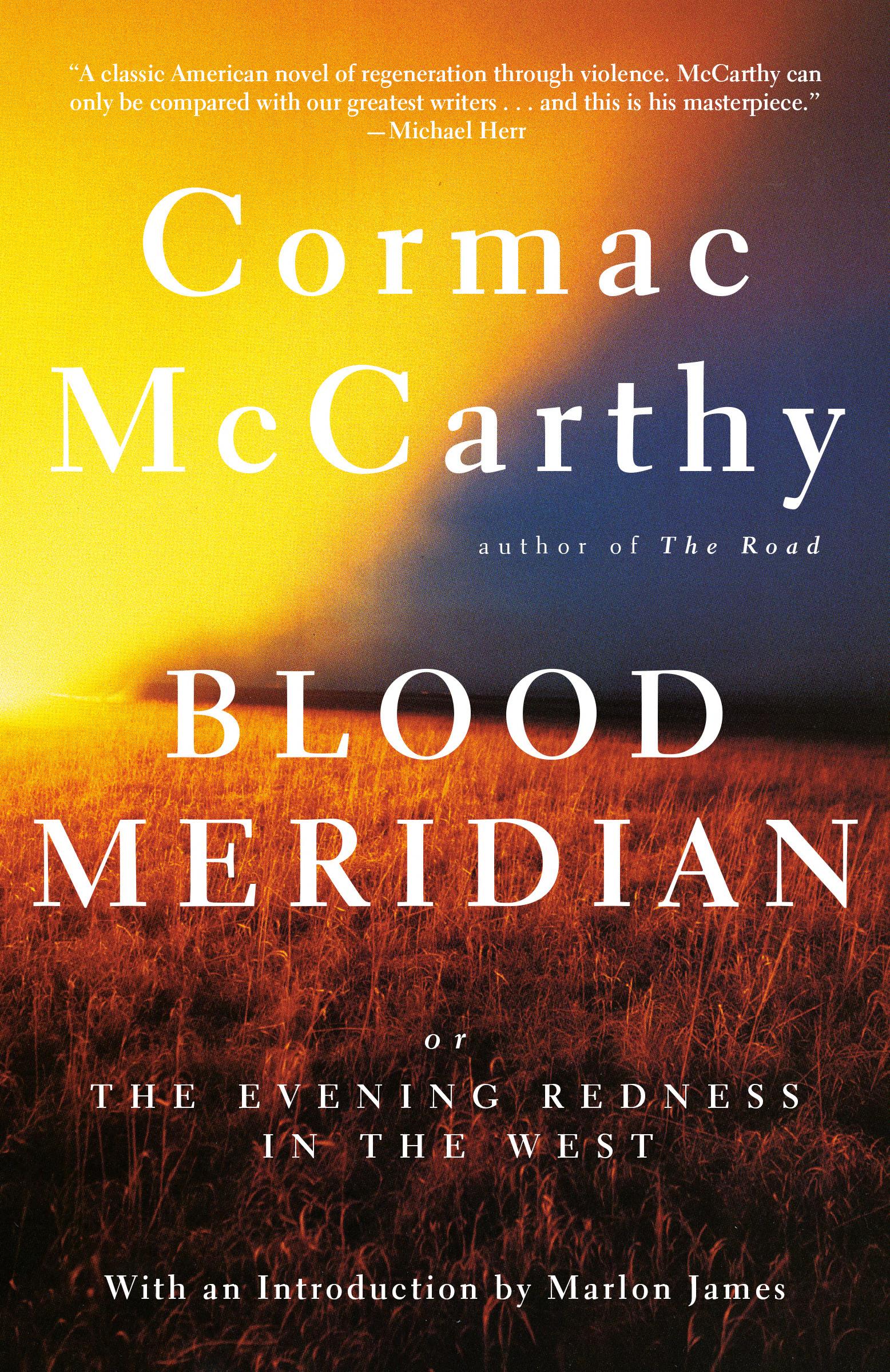
Blood MeridianCormac McCarthyMcCarthy’s most ambitious novel and his most uncompromising: a young man in the 1840s falls in with a historical scalp-hunting gang on the Texas-Mexico border, and McCarthy renders their campaign of violence with a prose style that has been compared to Melville and Milton for its density and its refusal of moral framing. The Judge, Blood Meridian’s central antagonist, is the most fully realized embodiment of pure violent intelligence in American fiction. The novel is not for all readers — the violence is sustained and rendered without the kind of emotional distance that would make it tolerable — but readers who are ready for it tend to consider it one of the greatest American novels. Do not start here. Who This Is For
Readers who have heard McCarthy recommended and want to know where to begin without being destroyed by their first encounter, and readers who have read one McCarthy and want to know which to tackle next. The literary fiction and thriller and mystery catalogues have more in this direction.
Frequently asked questions
Q: Why does McCarthy not use quotation marks or standard punctuation?
A: McCarthy has described it as aesthetic preference — he finds quotation marks visually cluttered and finds that their absence produces prose that moves faster and feels less interrupted. Most readers adjust within a chapter and stop noticing it. The sentences themselves provide enough context to distinguish dialogue from narration.
Q: Is The Road appropriate for readers who are currently going through something difficult?
A: The Road is relentlessly dark in its post-apocalyptic setting but fundamentally a story about love surviving in terrible conditions. Some readers find it comforting for this reason; others find the darkness too much while already under stress. If you are in a difficult period, No Country for Old Men is a less emotionally demanding entry point.
Q: Is The Power of the Dog a Cormac McCarthy novel?
A: No — it is by Thomas Savage, an underappreciated American novelist. It shares territory and quality with McCarthy but is a distinct voice and project. The Jane Campion film (2021) brought Savage’s novel to wide attention for the first time in decades.
Q: What order should I read McCarthy if I want to eventually read Blood Meridian?
A: No Country for Old Men first, then The Road, then Blood Meridian. This progression moves from his most accessible thriller mechanics through to his most demanding prose and most sustained violence, building the vocabulary and tolerance the final novel requires.
Not sure which of these is right for you specifically? The Pagesmith quiz matches you to books based on your mood, pacing preference, and reading goals, not bestseller lists. Takes two minutes.