The Best Books That Will Change How You See the Natural World
The best nature and science writing doesn't just convey information about the natural world. It changes the reader's relationship to it -- producing a new quality of attention to what they were already looking at. These six books have that effect: you finish them and see differently.
June 2026 · 7 min read · The Pagesmith
There is a difference between knowing something about the natural world and seeing it differently because of what you’ve read. You can finish a book knowing that trees communicate through underground fungal networks and still see a forest as a collection of separate objects; you can finish another book and find that the same forest is, from that day forward, a conversation you are standing inside. The books here produce the second effect. They are not cataloguing facts about the natural world; they are rendering it with enough specificity and enough imaginative investment that the reader’s way of seeing is permanently altered. Most readers who finish The Sixth Extinction report that they cannot look at a bird or a coral reef without the historical weight of mass extinction present in the looking; most who finish Lab Girl find that they cannot walk past a plant without some attention to what the plant is doing. This is the specific effect that the best nature and science writing can produce, and it is rarer than good information.
The best nature writing doesn’t just tell you what the natural world is doing. It changes the quality of attention you bring to the world you’re already living in — which is a more lasting contribution than any specific fact, and the one that matters most to the reader who comes back outside with it.
The Books
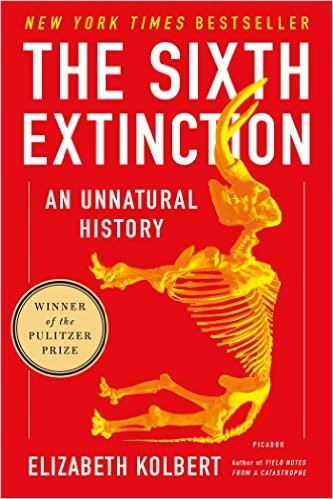
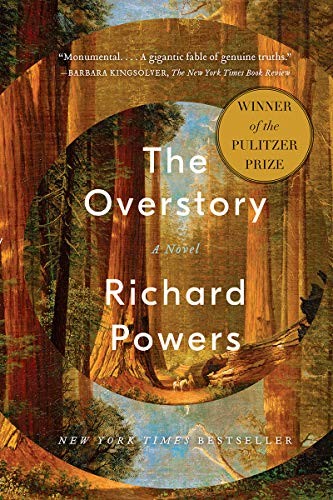
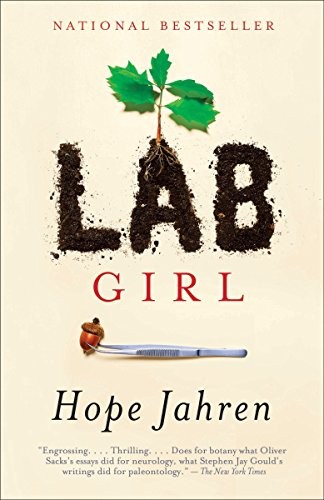
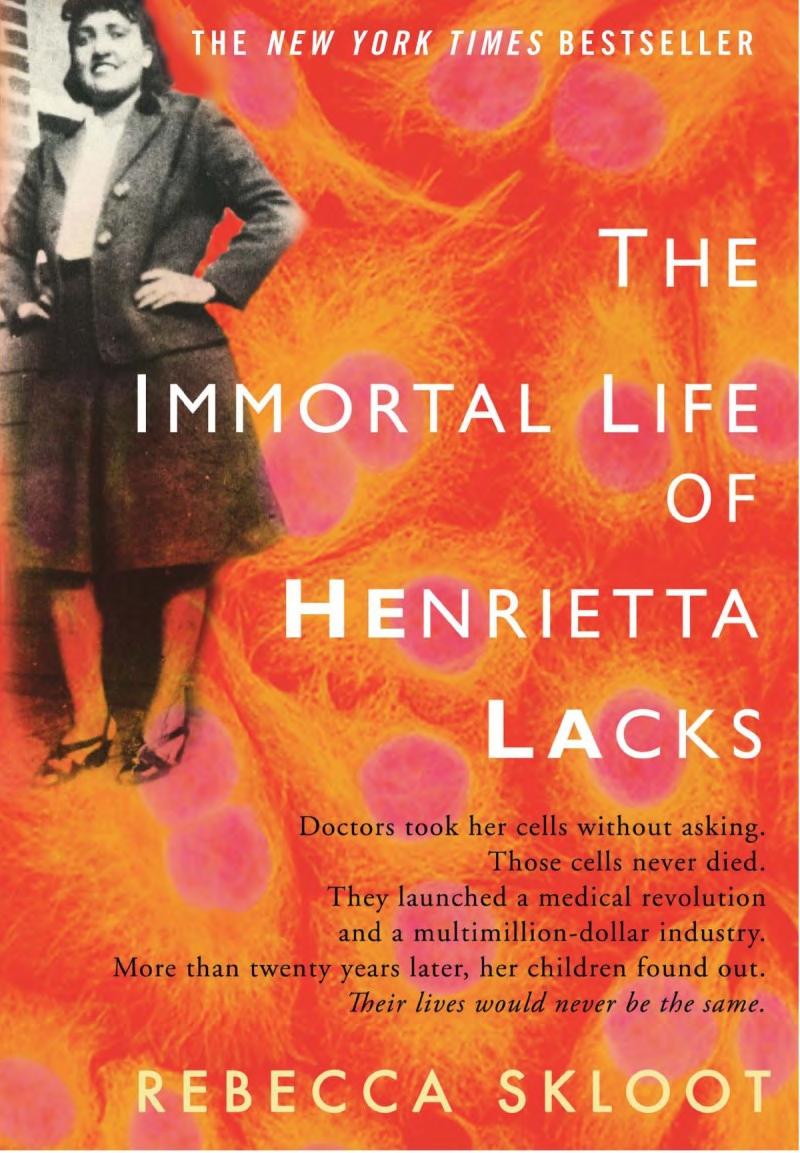
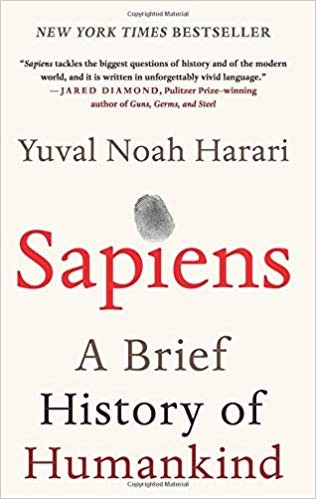
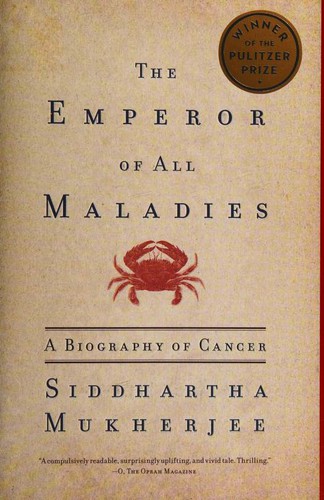
The Sixth ExtinctionElizabeth KolbertKolbert’s Pulitzer Prize-winning account of the ongoing mass extinction event — the sixth in the history of life on Earth, the first caused by a single species — is organized around specific cases rendered with enough scientific and historical detail that the abstraction “extinction” becomes something the reader can actually feel. Each chapter follows a different species or ecosystem: the great auk, the Panamanian golden frog, the coral reef, the white-nosed bat — rendered with enough specificity that their loss is experienced as a loss rather than a statistic. The book does not produce despair so much as a permanent recalibration of what the word “rare” means when applied to anything living. The OverstoryRichard PowersPowers’s Pulitzer Prize-winning novel earns its place on a nonfiction-adjacent list because its rendering of trees — their communication through underground fungal networks, their timescales, their specific relationships to the animals and humans that depend on them — is drawn from cutting-edge research and rendered with the specificity of a novelist who spent years in the scientific literature. Most readers report that they cannot walk through a forest the same way after finishing it; the trees are doing something, communicating and responding and competing, in a timeframe that the novel makes legible for the first time. The effect is not simply intellectual recognition but a changed quality of attention every time the reader is in the presence of a tree. Lab GirlHope JahrenJahren’s memoir alternates between her life as a geobiologist and chapters about plants, and the plant chapters are the most accessible and most vivid introduction available to the specific intelligence of plant biology: how a seed decides when to germinate, what a root is looking for when it grows, what a tree does in response to drought. Jahren writes about plants with a scientist’s precision and a novelist’s emotional investment, and the result is prose that makes botany feel urgent rather than dry. The effect on readers is reliably the same: a permanent curiosity about what any given plant is doing in any given moment, which is the attention the world needs more people to bring to it. The Immortal Life of Henrietta LacksRebecca SklootSkloot’s book changes how readers see their own bodies: Henrietta Lacks’s cancer cells, taken without her knowledge in 1951, became the first “immortal” human cell line and have contributed to nearly every major medical advance since. The book is organized around two parallel stories — the scientific history of HeLa cells and the Lacks family’s experience of living with the fact that Henrietta’s cells were taken and distributed worldwide without consent or compensation — and both stories produce the same effect: the reader sees their own body differently, as something that exists in relation to a scientific infrastructure and an ethical history they were never told about. The most politically significant of the books on this list. SapiensYuval Noah HarariHarari’s history of humankind changes the reader’s relationship to the natural world by changing their understanding of their own species’ place within it: we are, he argues, a cognitive revolution away from being just another large mammal, and the same capacities that allowed us to dominate every ecosystem on Earth have produced the ecological catastrophe now underway. The effect on readers is a permanent awareness of their own species-ness — the recognition that Homo sapiens is a specific animal with a specific evolutionary history that explains both our achievements and our destructiveness. The book changes how readers see themselves in relation to the natural world rather than simply how they see the natural world itself. The Emperor of All MaladiesSiddhartha MukherjeeMukherjee’s “biography of cancer” changes readers’ relationship to their own bodies by explaining what cancer actually is — not a foreign invasion but the body’s own cells misbehaving in specific, comprehensible ways — and rendering the full history of how medicine has come to understand it. The book produces a specific kind of changed attention to one’s own physical existence: after reading it, the body is understood as a dynamic biological system rather than a stable container, which is both more accurate and more interesting than the vague biological literacy most people carry into adulthood. Mukherjee writes with the same combination of narrative skill and scientific depth that characterizes the best books on this list. Who This Is For
Readers who want to see differently rather than simply know more — who are looking for books that change the quality of their attention to the world rather than adding to a store of information that doesn’t affect their daily experience of being in it. The nonfiction catalogue has more in this direction.
Frequently asked questions
Q: Is The Sixth Extinction too depressing to read given its subject?
A: Kolbert is honest about the scale of what is happening, but the book is organized around specific cases rendered with scientific clarity rather than around sustained argument for despair. Most readers find it clarifying rather than paralyzing — understanding the actual mechanism and scale of extinction is more useful than the ambient guilt and avoidance that characterize most people’s relationship to ecological catastrophe.
Q: Is Sapiens reliable as popular history?
A: Harari’s broad strokes are well-grounded, though some specific arguments are more contested among historians than the book’s confident tone suggests. The book is best read as a provocative synthesis that changes how you think about human history rather than as a definitive account — the sweeping scale requires some sacrifice of nuance. Most readers find the tradeoff worthwhile.
Q: Why is The Overstory on a nonfiction-adjacent list if it’s a novel?
A: Because its rendering of the natural world is drawn from cutting-edge research and produces the same kind of changed attention to the world that the nonfiction books here produce. The fictional frame doesn’t reduce the accuracy of the scientific content or the reality of the effect on readers. The list is organized around what the books do to readers, not what category they belong to.
Q: What should I read after The Immortal Life of Henrietta Lacks if I want more of this intersection of science, race, and ethics?
A: Mukherjee’s The Emperor of All Maladies covers adjacent scientific territory; his second book, The Gene, extends the same biographical approach to genetic history. For the racial justice dimension, medical ethicist Harriet Washington’s Medical Apartheid covers the broader history of non-consensual medical experimentation on Black Americans.
Not sure which of these is right for you specifically? The Pagesmith quiz matches you to books based on your mood, pacing preference, and reading goals, not bestseller lists. Takes two minutes.