The Long Game: Six Novels About Love Across Time
The love story compressed into weeks or months is a different argument than the love story that spans decades. These six novels understand love as something that time reveals rather than tests -- where the full meaning of a relationship is only available from a distance that neither party could have provided at the time.
June 2026 · 7 min read · The Pagesmith
Most love stories are organized around arrival: two people move toward each other, encounter obstacles, and the story resolves when the obstacles are overcome. But some of the most interesting fiction about love is organized around duration: what happens to love when the arrival is followed by decades, when two people who loved each other at twenty must discover what they are to each other at fifty, when a relationship that began in one context must find a way to survive its passage through other contexts entirely. The novels here are all organized around the temporal dimension of love — not simply the feeling but the project of sustaining and understanding it across years and decades. Time is not simply the background against which love is tested in these books; it is the medium through which love becomes what it actually is, and the only lens through which its full meaning becomes available.
The short love story asks: will they end up together? The long love story asks something harder: what does it mean that they are together? What has time made of what they felt, and what would they feel if they could meet each other again knowing what they now know?
The Books
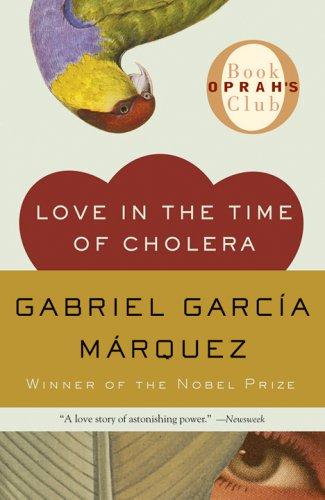
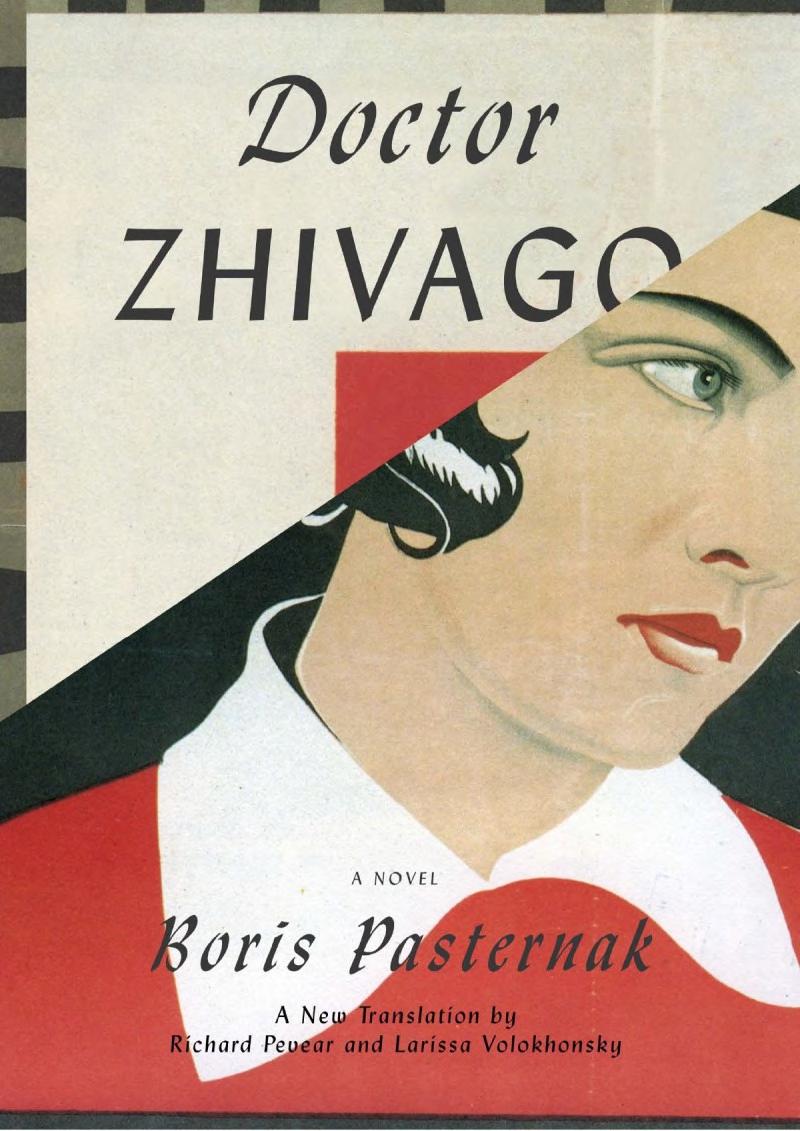
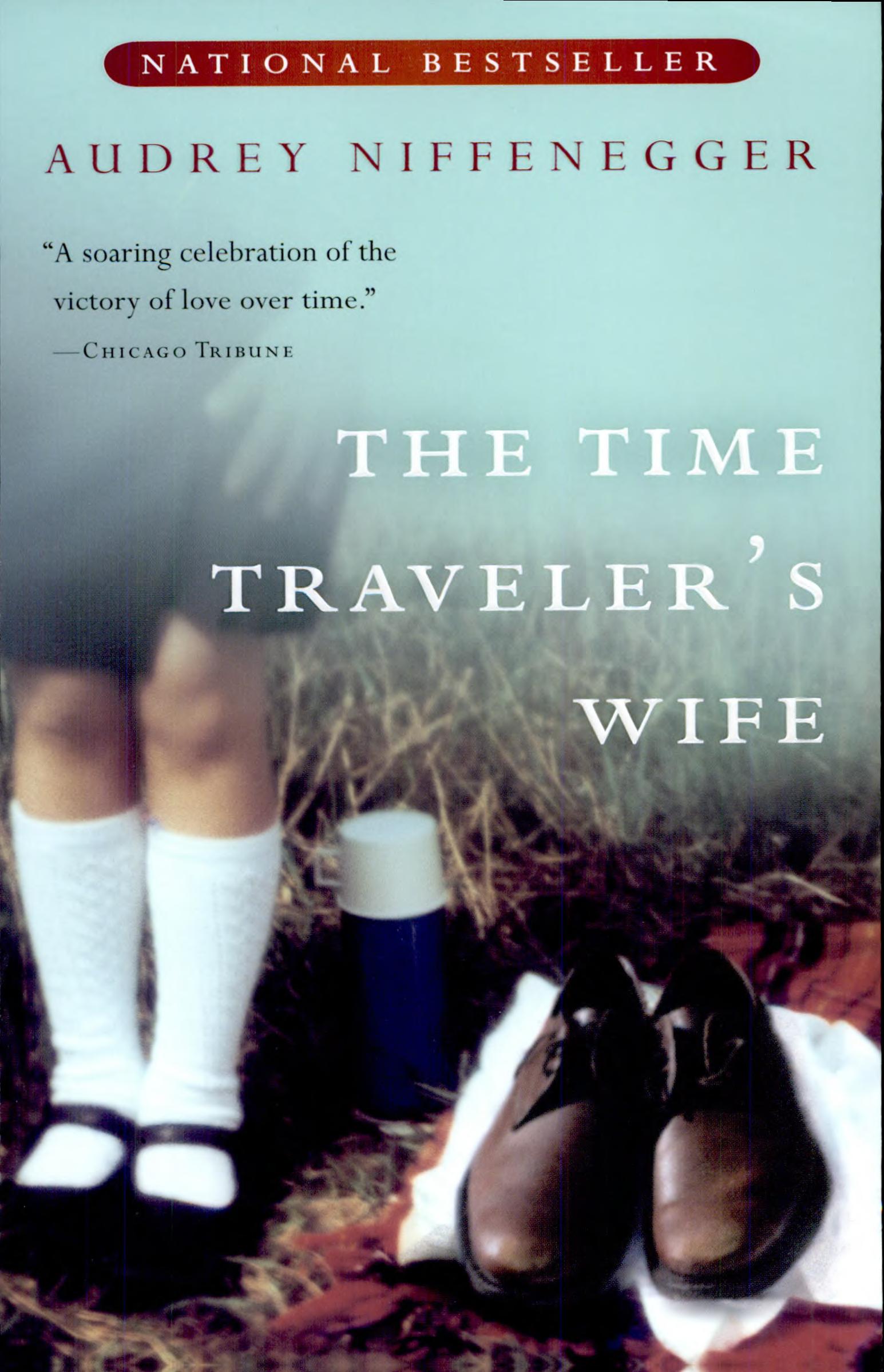
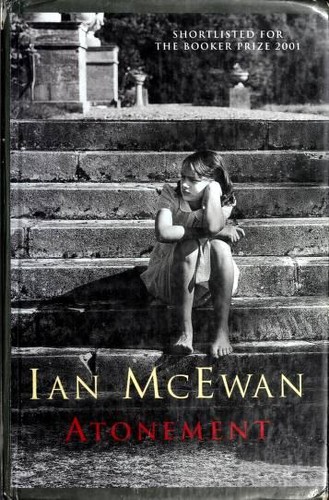
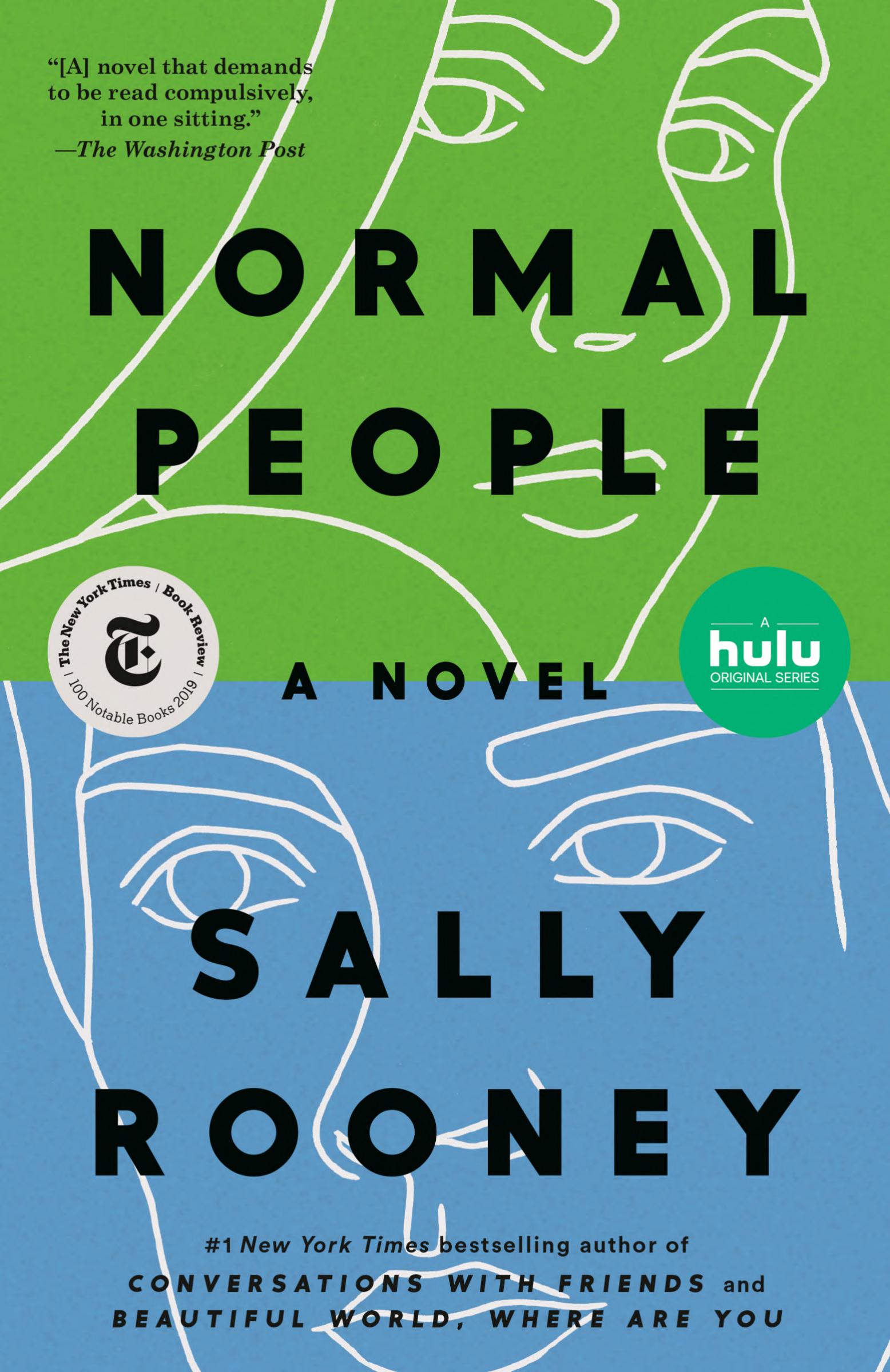
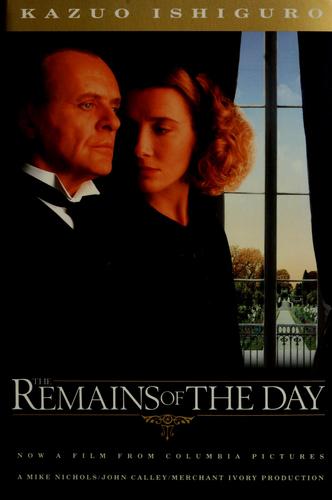
Love in the Time of CholeraGabriel Garcia MarquezThe definitive novel about love as a fifty-three-year project: Florentino Ariza waits for Fermina Daza from his youth until old age, sustaining his conviction that they belong together across five decades of her marriage to another man, and Garcia Marquez takes the long view seriously rather than romanticizing the wait. The novel is interested in what that waiting actually costs both of them, what Fermina’s marriage to Juvenal Urbino actually consisted of, and whether what Florentino and Fermina finally find in old age is love as it was promised or something that time has transformed into a different thing entirely. The most comprehensive available treatment of love as a multigenerational experience. Doctor ZhivagoBoris PasternakPasternak’s novel renders the love between Yuri Zhivago and Lara Antipova against the full sweep of the Russian Revolution and its aftermath — one of the most violent historical transitions of the twentieth century — which makes the relationship’s specific fragility and specific durability legible in a way that no domestic setting could. The novel is organized around the specific way that historical forces separate people who would otherwise have spent their lives together, and what it means to love someone across the separations that history imposes rather than the ones that individual choice produces. The most politically specific love story on this list and the one where the historical context is most thoroughly inseparable from the emotional one. The Time Traveler’s WifeAudrey NiffeneggerNiffenegger’s novel uses time travel to literalize what the other novels on this list make available only across the narrative’s full span: the experience of loving someone across multiple versions of themselves, of knowing how a relationship ends while also inhabiting its beginning, of meeting the person you will love before you have the person who will love them. The temporal disorientation of the form is doing the same work that decades do in the other novels: making visible the specific quality of love that cannot be seen from inside any single moment but only from a vantage point that includes the full arc. The most formally innovative of the love-across-time novels and the one that makes its argument most directly through its structure. AtonementIan McEwanMcEwan’s novel is organized around a love story that was destroyed before it could fully exist, and what time does to the people who were separated by a child’s lie rather than by circumstance or choice. The novel spans decades in its narrative and then reveals, in its final section, that the author within the novel has given her characters an ending she knows they did not have — which means the love story the reader has been reading is a fiction produced by guilt, a version of what might have been that time and irreversible damage made impossible. McEwan is asking whether love can be preserved by fiction across the gap created by loss, and whether that preserved version counts as the real thing. The most formally sophisticated entry on this list. Normal PeopleSally RooneyThe most compressed of the novels on this list — spanning several years rather than decades — but doing the same work in miniature: Connell and Marianne’s relationship across their adolescence and early adulthood demonstrates how people change in relation to each other over even a relatively short period, and how the person you loved at seventeen and the person you love at twenty-two are continuous but not identical. Rooney is interested in the specific way that proximity and distance alternate across a young relationship, and in what each period of separation reveals about what the relationship actually is rather than what either party has decided it is. The right starting point on this list for readers newer to love fiction organized around time rather than around arrival. The Remains of the DayKazuo IshiguroThe love story in The Remains of the Day is the one that never quite happened: Stevens’s relationship with Miss Kenton is rendered entirely through the gap between what they might have had and what Stevens’s professional commitments prevented him from allowing to exist. The novel is about love deferred until it becomes unavailable, which is one of the most painful versions of the love-across-time theme: the full arc of what Stevens and Miss Kenton were to each other is only visible in retrospect, from the vantage point where it is too late to change. Ishiguro makes the missed love story feel as complete and as present as any love story that did happen, through the specific quality of attention Stevens brings to the memories of what he chose not to pursue. Who This Is For
Readers who want love stories organized around what time reveals rather than what obstacles prevent — who are interested in what relationships look like when rendered across decades rather than across weeks, and what that temporal distance makes available that the moment alone cannot. The literary fiction and romance catalogues have more in this direction.
Frequently asked questions
Q: Is Love in the Time of Cholera a love story or a criticism of romantic obsession?
A: Both, which is what makes it so interesting. Garcia Marquez takes Florentino’s fifty-three-year wait seriously as love while also being honest about what that wait costs and what it excludes — Florentino’s hundreds of affairs, his refusal of other connections, the way his fixation has organized his entire life around a single absence. The novel does not resolve the question of whether this is romantic or pathological; it asks whether the distinction is even meaningful at this scale.
Q: Is Doctor Zhivago primarily a love story or primarily about the Russian Revolution?
A: Inseparably both. Pasternak uses the love story as the vehicle for rendering the Revolution’s human cost, and uses the Revolution as the condition that makes the love story impossible to complete. The novel cannot be separated into its historical and romantic components; the argument depends on both being fully present.
Q: Is The Remains of the Day sad because of what doesn’t happen?
A: Yes, and specifically so: the sadness is produced by the reader’s clear perception of what Stevens and Miss Kenton might have had, which Stevens’s narration approaches and retreats from repeatedly without allowing himself to fully see. Ishiguro produces grief for a love story that never happened by rendering it as precisely as if it had.
Q: What should I read after Love in the Time of Cholera if I want more Garcia Marquez?
A: One Hundred Years of Solitude is the natural next step, though it is structurally and tonally quite different — a family saga rather than a love story, and more explicitly magical in its elements. No One Writes to the Colonel is a short novella that demonstrates Garcia Marquez’s capacity for sustained irony in a more compressed form.
Not sure which of these is right for you specifically? The Pagesmith quiz matches you to books based on your mood, pacing preference, and reading goals, not bestseller lists. Takes two minutes.