What to Read After The Grapes of Wrath
The Grapes of Wrath is the novel that made American poverty undeniable on the page -- specific enough in its rendering of the Joad family's displacement that the abstraction 'the Depression' becomes a set of actual people with actual faces. Readers who finish it want something with the same weight and the same refusal to look away. These five books deliver it.
June 2026 · 6 min read · The Pagesmith
The Grapes of Wrath works because Steinbeck understood that the way to make large-scale economic catastrophe legible was through a single family’s experience of it — the Joads, specific and flawed and fully human, carrying the weight of what the Dust Bowl and the Depression actually consisted of for the people inside them. The novel’s power comes from that specificity: not the statistics of the displacement but the specific quality of life in the migrant camps, the specific faces of the people who turned the Joads away, the specific decisions made at the edge of survival by people who were not abstractions but characters the reader has come to know. The books here share that commitment: they are organized around specific people in specific impossible conditions, rendered with enough honesty that the reader cannot maintain the comfortable distance that abstractions permit.
The Books
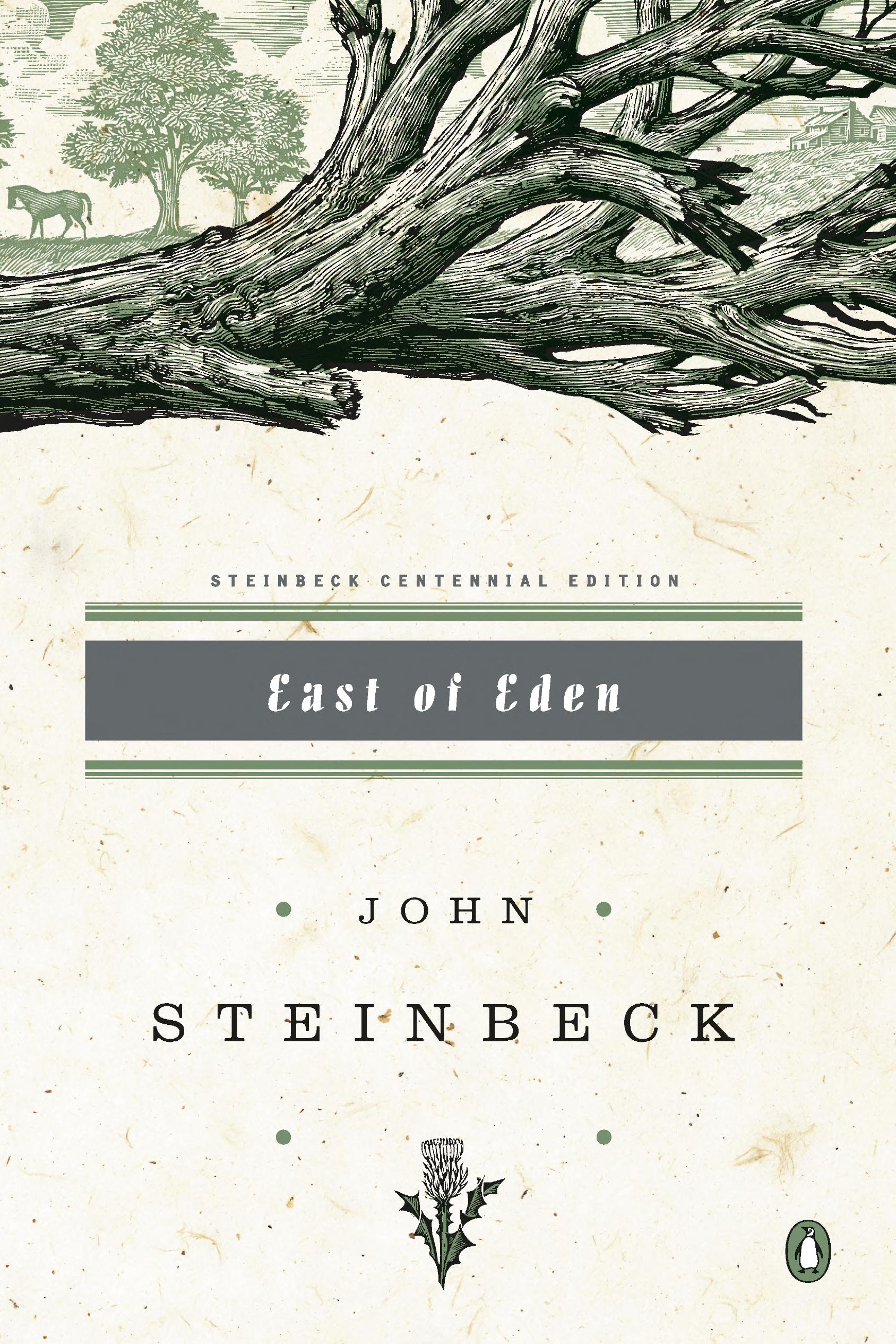
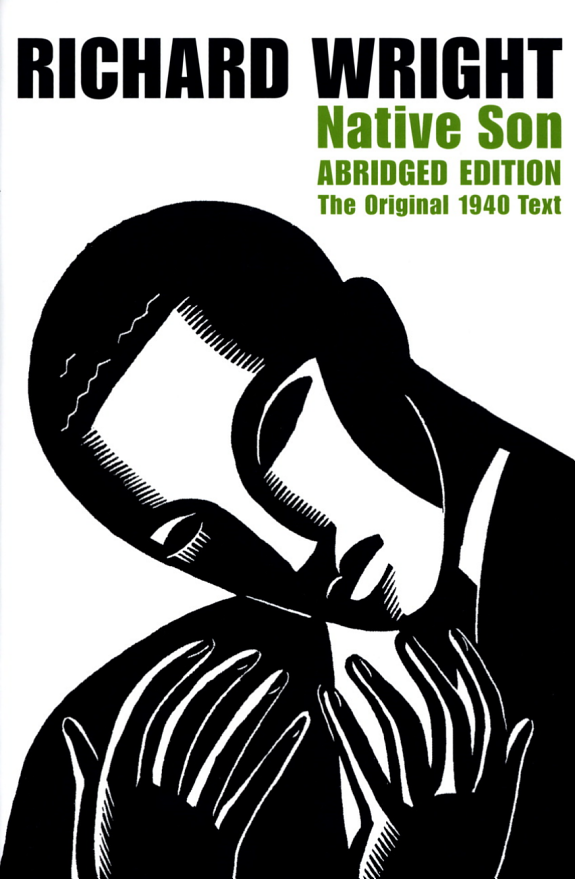
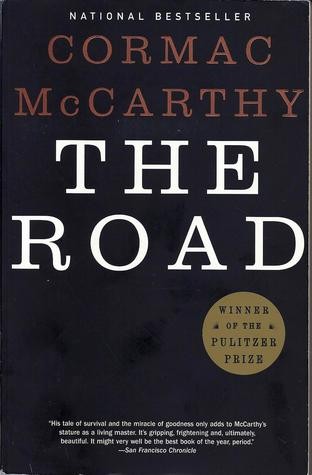
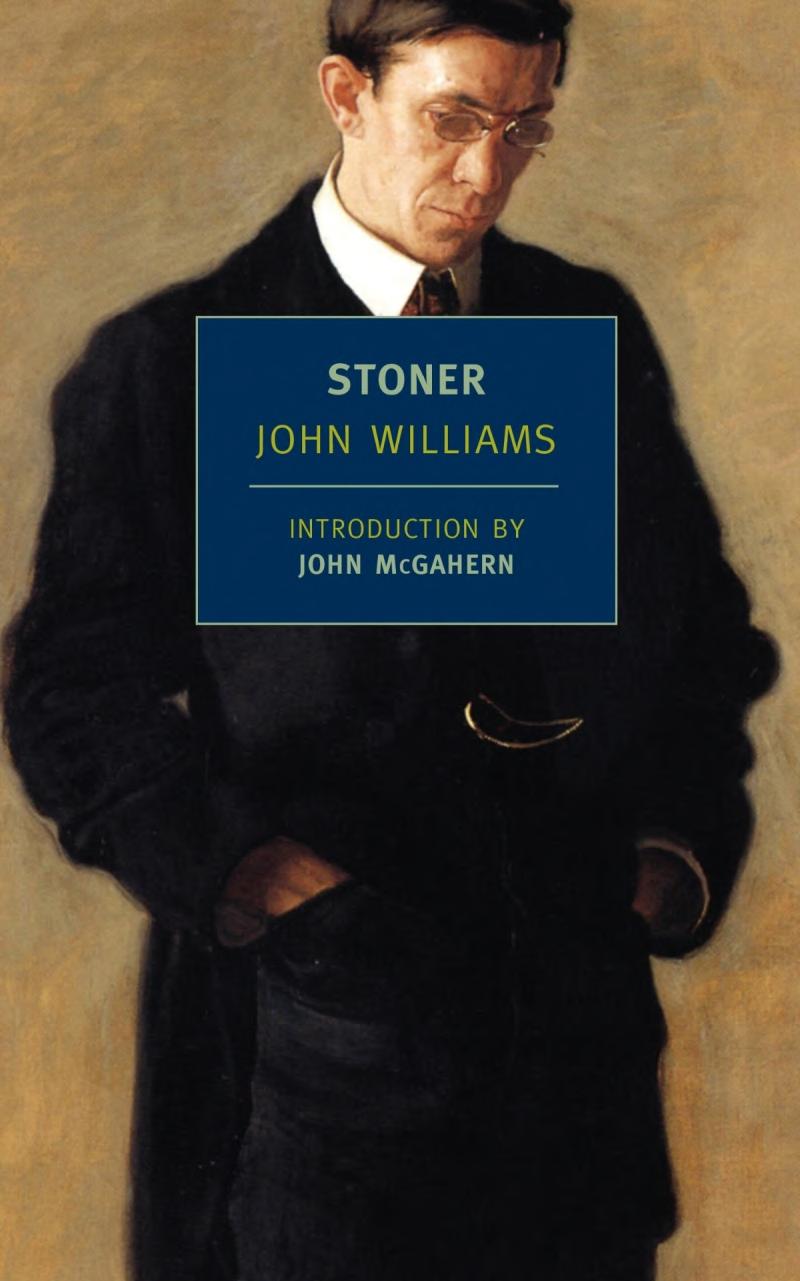
East of EdenJohn SteinbeckSteinbeck’s most ambitious novel and the direct next step for Grapes of Wrath readers who want to stay with his voice and his California. Where The Grapes of Wrath renders economic catastrophe through a family’s displacement, East of Eden renders the same Salinas Valley through the multigenerational moral history of two families — a canvas large enough to make the argument about free will and inherited pattern that The Grapes of Wrath had no room for. The novel is warmer, more epic, and more explicitly philosophical, and for many readers ultimately more satisfying. Steinbeck considered it his finest work and his real project; most critical opinion has agreed with him over time. Native SonRichard WrightWright’s 1940 novel is the urban, Northern, Black American counterpart to The Grapes of Wrath: published the same year, organized around the same structural argument (the conditions that produce a person are as culpable as the person), and equally uninterested in making its protagonist conventionally sympathetic in order to earn the reader’s engagement. Bigger Thomas occupies the same position in Wright’s Chicago that the Joads occupy in Steinbeck’s California: at the absolute bottom of a social hierarchy that was built to put them there, making impossible decisions under impossible conditions. The two novels together constitute the fullest available portrait of Depression-era American poverty from its two largest demographic experiences. Lonesome DoveLarry McMurtryMcMurtry’s Pulitzer Prize-winning cattle drive epic shares The Grapes of Wrath’s specific quality of Americans moving through an inhospitable landscape and finding out who they are inside the movement. The cowboys are not the dispossessed migrants of Steinbeck’s novel, but the journey — from the Texas border to Montana, through hardship and violence and loss — produces the same kind of accumulated knowledge about what people are made of when they have nothing but each other and the road ahead. McMurtry’s novel is warmer and funnier than Steinbeck’s, and its two central figures, Call and McCrae, are among the most fully realized characters in American fiction. The right choice for Grapes of Wrath readers who want scope and humanity with more room for humor. The RoadCormac McCarthyMcCarthy’s post-apocalyptic novel is the logical endpoint of The Grapes of Wrath’s vision: what happens when the conditions that produced the Joads’ desperation are extended to their absolute limit, and the only thing a father has left to protect is his son. Where Steinbeck’s family moves through a diminished but still-inhabited America, McCarthy’s father and son move through an America from which almost everything human has already been removed. The same question — what people do for each other at the edge of what is survivable — is answered differently by each novel, and reading them together reveals both how much has been stripped away and what remains. The bleakest companion on this list, and the most necessary one. StonerJohn WilliamsThe quietest book on this list and the one most different from The Grapes of Wrath in texture, but the one that most directly extends its argument about ordinary lives rendered with full seriousness. Where Steinbeck’s Joads are displaced by economic catastrophe, Williams’s Stoner is simply a man who lived a quiet life in Missouri and received from Williams the same quality of complete, unhurried attention that Steinbeck gave the Joads. Both novels are organized around the same premise: that lives that the culture has decided don’t matter actually do, and that rendering them fully and honestly is itself a political act, whatever the subject’s economic or social position. The right choice for readers who responded most to The Grapes of Wrath’s quality of attention rather than its epic scale. Who This Is For
Readers who finished The Grapes of Wrath wanting more fiction that renders American hardship with the same specific, unflinching attention — who want books that insist on the full humanity of people the culture has decided to render invisible or expendable. The literary fiction and historical fiction catalogues have more in this direction.
Frequently asked questions
Q: Is East of Eden similar to The Grapes of Wrath in tone?
A: Warmer and more epic. Where The Grapes of Wrath is organized around a single family’s displacement across a specific historical crisis, East of Eden is organized around the multigenerational moral history of two families and is more explicitly interested in philosophical questions about good and evil, choice and inheritance. It is the fuller expression of Steinbeck’s vision; The Grapes of Wrath was his most politically urgent book and East of Eden was his most ambitious one.
Q: Why is Native Son paired with The Grapes of Wrath?
A: Both were published in 1940, both are organized around the same structural argument about economic conditions and moral responsibility, and both were transformative in making a previously ignored experience of American poverty legible to mainstream audiences. Reading them together is the closest available approximation to the full Depression-era American experience in literary fiction.
Q: Is Lonesome Dove too long to read after The Grapes of Wrath?
A: It is 950 pages, which is considerably longer than The Grapes of Wrath, but the pacing is considerably more relaxed and the novel sustains its pleasures across its length in a way that doesn’t feel padded. Most readers who love The Grapes of Wrath find Lonesome Dove absorbing rather than exhausting because the characters are so fully realized that spending time with them feels natural rather than effortful.
Q: What else should I read from Steinbeck before East of Eden?
A: Of Mice and Men is very short (115 pages) and the most concentrated expression of Steinbeck’s specific quality of compassion for people the world has failed. Cannery Row is warmer and more comic, set in Monterey among the margins of California society. Both prepare for East of Eden in different ways.
Not sure which of these is right for you specifically? The Pagesmith quiz matches you to books based on your mood, pacing preference, and reading goals, not bestseller lists. Takes two minutes.