7 Books Like Fourth Wing for Romantasy Fans
Fourth Wing works because the romance is backed by a world that has real consequences -- the war, the riders' mortality, the secrets about the wards. These books share that combination: romantic tension inside a fantasy world where losing is actually possible.
May 2026 · 8 min read · The Pagesmith
Books like Fourth Wing get recommended constantly, and most of the recommendations miss what makes Yarros’s novel so compulsively readable. It is not simply an enemies-to-lovers romance with a fantasy setting, and it is not simply a dragon-riding adventure with a romantic subplot. What Fourth Wing does that most romantasy does not is make both elements structurally dependent on each other: the romance cannot be separated from the danger because Xaden’s reasons for keeping Violet alive are political and tactical, and the danger cannot be separated from the romance because the tension between them is what reveals who both of them actually are under pressure. The books here share that integration. The romance is not a rest from the stakes; it is produced by them. Each of these novels puts its romantic leads in a world where the consequences are real, which is the only condition under which the relationship can matter as much as Yarros makes it matter.
What Makes Romantasy Work at Its Best
The failure mode for enemies-to-lovers fantasy is the stakes that function only as atmosphere: the war is happening somewhere offscreen, the danger arrives in scheduled set pieces, and the romance advances in the spaces between. Fourth Wing avoids this because Violet’s fragility is not a plot device — it is genuinely present in every scene, shaping what she can do and what Xaden chooses to do. The magic system earns its complexity because the magic has real costs. The books here all make the same structural choice: the world is doing actual work, not providing a backdrop, and the romance is the reader’s way into the world rather than a detour from it.
The best romantasy earns its romance by building a world where the stakes are real enough that the reader believes in the relationship. Attraction under pressure, where losing something is genuinely possible, produces a different kind of feeling than attraction under safety.
The Books
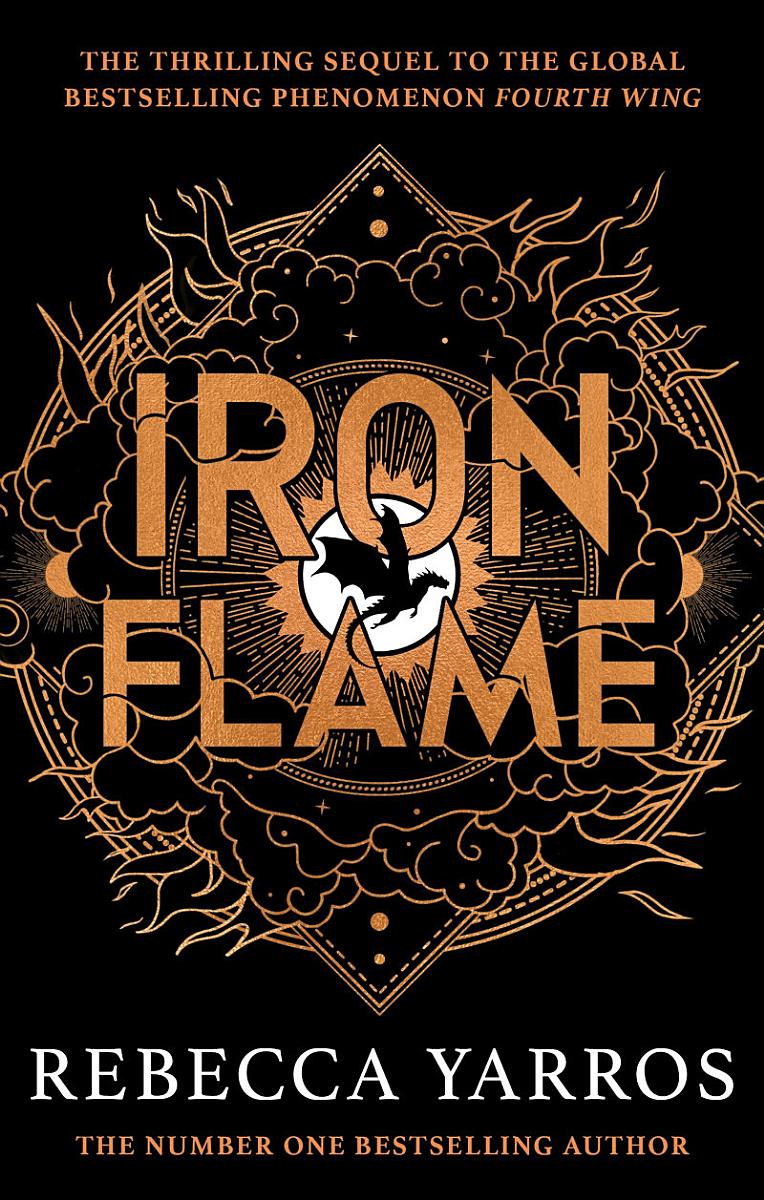
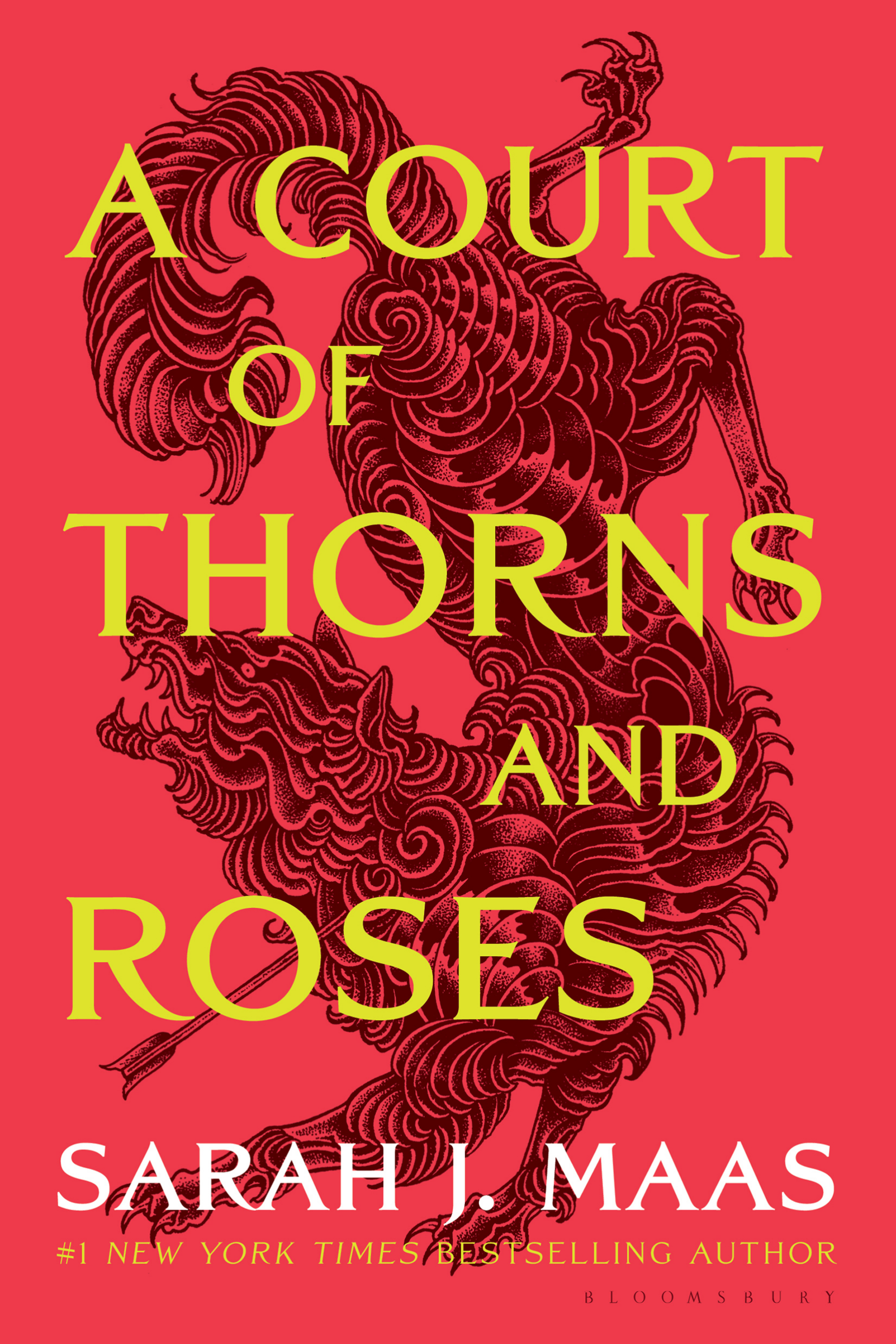
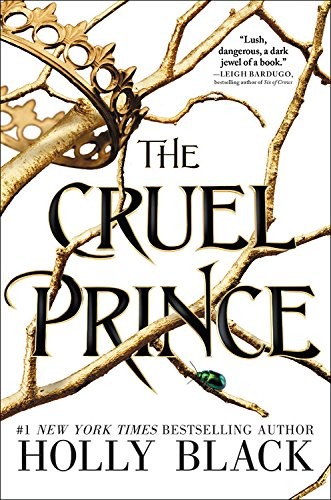
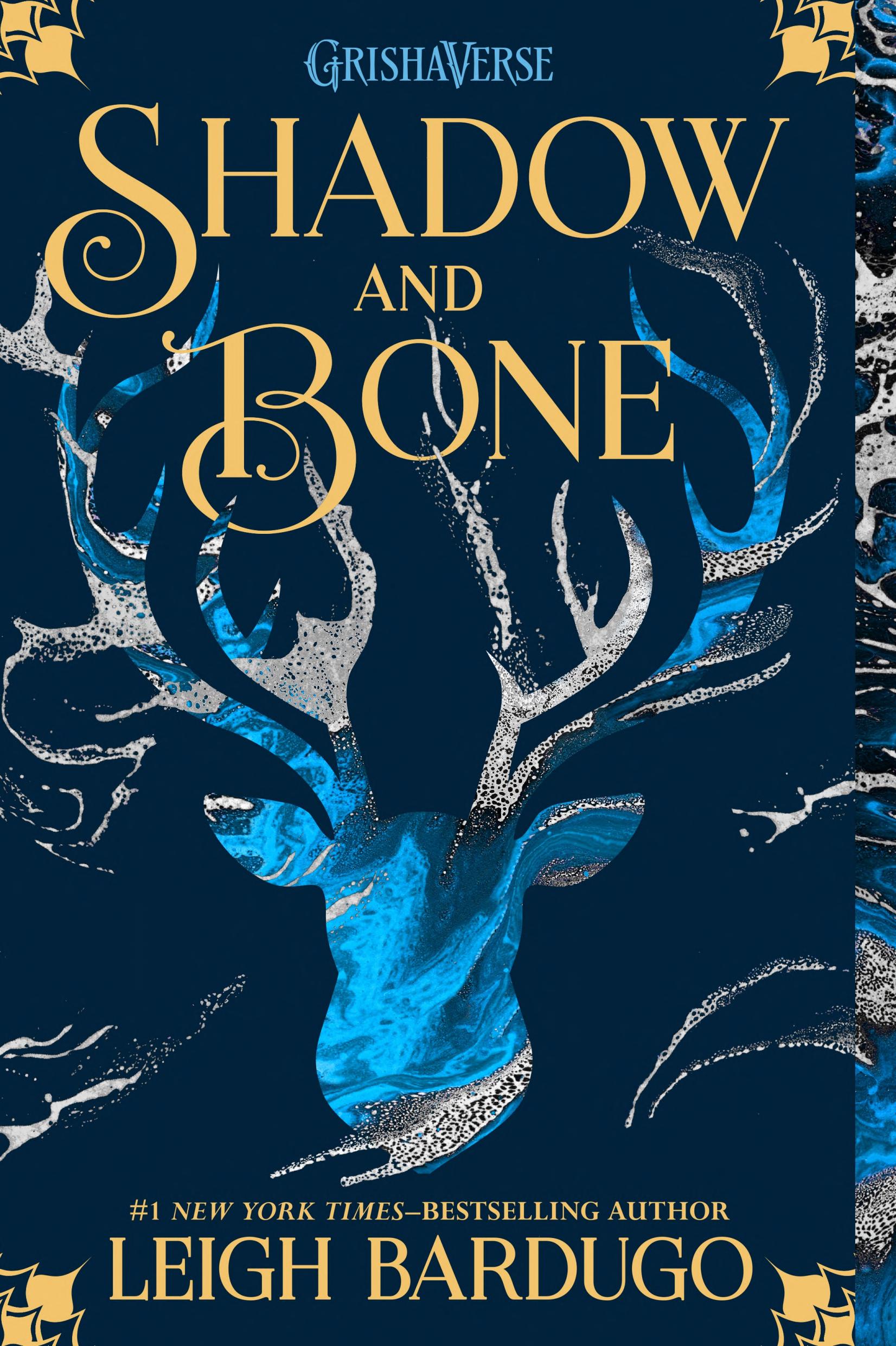
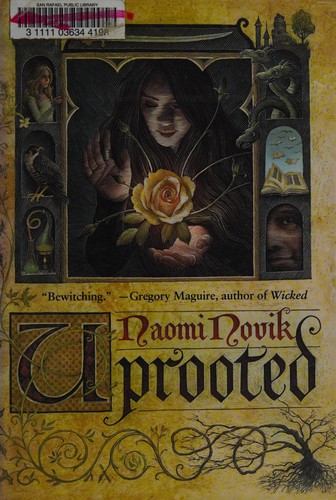
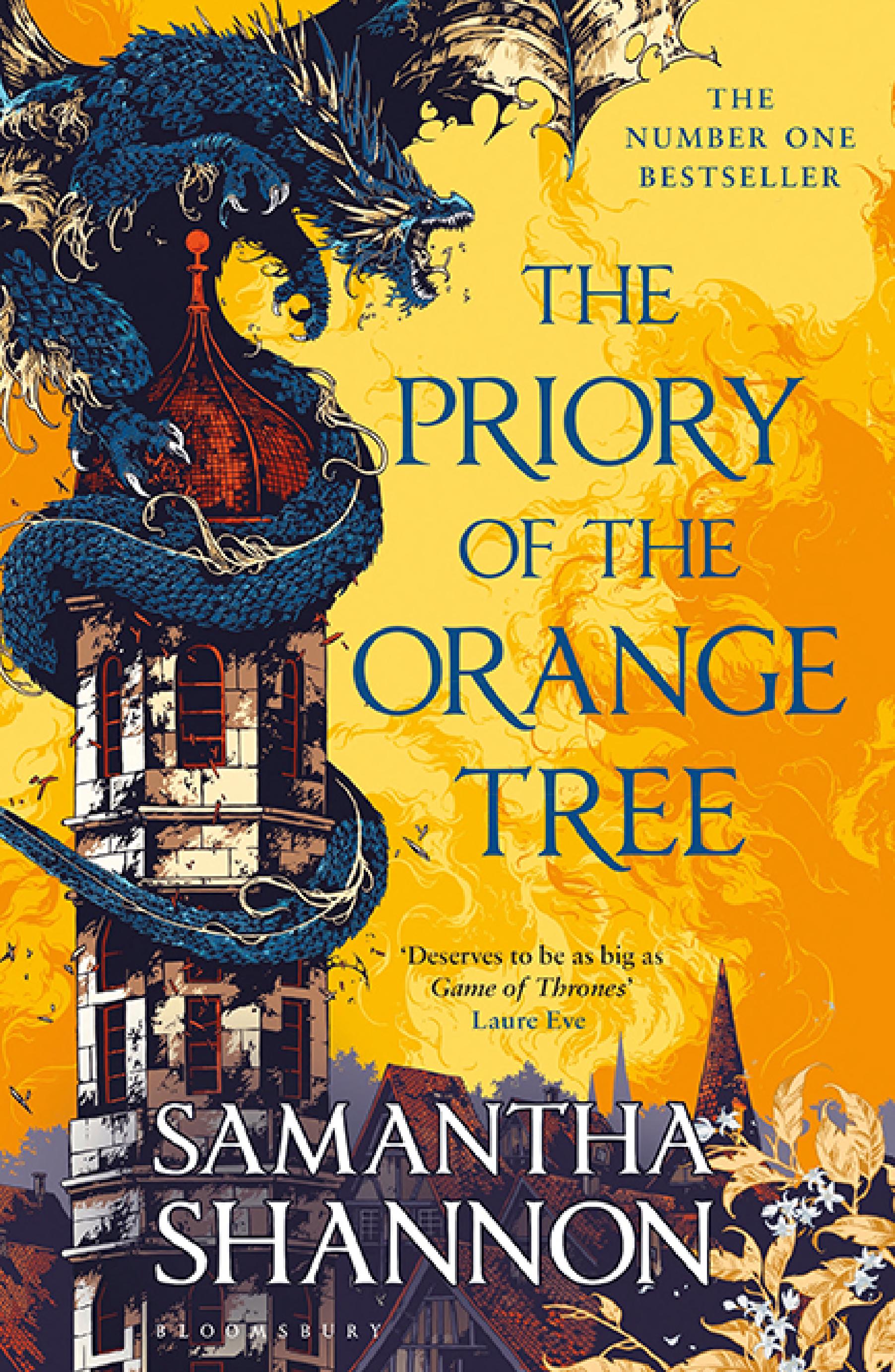
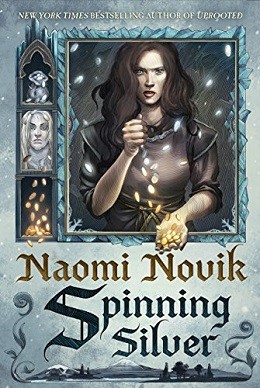
Iron FlameRebecca YarrosThe direct continuation, and the book that delivers on the promise of Fourth Wing’s ending — which means it also raises the emotional cost considerably. Violet returns to Basgiath knowing things she was not supposed to know, and the relationship with Xaden is under a pressure that is no longer external but internal: the gap between what he told her and what is actually true. Yarros expands the world-building and the stakes simultaneously, and the final sequence is among the most discussed in recent fantasy. Required reading for anyone who finished Fourth Wing, and the rare sequel that earns its length by actually deepening both the plot and the relationship rather than simply extending them. A Court of Thorns and RosesSarah J. MaasThe Maas entry point for Fourth Wing readers, and the novel that most directly shares Yarros’s specific combination of mortal-danger-as-romantic-context. Feyre’s captivity in Prythian means her relationship with Tamlin develops inside conditions where she genuinely cannot leave, which gives the romance a specific intensity that safer settings do not produce. The fae world-building is denser than Yarros’s military fantasy and the prose registers are different, but the essential formula — an enemies-adjacent situation, a protagonist who is underestimated, a romantic tension that is inseparable from the plot’s actual stakes — is the same. The most widely recommended Fourth Wing companion and the beginning of a substantial series. The Cruel PrinceHolly BlackBlack’s fae trilogy is the sharpest and most politically intelligent of the romantasy options here — the court intrigue is genuinely intricate, Jude’s mortal vulnerability in a faerie world is handled with more complexity than most of the genre, and the enemies-to-lovers arc between Jude and Cardan is slower-burning and more psychologically precise than Fourth Wing’s. Where Yarros’s romance is hot from relatively early on, Black keeps the tension coiled across the full trilogy. For readers who want the same basic architecture — a protagonist who survives through intelligence and will rather than power, a romantic lead who is dangerous and difficult — but want it with more political texture and more fae world-building. Shadow and BoneLeigh BardugoBardugo’s Grishaverse entry point shares Fourth Wing’s training-academy structure and its interest in a protagonist who discovers unexpected power in an institution designed to break people. Alina Starkov’s place in the Darkling’s world is complicated in the specific way that Violet’s place in Xaden’s is: the power dynamic is asymmetrical, the attraction is real, and the reader understands before the protagonist does how dangerous the situation actually is. The Russian-inspired world-building gives the series a distinct flavor from most Western fantasy romance, and the Darkling is one of the genre’s more genuinely morally complex romantic leads. UprootedNaomi NovikThe standalone option for readers who want the enemies-to-lovers arc without committing to a series. Novik builds the Dragon and Agnieszka’s antagonism through genuine intellectual and magical incompatibility rather than simply making one of them cold and one of them warm, which produces a slower and more surprising romance than most in the genre. The Wood — the corrupting forest at the novel’s center — gives the relationship the same kind of external pressure that the war provides in Fourth Wing: the danger is real, the stakes are existential, and the love story is inseparable from the characters’ specific capabilities in the face of specific threats. A fully resolved single volume. The Priory of the Orange TreeSamantha ShannonThe adult epic fantasy option: a standalone novel of 800 pages with three separate storylines, genuine dragon lore, and a slow-burn romance between two women that earns its resolution by spending the novel’s full length establishing why it is difficult. Shannon’s world-building is more extensive than Yarros’s and the pacing is considerably slower, but for Fourth Wing readers who want to go deeper into a fully realized dragon-rider world, Priory provides it. The novel has a specific investment in challenging the assumptions of Western-coded fantasy settings, which makes the world feel genuinely original rather than familiar-with-variations. The recommended read for Fourth Wing fans ready to commit to a longer and more complex dragon fantasy. Spinning SilverNaomi NovikNovik’s second entry on this list and the more surprising recommendation: a Rumpelstiltskin retelling set in a Jewish-Eastern European fantasy world in which the romance develops between a moneylender’s daughter and a dangerous fae king, primarily through negotiation and mutual recognition of competence. Miryem is not a warrior and the stakes are not military, but the essential quality she shares with Violet Sorrengail is the same: both are underestimated, both are more formidable than anyone expects, and both navigate a relationship with a powerful and dangerous man through intelligence rather than submission. The most formally interesting romance on this list and the one most likely to stay with readers who want the emotional core of Fourth Wing in a quieter register. Who This Is For
Readers who finished Fourth Wing and Iron Flame and are looking for more fantasy with the same combination of addictive romantic tension and genuine world stakes — who specifically want the romance to matter because the world around it matters, not because it has been placed in front of a pretty backdrop. Also readers new to romantasy who want to understand the broader genre landscape around the Empyrean series.
Frequently asked questions
Q: What order should I read the Empyrean series in?
A: Fourth Wing, then Iron Flame, then Onyx Storm. All three are currently published; the series is planned for five books. Start with Fourth Wing — it is entirely accessible as an entry point and sets up everything that follows.
Q: Is A Court of Thorns and Roses appropriate for readers who primarily read adult fiction?
A: ACOTAR begins as YA-adjacent but becomes explicitly adult from the second book (A Court of Mist and Fury) onward. Most Fourth Wing readers find the series an easy transition. The second book is widely considered the strongest and is where the series earns its devoted following.
Q: What is the difference between romantasy and fantasy romance?
A: The distinction is informal but useful. Romantasy typically refers to books where the romantic arc is central but the fantasy world-building is substantial and the plot exists independently of the romance. Fantasy romance places the love story as the primary plot with a fantasy setting. Fourth Wing is romantasy — the war, the wards, and the political situation matter independently of Violet and Xaden’s relationship, even though the relationship is the emotional engine.
Q: Which of these is most similar to Fourth Wing in pacing?
A: Iron Flame is the most direct match in pacing and tone. A Court of Thorns and Roses and Shadow and Bone are the next closest. Uprooted and Spinning Silver are considerably quieter. The Priory of the Orange Tree is the slowest and most epic in scale.
Not sure which of these is right for you specifically? The Pagesmith quiz matches you to books based on your mood, pacing preference, and reading goals, not bestseller lists. Takes two minutes.