6 Books Like Conclave for Fans of Institutional Intrigue
Conclave works because Harris uses the papal election to show how institutions that claim to operate above politics operate precisely through politics. These books share that structural interest: enclosed worlds with their own hierarchies where the official story and the actual story are never the same thing.
May 2026 · 8 min read · The Pagesmith
Conclave is being described as a Vatican thriller, which is accurate but undersells what makes it distinctive. Robert Harris is not primarily interested in the Catholic Church as an exotic setting or as a source of conspiracy-thriller energy. He is interested in the Church as a human institution — one that has, over centuries, developed its own internal politics, its own methods of managing succession and power, and its own elaborate gap between the sacred language in which it describes itself and the entirely secular calculations that govern what it actually does. The locked-room premise (118 cardinals, sealed from the world, electing a pope) is not just a thriller device; it is the formal structure that makes this gap fully visible. The books here share that interest. They are all organized around enclosed worlds — a medieval monastery, the Tudor court, a cathedral under construction, an intelligence service — that have developed their own internal logic for managing power, and they all use their specific settings to show what that logic produces when it is tested.
What Institutional Intrigue Fiction Actually Examines
The thriller organized around an institution is not primarily about the crime or the secret at its center. It is about the institution itself: how it selects for certain kinds of people, how it socializes them into its values, how it manages information, and how it responds when an individual conscience collides with its collective interests. Cardinal Lomeli in Conclave is a fundamentally decent man trying to do the right thing inside a system that has mechanisms for managing decent men who try to do the right thing. That tension — between individual integrity and institutional logic — is what the books here are all examining in different historical and fictional settings.
Institutional intrigue fiction is not about bad institutions. It is about the gap between what any institution claims to be and what it actually does, and the specific kind of person who learns to navigate that gap — and what it costs them.
The Books
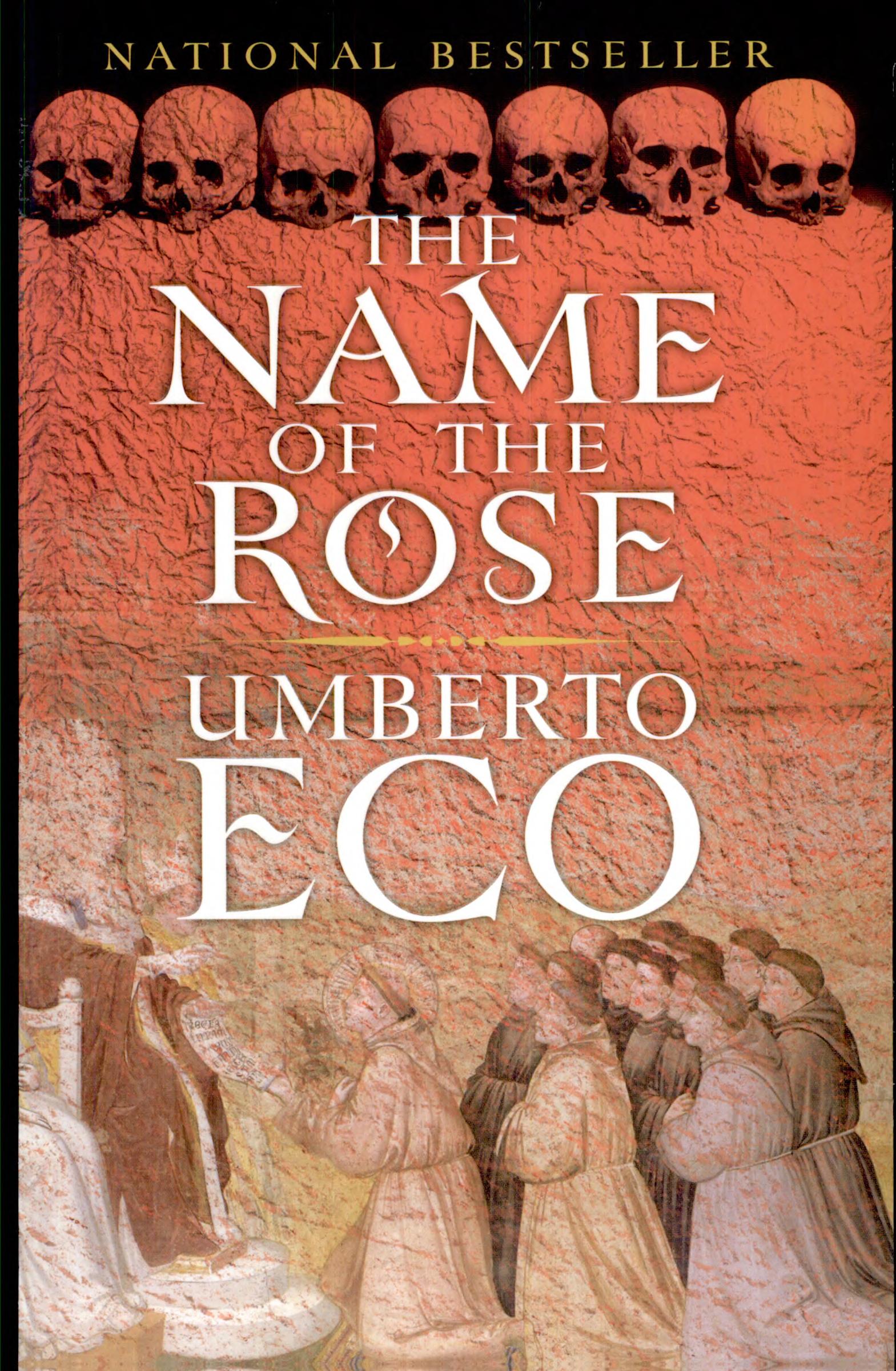
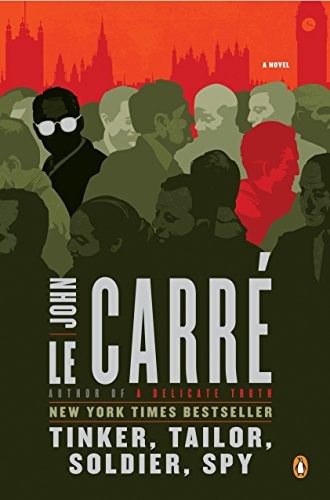
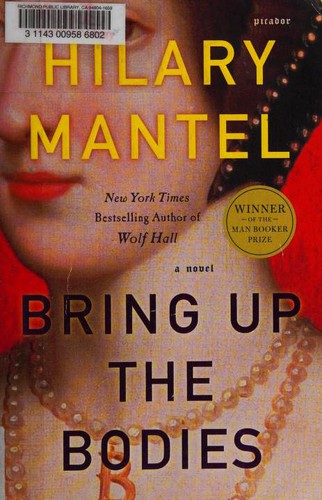
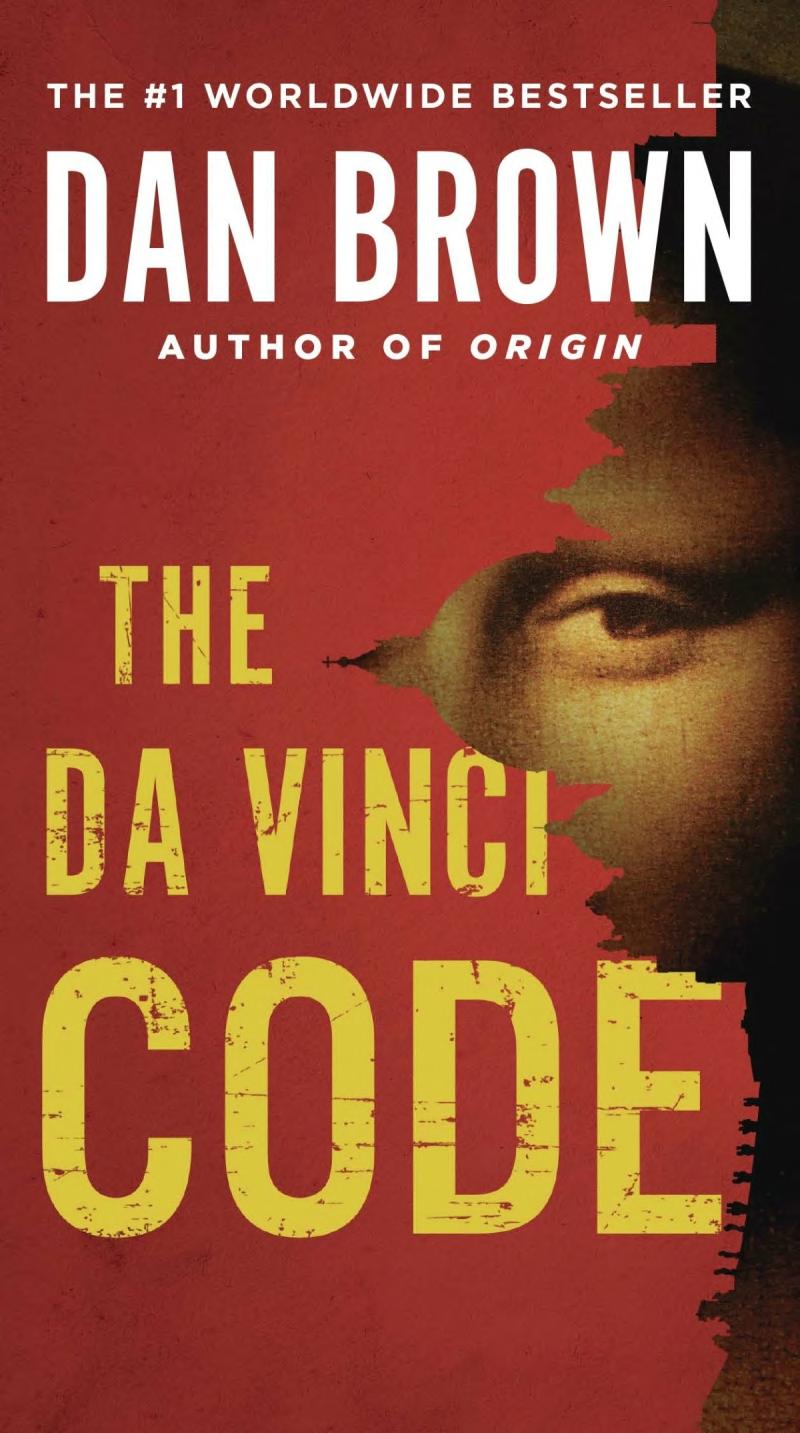
The Name of the RoseUmberto EcoThe closest structural companion to Conclave in world literature: a medieval monastery as a closed world, a series of murders organized around the institution’s specific internal logic, and a detective (William of Baskerville) who understands how the institution works precisely because he was once fully inside it. Eco’s novel is more formally demanding than Harris’s — the theological debates are dense, the opening requires patience — but it shares Conclave’s essential argument that a religious institution’s official self-presentation and its actual operation are always in tension, and that the tension is most visible when the institution is under pressure. The most intellectually ambitious novel on this list and the one that most completely earns its complexity. Wolf HallHilary MantelMantel’s Tudor trilogy is the most sustained examination in historical fiction of how power actually operates inside a court — not through formal declarations but through the management of information, the cultivation of access, and the specific skill of understanding what the person above you needs before they know they need it. Thomas Cromwell is the institutional operator at his most morally complex: a man who rose from nothing through competence and calculation, who is never simply villainous and never simply sympathetic, and who the reader understands better than almost any historical figure fiction has produced. The closest analogue to Lomeli’s navigation of the conclave is Cromwell’s navigation of Henry’s changing requirements — both men are trying to do their jobs inside an institution that will not forgive failure. The Pillars of the EarthKen FollettFollett’s medieval epic uses the construction of a cathedral as the organizing project across which the full range of institutional power plays out: the Church’s relationship to secular authority, the politics of appointments and patronage, the specific corruption that develops when an institution controls both spiritual legitimacy and material resources simultaneously. Less psychologically precise than Mantel and considerably more plot-driven, but sharing Conclave’s interest in the Church as a human institution with human failings that are inseparable from its structural position. The most accessible entry on this list in terms of pace and scope, and the novel that most directly satisfies the reader who wants the medieval institutional setting rendered in full. Tinker Tailor Soldier SpyJohn le CarreLe Carre’s masterpiece applies the Conclave structure to the British intelligence service: a closed world with its own hierarchy and its own language for managing the gap between what the institution officially does and what it actually does, investigated by a retired operative who understands the institution precisely because he was once its best product. George Smiley’s investigation of a mole at the top of the Circus is less about catching a spy than about understanding how an institution’s internal culture made the betrayal possible and made it so difficult to name. The prose is as dense as Eco’s and the rewards are proportional to the patience the reader brings. The most morally sophisticated novel on this list about what institutions do to the people who serve them. Bring Up the BodiesHilary MantelThe second Cromwell novel and the one that most directly mirrors Conclave’s structure: a specific crisis (Anne Boleyn’s fall) managed through the mechanisms of a specific institution (the Tudor court) by a specific operator (Cromwell) who must produce a predetermined outcome without being able to state directly that the outcome is predetermined. Where Conclave follows the conclave as a formal process producing an unexpected result, Bring Up the Bodies follows an informal process producing a scripted one — both novels are organized around the gap between the institutional ritual and the actual calculation taking place beneath it. Shorter and faster than Wolf Hall and the most direct entry point to Mantel’s work for readers coming from Harris. The Da Vinci CodeDan BrownThe Vatican-adjacent thriller that most readers will have already read, included here as an honest anchor for readers who came to Conclave from this direction. Brown’s novel is less interested in institutional reality than in conspiracy — the Church as keeper of suppressed secrets rather than as a human organization with comprehensible internal politics — and the prose operates at a different register from Harris’s. But it shares the fundamental appeal: the sense of getting behind the visible surface of one of the world’s most powerful and secretive institutions to see how it actually works. For readers who loved The Da Vinci Code and found Conclave a more satisfying treatment of the same setting, the Mantel and le Carre entries on this list represent the next level of ambition. Who This Is For
Readers who finished Conclave responding specifically to its argument about institutional power — how the Church’s official self-presentation and its actual operation diverge, and how a decent person navigates that gap — rather than primarily to its thriller mechanics. Also readers who loved the 2024 film and want fiction that operates in the same territory: enclosed worlds, high stakes, and the specific texture of how power moves through institutions that have learned to make politics look like principle. The historical fiction and thriller and mystery catalogues have more in this direction.
Frequently asked questions
Q: Do I need to know about Catholicism to enjoy Conclave?
A: No. Harris provides all the procedural context the reader needs, and the novel is organized around the human drama of an election rather than theological content. Familiarity with basic Catholic structure helps but is not required — the conclave’s rules are explained within the narrative, and the cardinals’ motivations are rendered in political rather than theological terms.
Q: Is Wolf Hall difficult to read?
A: The present-tense narration and Mantel’s use of “he” for Cromwell without always specifying takes some calibration in the early chapters, but most readers find it becomes natural within fifty pages. The payoff is one of the most immersive historical fiction experiences available in English. Start with Wolf Hall rather than Bring Up the Bodies if you want the full arc, though Bring Up the Bodies is technically more self-contained.
Q: What makes Tinker Tailor Soldier Spy different from other spy thrillers?
A: Le Carre refuses the conventions of the action-adventure spy genre almost entirely. There are no car chases, no gadgets, and no field operations in the conventional sense. The novel is an investigation, conducted primarily through memory and conversation, into how an institution’s culture enabled a betrayal that should have been detectable. The intelligence service is rendered as a bureaucracy first and an adventure machine second, which produces a more honest and more disturbing account of what intelligence work actually involves.
Q: What should I read after Conclave if I want more Robert Harris?
A: The Ghost is Harris’s other contemporary thriller about institutional complicity — a ghostwriter hired to complete a former prime minister’s memoirs who discovers what the memoir cannot contain. An Officer and a Spy covers the Dreyfus Affair from the perspective of the officer who uncovered the cover-up. Both are faster-paced than Conclave and share its interest in how institutions manage inconvenient truths.
Not sure which of these is right for you specifically? The Pagesmith quiz matches you to books based on your mood, pacing preference, and reading goals, not bestseller lists. Takes two minutes.