Best Mystery Series to Binge for Committed Readers
The mystery series earns its length by deepening rather than depleting its world across books. A great detective, a recurring setting, and a cast that evolves are more valuable over time than any single plot. These series all justify every book in them.
May 2026 · 8 min read · The Pagesmith
A mystery series asks something a standalone mystery does not: trust. The reader agrees to invest not just in a single puzzle but in a detective, a world, and a set of recurring relationships across an indeterminate number of books. Most series do not justify that investment. The detective stays static, the world never changes, and each new installment delivers the same pleasures with slightly diminishing returns. The series here are the exceptions: they earn the reader’s ongoing commitment by using each new book to deepen the characters and settings rather than simply deploying them again. Armand Gamache in Still Life is a different and less complete person than Gamache in the later novels — not because Louise Penny has changed her mind about him but because she has shown him more of what the world can do to a good person. That development across books is what the mystery series can achieve that the standalone cannot, and it is why the right series produces a more satisfying total reading experience than any individual book in it.
What a Great Mystery Series Builds Over Time
The surface pleasure of the mystery series is familiarity: returning to a detective you know, a setting you recognize, and a set of relationships you have already invested in. The deeper pleasure is development: watching those characters change, accumulate experience, and be affected by what happens to them in ways that make each subsequent book richer than the last. Tana French’s Dublin Murder Squad does this structurally — each novel follows a different detective from the squad, which means the reader’s accumulated knowledge of the world produces dramatic irony that a first-time reader cannot access. Mick Herron’s Slough House does it psychologically — Jackson Lamb is more fully understood with each book, and the slow horses’ individual histories deepen as the series accumulates. Both approaches justify the series form in different ways.
The mystery series at its best is not the same book repeated. It is a world that accumulates meaning with each new installment, in which the reader’s investment compounds rather than simply continuing.
The Series
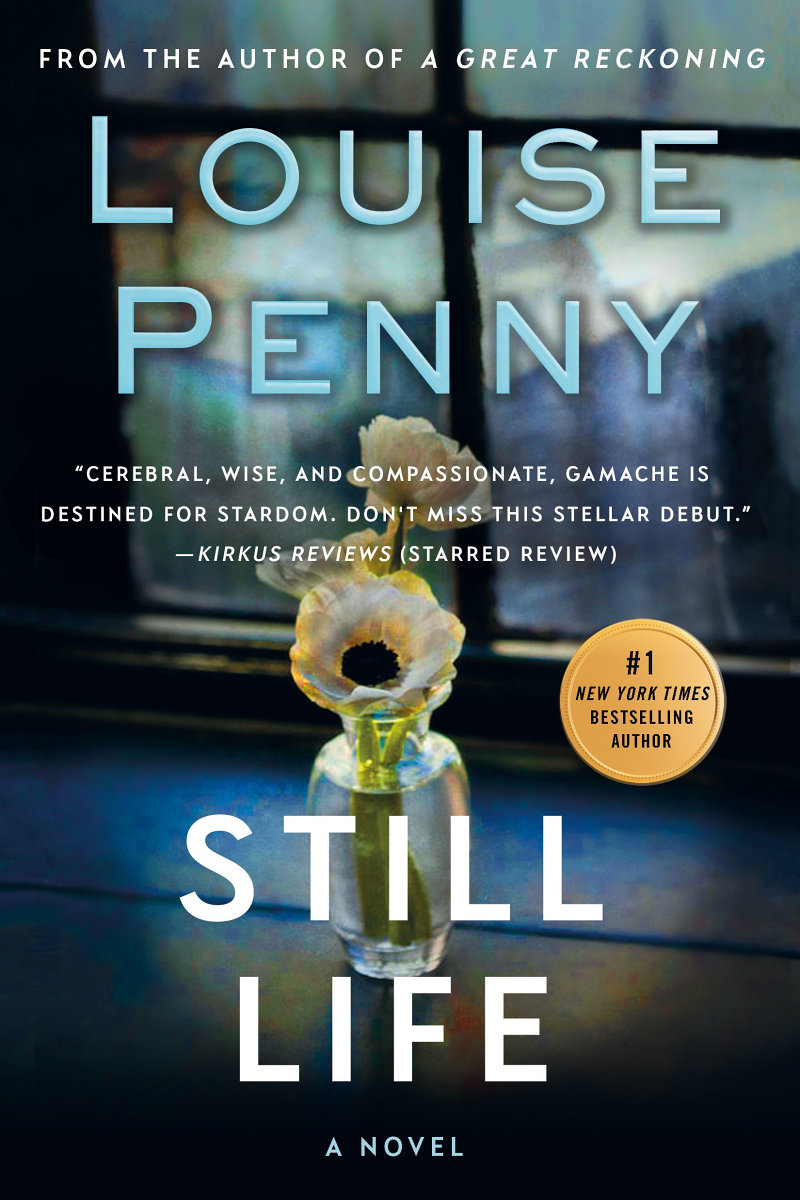
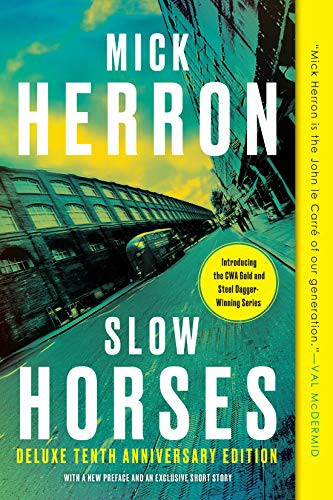
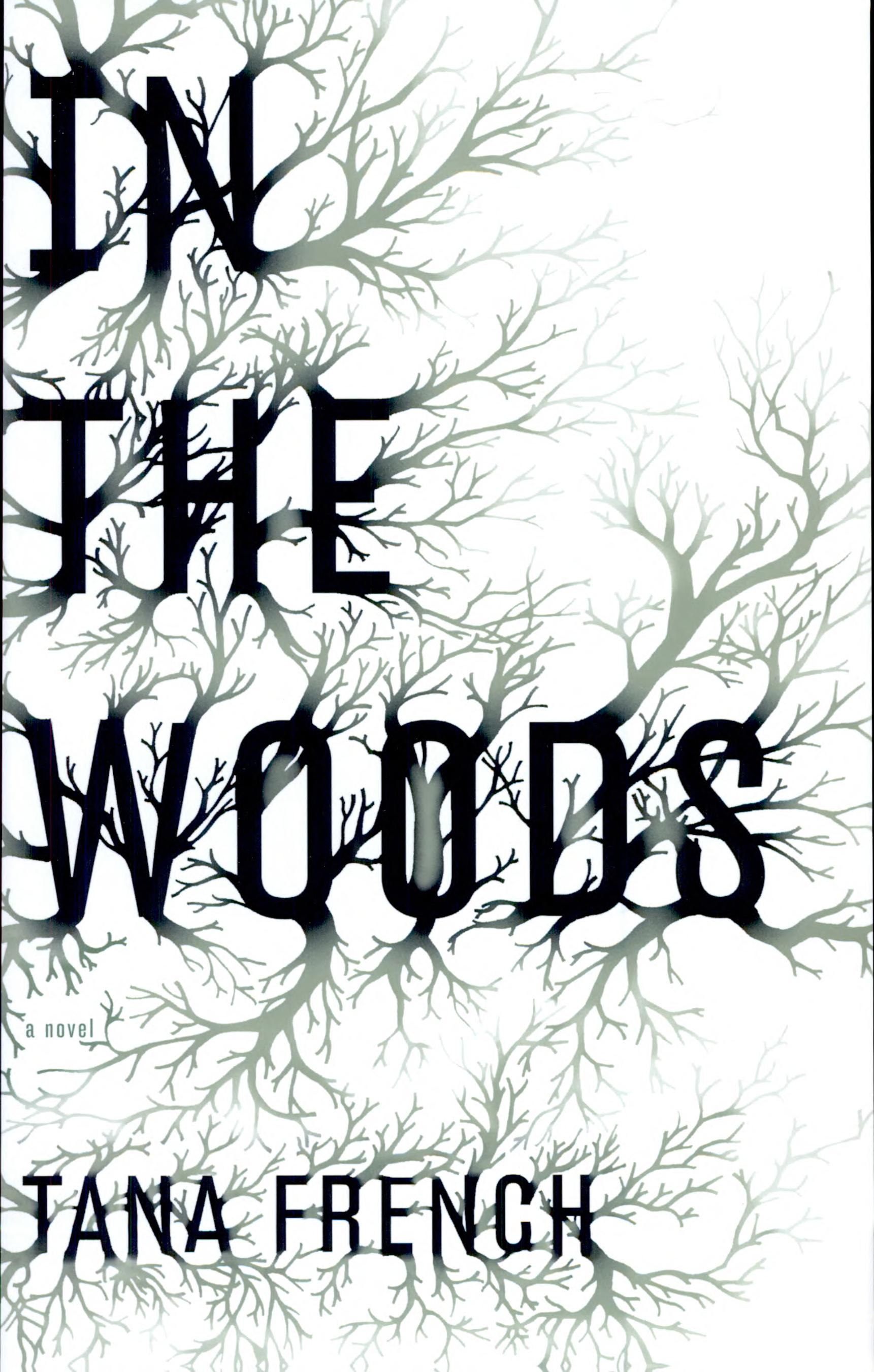
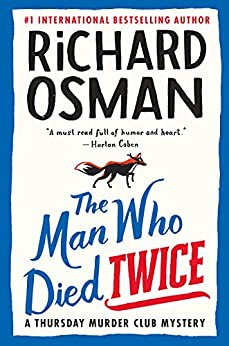
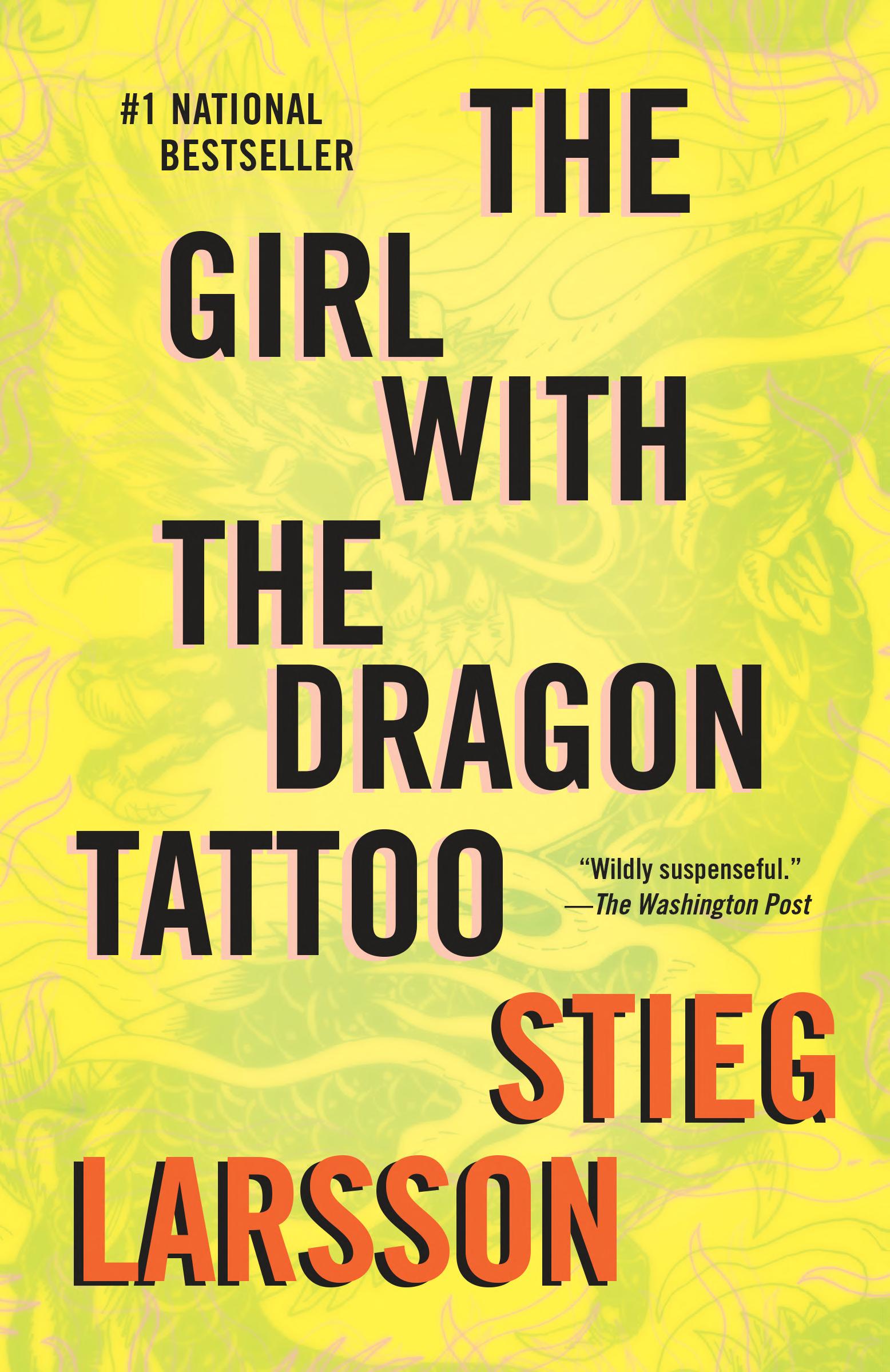
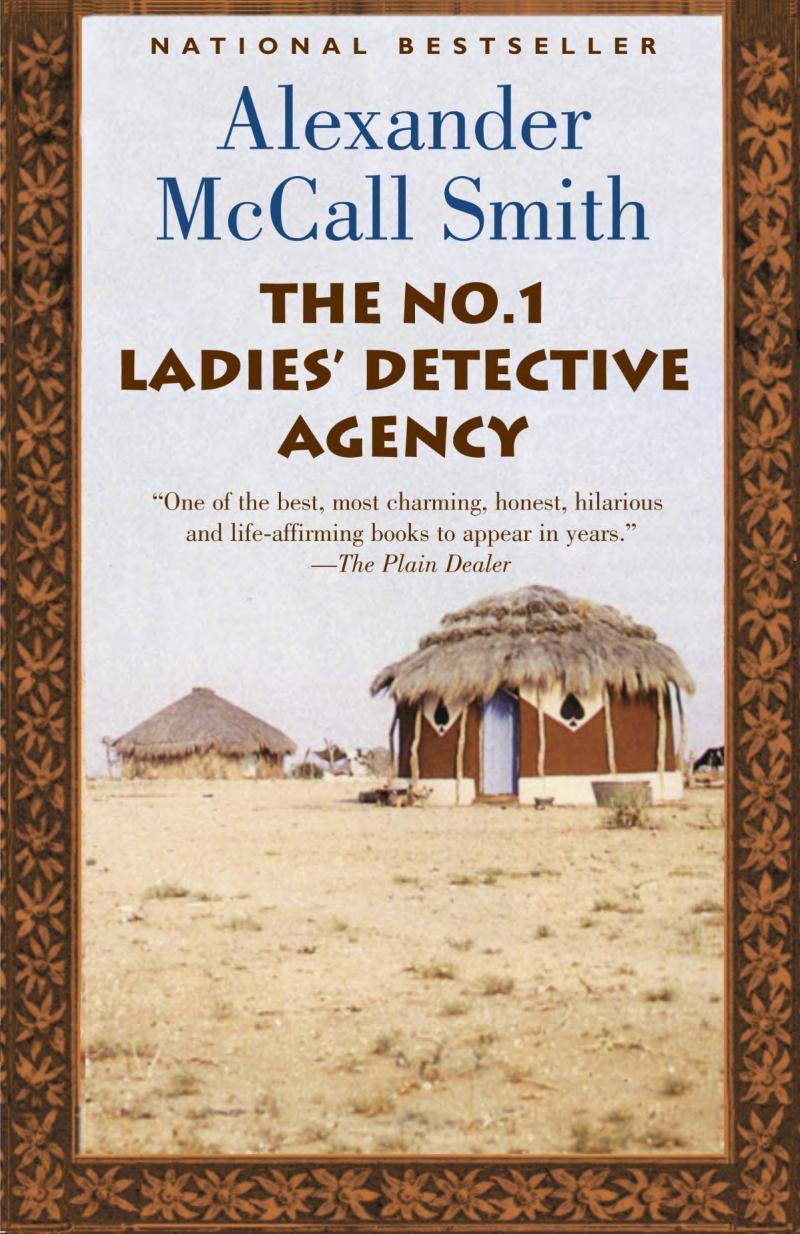
Still Life (Chief Inspector Gamache, Book 1)Louise PennyThe entry point to one of the most beloved mystery series in contemporary fiction, and the one that most completely rewards long-term investment. Gamache and the village of Three Pines are established here in their first iteration, and readers who continue through the eighteen-book series watch both evolve across decades of professional and personal history. Penny writes with genuine novelistic ambition — Three Pines has the specific texture of a real place, and Gamache is as psychologically complete as any detective since Poirot. Start here. The series improves consistently through the early books and plateaus at a very high level. Slow Horses (Slough House, Book 1)Mick HerronThe best spy series in English since le Carre, and the one that has accumulated the most devoted following in recent years thanks to the Apple TV+ adaptation. Herron’s Slough House begins here with a premise that rewards long reading: disgraced MI5 agents performing pointless administrative work who nonetheless keep stumbling into genuine intelligence crises. Jackson Lamb is more fully understood with each book, the slow horses develop individual histories that deepen across the series, and Herron’s dark comedy never depletes its targets because the targets — institutional cynicism, class-based incompetence, the specific vanity of intelligence culture — are inexhaustible. Nine books in and still the sharpest series being written in the genre. In the Woods (Dublin Murder Squad, Book 1)Tana FrenchFrench’s series is structurally unusual in a way that rewards the committed reader more than any other on this list: each novel follows a different detective from the Dublin Murder Squad, which means characters who appeared as secondaries in earlier books become the primary focus later, and the reader’s accumulated knowledge of the world creates a layered reading experience unavailable to anyone starting mid-series. In the Woods is divisive — it does not resolve all of its mysteries, which frustrated some genre readers — but the character of Rob Ryan and French’s Dublin are established here with the prose quality that makes the entire series worth the commitment. The Likeness, the second book, is where most readers become devotees. The Thursday Murder Club (Book 1)Richard OsmanThe warmest series on this list and the most immediately accessible. Osman’s four retirees at Coopers Chase return across four books, and what accumulates is not just their individual histories but the specific texture of their friendship — how each of them deploys their particular competence, how the dynamic shifts under pressure, and how Osman uses the comedy to deliver moments of genuine emotional weight when the characters’ ages make mortality a real subject rather than a thriller convention. The series grows more emotionally ambitious with each installment without losing the warmth that made the first book a phenomenon. The Girl with the Dragon Tattoo (Millennium, Book 1)Stieg LarssonThe trilogy that introduced a generation of readers to Scandinavian crime fiction and that still sets the standard for what the form can do at full ambition. Lisbeth Salander is among the most distinctive protagonists in contemporary crime fiction — her specific capabilities, her history, and her relationship to institutions that failed her are established here and deepened across the trilogy. Larsson completed three books before his death and was working on a fourth; the trilogy functions as a complete arc. The slow opening — the first hundred pages are financial journalism — tests readers who are rewarded with one of the genre’s most fully realized worlds. The most plot-dense series on this list. The No. 1 Ladies’ Detective Agency (Book 1)Alexander McCall SmithThe gentlest series on this list and the longest — McCall Smith has written over twenty Precious Ramotswe novels, and the consistency of tone and warmth across all of them is its own achievement. The mysteries are not the primary interest; the texture of Mma Ramotswe’s life in Botswana, her specific wisdom about human nature, and the evolving cast of the agency are. For readers who want to settle into a series for months rather than weeks, this is the recommendation: each book is short, each is satisfying, and the world grows richer with each return. The least thriller-like series on this list and the most like literary fiction in its interests. Who This Is For
Readers who have finished a great standalone mystery and want the longer investment of a series — who specifically want a detective and a world they can return to across multiple books rather than starting fresh each time. Also readers who have tried mystery series that disappointed them with their repetitiveness and want evidence that the form can develop. The thriller and mystery catalogue has individual books from all of these series and more.
Frequently asked questions
Q: Do mystery series need to be read in order?
A: It depends on the series. The Thursday Murder Club, Slough House, and the Gamache series all reward reading in order because the characters develop across books. The No. 1 Ladies’ Detective Agency novels can be read more independently, though in-order reading gives more context. The Dublin Murder Squad technically can be read in any order but is considerably richer in sequence. The Millennium trilogy must be read in order.
Q: What is the best mystery series to start if you’ve never read crime fiction?
A: The Thursday Murder Club is the most immediately accessible — warm, funny, and not requiring any prior engagement with crime fiction conventions. The No. 1 Ladies’ Detective Agency is the gentlest long-term investment. Still Life is the right start for readers who want the full literary mystery experience from the first book.
Q: How long is the Gamache series and is it worth the full commitment?
A: Eighteen novels as of 2024, with Penny adding new installments regularly. The series is worth the full commitment for readers who respond to the world she creates — Three Pines becomes genuinely beloved, and Gamache’s development across the full series is one of the more complete character arcs in crime fiction. The early books (Still Life through The Brutal Telling) are the most essential.
Q: What should I read after finishing all of Tana French’s Dublin Murder Squad?
A: The Searcher and The Hunter are French’s standalone Irish crime novels, both set in rural Ireland rather than Dublin and both delivering her prose quality in a different register. For a comparable literary-crime series, Louise Penny’s Gamache series is the most natural next step.
Not sure which of these is right for you specifically? The Pagesmith quiz matches you to books based on your mood, pacing preference, and reading goals, not bestseller lists. Takes two minutes.