Books for readers who loved Shogun are difficult to recommend well because Clavell’s novel does several things simultaneously that few other historical novels attempt: it builds a completely alien world with genuine cultural specificity, uses a fish-out-of-water protagonist as a mechanism for the reader’s education, operates as a political thriller within that world, and sustains it all across more than a thousand pages without ever losing momentum. The books below match at least two of those qualities, and the best of them match three.
Books with the same total-immersion foreign world
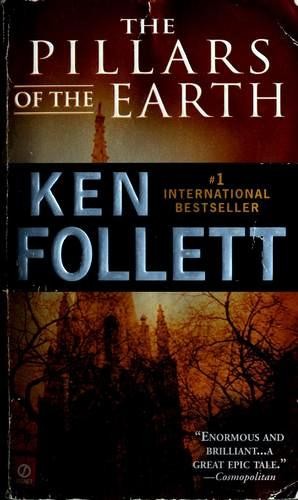
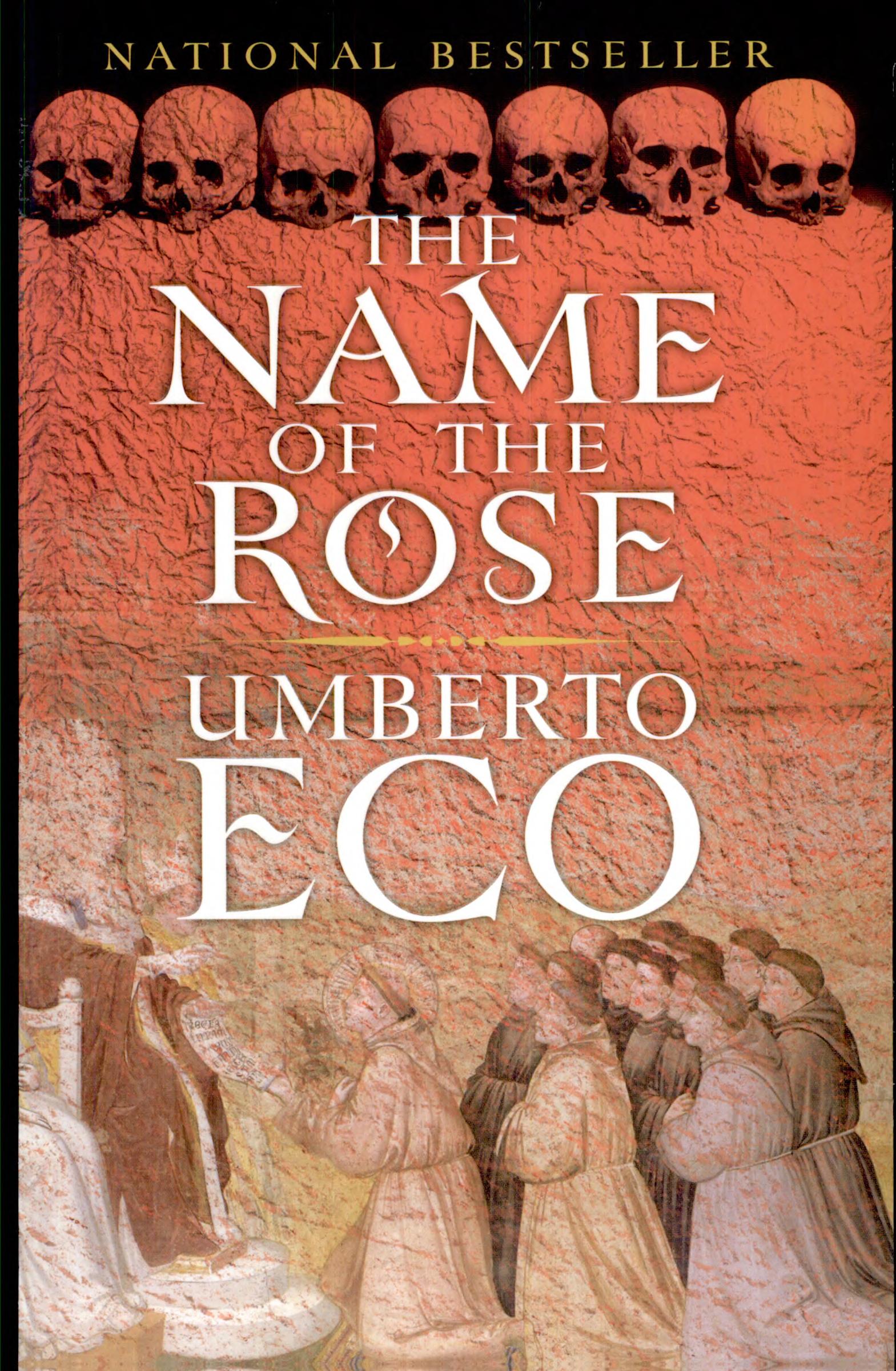
Shogun uses a stranger’s total immersion in a foreign world to show how culture shapes every assumption about how life should be organised. That is a harder thing to replicate than epic scale or political intrigue.
Books with the same political intelligence about power
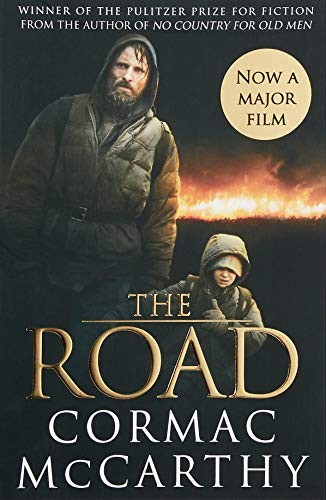

Books with the same epic multigenerational scope
Who this is for
This list is for readers who loved Shogun for its specific combination of immersive world-building, political intelligence, and a protagonist who is genuinely transformed by the world he enters — not just for the adventure or the historical setting. Start with The Pillars of the Earth for the closest structural match. Dune for the same cultural-immersion experience in a science fiction frame. Wolf Hall for the sharpest political intelligence in historical fiction. Browse historical fiction for more.
Frequently asked questions
Q: What should I read after Shogun? A: The Pillars of the Earth by Ken Follett is the most direct structural equivalent — same epic length, same period immersion, same political scope. Wolf Hall by Hilary Mantel has the sharpest political intelligence. Dune provides the same experience of a protagonist learning to navigate a completely alien cultural system.
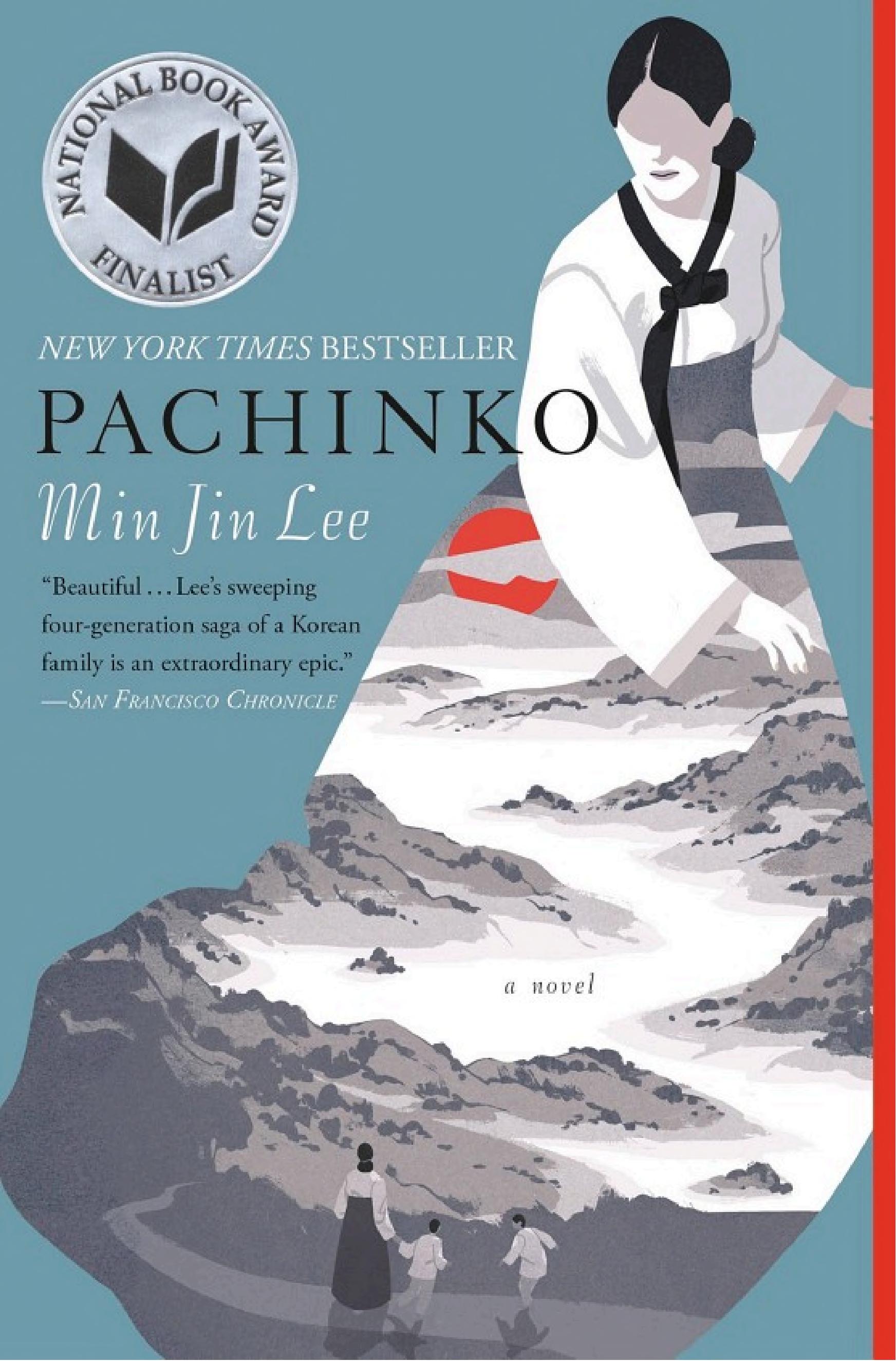
Q: Are there books set in Japan like Shogun? A: Pachinko by Min Jin Lee covers Japan and Korea across the twentieth century with comparable cultural specificity. The Japanese historical fiction of Eiji Yoshikawa — particularly Musashi and Taiko — covers the same Sengoku period as Shogun from inside Japanese culture rather than through a Western protagonist.
Q: Is Shogun historically accurate? A: Clavell based the novel closely on the life of William Adams, the first Englishman to reach Japan, and on documented historical figures of the period. The broad strokes are accurate; Clavell invented the specific plot, characters, and dialogue. It is historical fiction in the proper sense — using documented history as the frame for invented story.
Q: What books are as long as Shogun worth reading? A: Les Miserables by Victor Hugo earns every page of its considerable length. The Count of Monte Cristo by Dumas is the most purely pleasurable option. The Pillars of the Earth at 900 pages is the best historical fiction match for length and propulsive momentum.
Not sure which of these is right for you specifically? The Pagesmith quiz matches you to books based on your mood, pacing preference, and reading goals — not bestseller lists. Takes two minutes.