There’s a quiet competitiveness in certain reading communities that nobody talks about openly. How many books did you read last year? Are you keeping up with your Goodreads challenge? The implication is that more is better: that a voracious pace is the hallmark of a serious reader.
It isn’t. And chasing it can ruin your relationship with books.
Slow reading isn’t a shortcoming. It’s a completely different way of engaging with text: one that pays closer attention, notices more, and retains the experience for longer. Some of the most rewarding books ever written were designed specifically for this kind of reading. They don’t yield their full richness at speed.
What do we actually mean by slow reading?
Slow reading doesn’t just mean reading fewer pages per hour. It means allowing yourself to stop. To reread a sentence because it’s beautiful. To put the book down and think about a scene before moving to the next one. To let a character’s decision sit with you overnight before finding out what happens next.
It also means not finishing every book. Slow readers give themselves permission to abandon a book that isn’t earning their attention, and to linger in one that is. This is the opposite of the challenge mindset, which treats every book as a box to tick.
Books that demand this kind of attention
The best books for slow readers are, almost by definition, the books that actively resist speed. They’re usually long, or dense, or written in a style that asks you to slow down. Here’s what to look for:
Long, richly detailed novels. The Pillars of the Earth by Ken Follett takes place over fifty years of medieval England. There’s no reason to rush it, and rushing it would mean missing the texture that makes it special. Similarly, Patrick Rothfuss’s The Name of the Wind is a fantasy novel designed to be inhabited, not consumed.
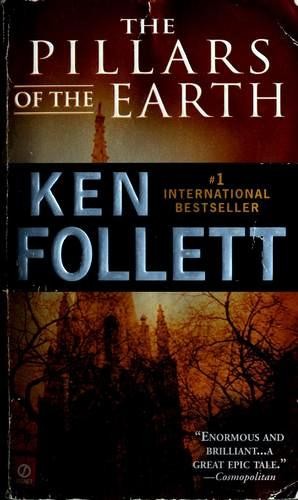
The building of a cathedral in twelfth-century England is the centrepiece of Follett’s sweeping epic, spanning decades of love, power, and ambition. A book designed to be lived in, not rushed through.
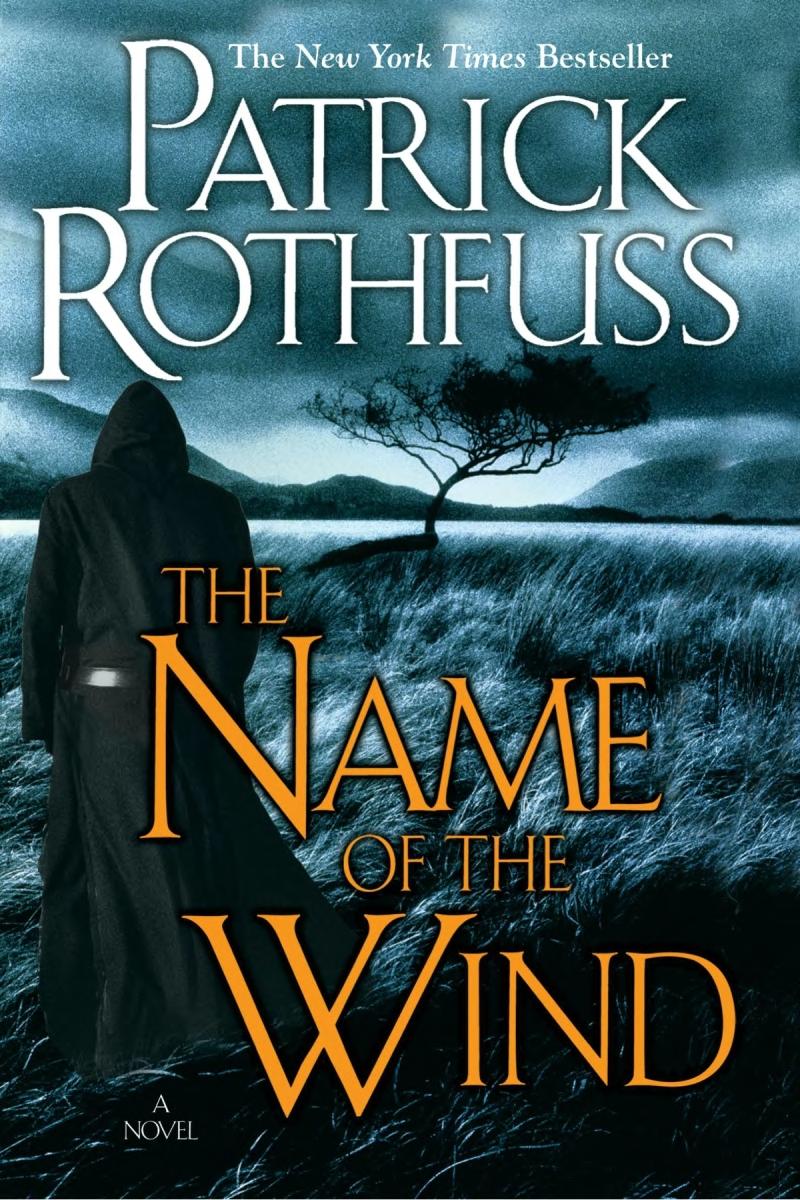
Kvothe (soldier, musician, and the most notorious wizard of his age) sits in a roadside inn telling the true story of his life. A fantasy novel designed to be inhabited, not consumed.
Prose-first literary fiction. Kazuo Ishiguro writes sentences that need to be read twice to be fully heard. The Remains of the Day is a relatively short novel that will reward a slow reader far more than a fast one: its meaning accumulates in the spaces between what the narrator says and what he cannot bring himself to say.
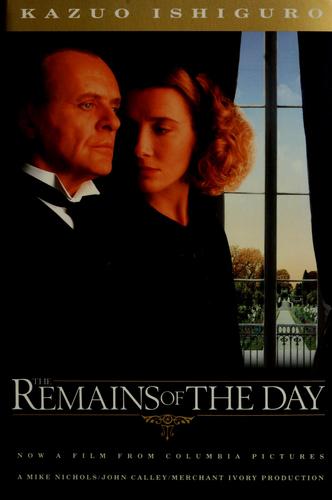
Stevens, the perfect English butler, takes a rare motoring holiday through the English countryside and looks back on decades of service. Its meaning accumulates in the spaces between what the narrator says and what he cannot bring himself to say.
Historical fiction with real weight. Hilary Mantel’s Wolf Hall is difficult if you rush it. The point-of-view is unusual (third person present tense, with “he” used where you’d expect a name), and the political machinations take time to map. Go slowly and it becomes one of the most immersive reading experiences in contemporary fiction.
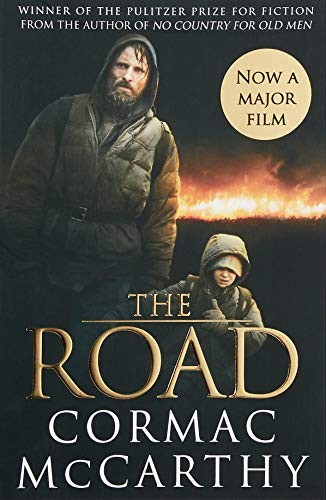
Thomas Cromwell, a blacksmith’s son who made himself indispensable to Henry VIII, watches from inside the machinery of power. Go slowly and it becomes one of the most immersive reading experiences in contemporary fiction.
Practical habits for reading slowly
Read at the same time each day, in the same place. Slow reading thrives on ritual. If you’re reading in scattered five-minute windows, on your phone, in the middle of other things, you’ll always be running just to keep up. Give reading a dedicated hour and suddenly you can afford to linger.
Keep a notebook nearby. Not for keeping notes you’ll review later, but just to have somewhere to deposit a thought when a passage strikes you. This slows you down in a productive way and makes the book feel more like a conversation.
Read physical books when possible. E-readers and phone apps show you how far through the book you are, which creates a subtle pressure to make progress. A physical book is just a book. You’re not 47% through it; you’re just reading.
One more thing
Not every book deserves slow reading, and not every mood calls for it. Sometimes you want a thriller that moves fast and keeps you up too late. That’s fine. The point isn’t to be a slow reader as a matter of principle: it’s to recognise when a book is asking you to slow down, and to honour that request.
The books that change you are usually the ones that took the longest to read.
The books that change you are usually the ones that took the longest to read.