Coming of age as a genre has a specific moment at its centre: not the transition from child to adult, but the instant when the protagonist understands that the world is more complicated, more hypocritical, or more beautiful than they were told. Everything before that moment is setup. Everything after is consequence. The best coming of age novels locate that moment precisely and make you feel it as though it were happening to you — which, in a sense, it is.
The classics: the books that defined the genre
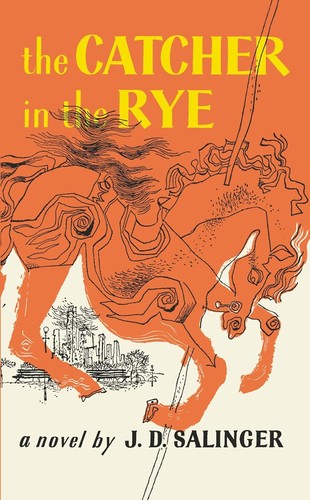
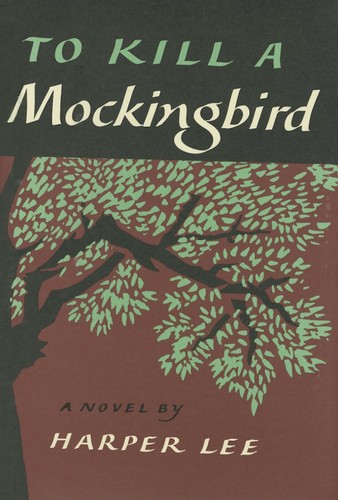
The best coming of age novels don’t capture adolescence. They capture the specific moment when a person realises the world doesn’t match the version they were given.
Contemporary coming of age: new voices, same terrain
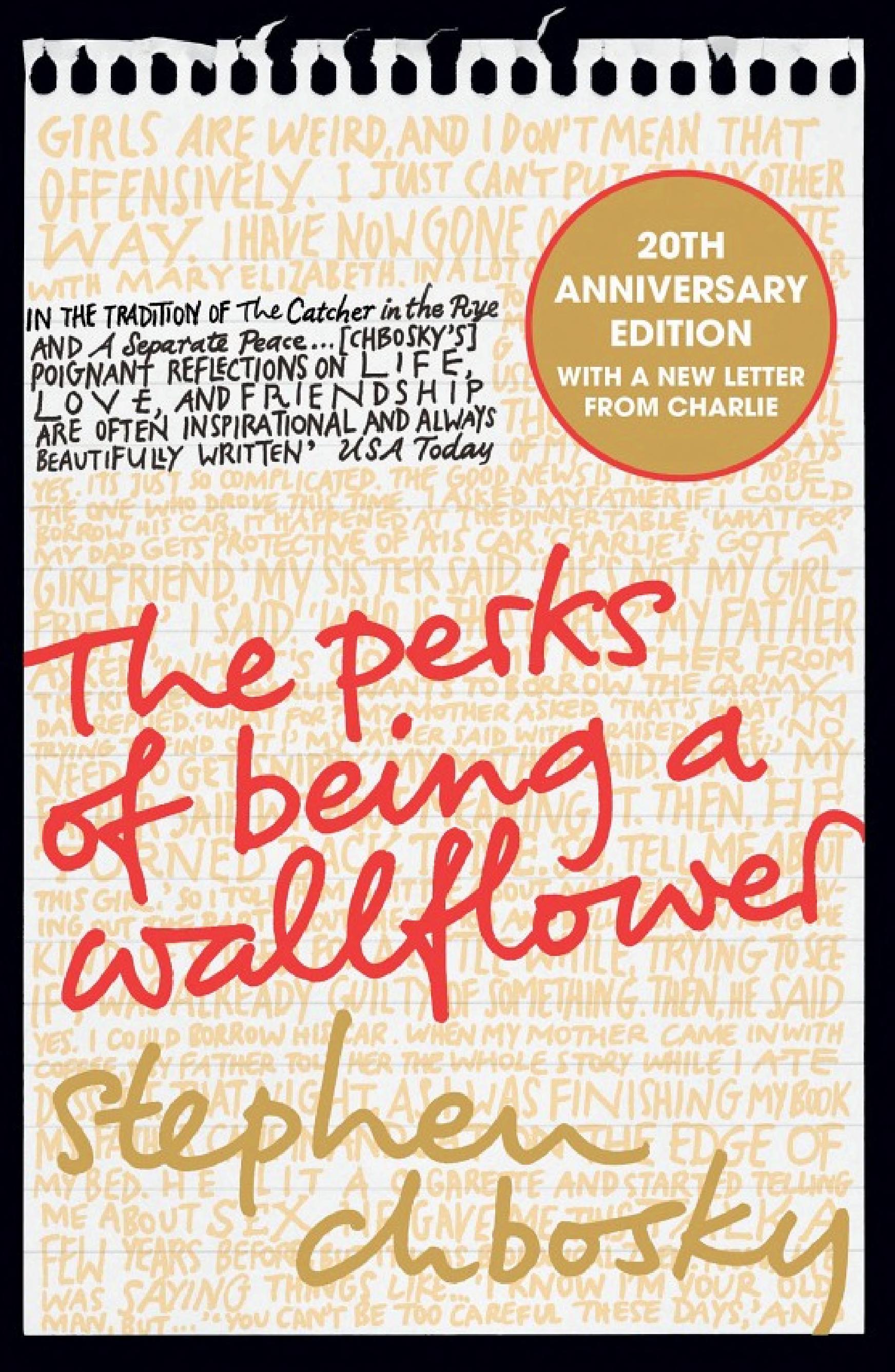
Memoir as coming of age
Who this is for
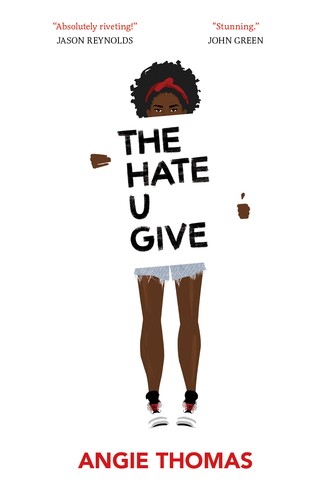
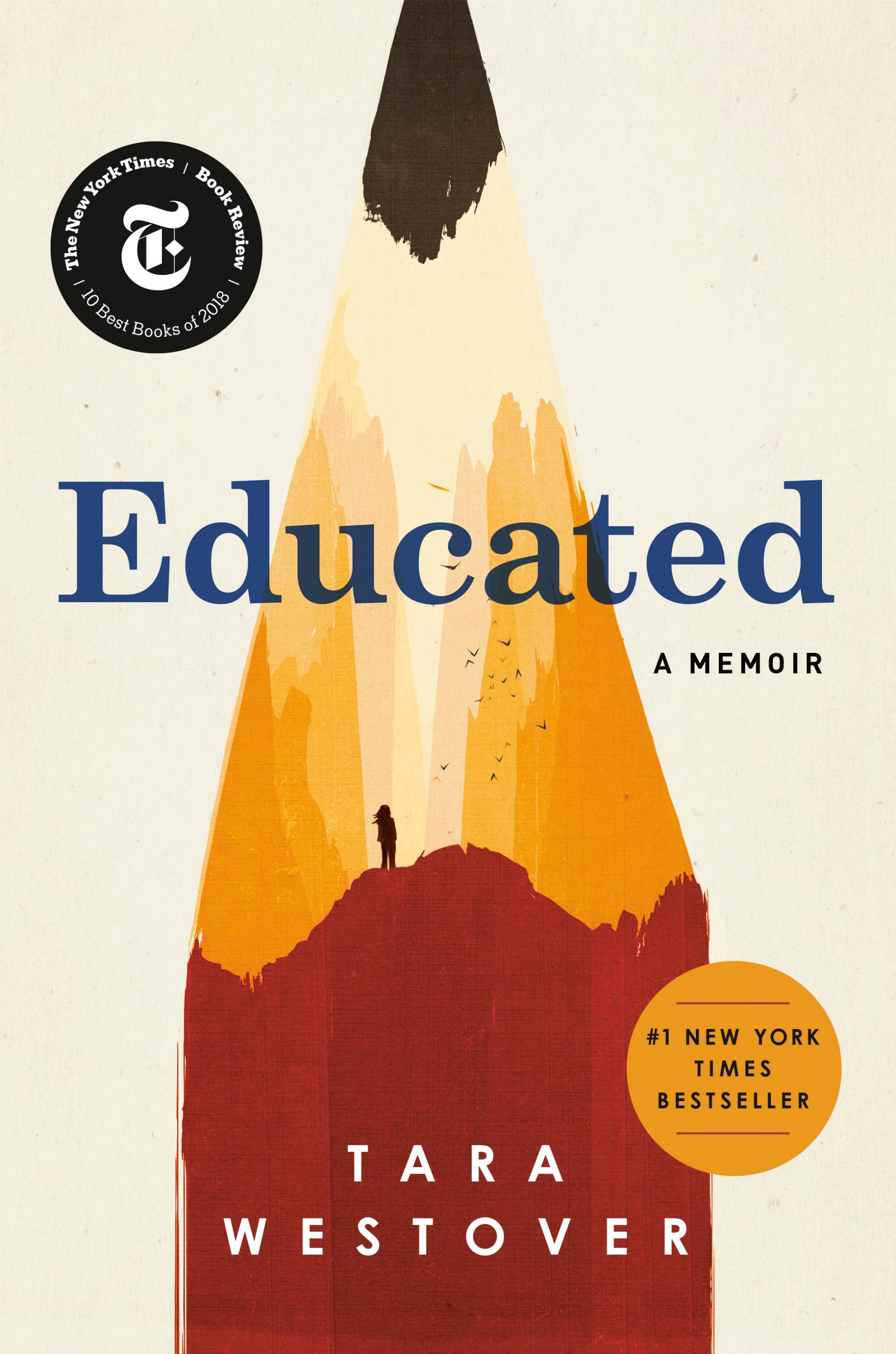
This list covers coming of age across form and era — classic American novels, contemporary YA, and memoir. If you want the canonical texts, start with To Kill a Mockingbird or The Catcher in the Rye. For something more contemporary and propulsive, The Hate U Give. For the most powerful recent memoir, Educated. Browse young adult and literary fiction for more.
Frequently asked questions
Q: What is the best coming of age novel? A: To Kill a Mockingbird is the critical consensus, and it earns its reputation — Scout Finch remains one of the finest narrative voices in American literature. The Catcher in the Rye is the other essential answer, for a completely different reason: no novel has ever more accurately captured the internal monologue of adolescent alienation.
Q: What coming of age books are good for adults? A: Coming of age novels read differently as an adult — you watch the protagonist from the outside rather than inhabiting them. The Secret History by Donna Tartt is the best adult coming of age novel. Educated by Tara Westover is the best memoir in this register.
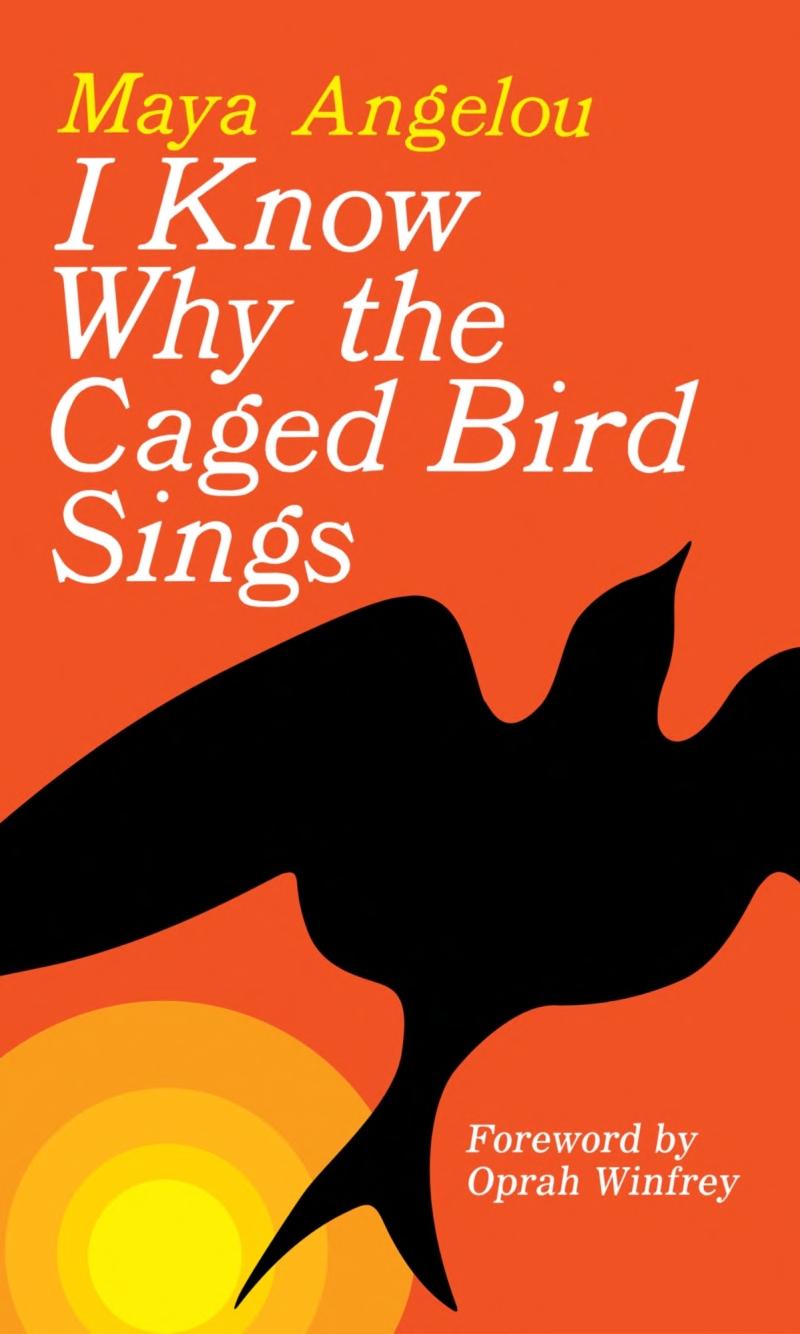
Q: What are coming of age books that aren’t about high school? A: Educated by Tara Westover, I Know Why the Caged Bird Sings by Maya Angelou, and East of Eden by Steinbeck all trace coming of age outside the school setting. Americanah by Chimamanda Ngozi Adichie treats coming of age as a process that can happen at any age, in any country.
Q: Is Harry Potter a coming of age story? A: Yes — it’s the defining coming of age series of its generation. The arc from Philosopher’s Stone to Deathly Hallows is explicitly a bildungsroman: a child becomes an adult by confronting the worst possible version of the world he was told existed.
Not sure which of these is right for you specifically? The Pagesmith quiz matches you to books based on your mood, pacing preference, and reading goals — not bestseller lists. Takes two minutes.