The best gothic novels share a quality that separates them from pure horror: the threat is not external but structural. The house that terrifies is also a family, an institution, a history. The ghost that haunts is also a secret, a repressed identity, a refusal to acknowledge what happened. Gothic fiction works by making the interior external — giving physical form to psychological and social realities that polite discourse would prefer to leave unexamined. The best examples in the genre use their conventions not as decoration but as argument.
The Victorian foundations
Gothic fiction was invented to say things that could not be said directly — about desire, about madness, about the violence that respectable society conceals. These novels established the conventions that every subsequent gothic work is either using or subverting.
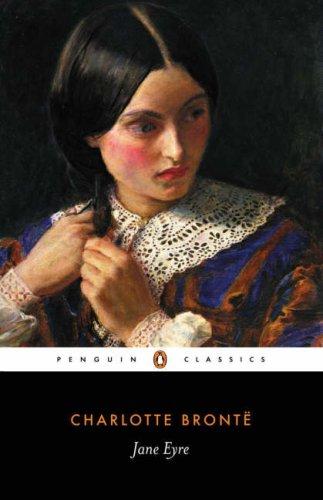
Gothic fiction works by making the interior external — giving physical form to the psychological and social realities that polite discourse would prefer to leave unexamined.
The twentieth-century masters: gothic as literary form
The modern gothic: the form applied to new arguments
Who this is for
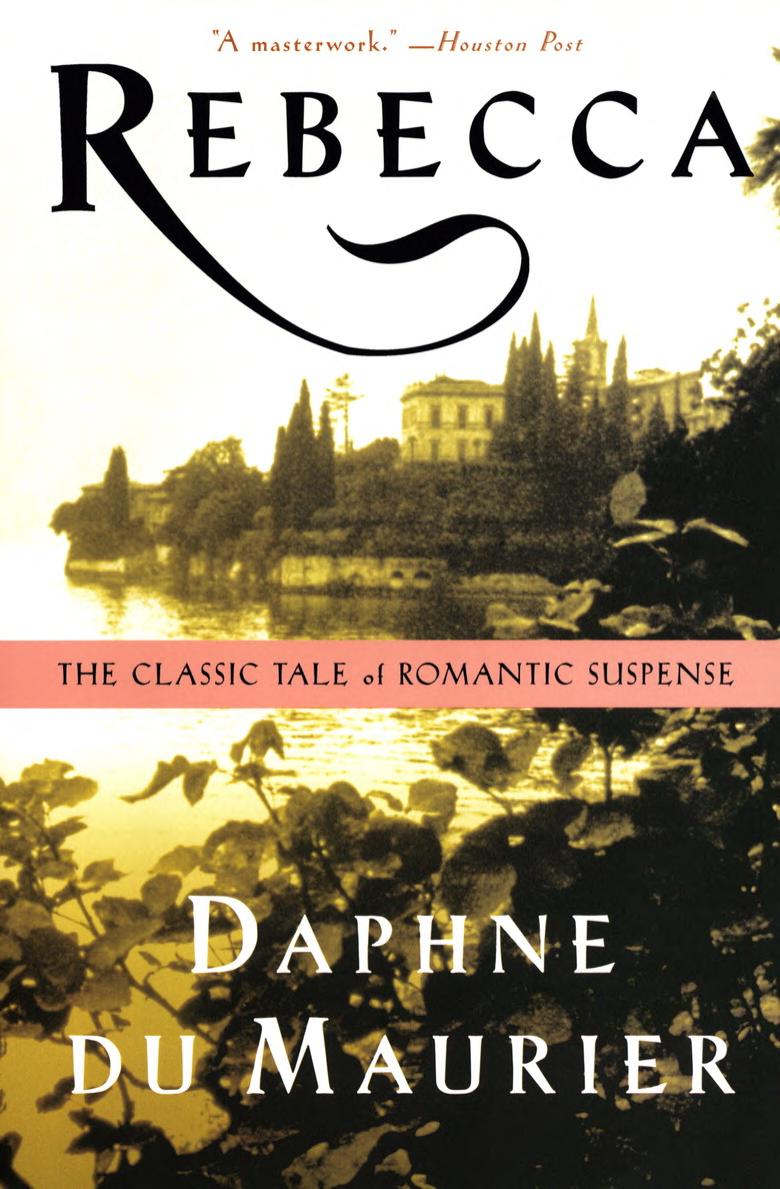
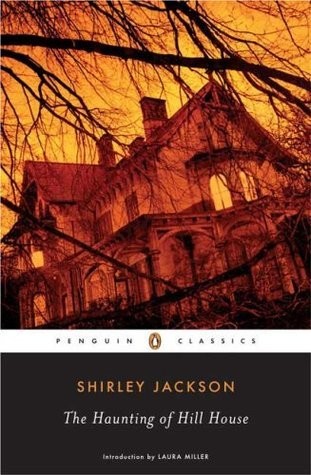
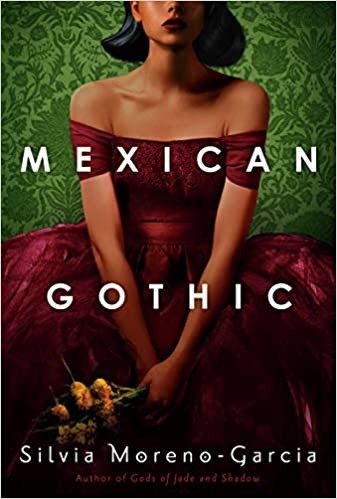
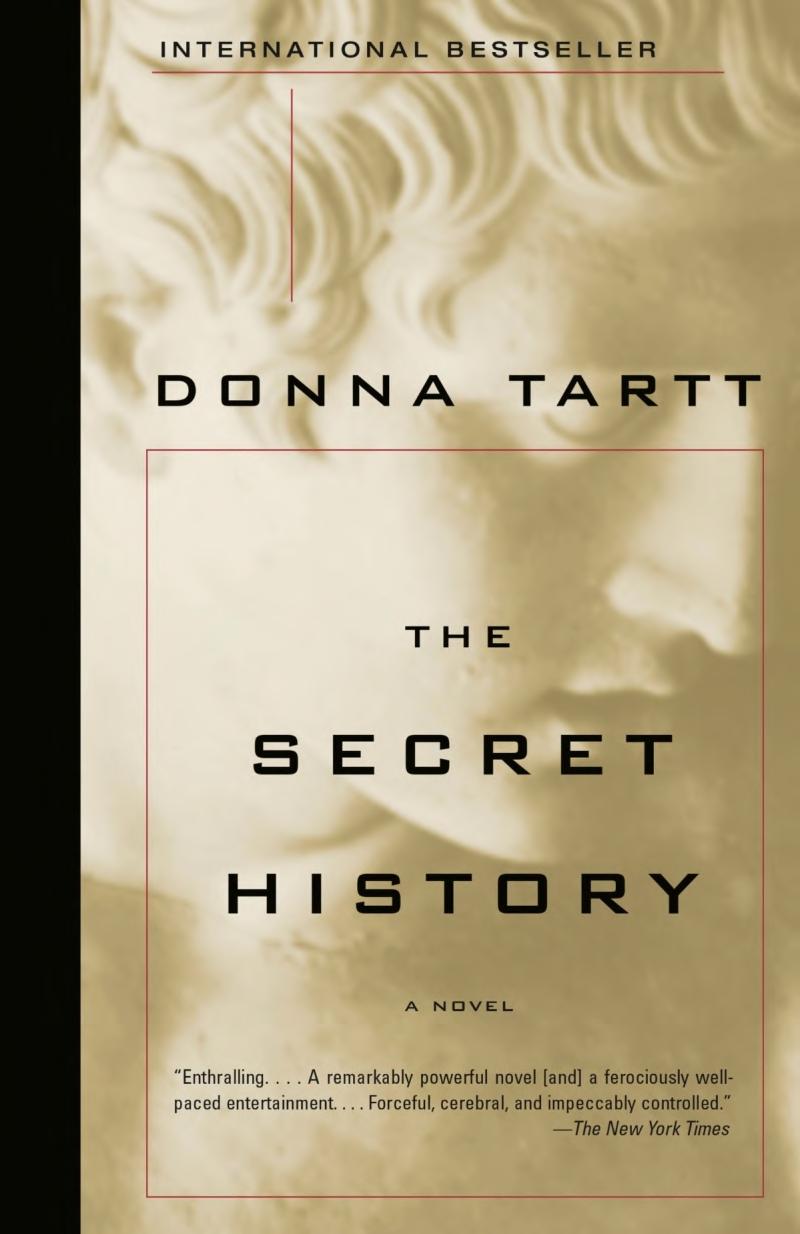
This list is for readers who want gothic fiction that uses atmosphere as argument rather than as decoration — novels where the decaying house or the family secret is doing real thematic work. Start with Rebecca if you have not read it. For modern literary gothic, Mexican Gothic or The Secret History. For the most psychologically pure, The Haunting of Hill House. Browse horror and literary fiction for more.
Frequently asked questions
Q: What is the best gothic novel ever written? A: Rebecca by Daphne du Maurier is the critical consensus for accessible gothic fiction. The Haunting of Hill House by Shirley Jackson is the most formally perfect. Jane Eyre is the most culturally significant — it invented several conventions that every subsequent gothic novel uses.
Q: What is the difference between gothic and horror? A: Gothic fiction uses atmosphere, setting, and the past to create dread — the threat is usually symbolic and tied to repressed histories or identities. Horror is more directly concerned with fear as a physical response. The Haunting of Hill House is both. Mexican Gothic is primarily gothic. The Shining is primarily horror.
Q: Are there gothic novels that are not scary? A: The Secret History by Donna Tartt is gothic in structure and atmosphere without being frightening. Rebecca is suspenseful rather than scary. Brideshead Revisited has gothic elements — the decaying estate, the family secret — without any horror. All three are more concerned with atmosphere and interiority than fear.
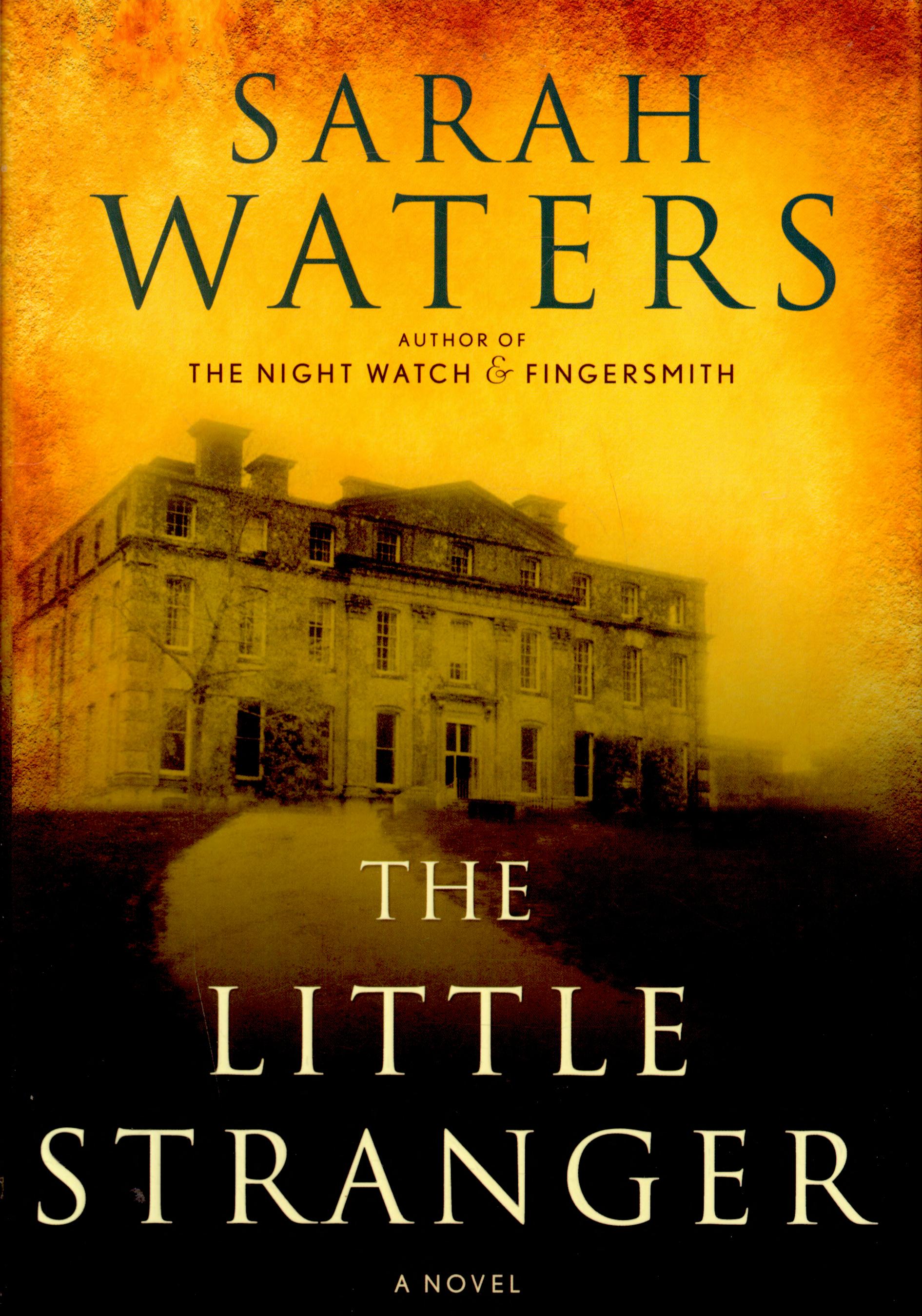
Q: What modern books are gothic? A: Mexican Gothic by Silvia Moreno-Garcia is the strongest recent example. The Little Stranger by Sarah Waters is equally accomplished. Ninth House by Leigh Bardugo applies gothic conventions to a contemporary university setting.
Not sure which of these is right for you specifically? The Pagesmith quiz matches you to books based on your mood, pacing preference, and reading goals — not bestseller lists. Takes two minutes.