The best historical romance novels earn their setting. The history is not decoration — it is the obstacle. Darcy and Elizabeth cannot simply communicate; the social codes governing what can be said and by whom make every scene a negotiation between what is felt and what is permissible. That constraint is what makes the genre’s finest examples more romantically charged than most contemporary romance, not less. The period creates the tension that the plot sustains.
Regency romance: wit, constraint, and drawing room warfare
The Regency period produced both the best historical romance novels and the conventions that define the genre to this day. Social codes are the obstacle; intelligence and wit are the weapons.
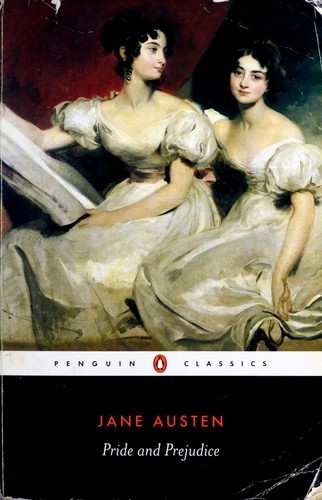
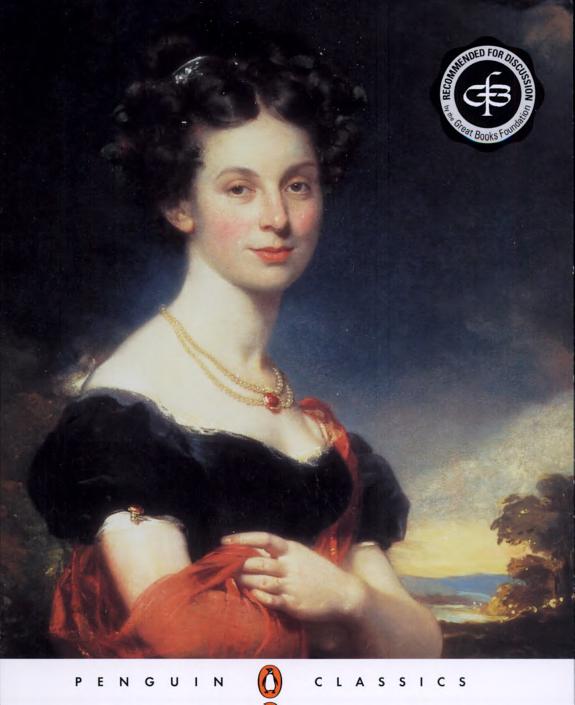
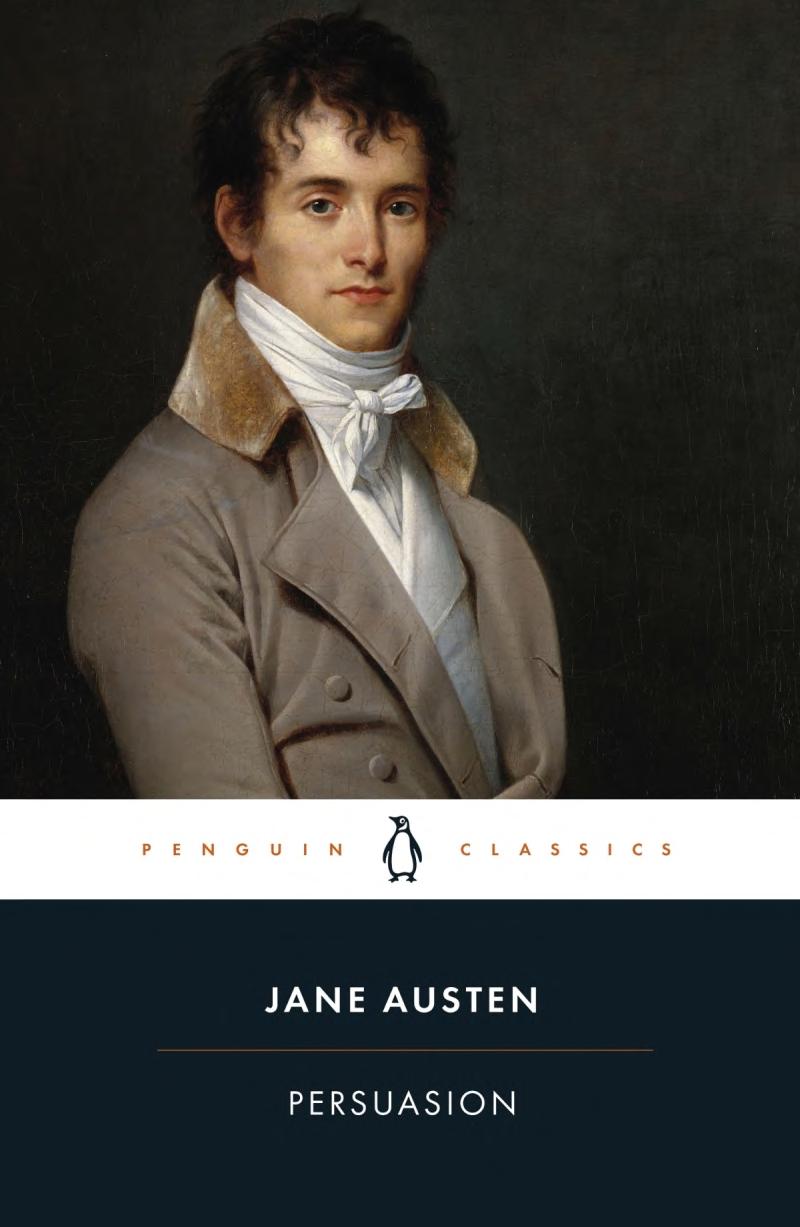
Historical romance works because the period creates the obstacle. Darcy and Elizabeth cannot simply communicate — and that constraint makes every scene more charged than a contemporary setting would allow.
Victorian romance: passion under repression
The Victorian period provides the most extreme version of the genre’s central constraint — desire that cannot be spoken and a social structure that enforces that silence with real consequences.
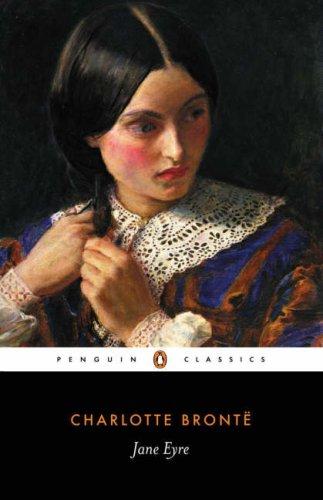
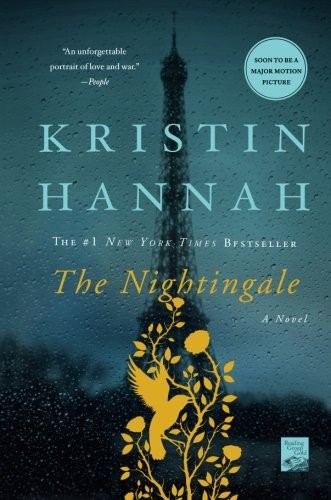
Wartime romance: love under maximum constraint
Who this is for
This list is for readers who want historical romance where the period does real work — where the history creates the constraint that makes the love story more charged, not just provides picturesque backdrop. Start with Pride and Prejudice if you have not read it. For the darkest and most structurally ambitious, Fingersmith. For wartime romance with emotional directness, The Nightingale. Browse historical fiction and romance for more.
Frequently asked questions
Q: What is the best historical romance novel? A: Pride and Prejudice by Jane Austen is the critical consensus and the novel that established the conventions of the entire genre. Persuasion is the most emotionally mature. Jane Eyre is the most dramatically intense.
Q: What historical romance novels are similar to Bridgerton? A: The Regency romances of Julia Quinn, on which Bridgerton is based, are the most direct comparison. For more literary Regency romance, Persuasion by Austen. For the same combination of social comedy and romantic tension, Emma.
Q: Are there historical romance novels that aren’t set in England? A: The Thorn Birds by Colleen McCullough is set in twentieth-century Australia. The House of the Spirits by Isabel Allende has romantic storylines running through its multigenerational South American saga. Suite Francaise by Irene Nemirovsky has a wartime romance in occupied France.
Q: What is the difference between historical fiction and historical romance? A: Historical romance places the romantic relationship at the centre and guarantees a happy resolution. Historical fiction may include romance but does not require it and may not resolve it happily. The Nightingale sits between the two categories. Jane Eyre is canonical romance; Wolf Hall is historical fiction.
Not sure which of these is right for you specifically? The Pagesmith quiz matches you to books based on your mood, pacing preference, and reading goals — not bestseller lists. Takes two minutes.