Mind-bending is an overused word in book recommendations, applied to anything with a plot twist. The books below earn it more honestly. They are mind-bending not because they surprise you once but because they change something structural in how you think — about power, about identity, about what you assumed was fixed and discover is contingent. Some do it through form, some through argument, some through a premise that makes the familiar suddenly strange. All of them produce the specific sensation of reading something that you cannot un-read.
Books that restructure how you understand power
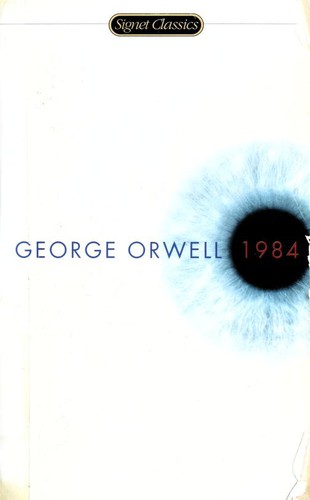
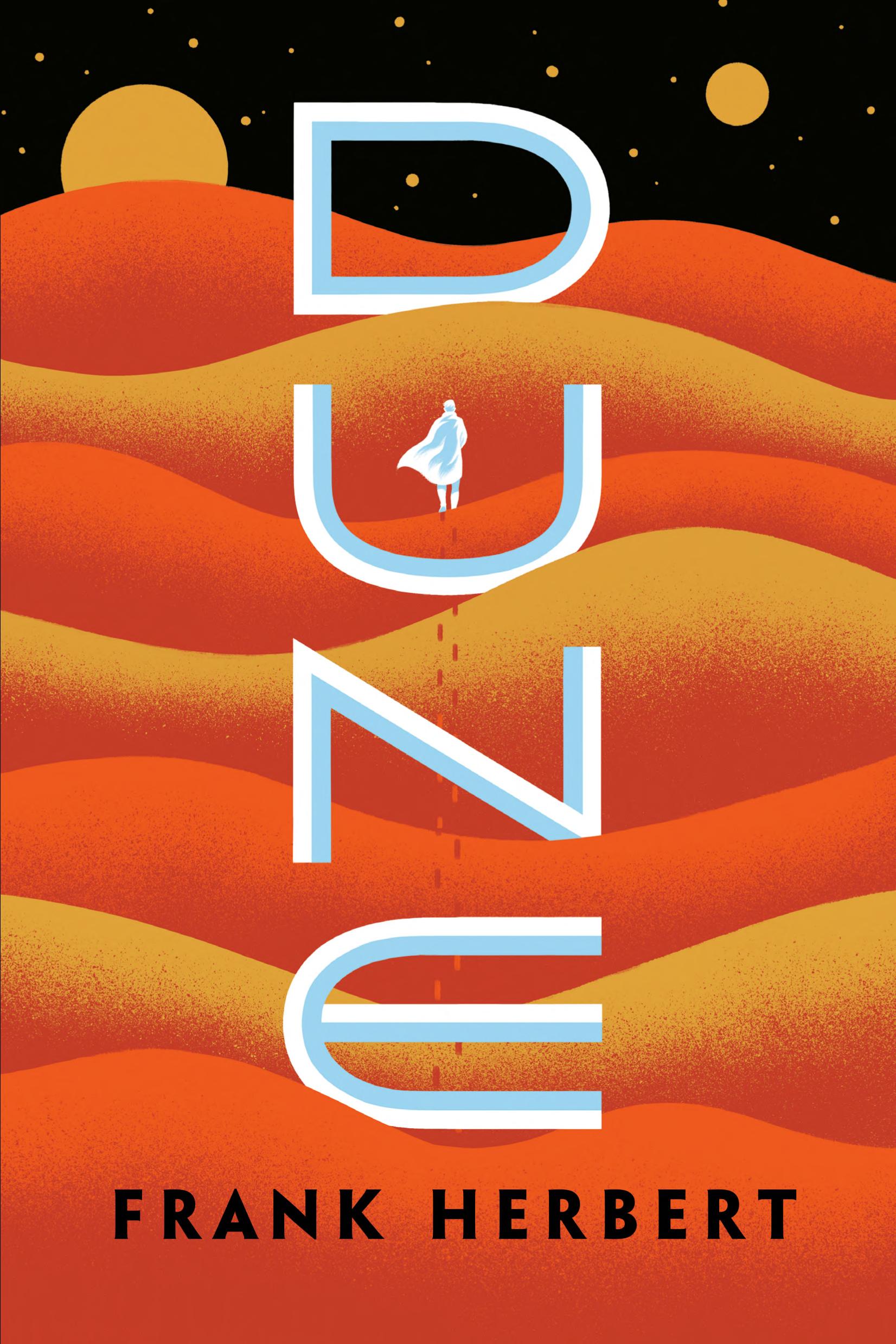
The best mind-bending books don’t just surprise you once. They change something structural in how you think — and that change does not go away when you close the book.
Books that restructure how you understand identity
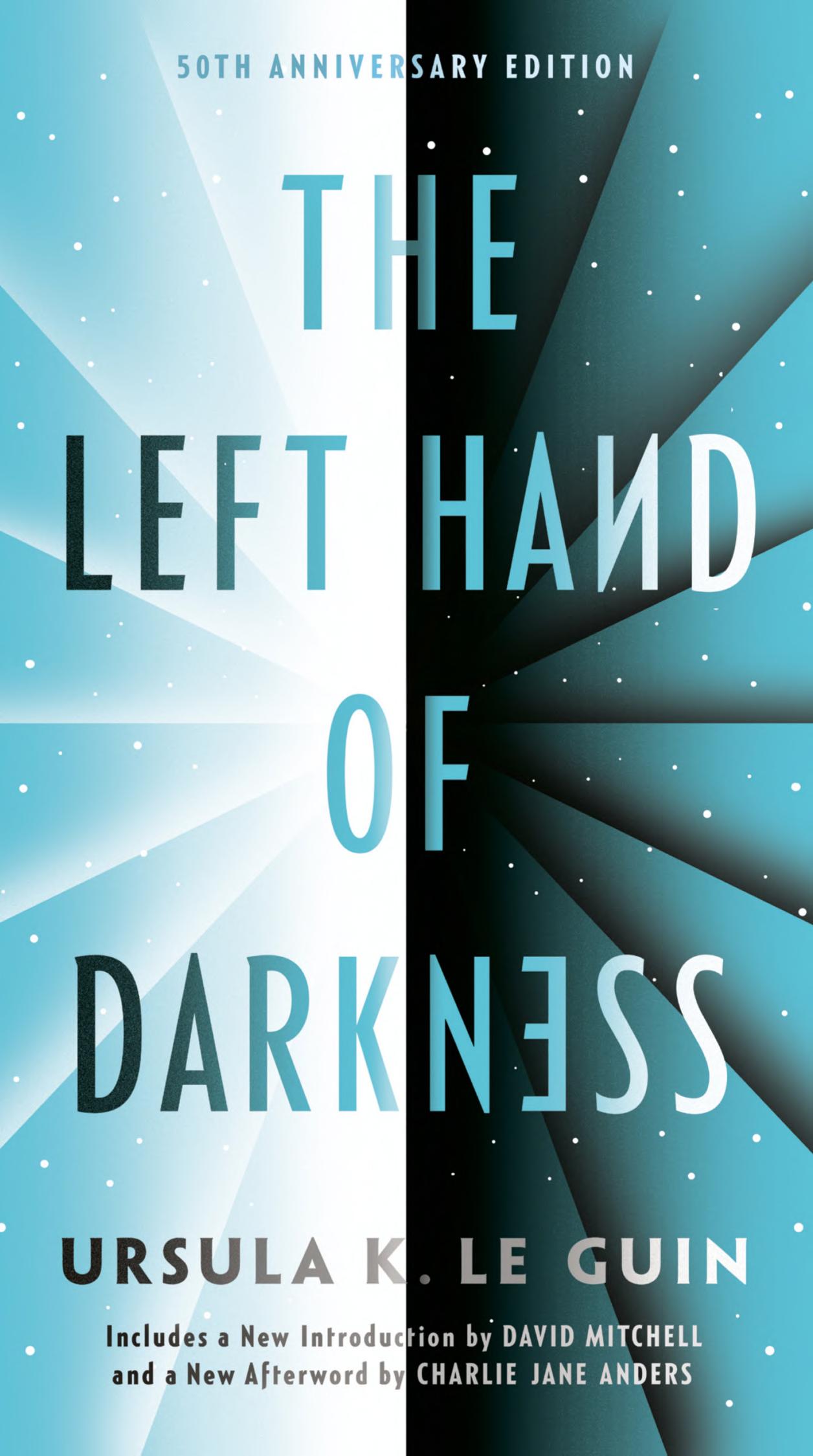
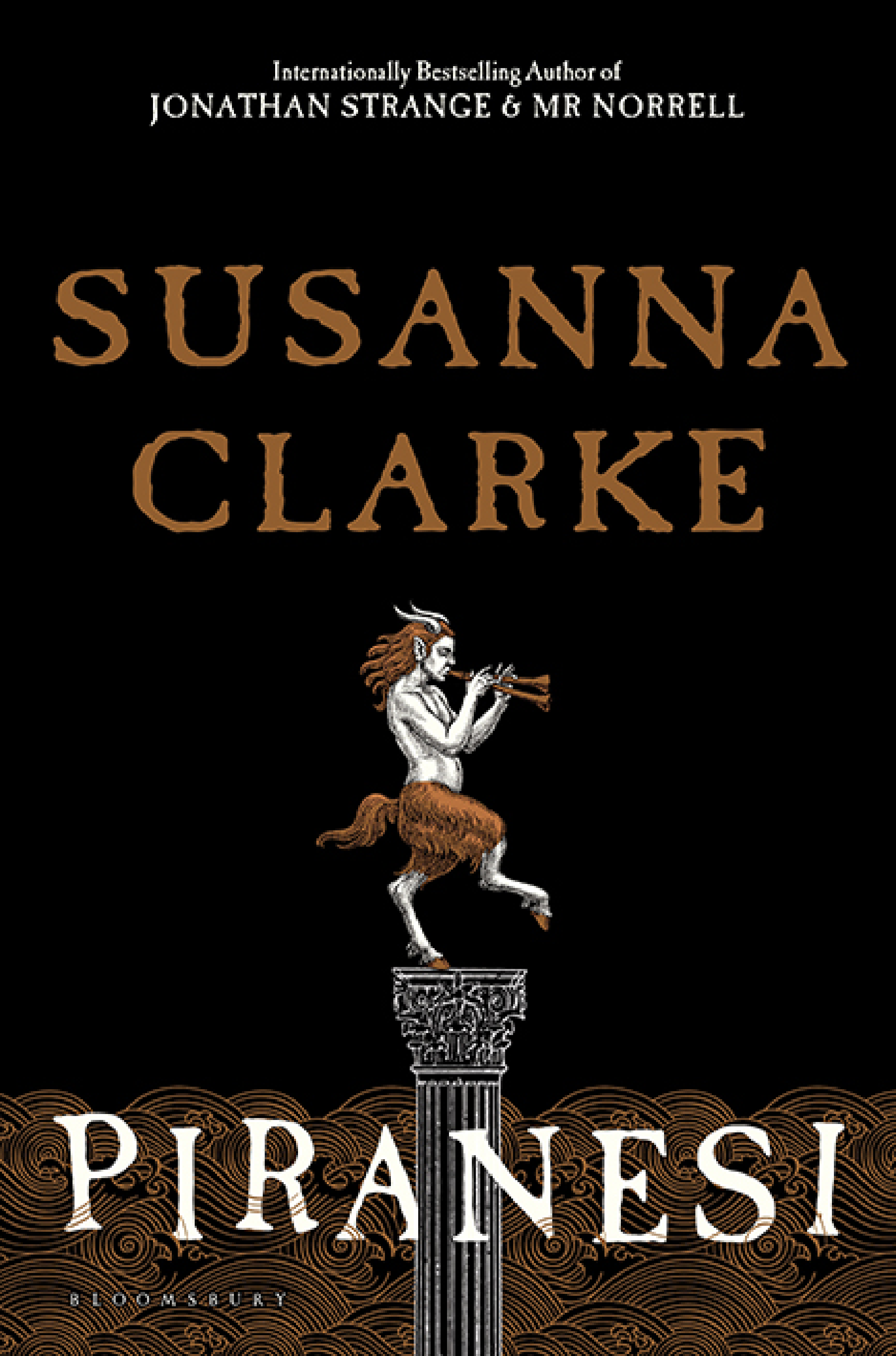
Books that restructure how you understand reality
Who this is for
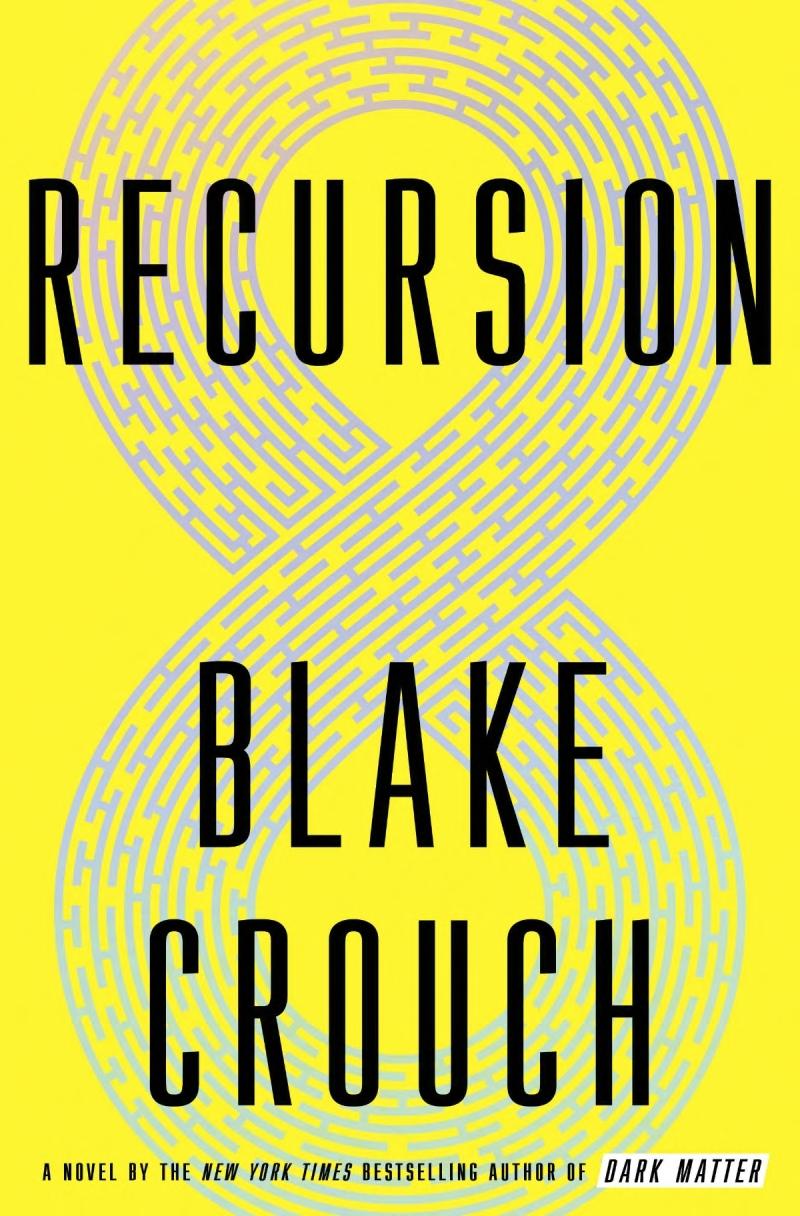
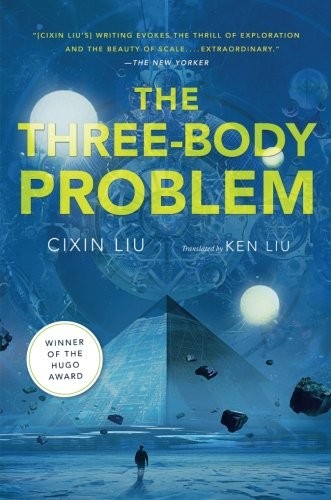
This list is for readers who want books that change something rather than just entertain — who want the specific sensation of finishing a novel and finding that certain familiar things now look different. If you want the most immediately accessible, Piranesi or Recursion. If you want the most intellectually demanding, The Three-Body Problem or The Left Hand of Darkness. Browse science fiction and literary fiction for more.
Frequently asked questions
Q: What are the most mind-bending books ever written? A: 1984 by George Orwell permanently changes how readers perceive political language. The Left Hand of Darkness by Le Guin restructures assumptions about gender. House of Leaves by Mark Z. Danielewski makes the reading experience itself disorienting. All three qualify in different ways.
Q: What mind-bending books are also easy to read? A: Piranesi by Susanna Clarke is the most accessible — short, immediately absorbing, and produces its structural reorientation through story rather than argument. Recursion by Blake Crouch is the fastest. Both are considerably more readable than their premises suggest.
Q: What books will make me think for days afterward? A: The Three-Body Problem by Liu Cixin — specifically its central argument about the game theory of interstellar contact — is the book most consistently cited as impossible to stop thinking about. Dune operates similarly once you understand what Herbert was actually arguing about charismatic leadership.
Q: Are mind-bending books the same as plot-twist books? A: No — and this is an important distinction. Books with plot twists surprise you once and then resolve. Mind-bending books change how you process information you encounter outside the book — in news, in conversation, in your own thinking. The test is whether the effect persists after you close it.
Not sure which of these is right for you specifically? The Pagesmith quiz matches you to books based on your mood, pacing preference, and reading goals — not bestseller lists. Takes two minutes.