Psychological thrillers work differently from other thrillers. The threat is not external — no serial killer coming through the window, no ticking bomb under the table. The threat is epistemic: you cannot trust what you are being told, and the more you read, the less certain you become about what is actually happening. The best psychological thriller books use that uncertainty as their primary instrument, constructing narratives where the reveal does not just surprise you but restructures your understanding of every page that came before it.
The books that perfected the unreliable narrator
These novels are built entirely around narrators whose accounts of events cannot be taken at face value — and whose unreliability is not a trick but a structural argument about perception, memory, and self-deception.
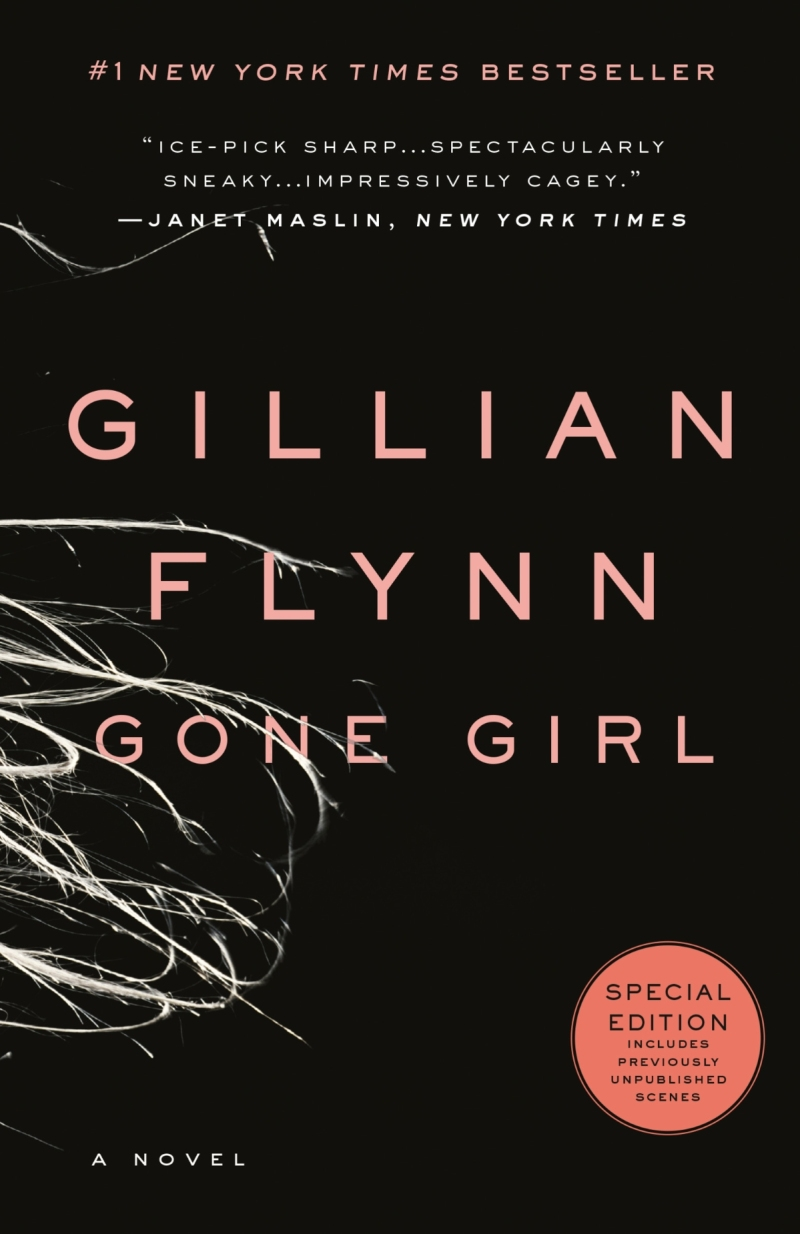
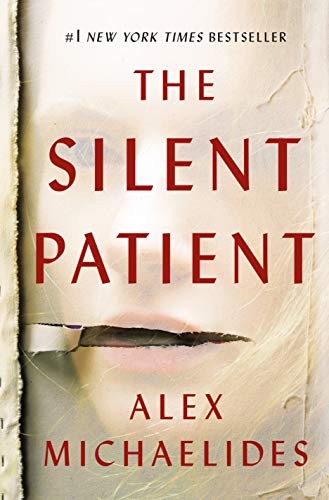
The best psychological thrillers don’t ask whether something terrible will happen. They ask whether you have correctly understood what has already happened — and the answer is usually no.
Psychological thrillers with domestic dread
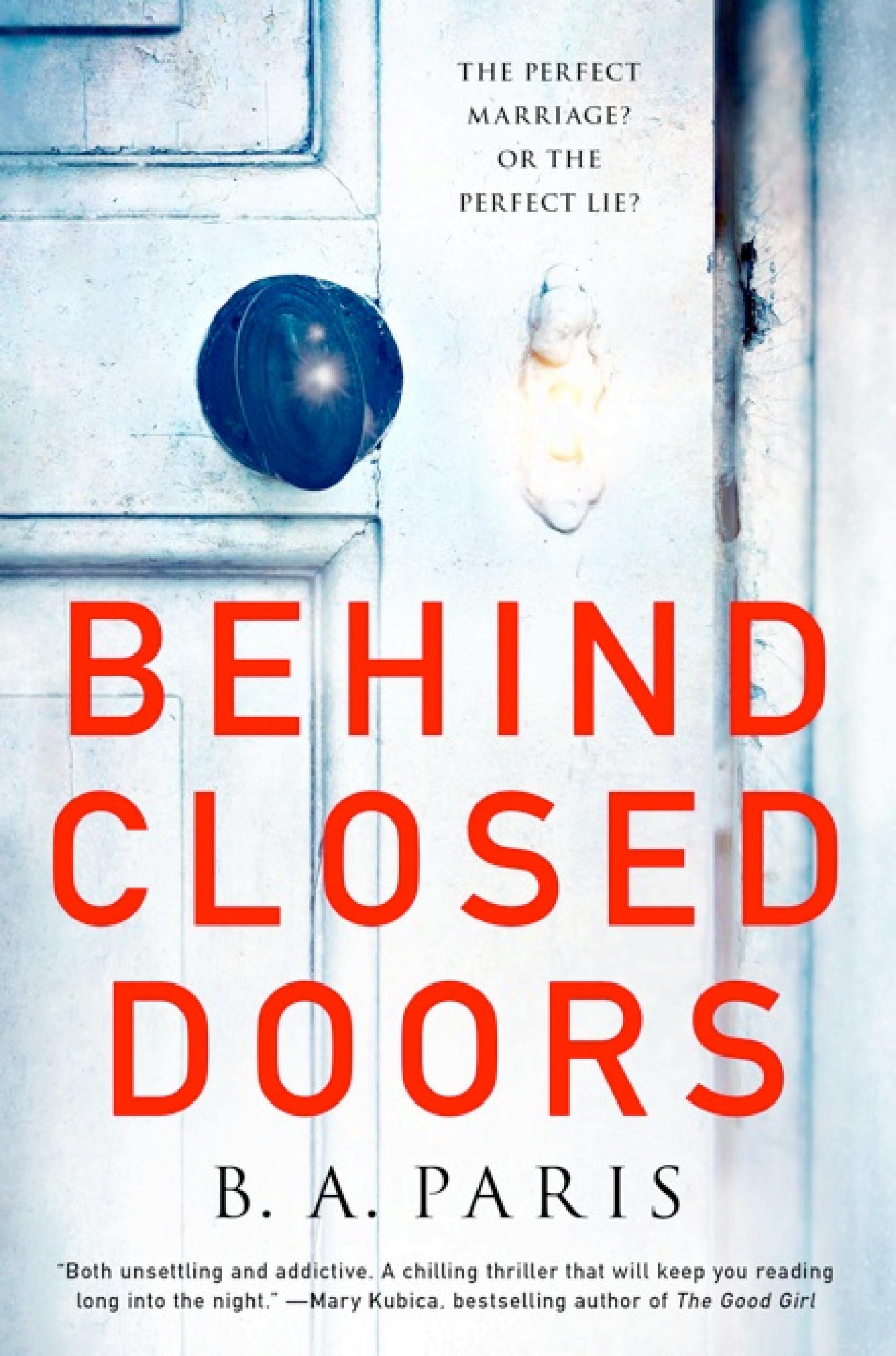
The most fertile setting for psychological thrillers is the home — specifically the domestic arrangement that looks normal from the outside and is something else entirely from within.
The most literary psychological thrillers
These sit at the intersection of psychological thriller and literary fiction — all the tension and unreliability of the genre, with prose and character depth that reward careful reading.

Who this is for
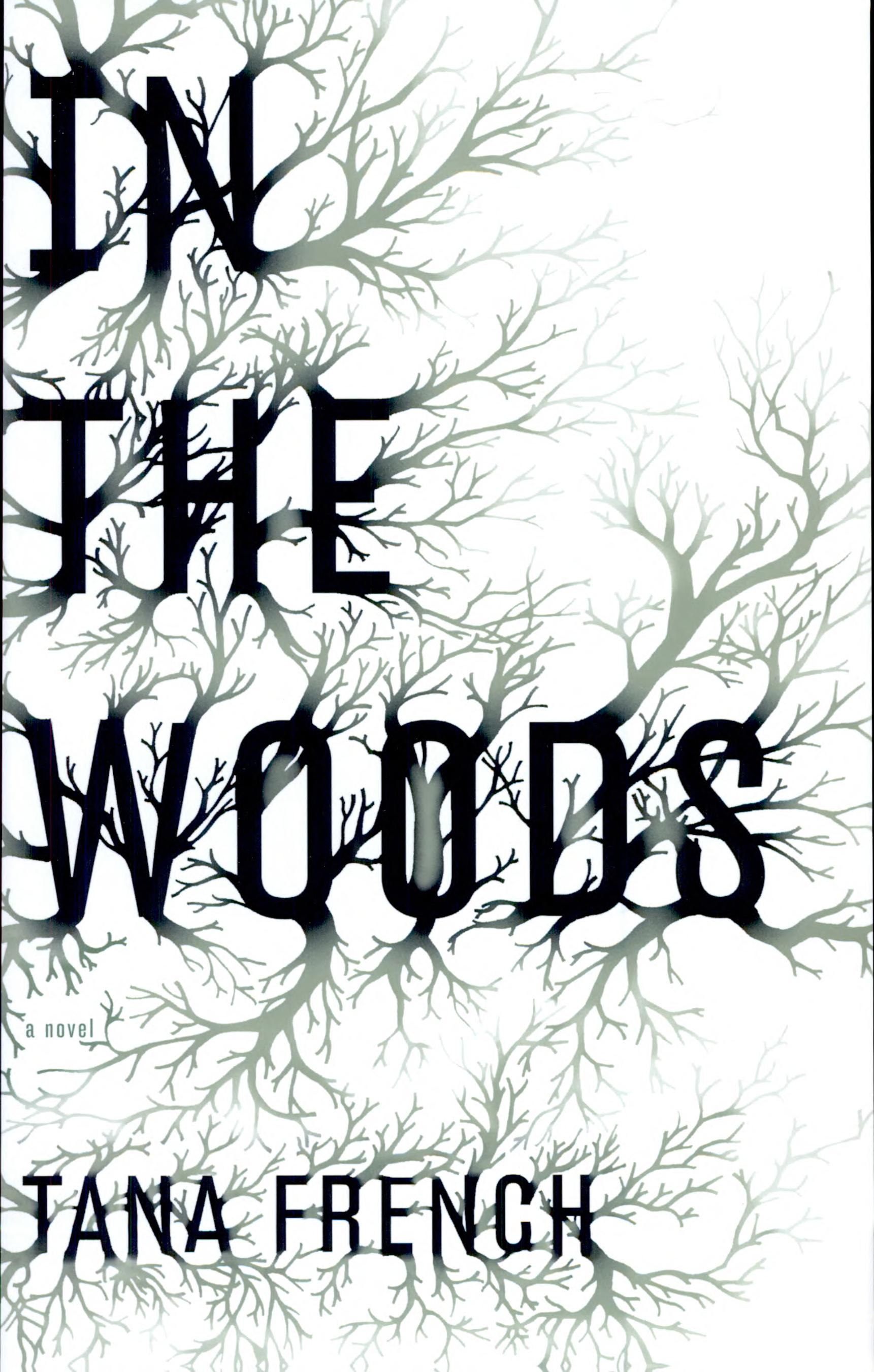
This list is for readers who want thrillers where the tension comes from inside the mind rather than from external threat — where the central question is not what will happen next but whether you have correctly understood what has already happened. If you want the most structurally ambitious, Gone Girl or The Silent Patient. If you want the most literary, In the Woods. Browse the full thriller and mystery catalogue for more.
Frequently asked questions
Q: What is the best psychological thriller ever written? A: Gone Girl by Gillian Flynn is the most influential psychological thriller of the past two decades and the one that defined the modern genre. The Silent Patient is the closest recent competitor for structural ambition. In the Woods by Tana French is the most critically acclaimed.
Q: What makes a thriller psychological? A: The distinction is in the source of tension. Conventional thrillers build tension through external threat — danger, pursuit, countdown. Psychological thrillers build tension through internal instability — unreliable narrators, shifting realities, the question of whether the protagonist understands their own situation correctly.
Q: Are psychological thrillers and domestic thrillers the same thing? A: Domestic thrillers are a subgenre of psychological thrillers — they use the home and family relationships as the setting for psychological instability and threat. Gone Girl and Behind Closed Doors are both. In the Woods is a psychological thriller that is not domestic.
Q: What psychological thriller should I read first? A: The Silent Patient is the most accessible starting point — tightly plotted, fast, and built around a single central question with a reveal that fully delivers. Gone Girl is the more ambitious choice but requires more investment from the reader before the full picture assembles.
Not sure which of these is right for you specifically? The Pagesmith quiz matches you to books based on your mood, pacing preference, and reading goals — not bestseller lists. Takes two minutes.