Slow burn romance is harder to write than fast-paced romance because the writer cannot rely on the relationship itself to generate momentum. The characters cannot be together yet, so everything else must do the work: the charged looks, the almost-conversations, the situations that put the two people in proximity without resolution. The best slow burn romance books sustain that tension across hundreds of pages and deliver a payoff that feels earned rather than inevitable. These are the ones that get it right.
The enemies-to-lovers slow burn
The gold standard of the subgenre. The tension is built from antagonism that is also attraction — which means every scene serves double duty and the emotional investment is extremely high before anything happens.
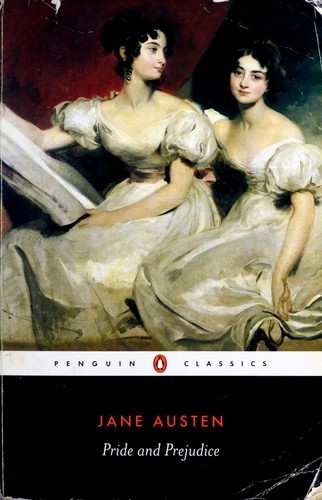
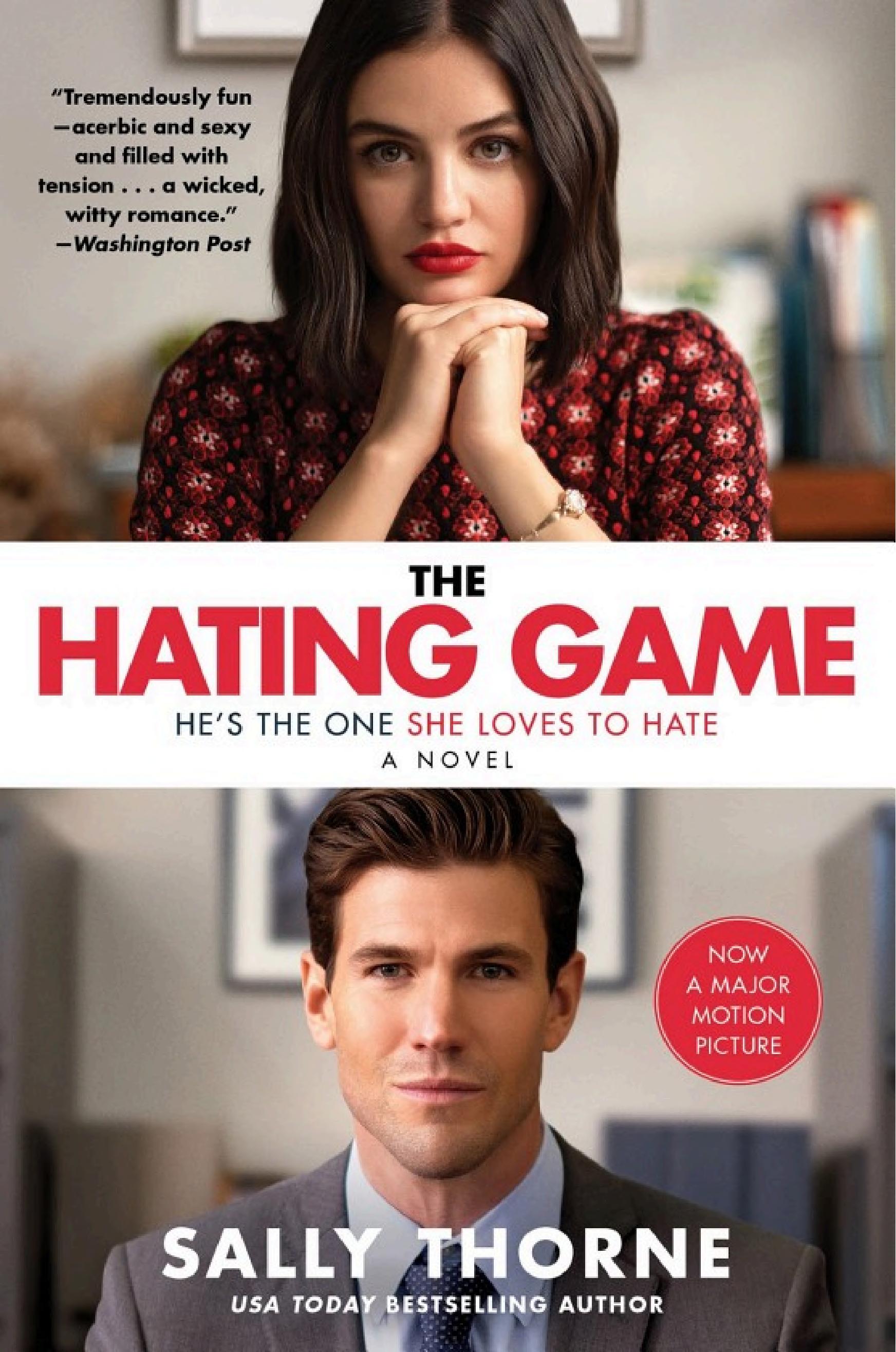
Slow burn romance is the most technically demanding subgenre in fiction. The tension must be sustained across hundreds of pages without resolution — and the payoff must earn every page that preceded it.
The friends-to-lovers slow burn
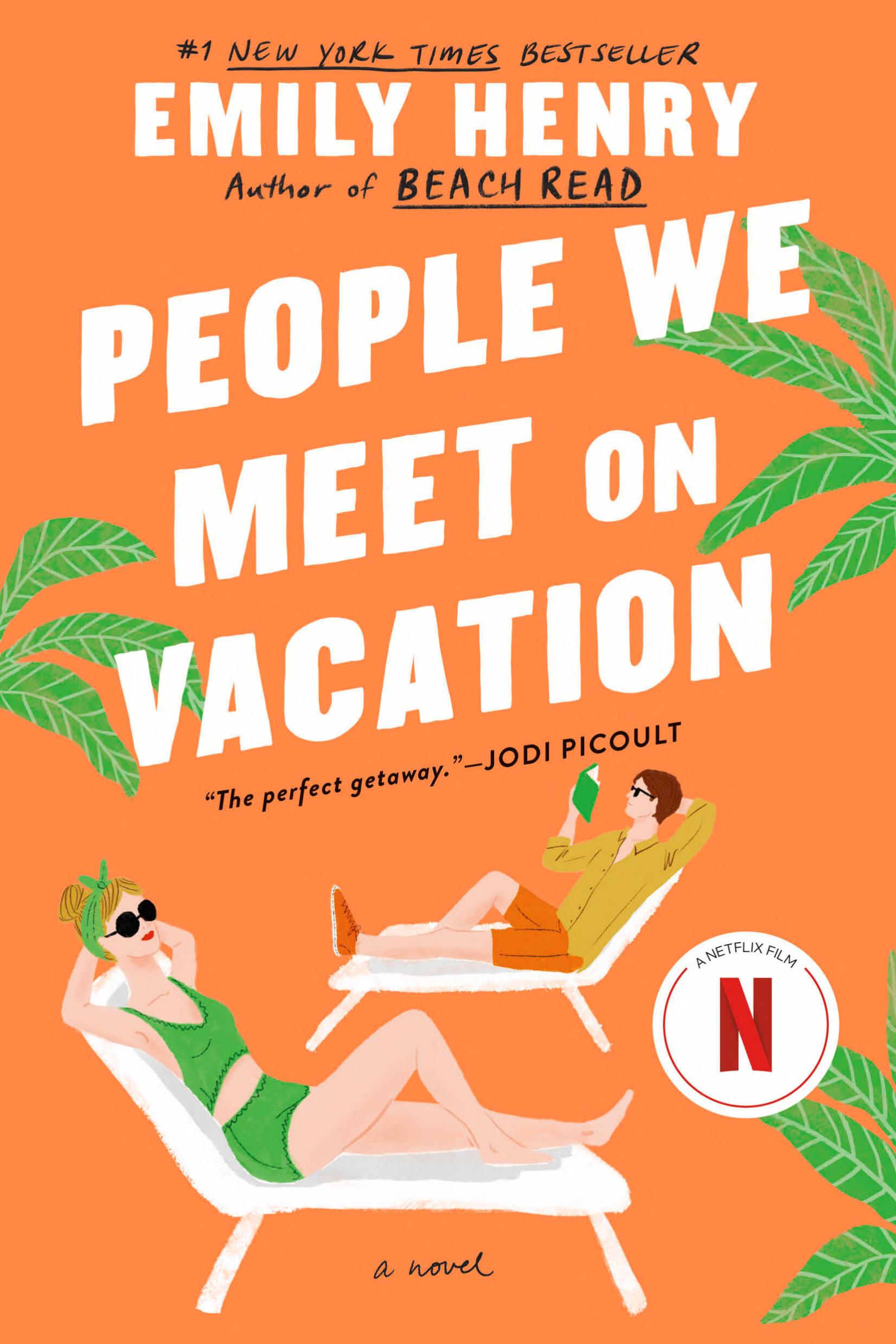
The second great template: two people who are clearly right for each other being unable to cross the line because the friendship is too valuable to risk. The tension is entirely different from enemies-to-lovers — warmer, more anxious, more about the fear of loss than the fear of desire.
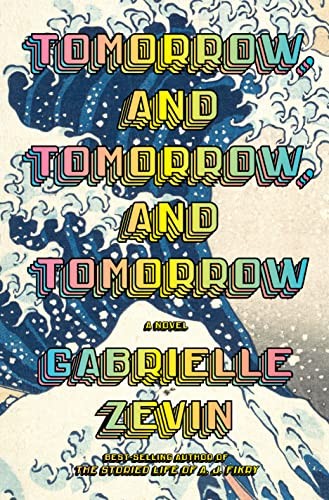
The literary slow burn
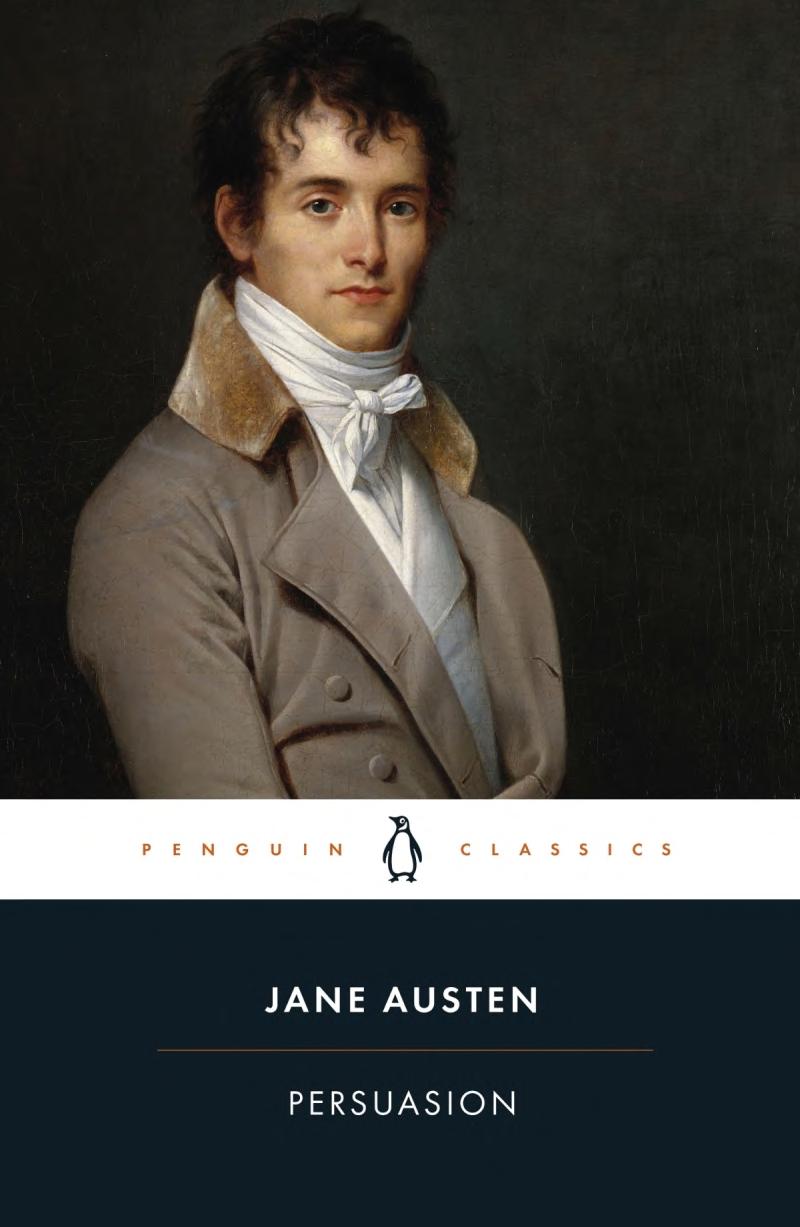
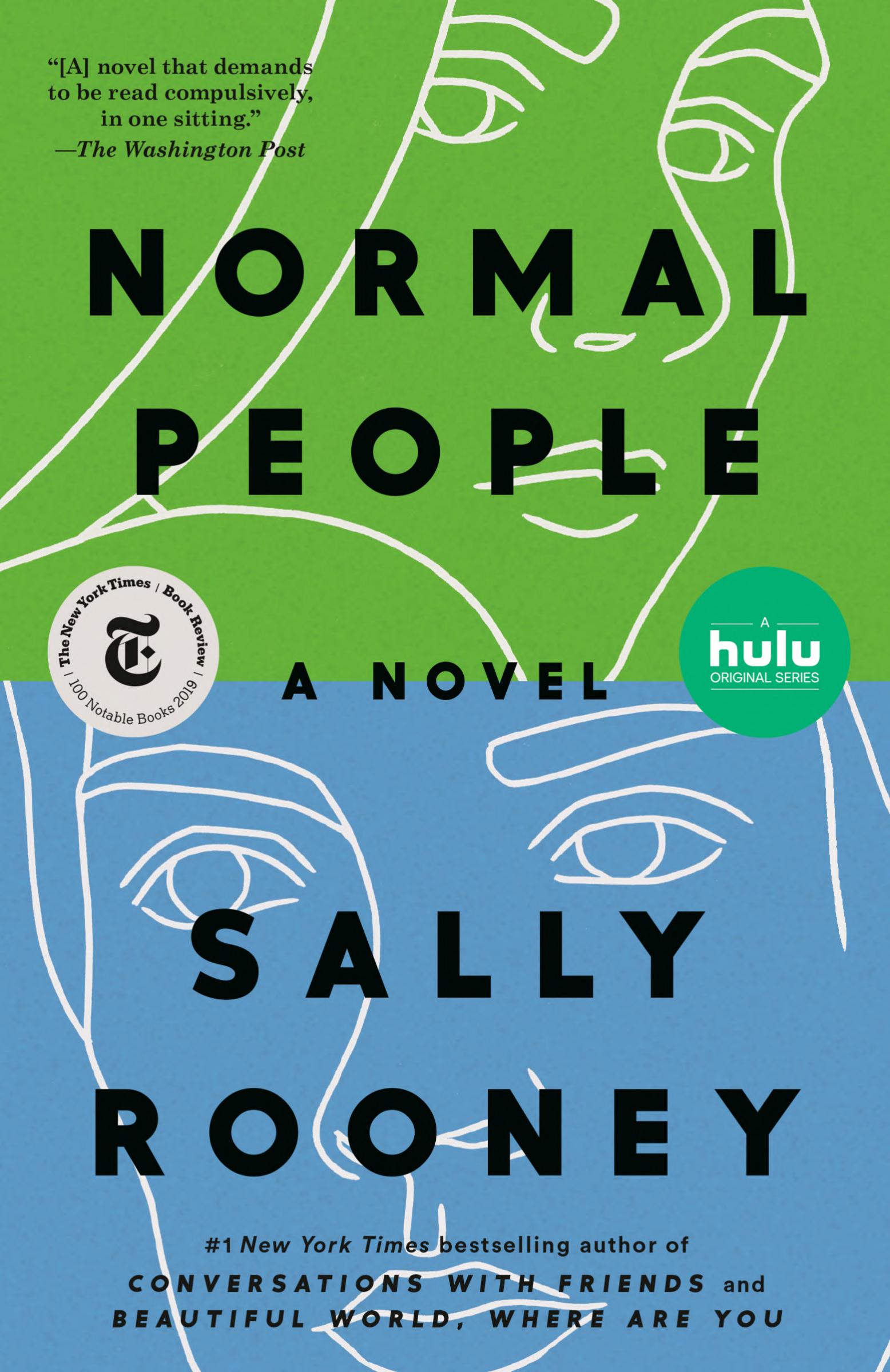
Who this is for
This list is for readers who find fast-paced romance unsatisfying — who want the tension to be earned over many pages rather than resolved in a few chapters. If you want the most purely pleasurable slow burn, People We Meet on Vacation or The Hating Game. If you want the most literary, Persuasion or Normal People. Browse the romance catalogue and contemporary fiction for more.
Frequently asked questions
Q: What is the best slow burn romance book? A: Pride and Prejudice by Jane Austen is the canonical answer — it invented the template. The Hating Game by Sally Thorne is the best contemporary equivalent. People We Meet on Vacation by Emily Henry delivers the most satisfying payoff in recent romance fiction.
Q: What makes a romance a slow burn? A: The romantic tension is sustained across a significant portion of the novel without resolution. The obstacles are internal rather than simply circumstantial — the characters could act on their feelings but have reasons not to. When the relationship finally develops, it feels earned rather than arbitrary.
Q: Are there slow burn romances that are also literary? A: Persuasion and Normal People are both literary fiction that operate through slow burn mechanics. Tomorrow, and Tomorrow, and Tomorrow extends the slow burn across thirty years with the depth of a literary novel. The Remains of the Day is the most extreme literary slow burn — it never resolves, which is the point.
Q: What’s the difference between slow burn and enemies-to-lovers? A: Enemies-to-lovers is a specific slow burn setup. Slow burn is the broader category — any romance where the tension is deliberately sustained. Friends-to-lovers, second chance romance, and forbidden romance can all be slow burn without being enemies-to-lovers.
Not sure which of these is right for you specifically? The Pagesmith quiz matches you to books based on your mood, pacing preference, and reading goals — not bestseller lists. Takes two minutes.