The best true crime books share a quality that separates them from the genre’s worst examples: they are not primarily about the crime itself but about what the crime reveals. In Cold Blood reveals something about rural America and the production of violence. Bad Blood reveals something about the venture capital ecosystem and the specific blindness of people who want to believe. Say Nothing reveals something about political violence and how communities process atrocities they participated in. The crime is the entry point; the argument is the destination.
The foundational text
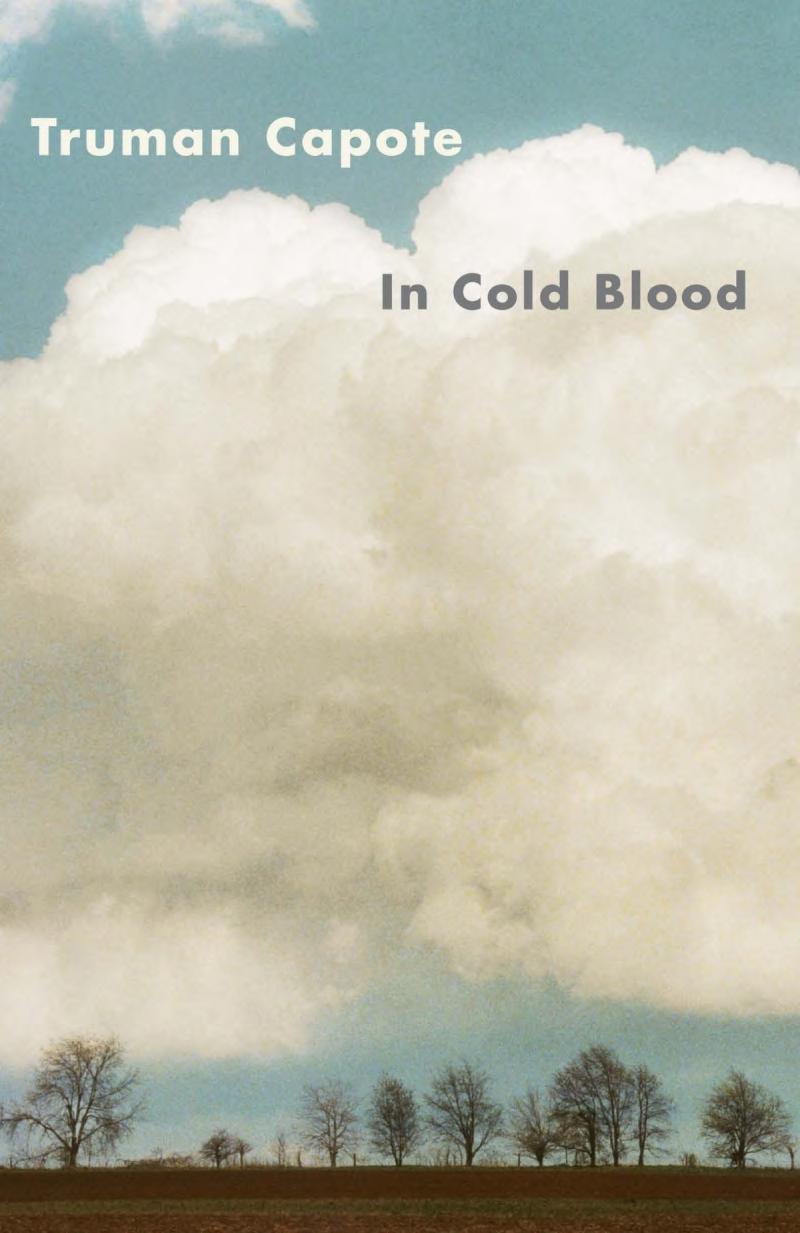
The best true crime books are not about morbid curiosity. They are about systems — how institutions fail, how power protects itself, and how the official story diverges from what actually happened.
Corporate crime: the systems that enable fraud
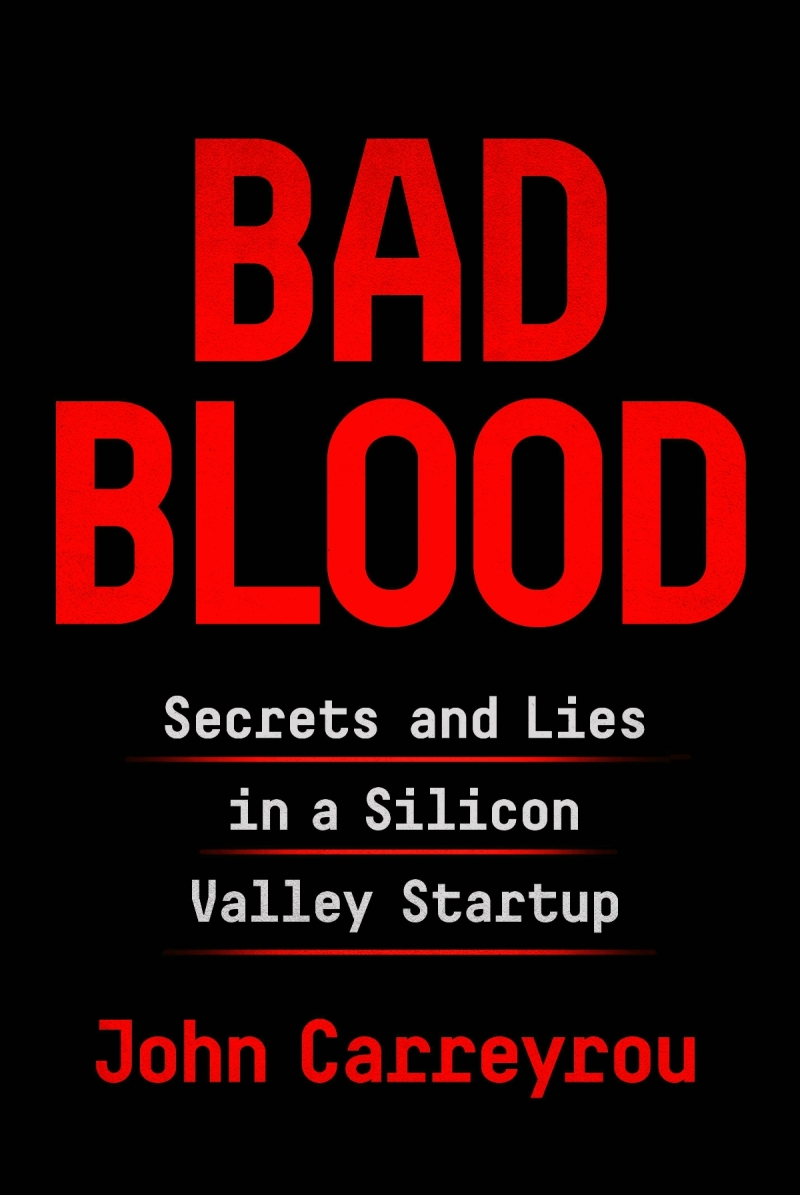
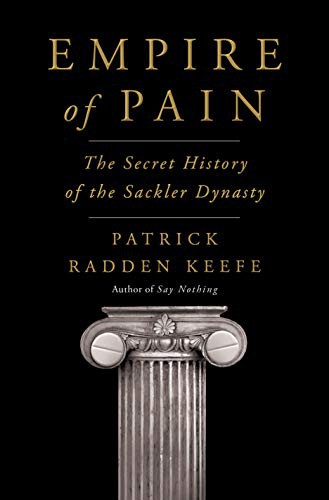
Political violence: the crimes states commit and communities conceal
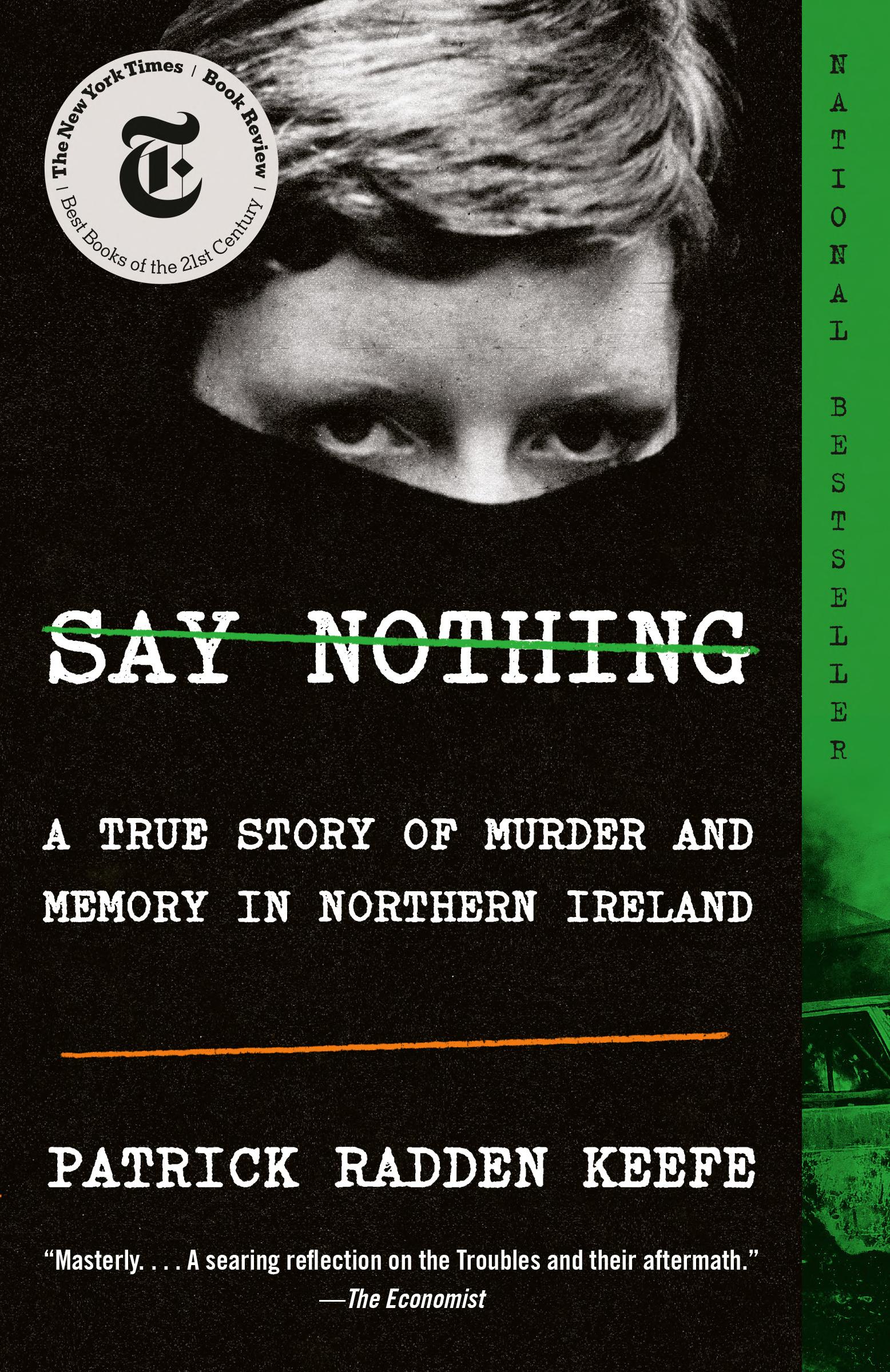
The investigative deep-dive: one crime, fully examined
Who this is for
This list is for readers who want true crime that uses the crime as a lens rather than as entertainment — books that are rigorously reported, compulsively readable, and leave you with a changed understanding of a system rather than just a story. Start with Bad Blood if you want maximum propulsive momentum. For the most important, Empire of Pain. For the most literary, In Cold Blood or Say Nothing. Browse the nonfiction catalogue for more.
Frequently asked questions
Q: What is the best true crime book ever written? A: In Cold Blood by Truman Capote invented the genre and remains the most technically accomplished example. Empire of Pain by Patrick Radden Keefe is the most important recent entry. Say Nothing is the most literary.
Q: What true crime books are most like a thriller? A: Bad Blood by John Carreyrou moves fastest and is the most structurally thriller-like. The Splendid and the Vile by Erik Larson — not true crime but adjacent investigative nonfiction — reads with the same narrative momentum. I Am Pilgrim by Terry Hayes is fiction that reads like true crime.
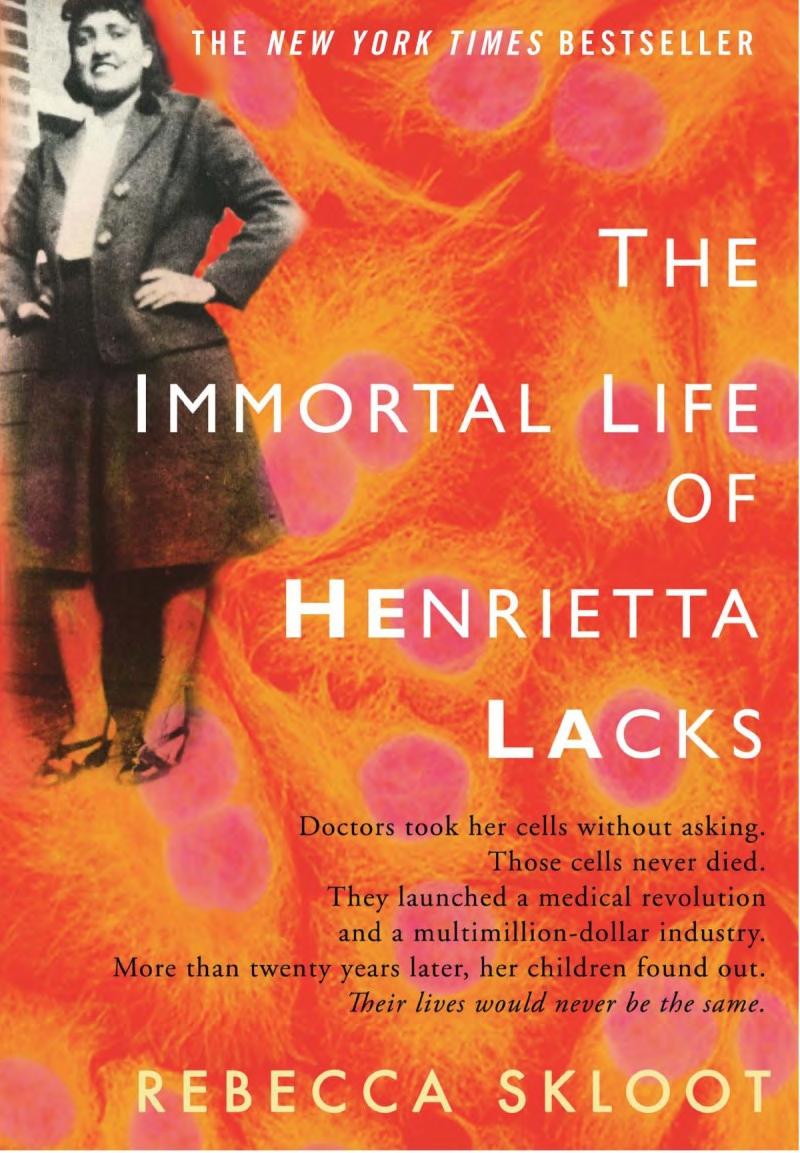
Q: Are there true crime books that are not gruesome? A: Empire of Pain, Bad Blood, and Say Nothing are all serious investigative works without explicit violence or crime scene detail. The horror in them is institutional rather than physical. The Immortal Life of Henrietta Lacks has no violent content at all.
Q: What Patrick Radden Keefe book should I read first? A: Say Nothing is the better starting point — it is shorter, more narratively focused, and gives a complete picture of its subject in a way that Empire of Pain, which spans three generations, takes longer to establish. Both are exceptional.
Not sure which of these is right for you specifically? The Pagesmith quiz matches you to books based on your mood, pacing preference, and reading goals — not bestseller lists. Takes two minutes.