Books like Circe are not simply mythological retellings or feminist fantasy. Miller’s novel works because it takes a character who exists only at the margins of other stories and gives her a complete interior life — centuries of learning, loneliness, and the slow realisation that the power she has spent her life hiding is also the most honest thing about her. Finding books with that specific quality means looking for novels about women who were written by others and are now writing themselves.
Mythological retellings that give women their own stories
These books share Circe’s central project: taking women who existed at the margins of canonical stories and making them the protagonists of their own.
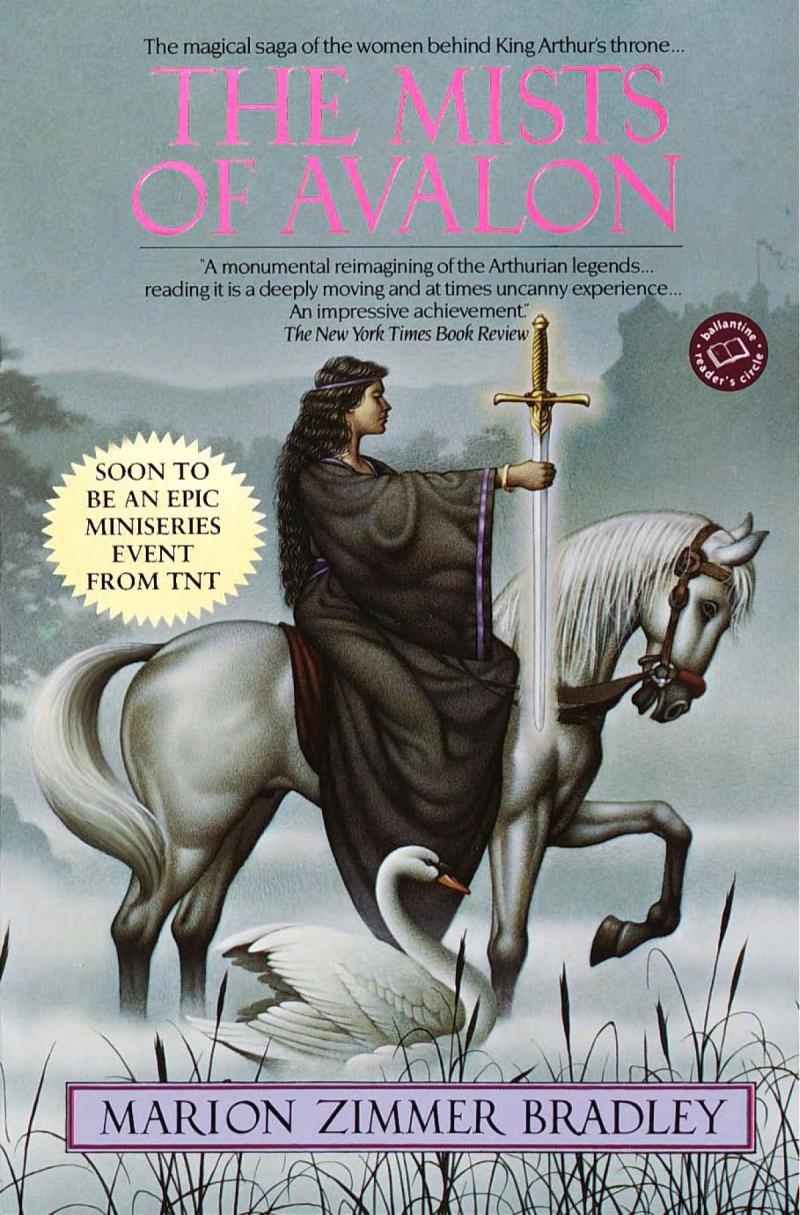
Circe works because Miller takes a character who existed only at the margins of other stories and gives her a complete interior life. That is the specific quality that makes the best mythological retellings more than costume drama.
Literary fantasy with the same quality of female self-discovery
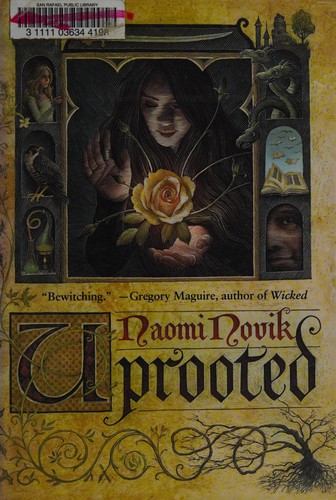
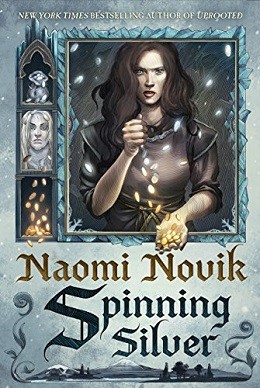
The same lyrical prose and sense of deep time
Who this is for
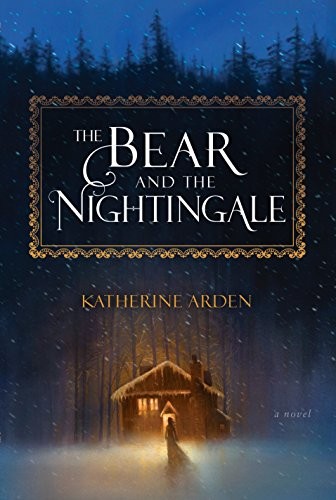
This list is for readers who responded to Circe’s specific combination of mythological setting, female interiority, lyrical prose, and slow discovery of power — not just readers who want mythology or fantasy with a female protagonist. Start with The Song of Achilles for the most direct continuation. Uprooted or Spinning Silver for the same self-discovery arc in a different setting. The Bear and the Nightingale for the same atmospheric density. Browse the fantasy catalogue for more.
Frequently asked questions
Q: What should I read after Circe by Madeline Miller? A: The Song of Achilles by Madeline Miller is the most direct next step — same author, same mythological world, same prose quality. Uprooted by Naomi Novik shares the discovery-of-power arc and the literary fantasy register. The Bear and the Nightingale has the same atmospheric density in a Slavic folkloric setting.
Q: Are there other mythological retellings as good as Circe? A: The Song of Achilles is the most direct comparison. The Mists of Avalon does the same thing for Arthurian legend. For something more recent, A Thousand Ships by Natalie Haynes gives voice to the women of the Trojan War in the same spirit as Miller’s work.
Q: What makes Circe better than other mythological retellings? A: Miller is not interested in retelling the plot of the Odyssey. She is interested in what it would have felt like to be Circe — the loneliness of centuries, the slow acquisition of skill, the specific experience of being underestimated by gods and heroes who have read a different version of your story. That interiority is what separates it.
Q: Is The Song of Achilles similar to Circe? A: Very similar in prose style and mythological setting. The Song of Achilles is more romantically focused and emotionally devastating. Circe is more interested in solitude, power, and self-definition. Both are essential if you love either.
Not sure which of these is right for you specifically? The Pagesmith quiz matches you to books based on your mood, pacing preference, and reading goals — not bestseller lists. Takes two minutes.