The case for romance is simple: it is the only genre that guarantees its reader a specific emotional experience. The happy ending is not a concession to comfort — it is a formal commitment, a promise that the emotional investment will be honoured. The best romance novels understand this and use it. They earn the ending through character and conflict and specificity of feeling, which is harder than it sounds. These are the ones that earn it best.
The classics: romance that defined the genre
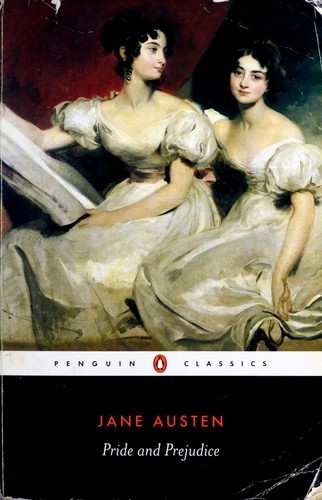
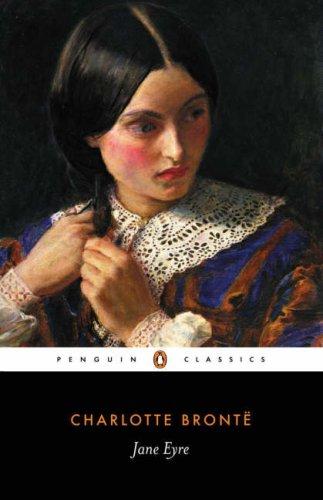
The happy ending is not a concession to comfort — it is a formal commitment, a promise that the emotional investment will be honoured. The best romances earn it.
Contemporary romance: funny, fast, and smart
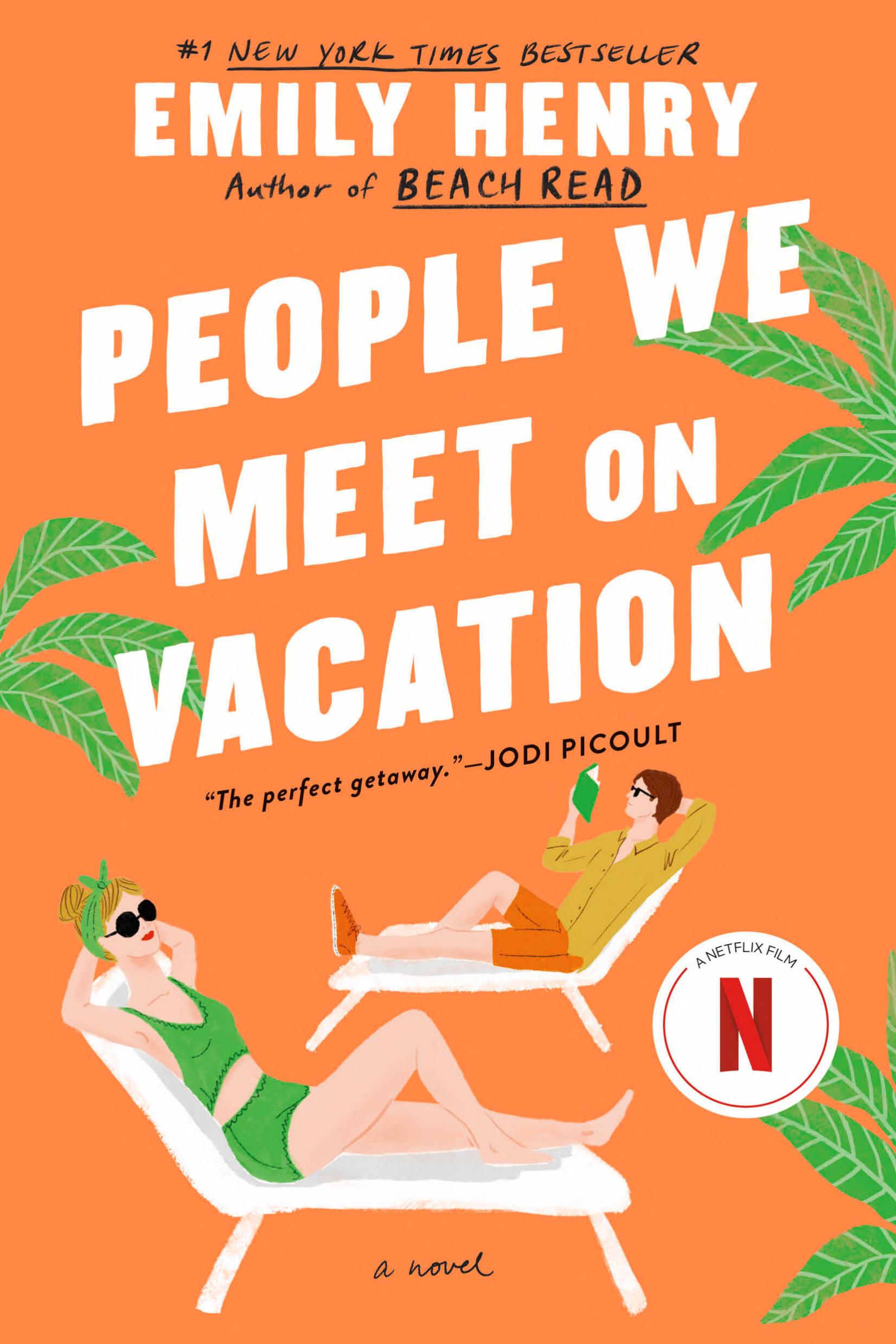
Romance with emotional depth
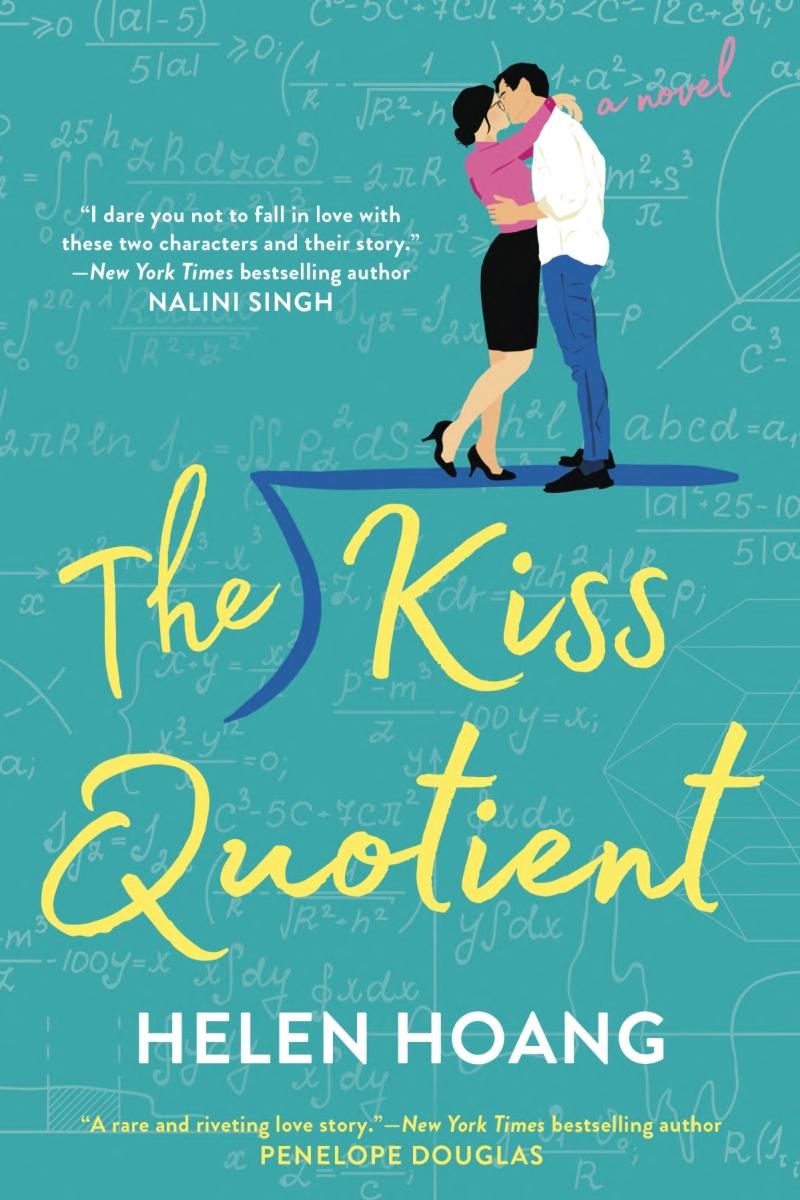
Who this is for
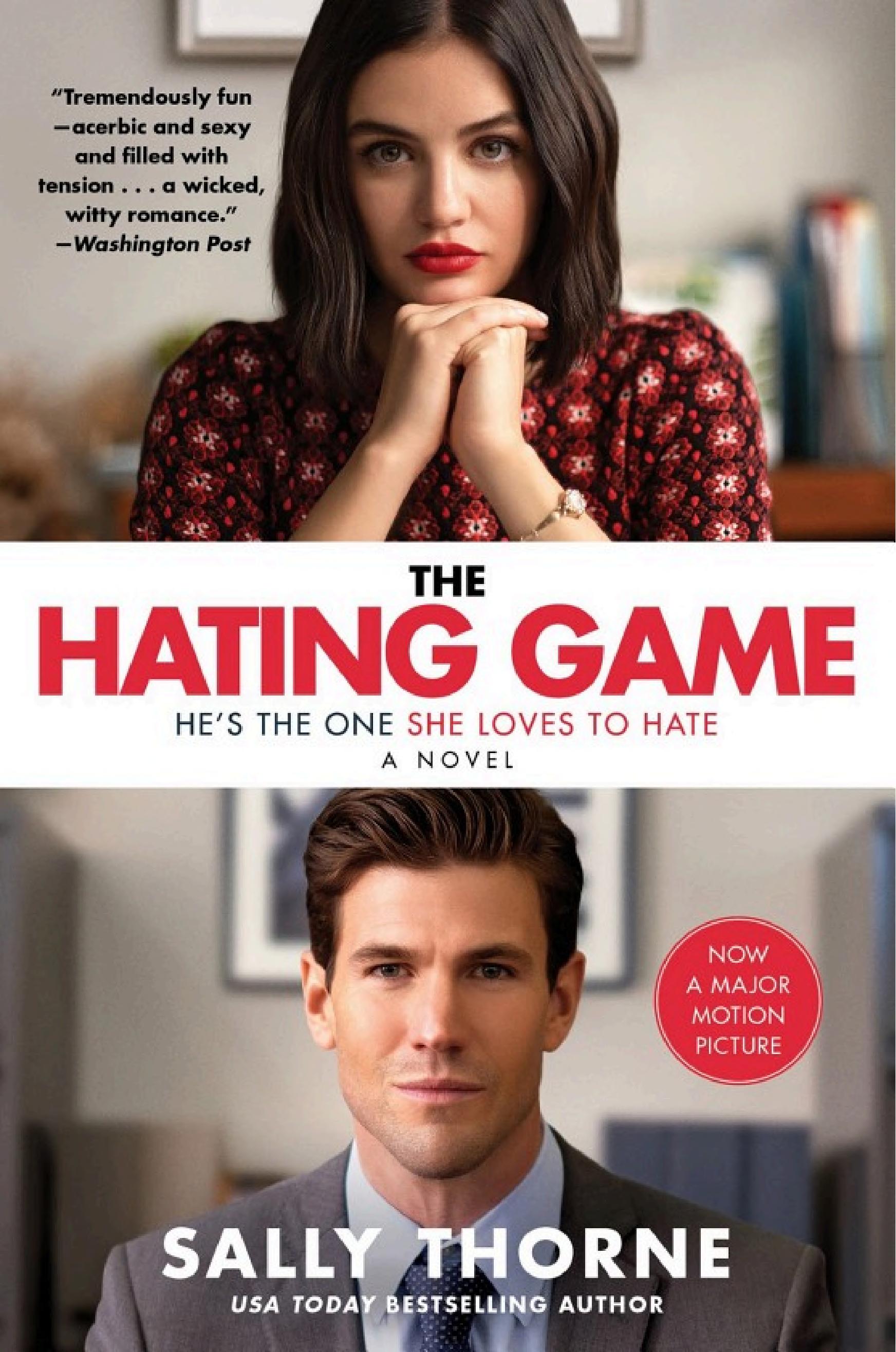
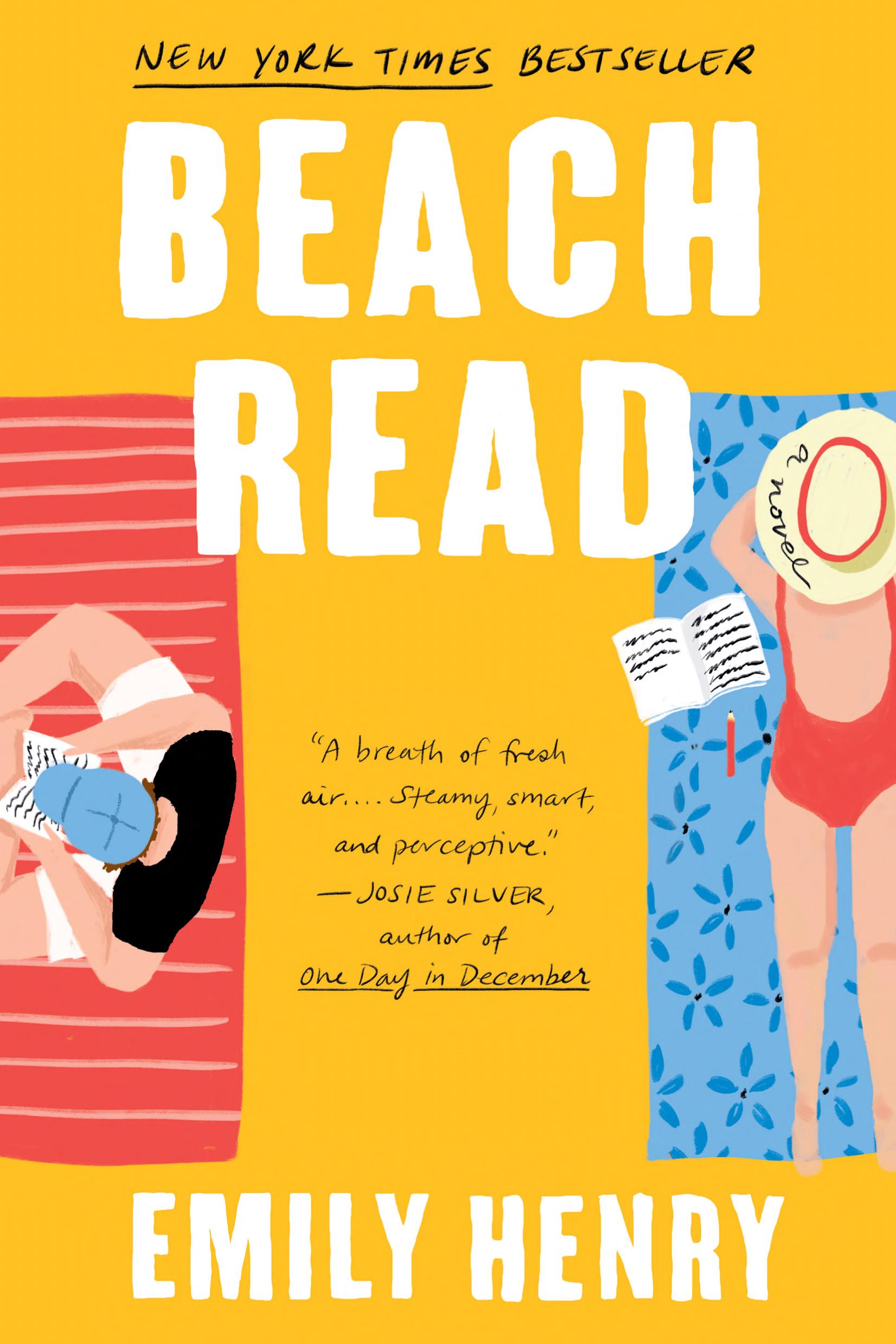
This list covers the full range of romance — from the classics that defined the genre to the contemporary writers doing the most interesting work in it now. If you’re new to romance, start with The Hating Game or Beach Read — both are fast and funny and demonstrate exactly what the genre does well. If you want something more emotionally ambitious, The Kiss Quotient or People We Meet on Vacation. Browse the full romance catalogue for more.
Frequently asked questions
Q: What is the best romance novel ever written? A: Pride and Prejudice is the critical consensus answer, and for good reason — it’s funny, intelligent, and the enemies-to-lovers arc has never been executed with more precision. For contemporary romance, People We Meet on Vacation by Emily Henry is the most emotionally satisfying of the past decade.
Q: What romance novels are good for people who don’t usually read romance? A: Beach Read by Emily Henry is the best entry point — it’s self-aware about the genre, genuinely funny, and has enough substance to satisfy readers who usually want more from fiction. The Hating Game is the most propulsive. Outlander is the most epic.
Q: What are the best romance novels with substance? A: The Kiss Quotient by Helen Hoang takes its characters’ psychology seriously. Outlander by Diana Gabaldon has the scope and ambition of historical fiction. Normal People by Sally Rooney is the most literary treatment of the same emotional territory.
Q: What is the difference between romance and women’s fiction? A: Romance requires a central love story and a happy ending as genre commitments. Women’s fiction focuses on a female protagonist’s journey — which may include romance but doesn’t require the happy ending or make it the structural centrepiece. It Ends with Us by Colleen Hoover sits between the two categories.
Not sure which of these is right for you specifically? The Pagesmith quiz matches you to books based on your mood, pacing preference, and reading goals — not bestseller lists. Takes two minutes.