Horror is the most honest genre in fiction. Every other genre has the option of looking away from what disturbs it most. Horror cannot. The best horror novels are precise about what they’re actually afraid of — not ghosts and monsters in the abstract, but the specific cultural anxieties they embody. Frankenstein is about what happens when science creates without considering consequences. The Shining is about domestic violence and alcoholism wearing a supernatural costume. The best horror tells you what a society is most afraid of, and refuses to let you look away.
The foundational texts
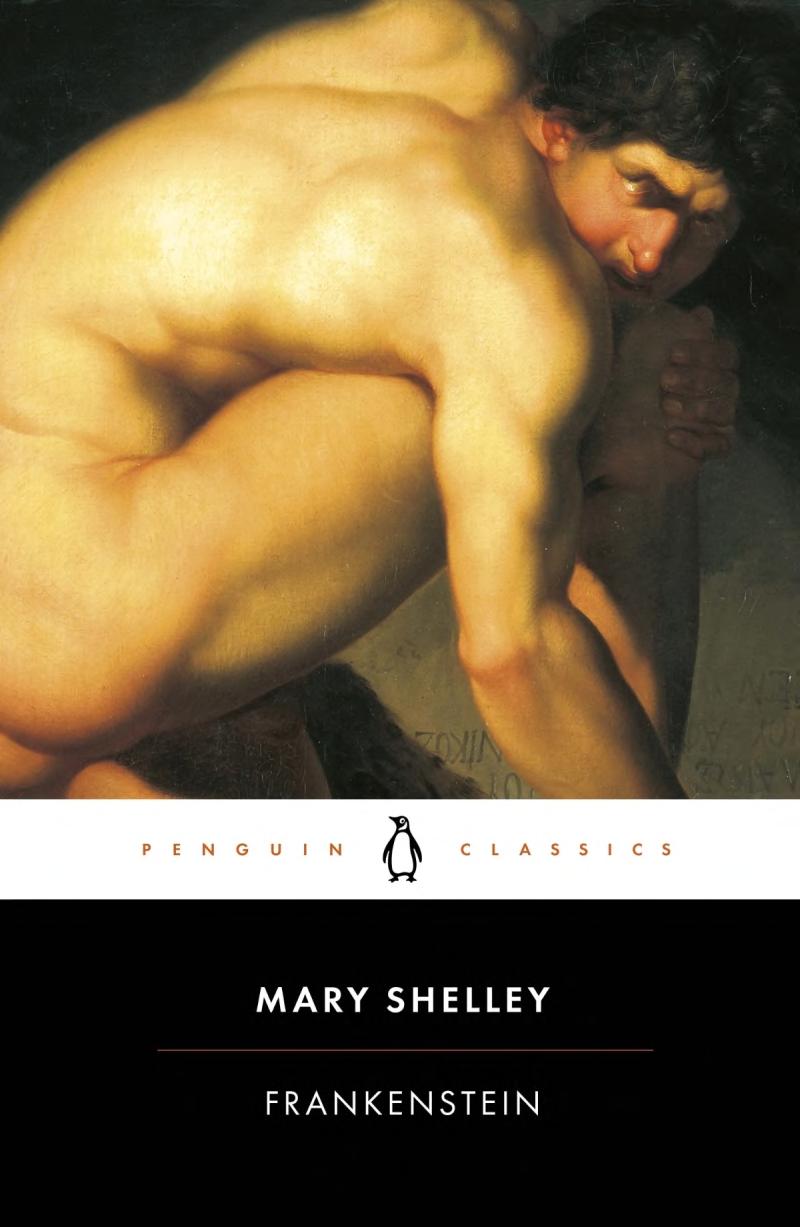
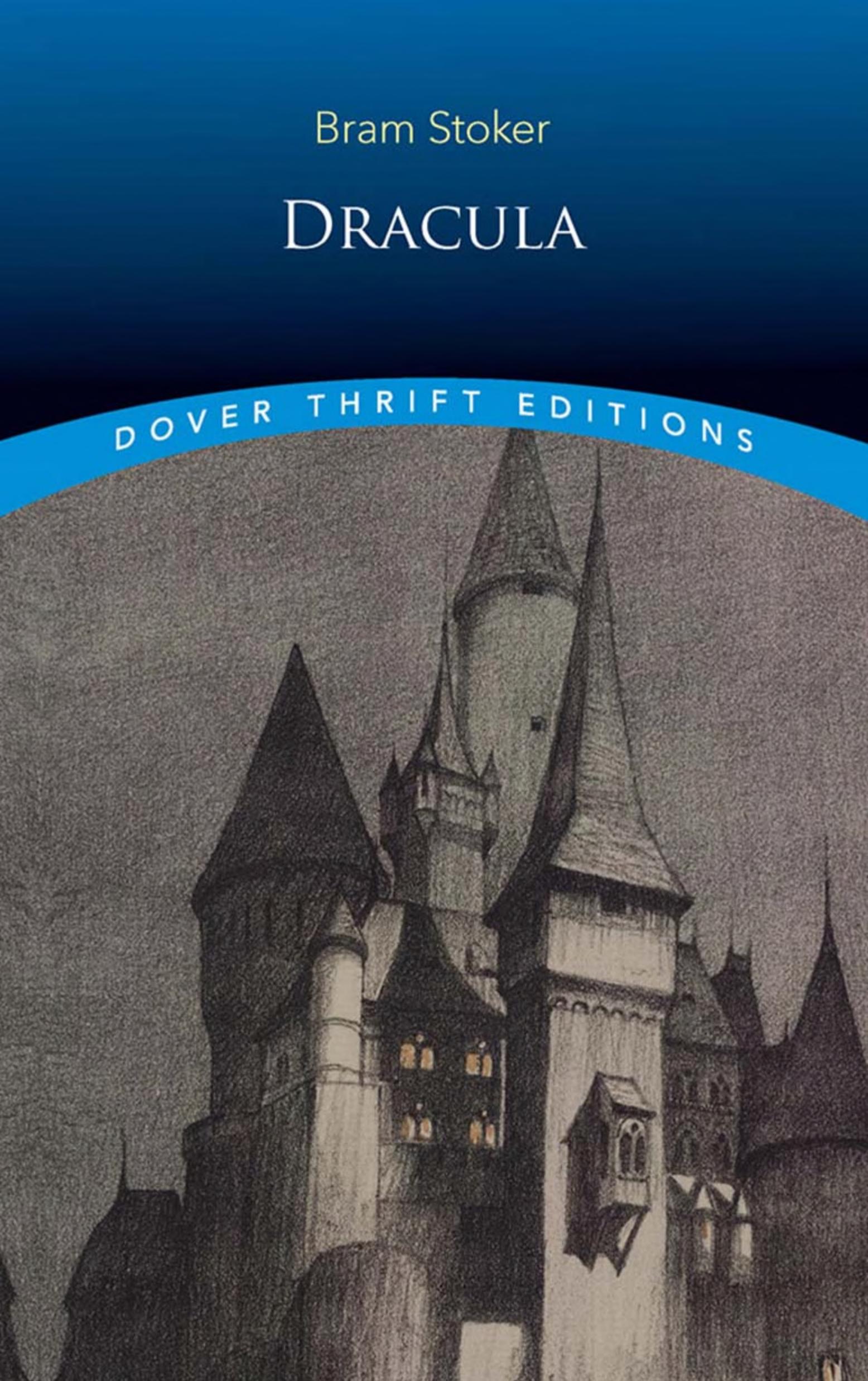
The best horror novels don’t use monsters to frighten you. They use monsters to show you what the culture is actually afraid of — and refuse to let you look away from it.
Psychological horror: the threat from within
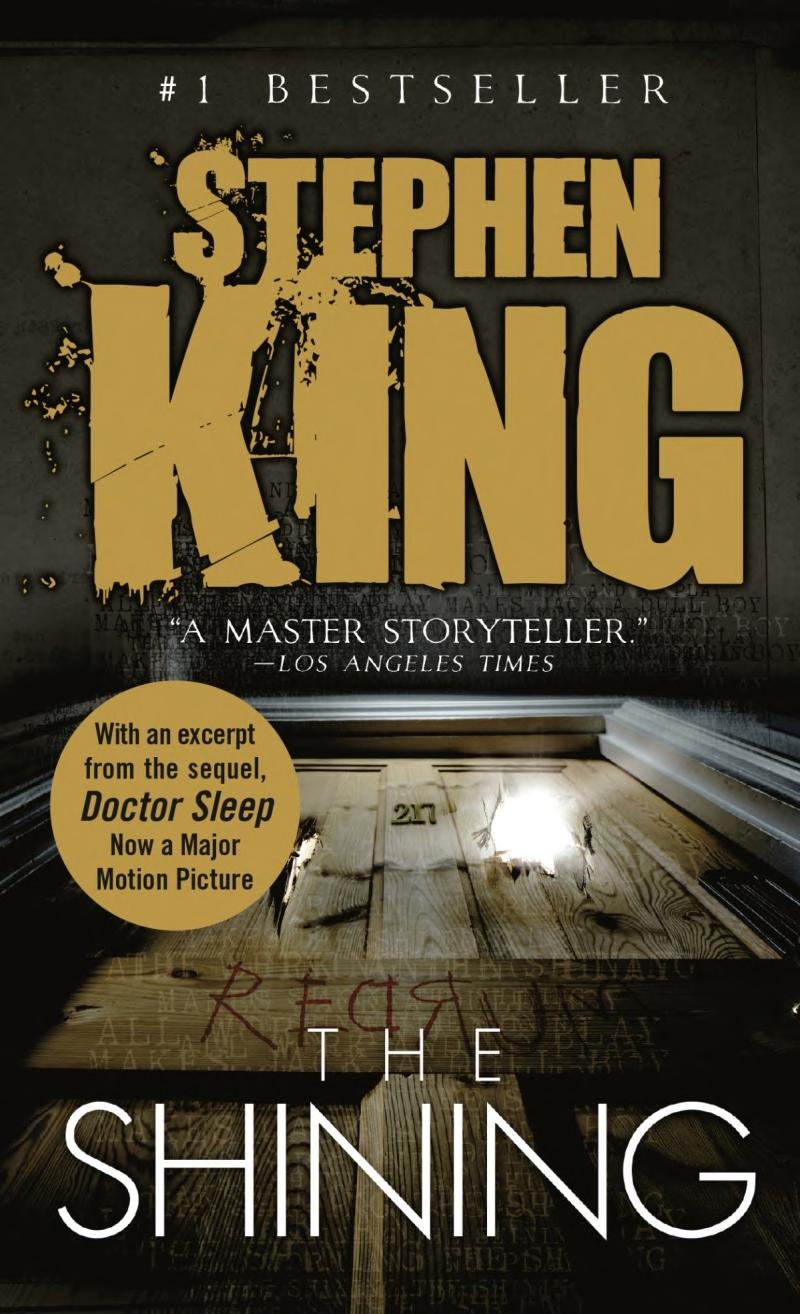
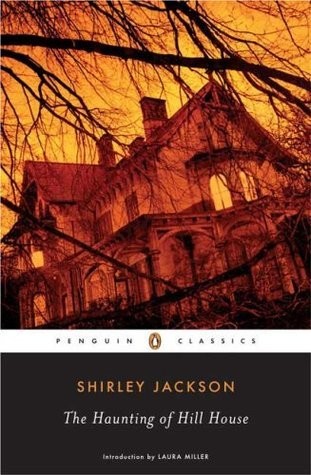
Literary horror: when genre and literature meet

Who this is for
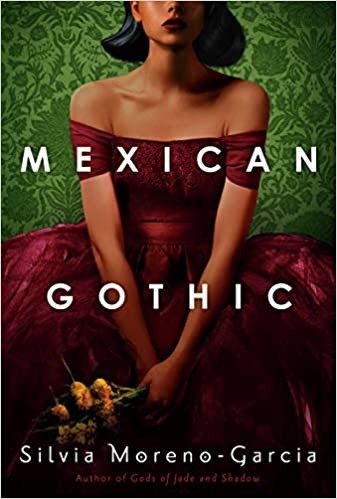
If you’re new to horror, start with The Haunting of Hill House — it demonstrates everything the genre can do at its best without relying on explicit gore. If you want Stephen King, The Shining is the right entry point. If you want something more literary, Mexican Gothic. If you want the most ambitious and experimental horror novel ever written, House of Leaves. Browse the full horror catalogue for more.
Frequently asked questions
Q: What is the scariest horror novel ever written? A: There’s no consensus, but The Haunting of Hill House by Shirley Jackson consistently tops critical lists — not for gore but for the sustained, creeping dread of its prose. House of Leaves is the most unsettling reading experience. It by Stephen King is the most viscerally frightening.
Q: What horror novels are actually good literature? A: Frankenstein is unambiguously canonical literature. The Haunting of Hill House is taught in university literature courses. Mexican Gothic won the Locus Award and was widely reviewed as literary fiction. Rebecca by Daphne du Maurier sits at the intersection of horror, gothic, and literary fiction.
Q: Where should I start with Stephen King? A: The Shining is the critical consensus best starting point — it demonstrates everything King does well (character, psychological depth, genuine terror) without the length of It or The Stand. Pet Sematary is shorter and arguably his most disturbing novel.
Q: Is horror good for people who don’t usually like scary books? A: Gothic horror — Rebecca, The Haunting of Hill House, Mexican Gothic — operates more on atmosphere and dread than on explicit fright. These are accessible to readers who find pure horror too intense. The Silence of the Lambs is more thriller than horror and is an excellent crossover point.
Not sure which of these is right for you specifically? The Pagesmith quiz matches you to books based on your mood, pacing preference, and reading goals — not bestseller lists. Takes two minutes.