The best historical fiction novels earn their setting. The history is not backdrop — it is the argument. Wolf Hall couldn’t be set anywhere but Tudor England because Hilary Mantel’s subject is the specific texture of how power operates in that world. All the Light We Cannot See couldn’t be set at any time but the Second World War because Doerr’s question is what beauty and hope mean in the presence of maximum destruction. The period is the point. That’s the test: if you could remove the history and the novel would still work, it isn’t really historical fiction. It’s a costume drama.
War and its cost
The best war novels in the historical fiction tradition don’t glorify or sentimentalise. They account.
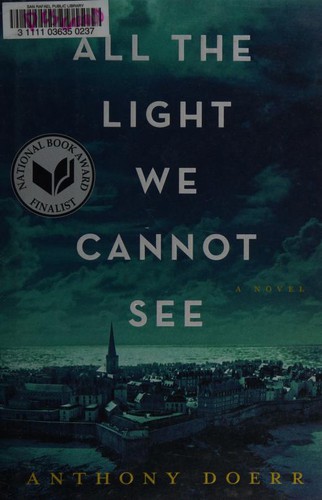
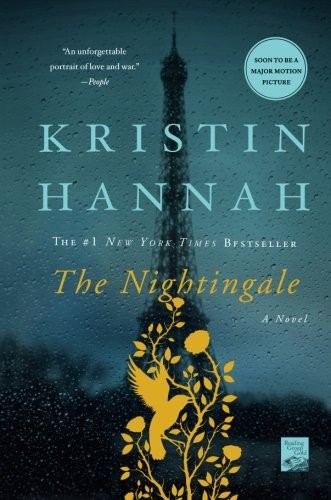
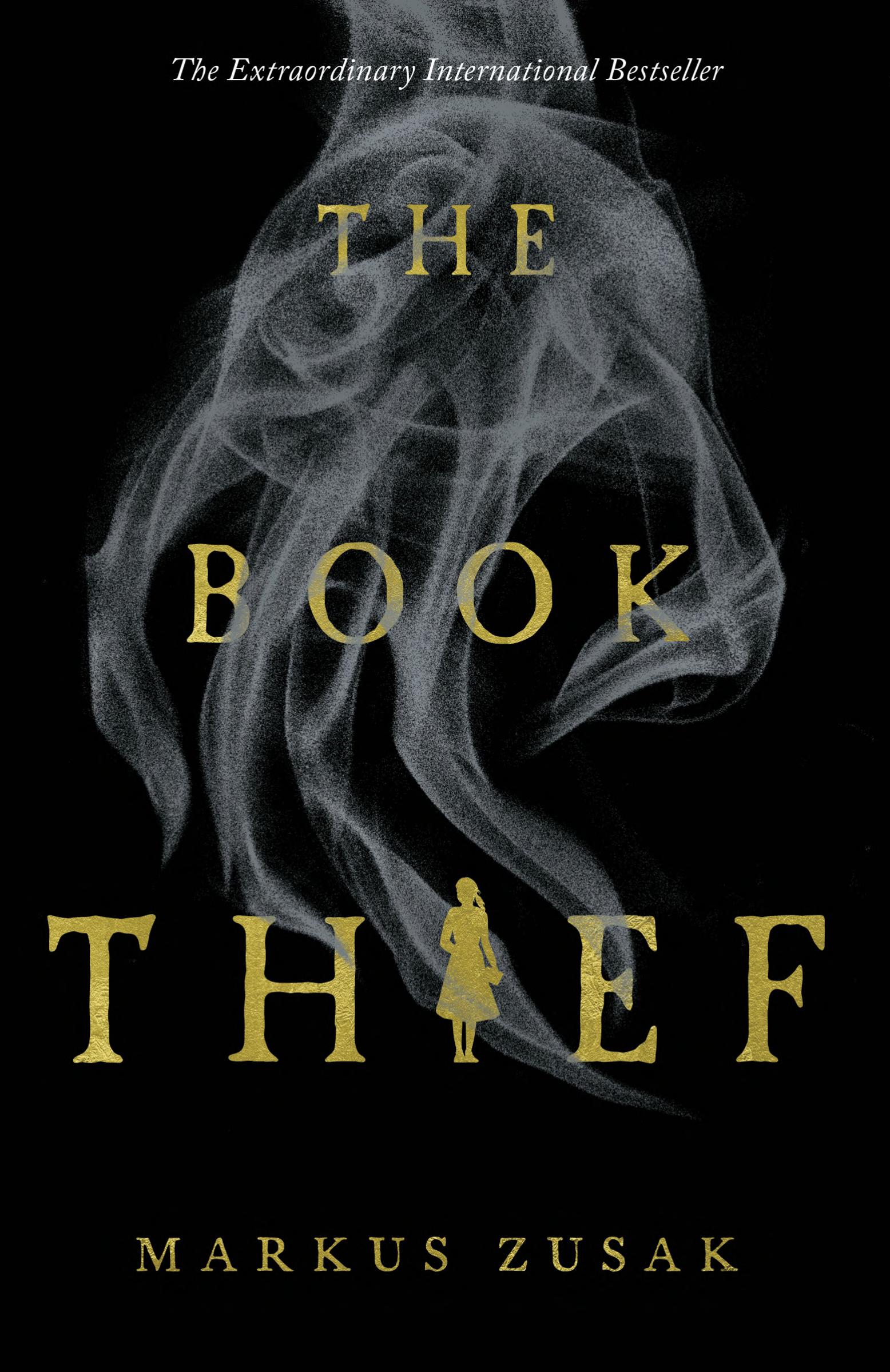
The test for great historical fiction: if you could remove the history and the novel would still work, it isn’t really historical fiction. The period must be the point.
Power and politics across time
Multigenerational and epic scope
Who this is for
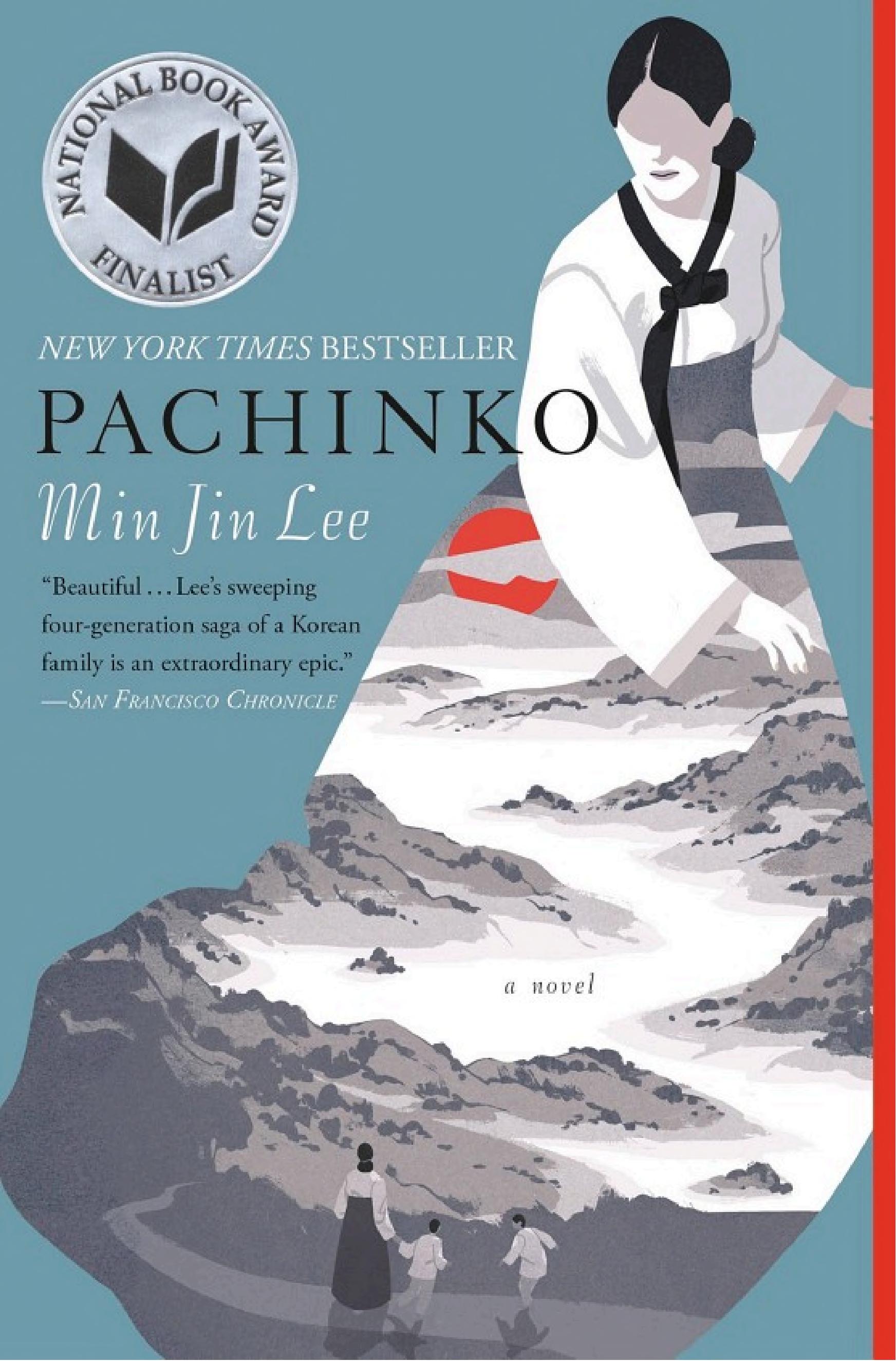
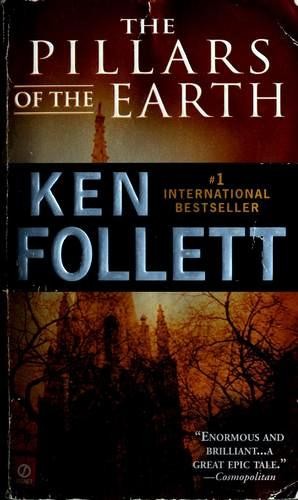
If you want accessible, emotionally powerful historical fiction, start with The Nightingale or The Book Thief. If you want the most demanding and rewarding, Wolf Hall. If you want epic sweep across generations, Pachinko or The Pillars of the Earth. Browse the full historical fiction catalogue for more.
Frequently asked questions
Q: What is the best historical fiction novel ever written? A: Wolf Hall by Hilary Mantel is the most critically acclaimed. All the Light We Cannot See won the Pulitzer Prize and is the most widely read. They’re very different books — Mantel is dense and demanding, Doerr is more immediately accessible.
Q: What historical fiction should I start with? A: The Nightingale by Kristin Hannah is the most accessible starting point — emotionally powerful, fast-paced, and set in familiar twentieth-century history. The Book Thief is shorter and equally readable. Both are ideal first historical fiction novels.
Q: Is Pachinko historical fiction? A: Yes. It spans Korea and Japan from the early twentieth century through the 1980s, and the historical context — Japanese colonialism, the Korean diaspora, discrimination — is inseparable from the story. It’s one of the finest examples of multigenerational historical fiction published in recent years.
Q: What historical fiction is similar to Outlander? A: For the same combination of adventure, romance, and meticulous period detail, try The Pillars of the Earth by Ken Follett (medieval England) or The Thorn Birds by Colleen McCullough (twentieth-century Australia). Both have the same epic scope and emotional investment.
Not sure which of these is right for you specifically? The Pagesmith quiz matches you to books based on your mood, pacing preference, and reading goals — not bestseller lists. Takes two minutes.