The Best Romantic Comedy Novels That Actually Deliver on Both
The romantic comedy novel succeeds when the comedy and the romance are structurally inseparable -- when the same thing that makes the book funny is also what makes the relationship difficult. These are the books that actually deliver both without sacrificing either.
June 2026 · 8 min read · The Pagesmith
The romantic comedy has a structural problem: the comedy and the romance tend to work against each other. Push the comedy far enough and the characters become too absurd for the romance to feel real. Push the romance far enough and the comedy curdles into filler between the emotional beats. The best romantic comedy novels solve this problem by making the comedy and the romance structurally inseparable — by ensuring that the thing making the reader laugh is also the thing making the relationship difficult, which means the comedy deepens the romance rather than interrupting it. Bridget Jones’s diary entries are funny because she is oblivious to what the reader can see about Darcy; they are also the record of how her obliviousness keeps her from what she actually wants. The two elements are the same element. The books here all achieve that integration.
What the Best Romantic Comedies Actually Do
The failure mode for romantic comedy is the comedy-shaped placeholder: the witty banter, the misunderstanding, the embarrassing situation that delays the inevitable resolution without being connected to the characters’ actual emotional difficulty. The best rom-coms avoid this by grounding the comedy in character: the humor emerges from who these specific people are and how they specifically misunderstand each other, which means the comedy is doing the same work as the romance rather than resting between its beats. The Rosie Project is funny because Don Tillman’s systematic approach to finding a partner is both genuinely comic and genuinely coherent within his own psychology — which is also the thing that makes the romance complicated and ultimately real.
The best romantic comedies are not funny books with romance added. They are books where the same quality of a character that makes the reader laugh is also the quality that makes the relationship genuinely difficult — which means every joke is also a revelation.
The Books
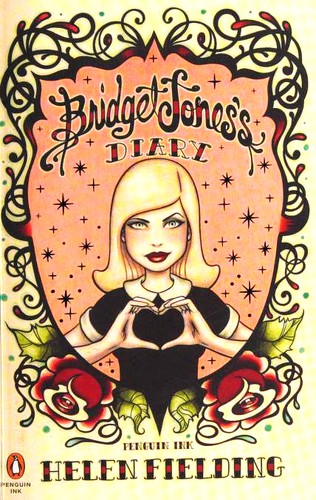
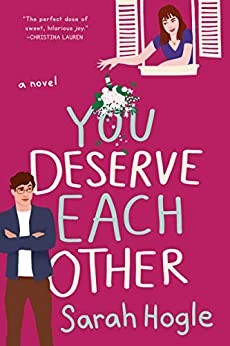
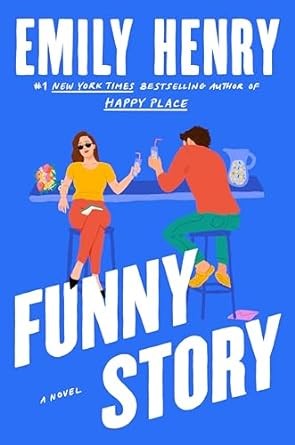
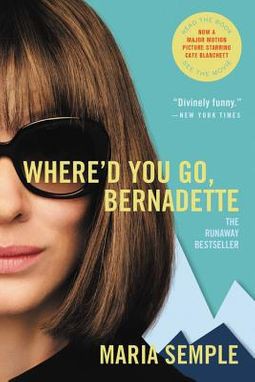
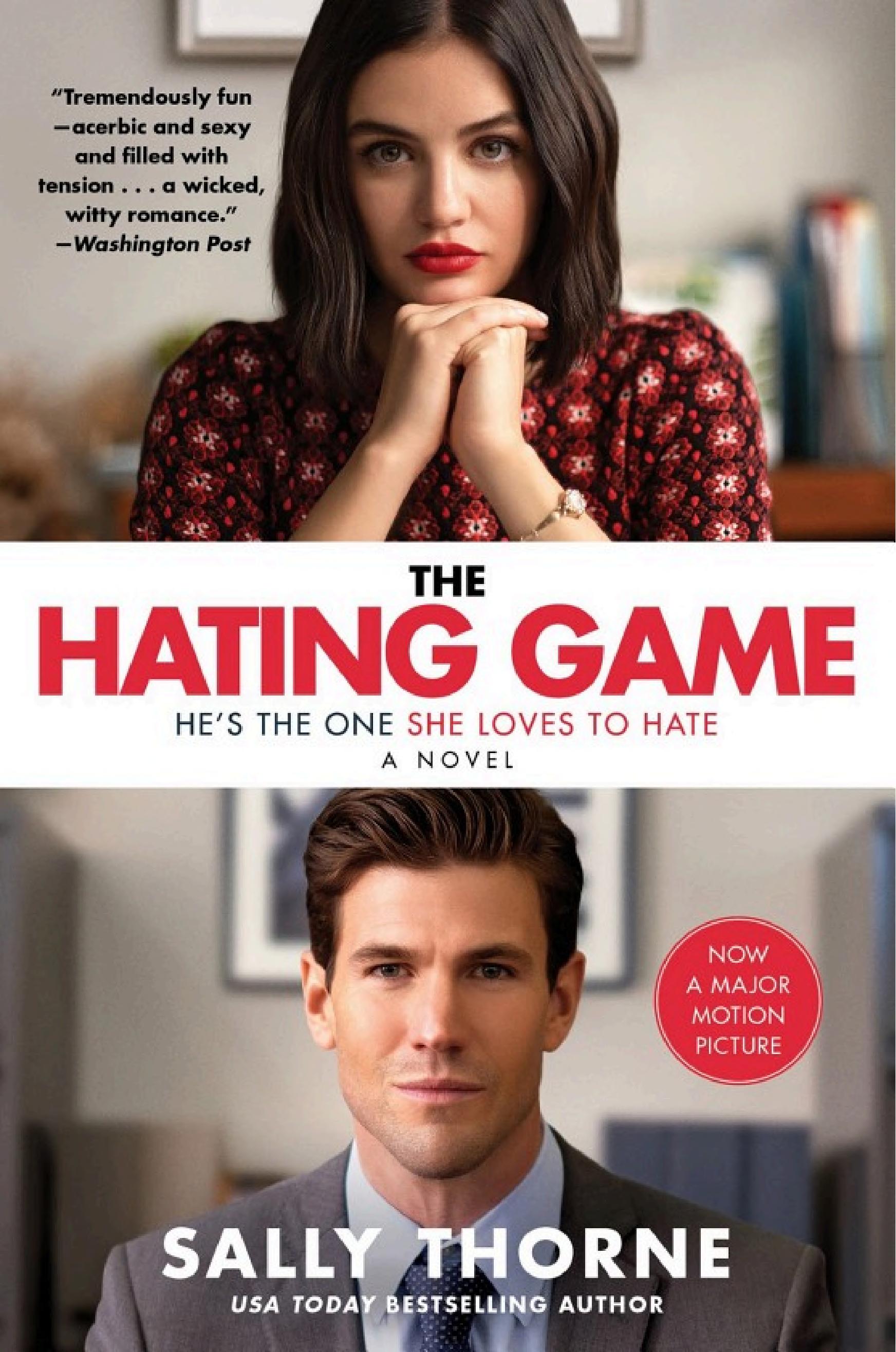
Bridget Jones’s DiaryHelen FieldingThe foundational contemporary romantic comedy novel, and the one that established the template that most subsequent rom-coms follow: a first-person narrator whose gap between self-perception and reality is both the source of the comedy and the obstacle to the romance. Bridget’s diary entries are funny because she cannot see what the reader can see; they are also the record of a woman who genuinely cannot yet locate what she wants behind the smokescreen of what she thinks she should want. Fielding’s specific formal insight — the diary format, which gives Bridget full access to her own thoughts and complete blindness to her own patterns — is the most efficient romantic comedy structure invented since Austen. The direct ancestor of every warm, funny, first-person contemporary romance published in the past thirty years. The Rosie ProjectGraeme SimsionSimsion’s novel achieves the romantic comedy’s structural ideal: the comedy comes entirely from Don Tillman’s way of engaging with the world, and that same way of engaging with the world is precisely what makes the romance complicated and ultimately meaningful. The Wife Project — Don’s systematic attempt to find a compatible partner using a questionnaire designed to eliminate all unsuitable candidates — is as funny as it sounds and as internally coherent as Don himself, which is the combination the best romantic comedy requires. The novel does not ask the reader to laugh at Don; it invites the reader to understand him, and understanding him is what makes the romance feel real rather than comic. The most technically precise romantic comedy on this list. You Deserve Each OtherSarah HogleHogle’s debut uses the most unexpected structure in the romantic comedy genre: an already-engaged couple who are miserable together, where whoever calls off the engagement first has to pay for the very expensive wedding they have planned. The escalating war of psychological sabotage that follows is extremely funny and organized entirely around the same problem that is also the romance: two people who love each other but cannot figure out how to say so, deploying every strategy except the honest one. Hogle sustains the comedy across the full length without it depleting — the escalation keeps pace with the reader’s growing investment in the relationship — and the emotional payoff is earned because the comedy has been doing the romance’s work all along. Funny StoryEmily HenryHenry’s 2024 novel uses a premise that is a romantic comedy setup compressed into a single sentence: Daphne’s fiance left her for his childhood best friend, and she ends up as roommates with that best friend’s ex. The comedy of the situation is real — Henry writes the specific absurdity of two people united by the same romantic failure with genuine wit — but the novel is organized around what the absurdity reveals about both of them rather than simply deploying it as a premise. Daphne’s guardedness and Miles’s apparent lightness are both responses to specific things that happened to them, and Henry is interested in what it takes to move from the comedy of the situation to something real. The most emotionally intelligent of Henry’s novels and the one where the wit and the feeling are most thoroughly integrated. Where’d You Go, BernadetteMaria SempleThe novel on this list where the comedy is sharpest and the romance most oblique — Semple is primarily interested in Bernadette as a character rather than in any romantic arc, and the comedy of the Seattle tech culture, the school fundraiser emails, and Bernadette’s agoraphobic misanthropy is some of the most precisely observed in contemporary fiction. The romantic element is the marriage between Bernadette and her husband Elgie, and Semple treats the specific difficulty of a long marriage between two very different people with the same comic precision she brings to everything else. Included here because the epistolary format and the comedy-of-character approach are the same formal tools the best romantic comedies use, applied to a more complex domestic situation. The Hating GameSally ThorneThe enemies-to-lovers workplace romance executed as pure genre pleasure: Lucy and Joshua are executive assistants to co-CEOs who hate each other, which means Lucy and Joshua are forced into daily proximity and maximum mutual irritation. Thorne writes the enemies dynamic with more genuine psychological investment than most — the specific quality of mutual intense attention that enemies-to-lovers requires is rendered as something real rather than as romantic-comedy shorthand — and the comedy of the workplace setting is used to produce genuine character revelation rather than simply comic situations. The most genre-committed entry on this list and the most reliable recommendation for readers who want the enemies-to-lovers experience in its purest contemporary form. Who This Is For
Readers who want romantic comedies that are genuinely funny and genuinely romantic without sacrificing one for the other — who have been disappointed by rom-coms that are warm but not funny, or funny but thin on emotional substance. Also readers who are new to the romance genre and want a starting point that demonstrates what the form can do at its best. The contemporary catalogue has more in this direction.
Frequently asked questions
Q: What is the enemies-to-lovers trope and why is it so popular?
A: Enemies-to-lovers is a romantic comedy structure in which two people who initially dislike each other develop a romantic attachment through sustained proximity. Its popularity comes from the specific quality of romantic tension it produces: two people who are paying close attention to each other for adversarial reasons develop an intensity of mutual attention that is the same structure as attraction, and the reader watches the conversion happen. The Hating Game is the purest contemporary example; Pride and Prejudice is the canonical ancestor.
Q: How is The Rosie Project different from a book that makes fun of autistic people?
A: Simsion writes Don from the inside rather than from a position of external observation, which means the comedy comes from understanding Don’s perspective rather than from mocking it. Don’s methods are internally coherent and his observations about neurotypical social behavior are often more accurate than the behavior itself. The novel has been discussed in both directions — some autistic readers find it an accurate and affectionate portrait, others find it reductive — and Simsion has discussed the representation thoughtfully in subsequent interviews.
Q: Is Bridget Jones’s Diary still funny to contemporary readers?
A: The specific 1990s cultural references date the novel without diminishing it, and the comedy of Bridget’s gap between self-perception and reality is as legible today as it was in 1996. The romantic resolution may feel anticlimactic to readers expecting more emotional depth; Fielding’s interest is in the comedy rather than the romance, and the emotional weight arrives in the film adaptation rather than the novel. Read it for the comedy; it delivers.
Q: What should I read after Funny Story if I want more Emily Henry?
A: Beach Read is Henry’s debut — a writer’s-block romance between two novelists with opposing aesthetics — and the book most readers point to as the one that made them love her. Book Lovers applies the same wit to a love-of-books premise. Happy Place is her most emotionally ambitious. All three deliver the same combination of sharp comedy and genuine emotional intelligence that makes Funny Story work.
Not sure which of these is right for you specifically? The Pagesmith quiz matches you to books based on your mood, pacing preference, and reading goals, not bestseller lists. Takes two minutes.