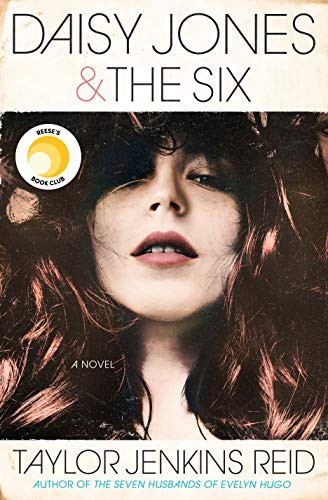
Daisy Jones & The Six isn’t really a music novel. It’s a novel about how people remember the same events differently, how stories get revised by the people who lived them, and how the most glamorous moments of a life contain the most private pain. The format — the oral history, the unreliable chorus of voices — is doing real work. Finding books that replicate it means finding books that use the same tricks: multiple perspectives, gaps in the record, and the feeling of reconstructed truth.
The same format: oral history and multiple voices
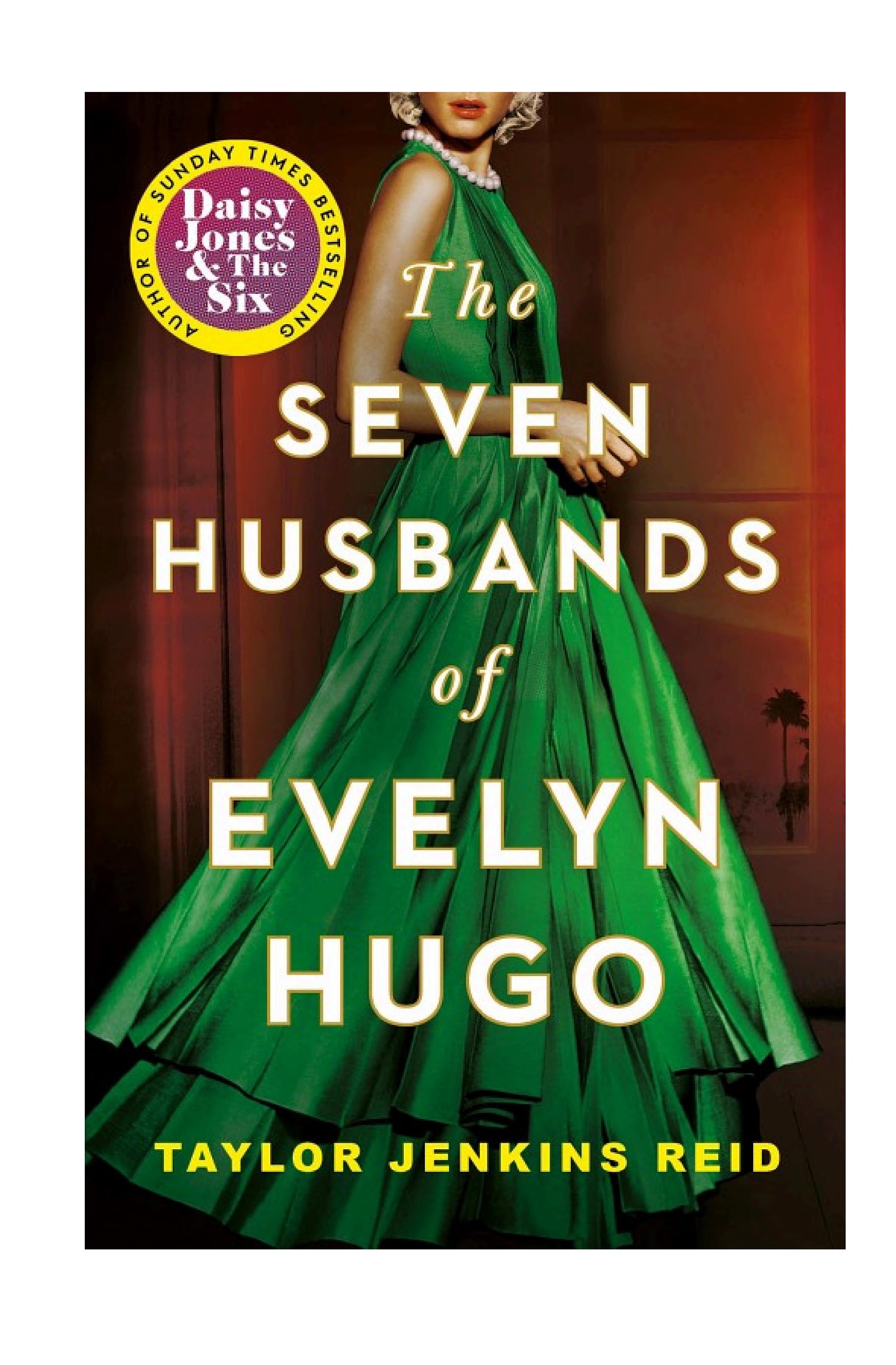
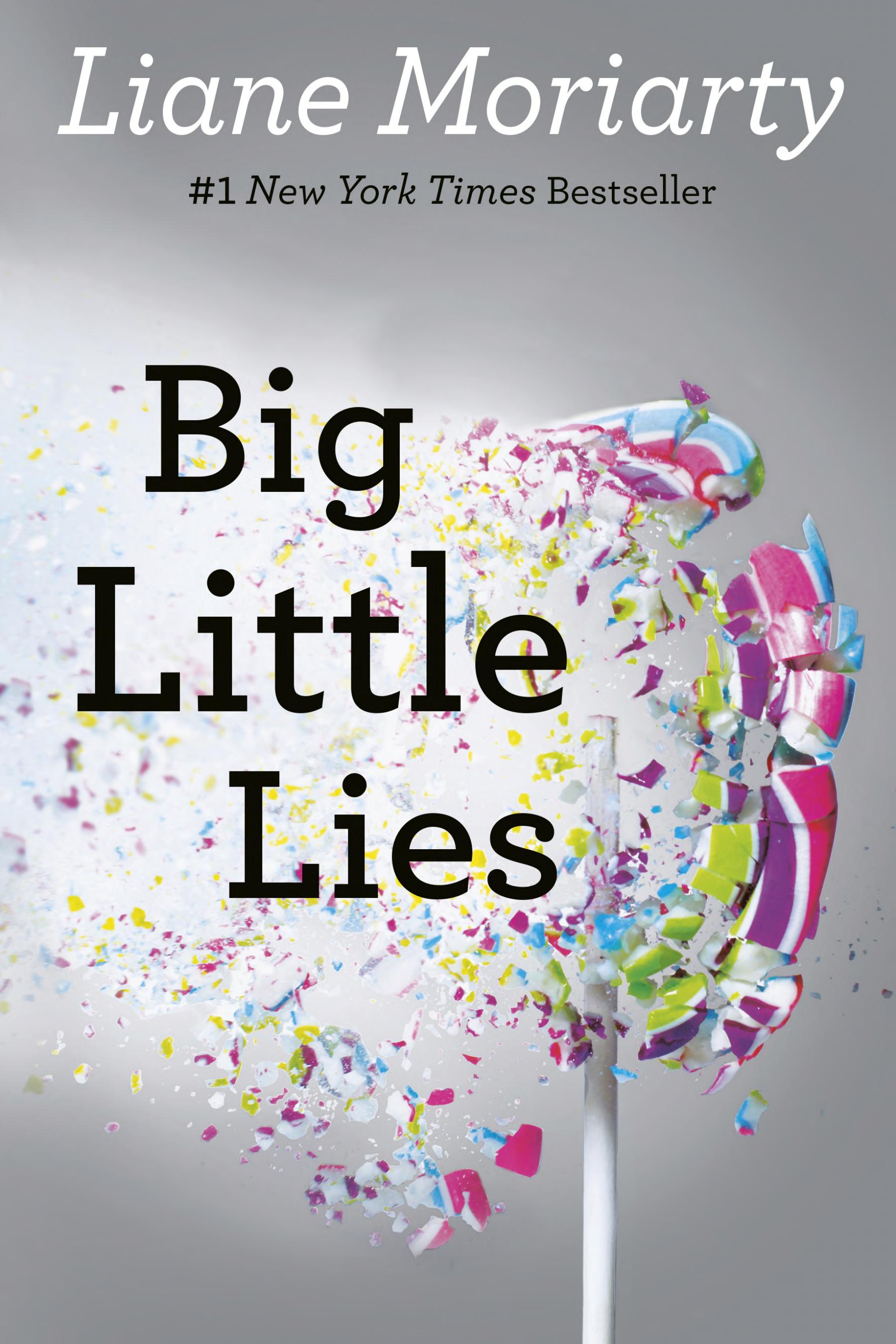
Daisy Jones works because of what it leaves out. The oral history format makes absence as powerful as presence — what people don’t say tells you more than what they do.
The same world: glamour, excess, and what it costs
The same emotional register: love that can’t be named
What drives Daisy Jones is the relationship between Daisy and Billy — a love that both of them refuse to define, which makes it more powerful than anything named. These books have the same quality.
Who this is for
This list is for readers who loved the oral history format of Daisy Jones and want more of it, and for readers who loved the emotional register — the love that doesn’t get named, the creative partnership that becomes something more complicated. Start with The Seven Husbands of Evelyn Hugo for the most direct equivalent. Browse contemporary fiction for more in this vein.
Frequently asked questions
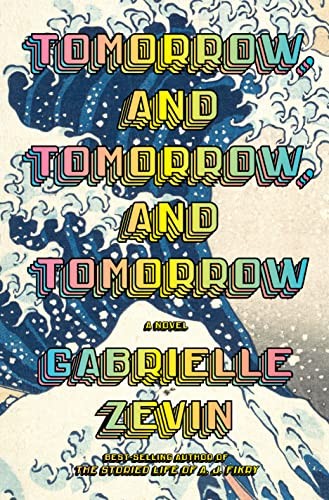
Q: What should I read after Daisy Jones and the Six? A: The Seven Husbands of Evelyn Hugo by Taylor Jenkins Reid is the most direct follow-up — same author, same retrospective structure, same gap between public image and private truth. Tomorrow, and Tomorrow, and Tomorrow by Gabrielle Zevin is the best novel about creative partnership that came after.
Q: Are there other books written in oral history format? A: Daisy Jones popularised the format in commercial fiction, but oral history has a long tradition in literary fiction. World War Z by Max Brooks uses it for horror. The Remains of the Day uses a related retrospective unreliable-narrator structure. Big Little Lies uses witness statements in a similar way.
Q: Is Daisy Jones based on a real band? A: No, it’s fictional, though the 1970s rock world is drawn with enough specificity that Fleetwood Mac is the most obvious real-world parallel. Taylor Jenkins Reid has confirmed Stevie Nicks and Lindsey Buckingham as partial inspirations for Daisy and Billy.
Q: What books are similar to The Seven Husbands of Evelyn Hugo? A: Daisy Jones & The Six is the most structurally similar — same author, same retrospective format. For other glamorous, emotionally ambitious novels set in the entertainment world, Conversations with Friends by Sally Rooney has the same intensity if not the same setting.
Not sure which of these is right for you specifically? The Pagesmith quiz matches you to books based on your mood, pacing preference, and reading goals — not bestseller lists. Takes two minutes.