Books like Daisy Jones and the Six are harder to find than most recommendations suggest because the oral history format is the novel’s central achievement, not just its style. By giving every character a different account of the same events, Reid makes the reader the investigator — triangulating the truth from conflicting testimony, noticing what each narrator emphasises and what they cannot bring themselves to say. Several novels share the emotional territory of creative partnerships, retrospective love stories, and the specific grief of something brilliant that could not last.
Books with the same retrospective love story
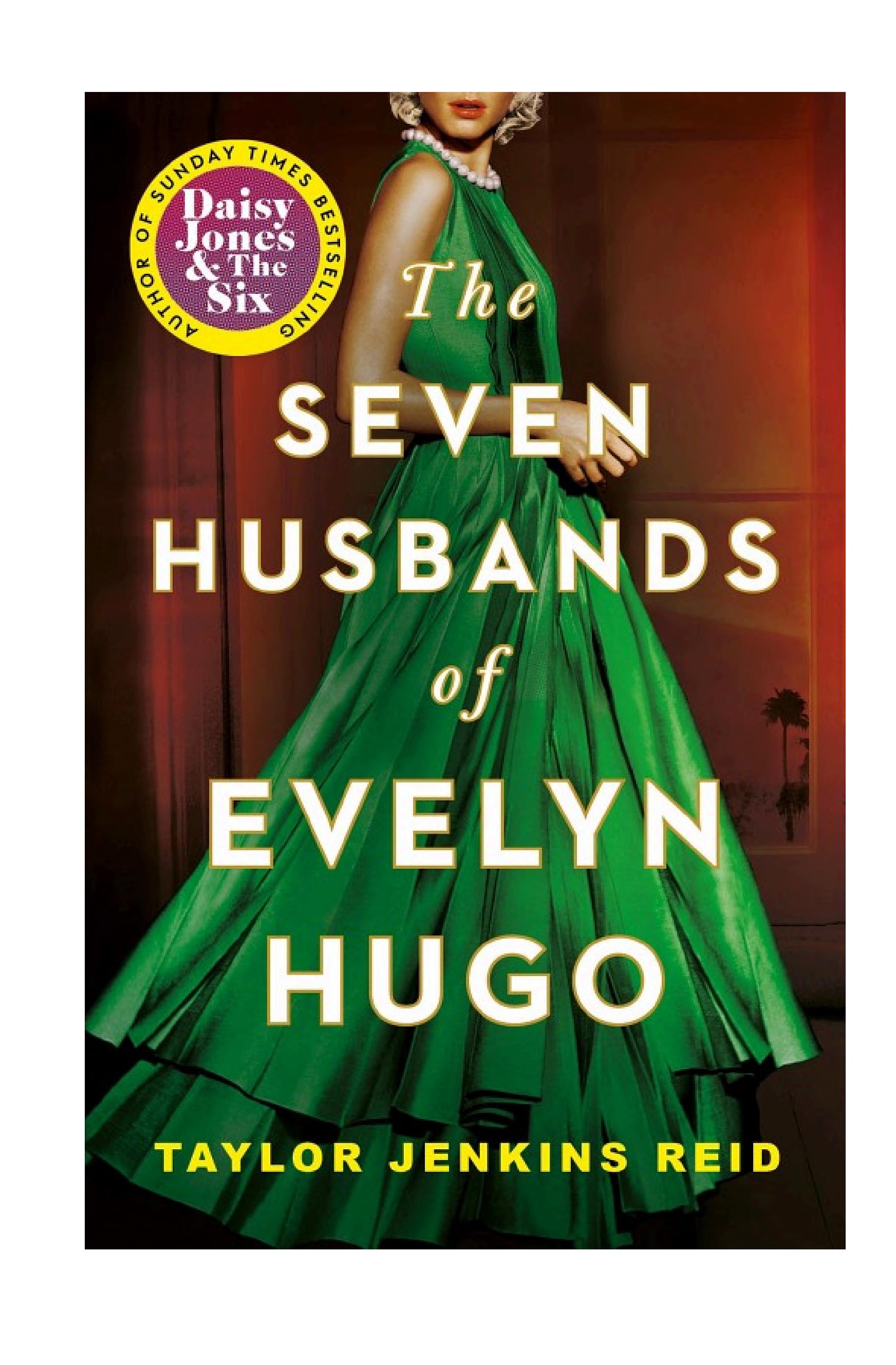
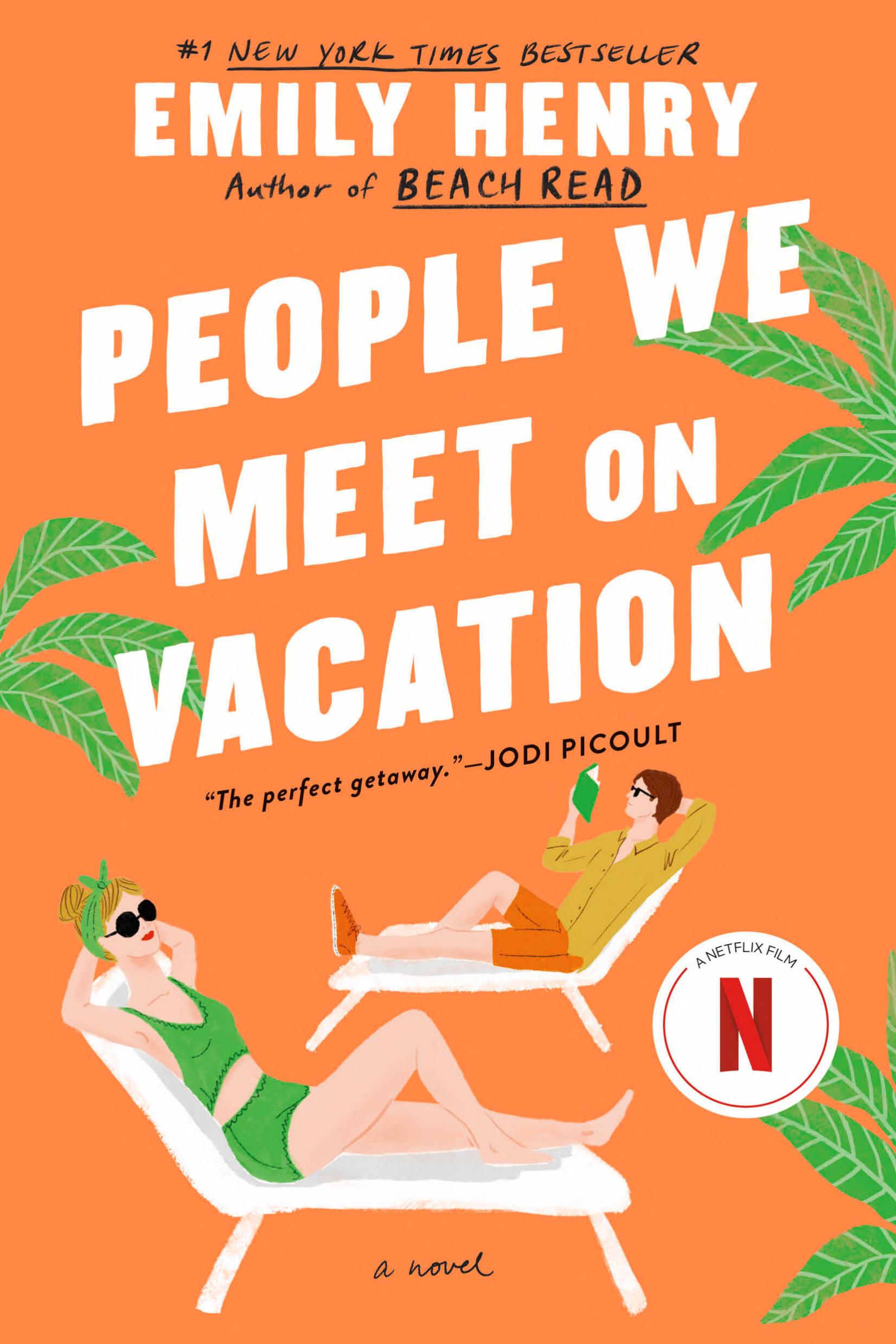
Daisy Jones works because the oral history format makes every narrator unreliable — and the truth emerges from the contradictions. That quality of a story told by people who could not agree on what it meant is what makes it more than a music novel.
Books with the same creative partnership dynamic
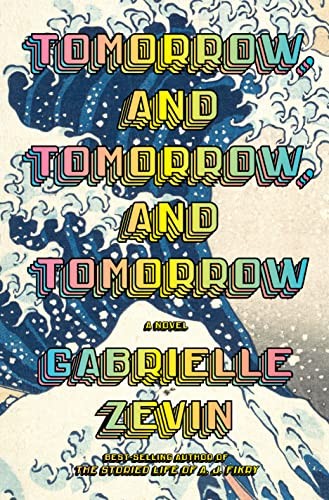
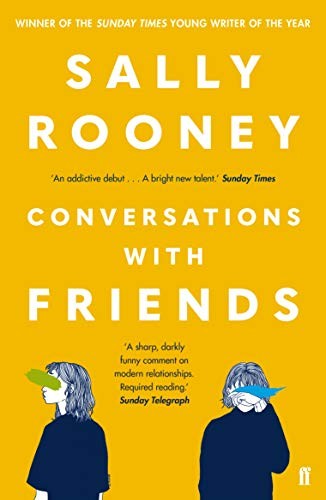
Books with the same music world and emotional register

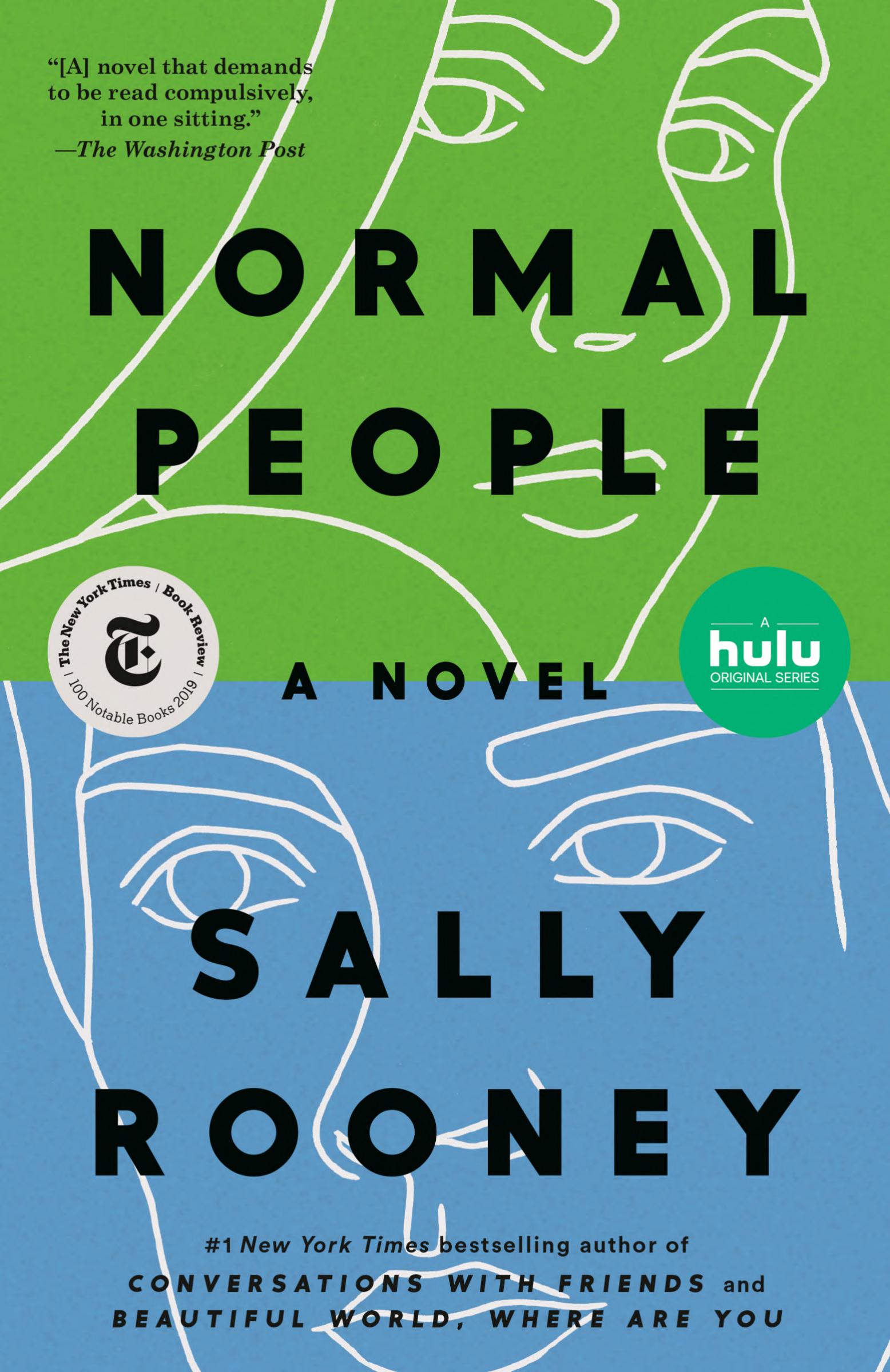
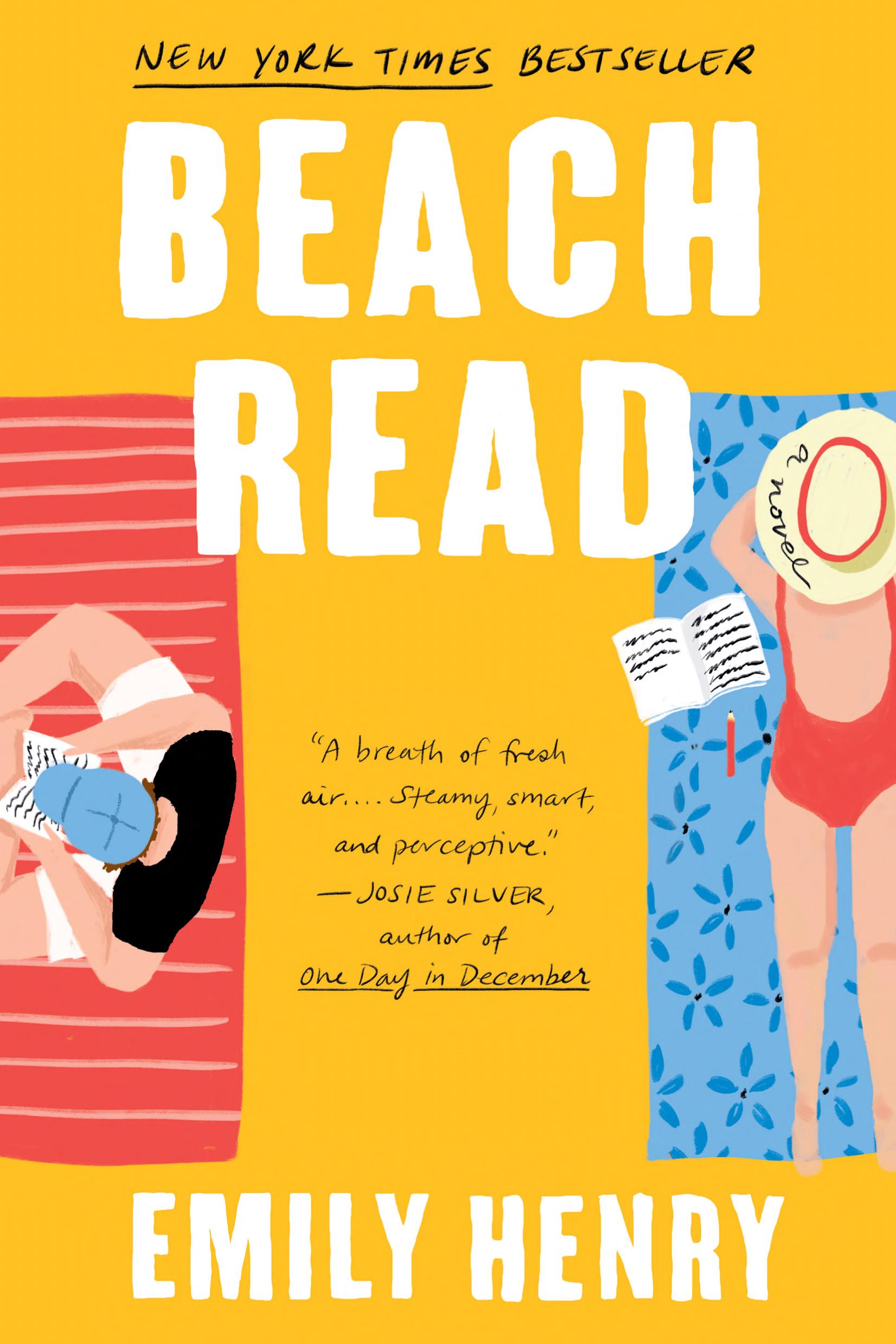
Who this is for
This list is for readers who responded to Daisy Jones’s specific combination of creative partnership, retrospective storytelling, and the grief of something brilliant that could not last. Start with The Seven Husbands of Evelyn Hugo for the most direct Reid equivalent. Tomorrow, and Tomorrow, and Tomorrow for the same creative partnership in a literary register. People We Meet on Vacation for the same alternating timeline structure. Browse contemporary fiction and romance for more.
Frequently asked questions
Q: What should I read after Daisy Jones and the Six? A: The Seven Husbands of Evelyn Hugo by Taylor Jenkins Reid is the most direct next step — same retrospective format, same withheld central emotion, same moral intelligence about fame and its cost. Tomorrow, and Tomorrow, and Tomorrow by Zevin covers creative partnership with greater literary ambition.
Q: Are there other books with the same oral history format as Daisy Jones? A: World War Z by Max Brooks uses the same multiple-narrator testimony format in a horror register. Station Eleven by Emily St. John Mandel uses multiple perspectives on a shared history retrospectively. Neither matches Daisy Jones’s emotional register but both demonstrate what the format can achieve.
Q: Is Daisy Jones and the Six based on a real band? A: No — though Fleetwood Mac’s dynamic was an acknowledged inspiration for Reid. The novel is entirely invented, though it reads documentary because the oral history format is executed so convincingly that readers consistently forget they are reading fiction.
Q: What books have the same 1970s setting as Daisy Jones? A: The Great Alone by Kristin Hannah is set in the same era. The Thorn Birds covers a comparable period in Australia. For the specific music world of the 1970s, Almost Famous by Cameron Crowe is a film rather than a novel but captures the era’s rock world with comparable intimacy.
Not sure which of these is right for you specifically? The Pagesmith quiz matches you to books based on your mood, pacing preference, and reading goals — not bestseller lists. Takes two minutes.