Books Like The Bell Jar That Refuse Easy Recovery
The Bell Jar refuses to separate psychological crisis from the social conditions that produced it. These books share that refusal -- the inner life and the outer world are always in conversation, and the breakdown is never purely personal.
May 2026 · 8 min read · The Pagesmith
Books like The Bell Jar get recommended in the direction of mental illness memoirs and recovery narratives, which misses the specific quality of Plath’s novel: it is not primarily about breakdown or recovery but about the social conditions that produce breakdown in intelligent women who cannot fit the templates their world has prepared for them. Esther Greenwood is not simply ill; she is a person of exceptional capability who has been offered no viable role that could accommodate that capability, and the breakdown is partly the result of the cognitive dissonance between what she is and what she is supposed to want to be. The books here share that refusal to separate the psychological from the social — they all render inner crisis in relation to the outer conditions that produced it, and none of them offer the clean arc from breakdown to recovery that most mental health fiction uses as its organizing structure.
What The Bell Jar Is Actually About
The novel’s social satire is often overlooked in favor of the psychological content, but the two are inseparable. Plath renders the 1950s social world that Esther navigates — the magazine internship, the appropriate suitors, the expectation of suburban domesticity — with a precision that makes clear how specifically that world is designed to eliminate the kind of personhood Esther represents. The bell jar of the title is both the glass case of depression and the glass ceiling of the social world; both seal the person inside from full access to the air they need. The books here all operate in that same double register: they are about minds under pressure, and they are about the specific social conditions generating the pressure.
The Bell Jar is not a novel about a woman who had a breakdown. It is a novel about a world that left a specific kind of woman nowhere to exist without breaking down — and the distinction is everything.
The Books
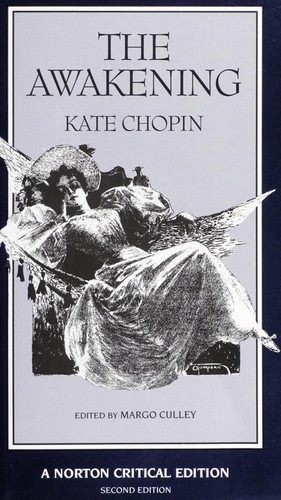
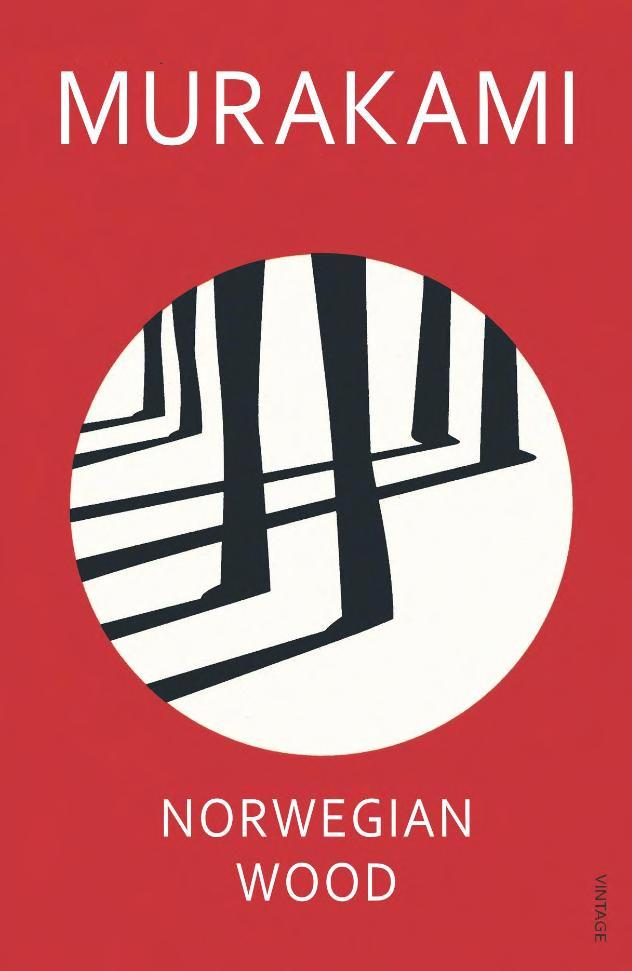
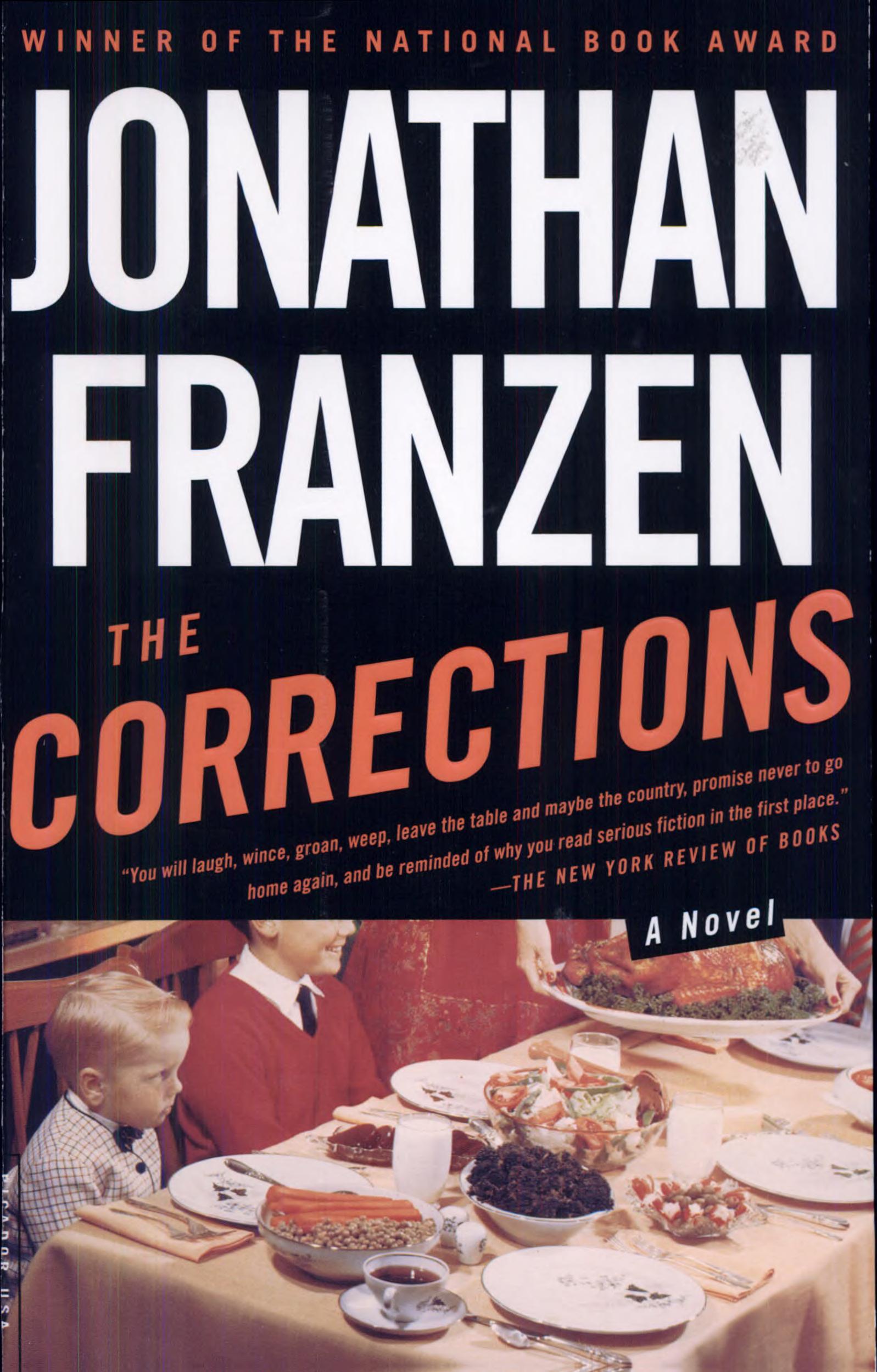
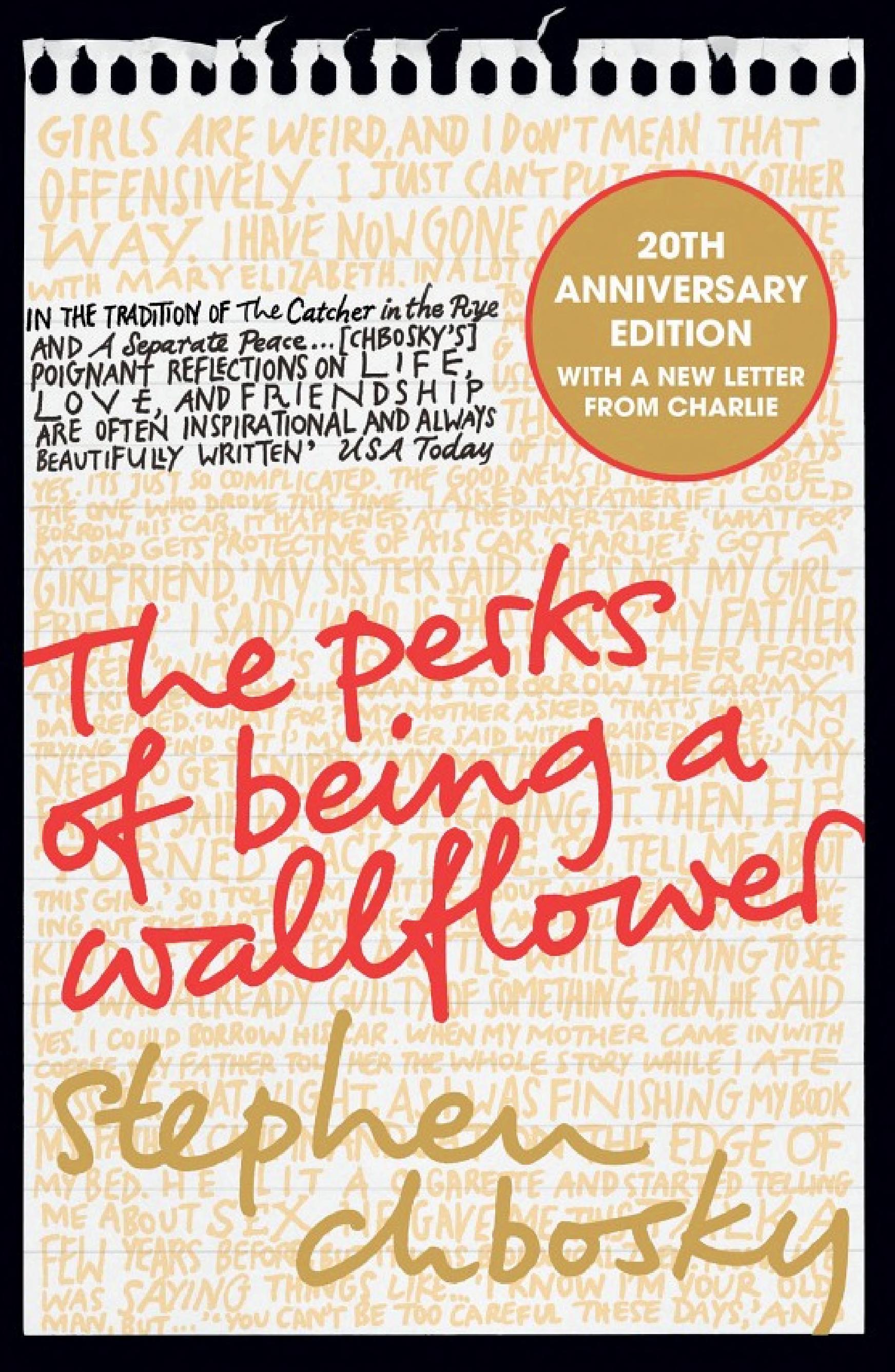
The AwakeningKate ChopinChopin’s 1899 novel is The Bell Jar’s historical predecessor and makes the same argument fifty years earlier: a woman of intelligence and desire placed inside a social structure that has no use for either, whose breakdown is the direct result of the collision between what she is and what she is permitted to be. Edna Pontellier’s awakening and her eventual death are not personal pathology; they are the logical outcome of a situation that has no viable exit. Chopin was suppressed after publication for exactly the reason the novel is now canonical — the argument it makes about female selfhood and its incompatibility with the institutions of nineteenth-century marriage was too accurate to be comfortable. The most historically illuminating entry on this list. Norwegian WoodHaruki MurakamiMurakami’s most direct novel shares The Bell Jar’s specific emotional register: young people at the edge of the world they were born into, trying to survive the gap between what the world offers and what they actually need. Naoko’s breakdown and Reiko’s long residence at the sanatorium are social as well as psychological phenomena — both women are people the conventional world has no template for, and the sanatorium is both a refuge from that world and a commentary on it. Murakami is less satirical than Plath about the social conditions and more interested in the specific phenomenology of depression and grief, but the novel inhabits the same territory: the mind under the pressure of a world that does not quite fit. A Little LifeHanya YanagiharaThe most extreme version of the breakdown-without-clean-recovery structure on this list. Yanagihara is interested in a specific question that The Bell Jar poses but does not fully answer: what does recovery look like for someone whose damage was sustained across years and whose patterns of self-destruction are the only available form of self-management? Jude St. Francis’s self-harm is rendered with an intimacy that is deliberately uncomfortable, and Yanagihara refuses the recovery arc as a structural requirement. The novel has significant content warnings across trauma, self-harm, and abuse, and should be approached by Bell Jar readers who want the question of what survival without resolution looks like taken to its full extent — but not by readers in acute distress. Giovanni’s RoomJames BaldwinBaldwin’s novel is The Bell Jar’s closest structural companion for the same reasons The Awakening is: a person of genuine feeling placed inside a social structure that has no use for what they actually are, and the psychological cost of navigating that structure through self-suppression and self-deception. David’s refusal to acknowledge his love for Giovanni is not individual psychological weakness; it is the product of a social world that has made that love structurally impossible, and the novel renders the cost of the refusal with the same precision Plath brings to Esther’s refusal of the suburban domestic template. Both are short; both are devastating; both make the same argument about what the social world does to people who do not fit its categories. The CorrectionsJonathan FranzenChip Lambert’s section of The Corrections is the most directly Bell Jar-adjacent material in the novel: a person of real intelligence and genuine capability who has failed so completely to fit any of the templates his family and society prepared for him that he has ended up isolated in a catastrophically self-defeating situation, sustained by a grandiose self-image that requires constant maintenance. Franzen renders Chip’s breakdown with the same combination of sympathy and diagnostic precision that Plath brings to Esther’s, and with the same refusal to separate the psychological from the social — Chip’s crisis is not simply his fault or simply the world’s, and the novel is precise about exactly how much of each is involved. The Perks of Being a WallflowerStephen ChboskyChbosky’s novel shares The Bell Jar’s structure of a sensitive and highly perceptive person whose psychological distress is both individual and social — Charlie’s damage is specific and personal, but his experience of high school’s social world as a system that has no place for the kind of consciousness he possesses is Plath’s experience rendered for an adolescent male reader. The epistolary format (Charlie writing to an anonymous friend) produces the same quality of controlled intimacy that Plath achieves: the reader has close access to a narrator who is performing stability while the text itself shows what the stability is costing. The most accessible entry on this list and the one most likely to have been the first serious encounter with this territory for many readers. Who This Is For
Readers who finished The Bell Jar understanding that Esther’s breakdown was not simply a medical event but the result of a collision between what she was and what her world permitted her to be — and who want more fiction that takes that collision seriously rather than separating the psychological from the social. Also readers who are tired of mental health fiction organized around the recovery arc and who want honesty about what happens when the conditions that produced the breakdown have not changed. The literary fiction catalogue has more in this direction.
Frequently asked questions
Q: Is The Bell Jar autobiographical?
A: Substantially. Plath published the novel under a pseudonym (Victoria Lucas) in 1963, a month before her death, and it draws heavily on her own experience of a breakdown, electroconvulsive therapy, and recovery in 1953. Esther Greenwood’s internship at a New York magazine corresponds to Plath’s time at Mademoiselle; the treatments she receives correspond to Plath’s own treatment. The novel is not a straightforward memoir but the autobiographical content is extensive.
Q: Is A Little Life appropriate for all Bell Jar readers?
A: No. A Little Life contains extended depictions of self-harm, sexual abuse, and psychological trauma that are deliberately and uncomfortably explicit. The Bell Jar is considerably less graphic. Readers who are personally navigating trauma, self-harm, or suicidal ideation should approach A Little Life with caution and consider whether Norwegian Wood or Giovanni’s Room might be more appropriate starting points.
Q: What makes The Bell Jar still relevant?
A: The social conditions it describes — the specific pressure on intelligent women to suppress ambition and desire in favor of socially approved templates — have changed significantly since the 1950s but have not disappeared. The novel’s more universal argument — that psychological crisis and social conditions are inseparable, and that the world often pathologizes people who accurately perceive its constraints — remains as accurate as it was in 1963.
Q: What should I read after The Bell Jar if I want more Plath?
A: Plath’s poetry, particularly Ariel, is the closest companion to The Bell Jar in its use of controlled voice to hold violent material. Her journals, published as The Unabridged Journals of Sylvia Plath, provide the autobiographical context that makes the novel more fully legible. For readers who want fiction rather than poetry or prose memoir, The Awakening is the most direct structural companion.
Not sure which of these is right for you specifically? The Pagesmith quiz matches you to books based on your mood, pacing preference, and reading goals, not bestseller lists. Takes two minutes.